Yonge North’s Next Phase Is a Signal for Where the GTA Grows Next
Transit lines do not just move people. They move value, and they move opportunity along with it. That is the real story behind Metrolinx and Infrastructure Ontario issuing a Request for Proposals for the stations, rail infrastructure, and systems contract on the Yonge North Metro Extension. Eleven shortlisted teams, drawn from some of the largest construction and engineering names in the country, are now competing across three work packages for a project that will quietly reshape the growth map of the northern Greater Toronto Area.
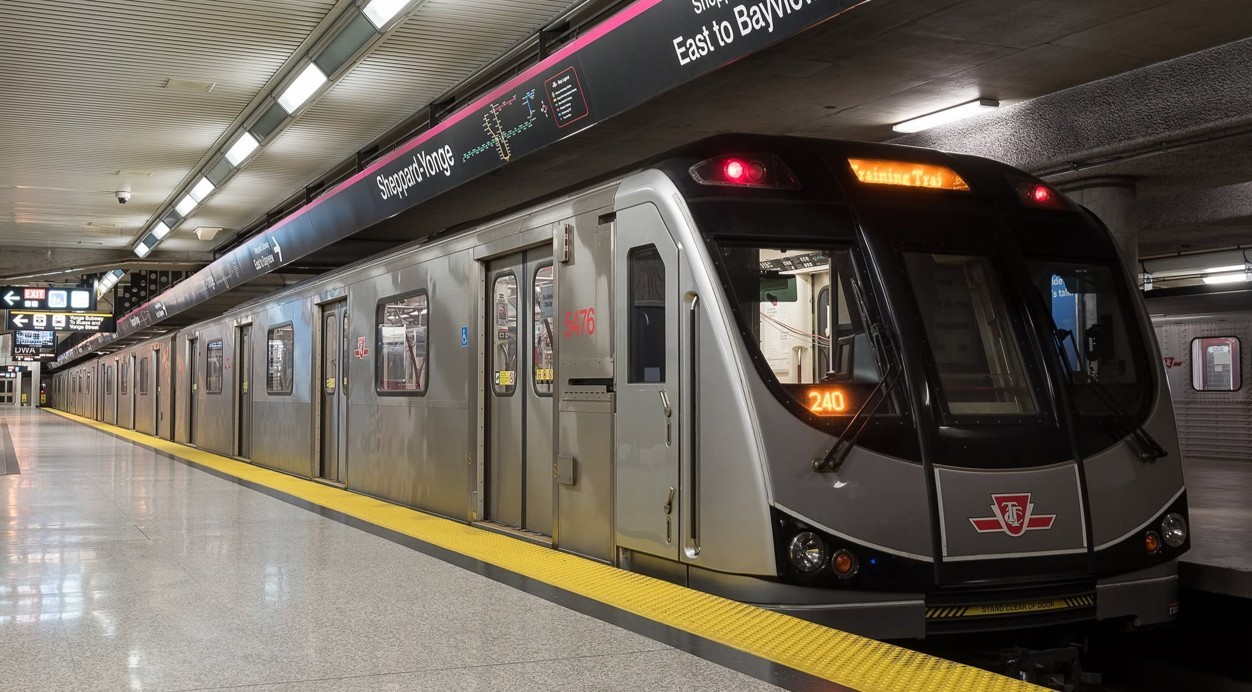
The extension itself is straightforward on paper. Nearly eight kilometres added to Line 1, running from the current Finch Station terminus into Richmond Hill, with five new stations, a 6.3-kilometre tunnel, and an elevated section along the existing rail corridor. But the packages tell the more interesting story. Underground works at Steeles, Clark, and Royal Orchard are being bid by teams like Trillium Construction Partners and NorthLine Partners. Above ground, the Bridge and High Tech stations and a new train depot are drawing bids from groups including Kenaidan Murphy and True North Corridor Alliance. A third package, focused on systems integration, has drawn global engineering names such as Arup, AtkinsRealis, and WSP-AECOM into direct competition.
What developers and municipal planners should notice is the procurement structure itself. A Progressive Owner-Formed Alliance model means Metrolinx and its chosen partners will spend a development phase refining design, costs, and schedule together before final approval. That is a longer runway than a traditional design-build contract, but it also means the corridor’s build-out will be more predictable once locked in, which matters enormously for anyone underwriting land near a future station.
Vaughan, Markham, and Richmond Hill are the municipalities in play here, and each has spent the better part of a decade positioning land near the eventual alignment for intensification. Direct connections to York Region Transit and GO Transit at completion will only sharpen that positioning. Historically, station announcements move land value ahead of shovels in the ground, and shortlisting real, capitalized consortia is a stronger signal to the market than any planning document could be.
Strong projects are built from a wider understanding of timing, access, and the future identity of a community, and a subway line eight kilometres long is exactly the kind of infrastructure that redefines what a community can become.
The bid submission window runs through late 2026, with one winner selected per package before alliance agreements are signed. For those tracking long term housing supply north of Toronto, this is worth watching closely. Transit capacity is one of the hardest constraints on density approvals, and every kilometre of confirmed rail infrastructure removes a barrier that has slowed growth in this corridor for years. The winners of these three contracts will not just build a subway extension. They will help determine how much housing the northern GTA can realistically support over the next generation.
Source: RailwayPro, “Consortia shortlisted for Toronto’s Yonge North metro extension”