

Why a C$30 Million Signaling Hub in Scarborough Is a Bet on Toronto’s Next Growth Corridor
When a company commits C$30 million to a new headquarters and anchors 1,100 jobs inside it, that is not just a real estate transaction. It is a statement about where growth is heading. Hitachi Rail’s new technology center in Scarborough, opened November 6, is exactly that kind of signal, and development watchers should be paying attention to the corridor it sits on, not just the building itself.
The headquarters, built at Consilium Place, will run the design, testing and delivery of CBTC signaling for TTC Line 2 Bloor-Danforth, a project the TTC awarded to Hitachi Rail Canada in July. Fixed-block signaling dating to the 1960s is being replaced with the company’s SelTrac system, the same communications-based train control already running on Line 1 since 2022. Hitachi Rail projects peak capacity on Line 2 could rise as much as 40 percent, from roughly 23,400 to 33,000 passengers per hour, once the full upgrade is complete. That is the kind of capacity jump that reshapes what land along a transit line is worth.
The same signaling technology will equip the 7.8-kilometer Scarborough extension of Line 2, with new stations planned at Lawrence and McCowan, Scarborough Centre, and Sheppard and McCowan. For anyone tracking land value and intensification potential in Scarborough, these station sites are worth watching closely. Transit infrastructure of this scale tends to arrive years before the surrounding development catches up to it, and the municipalities and developers who position early around confirmed capacity upgrades are usually the ones who capture the most value later.
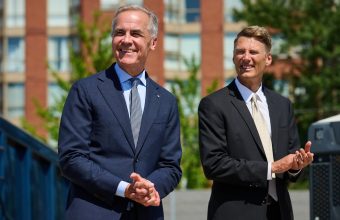
There is a broader provincial story here too. Ontario Premier Doug Ford framed the opening as part of a much larger C$236 billion plan for roads, highways and transit, positioned in part as a hedge against U.S. tariff pressure on Ontario jobs.
“We’re proud to welcome Hitachi’s new technology centre and 1,100 good-paying jobs as they help deliver the largest public transit expansion in North America.”
That scale matters for development strategy. A C$236 billion infrastructure commitment is not a single project to plan around, it is a multi-decade backdrop against which land values, zoning appetite and intensification timelines across the Greater Toronto Area will be negotiated. The Line 2 work alone runs through 2037, with design and engineering through 2028 followed by phased construction. That is a long runway, but it is also a predictable one, and predictability is what allows developers and municipal planners to commit capital with confidence rather than guesswork.
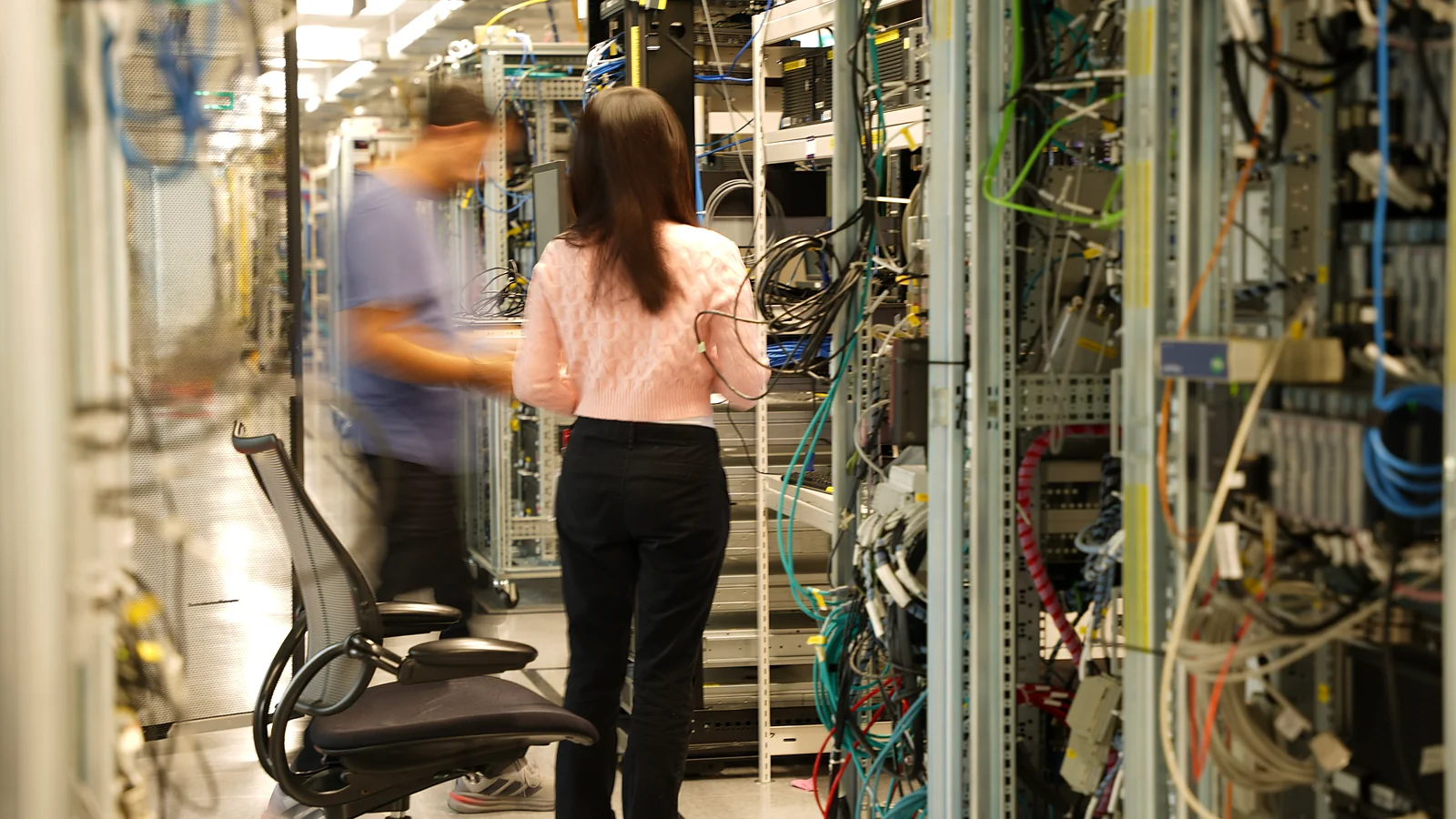
Hitachi Rail’s own footprint reinforces the point. The 125,000 square foot facility includes simulator floors modeling metro networks from London to Singapore, a global competence center for CBTC, and continued investment, now C$105 million, in next generation signaling software backed partly by provincial funding. Add the retained workforce at the company’s York Mills office and new academic partnerships with Ontario Tech and McMaster, and this reads less like a single building opening and more like a long term industrial anchor being planted in the east end of the city.
For anyone building a long term view of Toronto’s growth map, the lesson is straightforward. Infrastructure commitments of this duration and scale tend to precede the housing and commercial intensification that follows transit capacity, not the other way around. Scarborough’s corridor just got a clearer signal of where that capacity is going.
Source: Railway Supply, November 2026.