


Canada’s Luxury Housing Divide Is a Signal, Not a Side Story
While the broader Canadian housing market cools under the weight of rising fixed mortgage rates and trade-driven uncertainty, capital at the top of the market is moving in the opposite direction. A new Remax Canada report shows luxury home sales climbing in seven of the country’s thirteen largest markets, and for anyone allocating capital into real estate, that divergence is the real story.
The headline numbers are striking. Burlington led growth at 26.3 per cent, followed by St. John’s at 21 per cent, Calgary at 20.6 per cent, Edmonton at 15.9 per cent, and Saskatoon at 15.3 per cent. These are not the markets investors traditionally associate with trophy real estate, and that is precisely why the trend matters. Capital is finding value outside the traditional Toronto and Vancouver corridors, a pattern worth tracking for anyone building a diversified property portfolio.
Toronto itself tells a more nuanced story than a simple slowdown. The soft spot sits in the three to seven and a half million dollar band, while sales of homes priced above seven and a half million rose 17.6 per cent in the Greater Toronto Area. Eighteen homes changed hands above ten million dollars, fifteen of them within the city proper, the strongest single year count in a decade, including a twenty three million dollar sale in Forest Hill. That is not a market in retreat. It is a market re-segmenting by buyer profile.
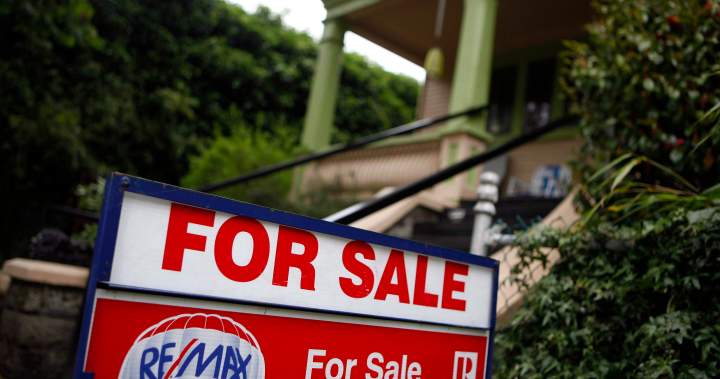
What explains the gap between CREA’s reported 2.3 per cent monthly decline in overall sales and this surge at the top? Liquidity. Michael Altneu, vice president of luxury at Remax, put it plainly: wealth enables a purchase, but confidence and the right opportunity motivate it. Buyers at this altitude are frequently drawing on gains outside of real estate entirely. U.S. equities returned 17 per cent in 2025 following back to back gains the two years prior, and that kind of portfolio performance gives high net worth buyers the flexibility to act while mid market buyers sit on the sidelines watching the Bank of Canada’s next move.
Buyers of the ten million dollar price bracket have also done very well in the equity markets. They’re not all real estate concentrated.
There is also a pricing discipline emerging that investors should watch closely. Adil Ninani, a realtor with Royal LePage West, noted that assets worth ten million dollars or more are trading in Metro Vancouver after originally being listed between sixteen and eighteen million, a meaningful course correction in seller expectations. Negotiations at this level can stretch for months, and buyers with staying power are extracting real discounts. For investors, that is a window worth watching rather than a warning sign.
The durable takeaway is that the luxury segment is behaving as a leading indicator rather than an outlier. Ninani’s own framing is worth sitting with: resolution on trade tensions with the United States is the macro trigger that would likely bring hesitant mid market buyers back into play. Until then, the smart money is already positioning itself at the top, and that is rarely a coincidence worth ignoring.
Source: Global News, “What luxury home sales tell us about Canada’s K-shaped real estate economy”