

Toronto’s Second Chow Term Tests Whether Construction Coordination Can Keep Pace With Growth
Outside Union Station, where commuters and construction hoarding now share the same sidewalk, you can see the central tension of Toronto’s growth story playing out in real time. A city intensifying as fast as this one cannot avoid disruption. The question that matters for anyone tracking land value and project timelines is whether that disruption is managed, or merely tolerated.
That is the issue businesses around Union Station are raising as Mayor Olivia Chow enters her second term. Dana Duncanson, managing director of the Downtown West Business Improvement Area, frames it as a call for coordination rather than a complaint about growth itself. Jon Kiru, who represents BIAs across the city, puts it more bluntly: predictability. Predictability in funding for events, and predictability in how construction is sequenced and communicated. These are not small asks. For developers and the commercial tenants who occupy their ground floors, uncoordinated construction is a cost line, measured in lost foot traffic, delayed access, and tenants who quietly decide downtown is more trouble than it is worth.
This is where city governance and development strategy intersect directly. Mayor Chow’s office points to the Strategic Capital Coordination Office and the appointment of the city’s first chief congestion officer as evidence the first term already treated this as structural, not cosmetic. That matters to anyone underwriting a project timeline in the downtown core. A city that can sequence its capital works, rather than let them collide, reduces one of the hardest variables to price into a proforma: disruption risk during construction.
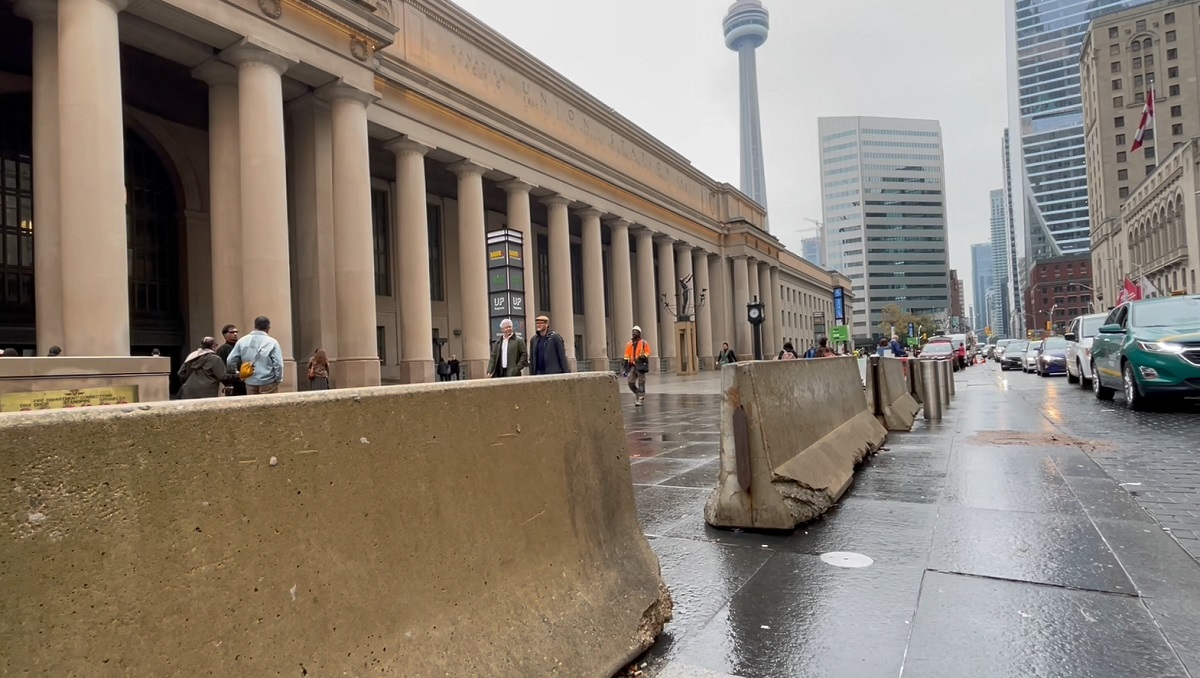
The traffic agent program is a useful, if modest, proof of concept. One hundred agents are currently deployed at congested intersections, with plans to grow that to 127 early next year. It is a small operational detail, but it signals something larger about how this administration intends to govern growth: incrementally, with measurable targets, rather than through grand announcements alone. For a development community that has spent years absorbing the costs of ad hoc construction scheduling, on-again, off-again lane closures, overlapping permits, uncoordinated transit work, that kind of institutional memory is itself an asset.
And what that really boils down to is we want a city that moves, that is safe, that is clean.
None of this resolves the core tension. Toronto’s downtown core will keep layering transit expansion, residential intensification, and commercial renewal on top of one another for years. What the BIAs are really asking for is a city hall that treats coordination as infrastructure in its own right, something developers, investors, and ground floor tenants can plan against with confidence. Whether the Strategic Capital Coordination Office can deliver that at scale, beyond a handful of marquee intersections, will say a great deal about how investable downtown Toronto’s next decade of growth actually is.
Source: CityNews Toronto