

When Costs Outrun Prices, Housing Supply Pays the Price
Every development decision comes down to one question: does the math still work. A new report from National Bank of Canada suggests that for a growing number of residential projects across the country, it does not. Senior economist Daren King found that construction costs have climbed 73.3 per cent since late 2019, more than double the 30.1 per cent gain in property prices over the same stretch. That is not a rounding error. That is a structural shift in project feasibility.
For most of the last decade, costs and prices moved together, each reinforcing the other in a way that kept proformas balanced and shovels in the ground. That relationship broke down in early 2022, when the Bank of Canada began raising rates. Prices softened. Costs kept rising. The gap has only widened since, and nowhere more sharply than in Toronto, where construction costs have climbed nearly five times faster than property values. Montreal and Halifax are the rare exceptions where pricing has kept pace, a reminder that this is a market-by-market calculation, not a single national story.
What strikes me most is the shift in what is driving those costs. Material prices led the surge during the pandemic years. Since 2022, labour has taken over, and not simply because of wages. Residential construction productivity in Canada has fallen 18 per cent below pre-pandemic levels, while the same measure in the United States has risen 14 per cent. That divergence deserves far more attention from policymakers and developers than it currently gets. Wage growth in the trades, up 33.5 per cent nationally since 2019 and even higher in Quebec, compounds the problem, though King is careful to note much of that gap predates the rate-hike era.
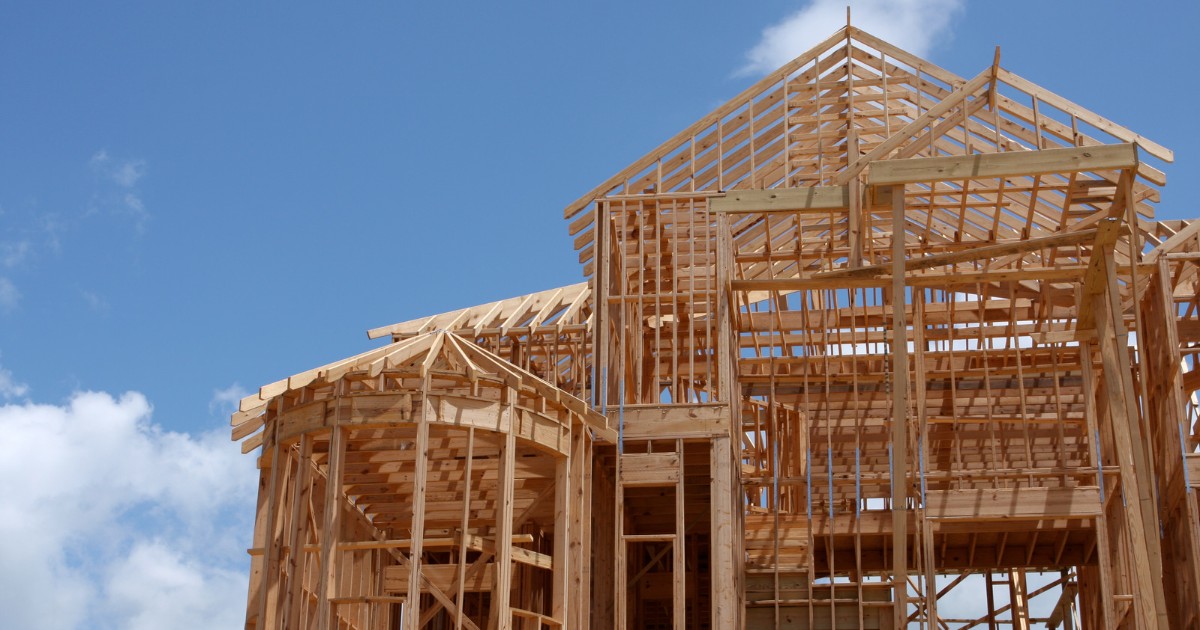
A plateau in costs is not enough to restore project profitability. The gap will only close if prices rise faster than costs, which could take time.
There is a cautious upside. In Toronto, Vancouver and Calgary, annual cost growth has slowed to under one per cent, down from more than 15 per cent at the 2021-22 peak. Builders are responding the way disciplined operators always do when margins compress: simplifying designs, renegotiating with trades and suppliers, leaning harder on prefabrication, and in some cases accepting thinner returns just to keep projects moving. But cost discipline alone does not fix a feasibility gap this wide.
This is the part that should concern anyone thinking about long-term housing supply. Rising financing costs, copper and aluminum prices pushed up by tariffs and AI-driven data centre demand, and competition from major federal infrastructure projects for labour and materials are all pressures that could keep housing starts depressed well beyond this cycle. Supply targets are policy documents. Feasibility is what actually gets projects built. Until that gap narrows, expect more sites sitting dormant and more announced projects quietly slipping their timelines, regardless of how much demand exists on paper.
Source: Real Estate Magazine, National Bank construction cost report.