


When Housing Costs Eat the Investment Budget, Everyone Pays Twice
A new National Housing Week survey of 2,000 Canadian adults puts a hard number on something I have watched play out in portfolios and conversations with clients for years: housing costs are no longer just a line item, they are the single biggest drag on this country’s capacity to build wealth. Two thirds of respondents said housing costs are hurting their well-being, and nearly a quarter described their stress over the issue as severe. For anyone thinking seriously about long term financial strategy, that is not a soft statistic. It is a signal.
Here is the number that should get every investor’s attention: 27 per cent of Canadians are spending more than 30 per cent of their income on housing, past the affordability threshold Statistics Canada uses to define a healthy budget. Among mortgage holders specifically, 76 per cent say housing costs are affecting their well-being. That is the segment of the population that is supposed to be building equity, and instead a large share of them are managing strain rather than momentum.
The behavioural data tells the real story for anyone building a long term plan. Over the past year, 21 per cent of Canadians delayed paying down debt and 12 per cent pushed back retirement plans because of housing costs. When asked what they would do if affordability were not a concern, 41 per cent said they would save or invest more, 19 per cent said they would move toward buying or relocating, and smaller shares pointed to education or starting a business. In other words, housing costs are not just competing with lifestyle spending anymore. They are directly displacing capital that would otherwise flow into savings, retirement accounts, and property itself.
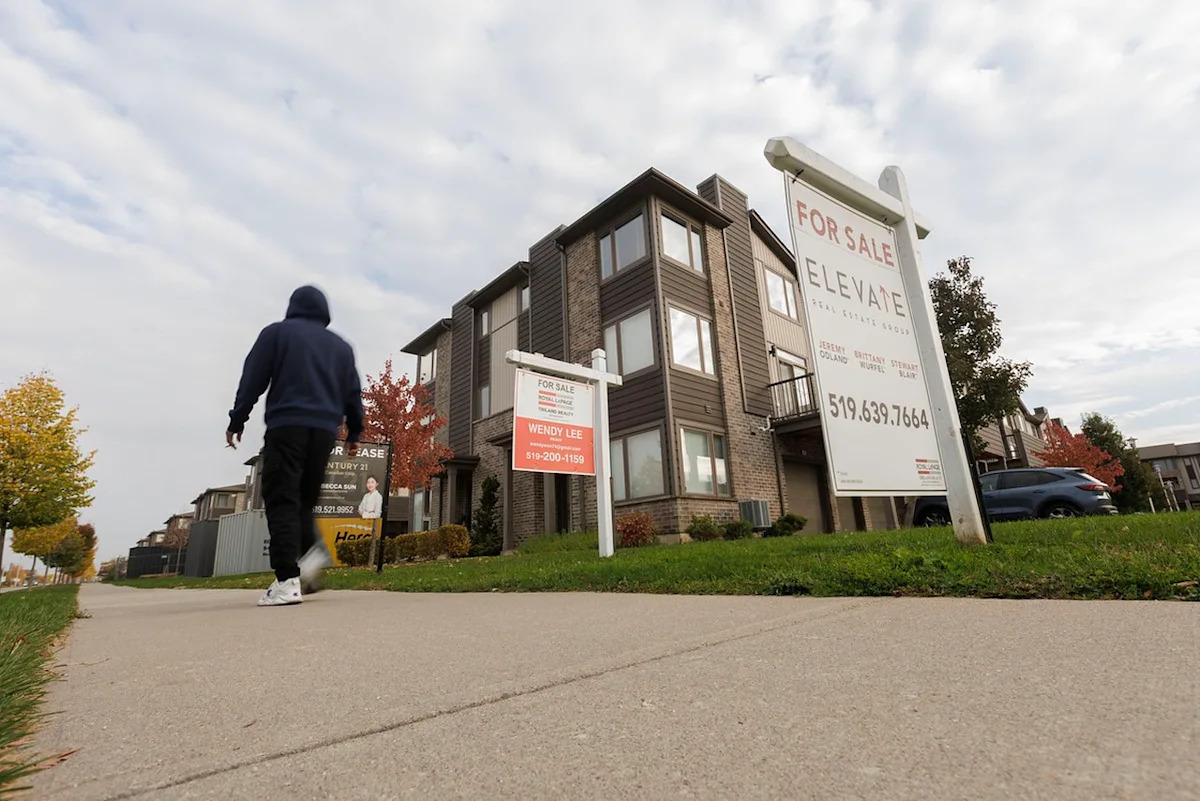
For investors, this dynamic cuts both ways. On one hand, a population with less disposable income to invest is a slower pipeline of new capital into markets, funds, and future buyers. On the other, constrained ownership affordability keeps pressure on rental demand, which continues to support the case for well located income properties. Michel Cubric of Peoples Group framed the fix correctly in the survey’s release, pointing to approval timelines, development charges, zoning, and compliance costs as levers that shape what housing ultimately costs to deliver. Those are supply side problems, and supply side problems tend to resolve slowly, which means the rental and ownership gap this survey captures is likely to persist rather than correct itself quickly.
Housing affordability is no longer just a housing issue, it’s an economic one. When housing costs take up a growing share of household income, Canadians have less capacity to save, invest, and build long term financial security.
That line from Aaron Cameron of Peoples Group is worth sitting with. A household that cannot save is a household that cannot invest, and a generation that invests less builds less wealth over time. For my readers, the takeaway is not to wait for policy to fix affordability. It is to recognize that the properties and markets that remain accessible to income constrained buyers, particularly rental stock in the right locations, carry real structural demand behind them. The survey also found that 31 per cent of Canadians are seeing friends and family less often and 20 per cent are cutting back on heating and cooling to manage costs. That is the human cost behind the spreadsheet, and it is exactly why smart, disciplined real estate decisions matter more now, not less.