
King Street’s Buried Infrastructure Gets a Long Overdue Rebuild, and That Matters More Than the Traffic
Toronto rarely gets credit for the work nobody sees. Starting this week, the City and the TTC have begun a multi-year rebuild of watermains and streetcar track along King Street West, a corridor that runs from Dufferin Street all the way past the Distillery District. For commuters, the headline is disruption. For anyone thinking about the next decade of growth along that stretch, the real headline is that the bones of the corridor are finally being renewed.
The work will roll out in phases through 2027, with construction underway between Spadina Avenue and Portland Street, another stretch active between Dufferin and Close Avenue until fall 2027, and further segments planned from Bathurst to Shaw, Charlotte Street to University Avenue, and the York Street intersection. The 504 King streetcar is being consolidated onto a single branch between Dundas West and Broadview, with replacement buses and Queen Street diversions filling the gaps in between.
I have watched enough of these projects to know how they get read in the short term. Businesses worry about foot traffic. Commuters worry about delays. Those concerns are legitimate and the City is right to keep lane access, side street connections, and property access part of the plan. But watermain replacement and track renewal are not cosmetic work. They are the underlying capacity decisions that determine whether a corridor can support the density that keeps getting approved above it.
King West has been one of the most intensified strips in the city for two decades, with condo towers and mixed use buildings stacked along a transit line and water infrastructure that, in many sections, predates most of what has been built on top of it. You cannot keep adding units, retail, and population without eventually upgrading what is buried beneath the street and what runs on the rails above it. This is that upgrade.
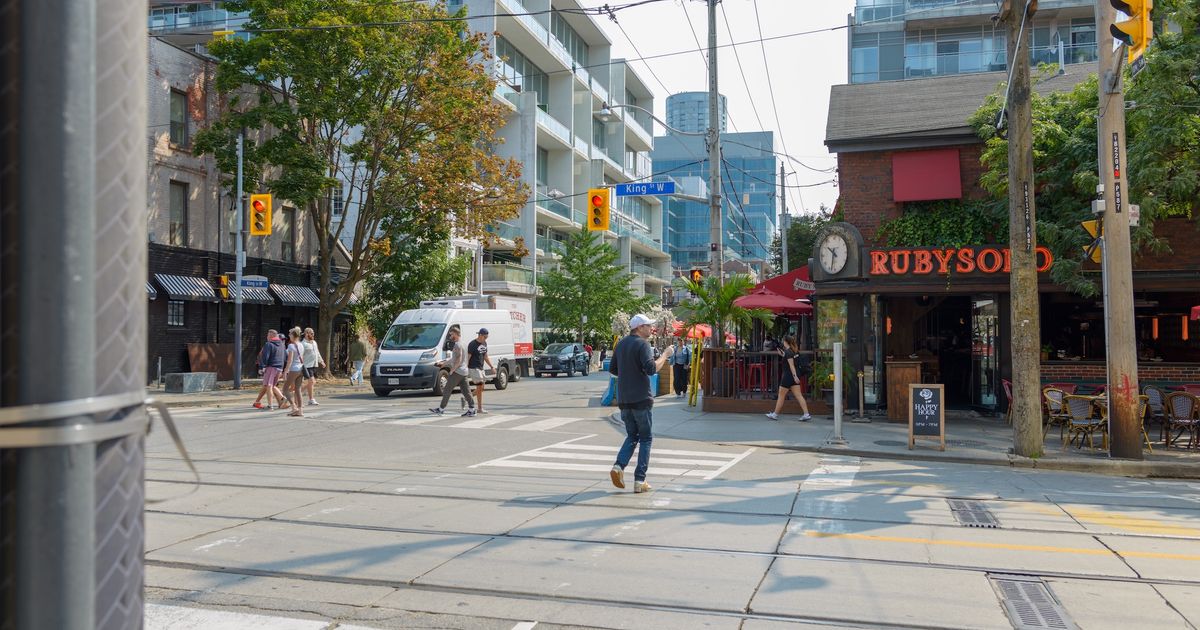
Strong projects are built from a wider understanding of timing, access, infrastructure, and the future identity of a community.
For developers and investors watching this corridor, the signal is worth reading past the traffic cones. A multi-year infrastructure commitment of this scale tells you where the city expects to keep absorbing growth. It also tells you that short term friction, diverted streetcars, single lane closures, intermittent intersection access, is the price being paid now so that the corridor can carry more people and more building later without the water main breaks and service failures that come from deferred maintenance.
None of this makes the next several months easier for anyone trying to get along King Street West. But for those of us tracking where Toronto puts its long term bets, a corridor this central getting a full infrastructure renewal is a stronger indicator of future confidence than any single rezoning application. The disruption is temporary. The capacity it unlocks is not.
Source: blogTO, “Construction along busy Toronto street will complicate commutes through 2027”