

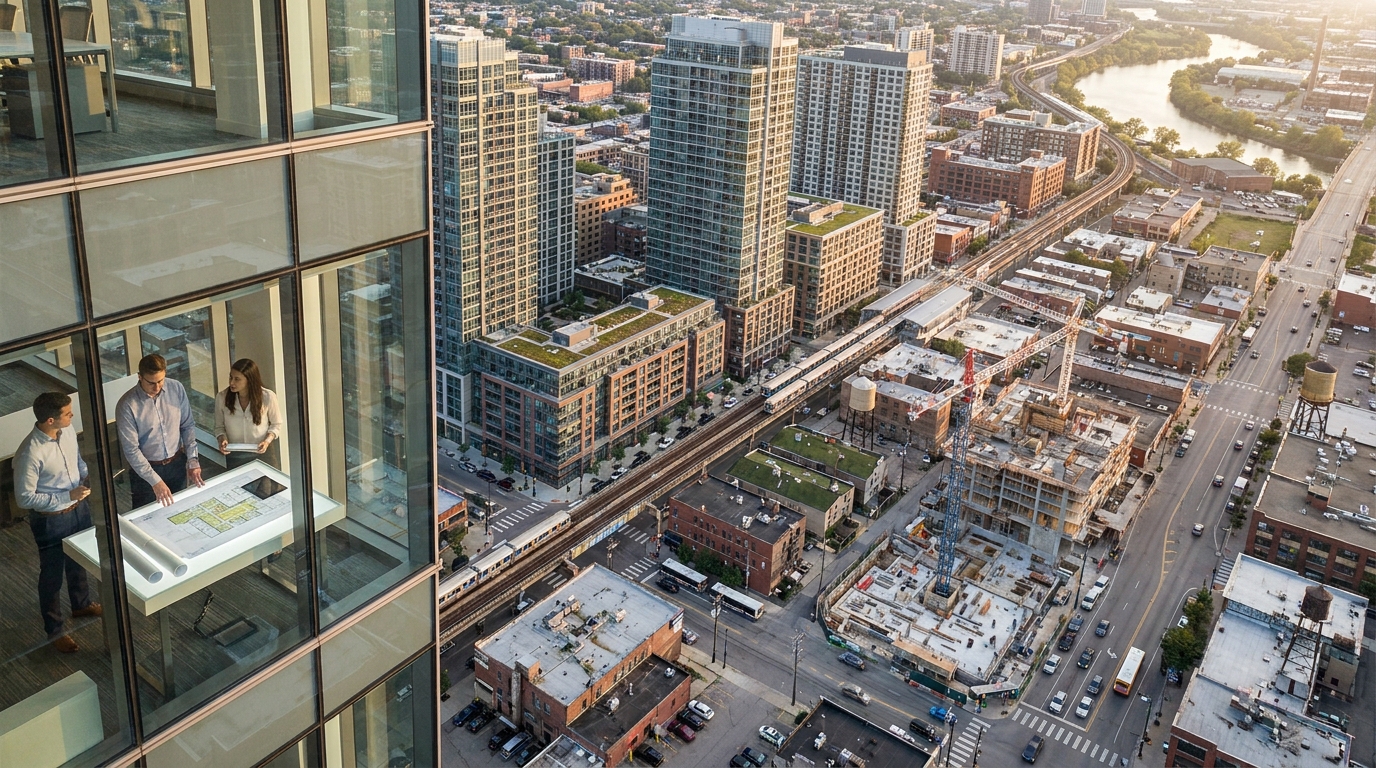

In luxury real estate, not all premium properties are created equal. Some homes command attention because they are large, well located, and expensive. Others achieve a different level of market significance because the architecture itself becomes part of the asset. These are the properties that wealthy buyers remember, discuss, and often pursue with unusual conviction because they offer scarcity, identity, and a story that cannot be easily replicated elsewhere.
Table Of Content
- Why architecture matters in luxury real estate
- The core investment thesis: scarcity, provenance, and emotional pricing power
- Which architectural features actually enhance value
- Features that often support premium demand
- The buyer psychology behind architectural premiums
- Categories of architectural investments worth watching
- Architect-designed trophy homes
- Heritage homes and landmark residences
- Adaptive reuse and heritage conversions
- Branded residences and design-led luxury condominiums
- The Canadian context: opportunity with more selective demand
- Valuation: how to price what is not easily comparable
- A disciplined underwriting framework
- The risks investors often underestimate
- How to add value without damaging the asset
- Marketing architectural real estate to wealthy buyers
- When architectural investing works best
- Final take: architecture as a luxury investment edge
That distinction matters for investors. Architecturally significant properties can hold stronger pricing power than generic luxury homes when the design, condition, and location align with buyer demand. In many cases, the value is not driven by square footage alone, but by a combination of provenance, craftsmanship, layout quality, landmark character, and emotional appeal. A home designed by a respected architect, a heritage conversion executed with precision, or a branded residence with exceptional interiors can become a monetizable scarcity asset in a market increasingly shaped by experience rather than excess.
The opportunity is real, but so is the complexity. Architectural prestige does not guarantee appreciation, fast resale, or easy financing. Unique homes often come with thin comparable sales data, narrower buyer pools, higher carrying costs, and more demanding due diligence requirements. For disciplined investors, however, these same frictions can create opportunity because specialized assets are often misread by buyers who focus too narrowly on conventional metrics.
This guide examines how architectural features can enhance value, why wealthy buyers respond to distinctive design, where the risks tend to emerge, and how to underwrite this niche with precision. The goal is not to romanticize iconic homes. It is to explain how architecture can become an investment variable when supported by location, preservation, timing, and a clear exit strategy.
Why architecture matters in luxury real estate
In mainstream housing, value tends to be anchored by practical variables such as size, bedroom count, school districts, and recent comparable sales. In the luxury segment, those factors still matter, but they do not fully explain pricing at the top of the market. High-net-worth buyers often evaluate a property through a different lens. They are not only purchasing shelter or status. They are buying distinction, convenience, identity, and in some cases cultural capital.
Architecture becomes especially powerful when it creates differentiation. A memorable facade, exceptional proportions, a dramatic site plan, authentic materials, and design coherence can transform a residence from expensive to irreplaceable. Scarcity is the key investment mechanism here. If there are few comparable properties with similar design pedigree, similar condition, and a similar location, the asset can command a premium because the alternatives are limited.
This is one reason architecturally significant homes often perform differently from conventional luxury product. The affluent buyer considering such an asset may not be comparing it to ten other listings by price per square foot. They may be comparing it to a much smaller set of trophy opportunities across a city or region. Once the pool of substitutes narrows, narrative, provenance, and emotional response become more important in pricing.
Recent luxury market commentary supports this logic. Global luxury residential prices rose 3.2% in 2025, according to Knight Frank, even as North America was the only region in negative territory in its 2026 prime residential index, reflecting relative weakness in some Canadian markets. In a more selective environment, distinctive architecture matters more, not less, because wealthy buyers become more discriminating when broader momentum softens. The best assets continue attracting attention when generic premium homes become easier to ignore.
Investment insight: In luxury real estate, architecture is not simply an aesthetic upgrade. It can function as a scarcity premium when it is backed by location, condition, and credible buyer demand.
The core investment thesis: scarcity, provenance, and emotional pricing power
At the heart of architectural investing is a straightforward thesis. A property with meaningful design distinction can achieve stronger demand and pricing because it offers something rare that affluent buyers cannot easily reproduce. That rarity can come from many sources, including heritage protections, an award-winning architect, a celebrated building history, superior craftsmanship, or an unusually resolved relationship between the home and its setting.
Academic research broadly supports the idea that distinctiveness can translate into value, though the result is highly contextual. Studies in real estate economics have found premiums associated with heritage-listed homes, historic districts, architectural awards, and certain architectural styles. One study found an architecture-award premium of roughly 5% to 7% in winning projects’ property value. At the same time, the literature is careful to note that not all distinctive design produces the same outcome. The local market, regulatory setting, maintenance burden, and buyer preferences all influence whether a premium emerges and how durable it remains.
This is where many investors oversimplify the category. They assume any unusual home is automatically valuable. In reality, distinctive and desirable are not interchangeable. A house can be unconventional without being marketable. Another can be historically important yet poorly located or expensive to operate. The strongest investments usually combine visual distinction with practical livability, prestigious positioning, and a clear audience that understands the property’s relevance.
Provenance also matters. A home associated with a noted architect, an era-defining design movement, or a landmark urban address gains a story that can be marketed to buyers who collect more than real estate. They collect experiences, names, and credentials. In that sense, an architectural asset behaves partly like fine art and partly like a luxury residence. It is still real estate, but one layer of value comes from cultural significance and symbolic ownership.
Which architectural features actually enhance value
The features that create real investment value are usually those that combine emotional impact with long-term relevance. Wealthy buyers may be drawn to spectacle, but they tend to pay sustained premiums for homes that are both beautiful and usable. This is especially true in a market where move-in-ready quality has become increasingly important.
Knight Frank has noted that affluent buyers increasingly prefer turn-key luxury homes and are less willing to absorb renovation risk. That shift benefits architecturally significant properties that have already been preserved, modernized thoughtfully, and positioned for immediate enjoyment. A landmark residence with deferred maintenance may still attract attention, but a fully resolved architectural home that requires little intervention can command a much stronger bid because it reduces uncertainty.
Some of the design characteristics that tend to support premium positioning include exceptional facades, panoramic views, double-height living spaces, signature staircases, authentic stone or wood finishes, art-quality millwork, seamless indoor-outdoor flow, privacy-enhancing site design, and interiors created by respected designers. In newer product, branded residences and architect-led condominiums often use these same principles at a vertical scale, combining service, design pedigree, and polished amenity programming to create a differentiated luxury offering.
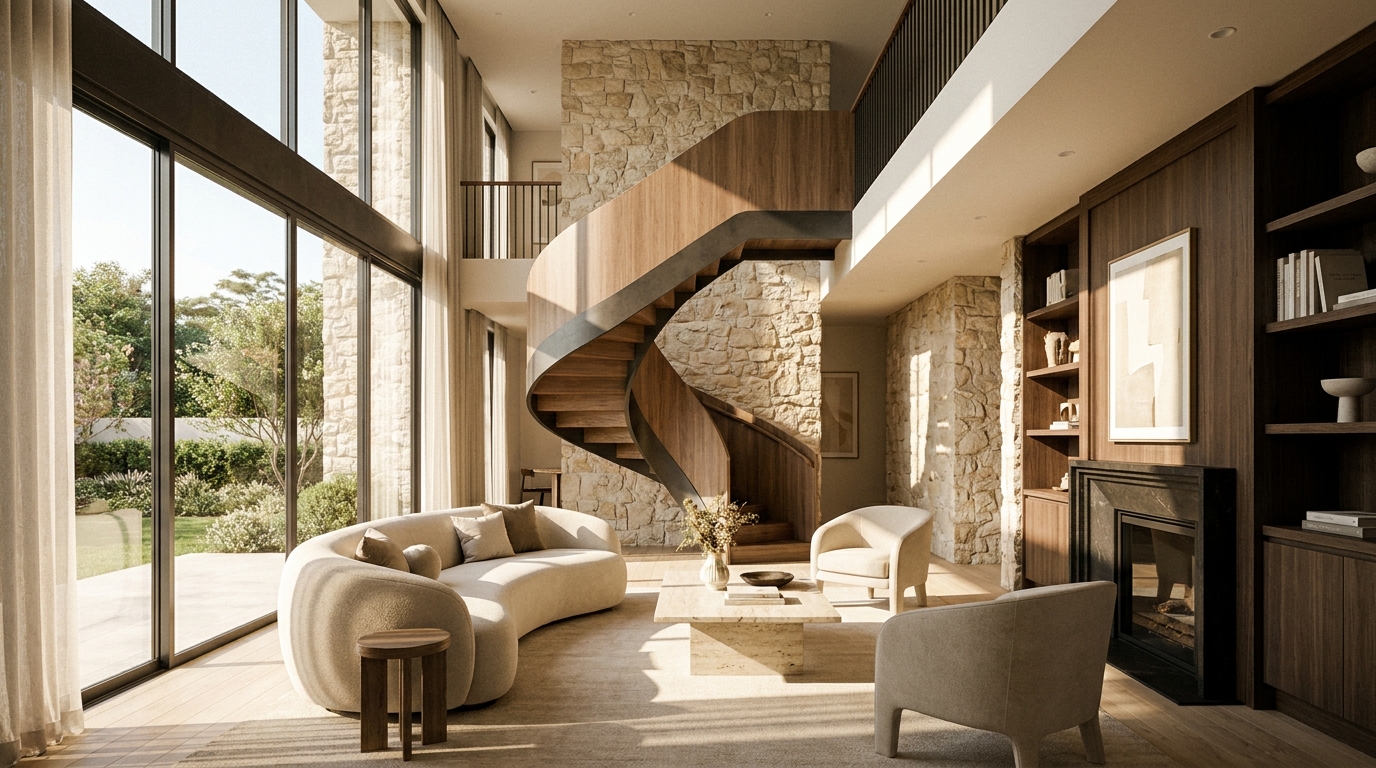
Not every premium feature is equally durable. Some trends date quickly, while others become more desirable over time. Investors should be especially cautious with highly personalized design elements that are expensive to reverse and only appeal to a narrow aesthetic segment. By contrast, strong spatial proportions, authentic materials, excellent light, privacy, and a coherent architectural concept tend to hold value because they are fundamentals rather than temporary statements.
The concept of wellness is also becoming more integrated into luxury valuation. Today’s affluent buyer often wants more than formality and scale. Privacy, natural light, clean air systems, outdoor living, spa-like bathing areas, acoustic comfort, and personalized spaces for fitness or retreat are increasingly central to demand. Architecture that incorporates these features elegantly can attract a premium because it reflects how luxury is actually being lived.
Features that often support premium demand
- Design pedigree through a known architect, award-winning project, or recognized interior designer
- Material authenticity such as natural stone, hardwood, bronze, artisan plaster, and bespoke millwork
- Spatial drama including double-height rooms, gallery walls, sculptural staircases, and controlled sightlines
- Indoor-outdoor integration with terraces, courtyards, pools, gardens, and view-maximizing glazing
- Turn-key execution that minimizes renovation risk and supports immediate occupancy
- Wellness-oriented planning through privacy, natural ventilation, light quality, spa spaces, and quiet luxury finishes
The buyer psychology behind architectural premiums
Luxury property decisions are rarely purely financial. High-net-worth buyers are often sophisticated, but they are also highly responsive to emotion, identity, and narrative. That is particularly true when the asset falls into the category of trophy ownership. An architectural masterpiece signals taste in a way that generic luxury often cannot. It communicates connoisseurship rather than simple purchasing power.
This matters because buyer emotion can produce tangible pricing effects. A home that photographs exceptionally well, tells a compelling design story, and feels complete at first viewing may draw stronger competition than a larger but less memorable alternative. Wealthy buyers are often time constrained and experience driven. They do not always want to spend years assembling consultants, navigating permits, and managing restoration risk. When they encounter a property that already delivers meaning and functionality, they are more likely to pay for certainty.
That preference aligns with a broader market shift. Luxury demand is increasingly tied to experience and identity rather than pure opulence. Branded residences, for example, continue to expand globally, with more than 1,000 live branded-residence schemes projected worldwide by 2030 according to Knight Frank. Their appeal is not based on square footage alone. It comes from service, design, privacy, wellness, and the prestige of belonging to a curated ecosystem.
Architecturally significant single-family homes and heritage conversions benefit from a similar dynamic. The buyer is often acquiring not just a home, but a piece of narrative infrastructure. The right property becomes a backdrop for entertaining, collecting, hosting, retreating, and projecting personal standards. That is why architecture can be monetizable. It influences the intensity of buyer desire, and in premium markets, desire affects pricing.
Categories of architectural investments worth watching
Architectural investing is not a single asset class. It is a collection of specialized subcategories, each with different return drivers, risks, and buyer audiences. Investors should be careful not to treat them as interchangeable because underwriting for a heritage townhouse differs materially from underwriting for a branded condominium or a modernist hillside trophy home.
Architect-designed trophy homes
These are often the purest form of architectural investment. They may be custom residences by a recognized architect or exceptional one-off homes where site planning, material selection, and spatial quality are unusually strong. Their main advantage is scarcity. There may be only a handful of truly comparable opportunities in a major city, which can support pricing power if the home is preserved and marketed correctly.
The challenge is liquidity. Buyer pools can be narrow, especially if the property is highly specific in style or located in a niche micro-market. Financing can also be more complex where appraisals struggle to find comparables. Investors in this category need patience, strong holding capacity, and confidence in the asset’s relevance to a wealthy target audience.
Heritage homes and landmark residences
Heritage properties can benefit from historical prestige, neighborhood cachet, and legal protections that preserve surrounding character. Research frequently finds price premiums for designated or historically significant homes, though the effect varies by market. These assets appeal to buyers who value craftsmanship, permanence, and social distinction.
The primary tradeoff is control. Heritage status can impose restrictions on alterations, materials, approvals, and timelines. What looks like aesthetic advantage can become operational drag if restoration budgets are underestimated. Still, in prime neighborhoods where authenticity is rare, well-maintained landmark homes can command exceptional buyer interest because they are difficult to replicate.
Adaptive reuse and heritage conversions
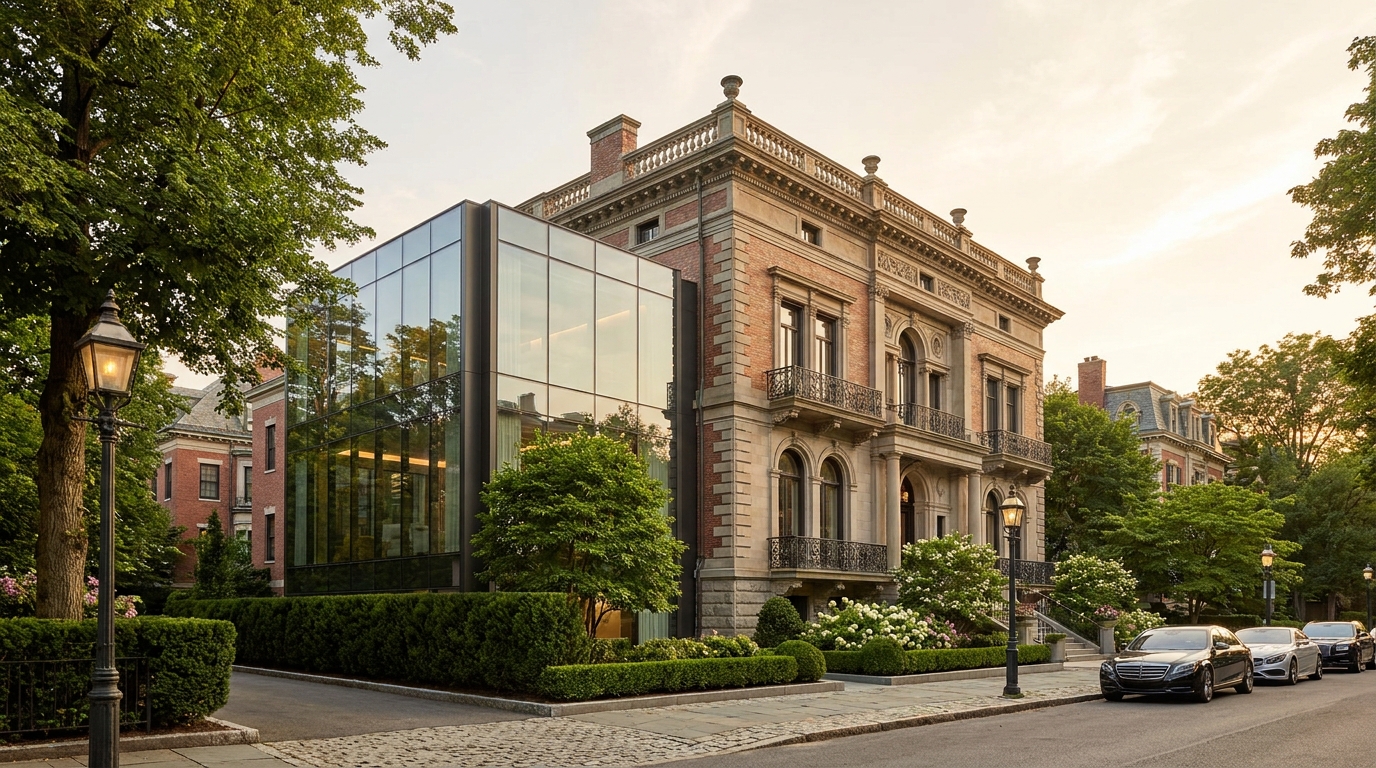
Adaptive reuse sits at the intersection of preservation and value creation. In Canada, this can be especially compelling where legacy buildings and heritage facades are repositioned for premium residential or mixed-use outcomes. CBRE Canada’s discussion of Vancouver’s former Hudson’s Bay building reflects this theme well. Investors may be able to create substantial uplift through redevelopment while preserving architectural identity.
This strategy is sophisticated because the upside often depends on approvals, construction execution, branding, and exact product-market fit. When done well, adaptive reuse can produce assets with both architectural credibility and modern functionality. When done poorly, it can trap capital in expensive complexity. Investors should approach it as a development or heavy value-add strategy, not a passive prestige play.
Branded residences and design-led luxury condominiums
Branded residences have become a major expression of design-driven luxury living. Their appeal lies in the combination of architecture, service, hospitality standards, and identity. For some buyers, a branded residence delivers the turn-key certainty of a luxury hotel with the privacy of ownership. This can create strong demand, especially among global buyers, downsizers, and those seeking low-maintenance urban luxury.
From an investment perspective, not all branded product is equal. The strength of the operator, the quality of the design team, the location, and the fee structure all matter. Still, where the brand and architecture genuinely reinforce one another, these assets can benefit from global visibility and premium positioning.

The Canadian context: opportunity with more selective demand
Canada offers compelling architectural investment opportunities, but it is not a market for casual assumptions. Major brokerage outlooks emphasize uncertainty and selective demand in the premium segment, which means investors need sharper underwriting than they might in a broad upcycle. In weaker or slower luxury conditions, the gap widens between best-in-class assets and everything else. Architecture can help a property stand apart, but only if the positioning is disciplined.
This is particularly relevant in cities with meaningful heritage stock and constrained prime neighborhoods. In those settings, architectural character can function as both a branding advantage and a barrier to entry. A preserved facade, a landmark address, or a carefully restored historic shell may offer a premium narrative that generic new product lacks. Yet that same property may come with more complicated approvals, restoration obligations, and carrying costs.
The opportunity often lies in assets that can be repositioned without destroying what makes them valuable. Investors who understand how to preserve character while updating livability may create significant upside. The mistake is assuming the highest return always comes from maximal intervention. In many cases, over-modernization reduces authenticity and weakens the very scarcity premium that justified the investment in the first place.
Valuation: how to price what is not easily comparable
One of the central challenges in architectural investing is valuation. Conventional residential underwriting relies heavily on recent comparable sales, but truly distinctive properties often have few valid comparables. A rare architect-designed residence may not trade often, and nearby sales may share neither the design pedigree nor the same level of finish. This creates both risk and opportunity.
The best approach is to value the asset through multiple lenses rather than one simplistic metric. Land value provides a baseline, especially in prime locations. Replacement cost helps assess what it would take to recreate the quality, though true provenance cannot be rebuilt. Income potential may matter for certain mixed-use or branded assets. Design pedigree, heritage protections, and neighborhood trajectory add context that pure construction math cannot capture.
Professional valuation for unique homes should also examine buyer pool depth, restoration status, carrying costs, and likely time on market. A beautiful architectural home can be overvalued if it requires extensive hidden work or if its target audience is very narrow. Conversely, a property can appear expensive against generic comparables while still being attractively priced relative to scarcity, condition, and brand value.
A disciplined underwriting framework
- Start with land and location fundamentals. However exceptional the home, prime location remains the anchor of long-term resilience.
- Assess design pedigree carefully. Verify architect attribution, awards, publication history, and provenance rather than relying on marketing language.
- Review condition in forensic detail. Distinctive materials and heritage elements can make deferred maintenance significantly more expensive.
- Understand regulatory constraints. Heritage designation, zoning rules, easements, and conservation covenants can materially affect exit options.
- Model buyer liquidity. Estimate who the likely purchaser is at resale and how many genuine substitutes they will see in the market.
- Quantify renovation or preservation risk. The difference between cosmetic updates and specialized restoration can be substantial.
- Evaluate narrative strength. In this segment, the ability to tell a credible story about the asset is part of the valuation equation.
The risks investors often underestimate
Architectural assets can outperform, but they can also underperform conventional luxury holdings if managed poorly. The biggest mistake is assuming prestige neutralizes complexity. In reality, specialized properties frequently demand more expertise across acquisition, legal review, insurance, financing, restoration, and resale marketing.
Liquidity risk is among the most important. The buyer pool for a distinctive home is often smaller than the pool for a more standardized luxury property. If the home has a strong design identity but limited practical flexibility, some affluent buyers may admire it without wanting to own it. That can extend selling timelines and introduce pricing volatility in softer markets.
Maintenance risk is equally significant. Exceptional materials, custom systems, and heritage details are expensive to repair correctly. Investors sometimes budget as if they are owning a standard house with a premium finish package. That is a category error. A landmark or architecturally significant property may require specialist trades, custom fabrication, conservation consultants, and longer lead times.
There is also financing and insurance complexity. Lenders may struggle with limited comparable sales, and insurers may price older or unusual construction conservatively. If the property has heritage designation, there may be additional obligations around replacement methods or restoration standards after damage. These factors affect both cost of capital and risk management strategy.
Common misconception: Architecturally distinctive properties do not always appreciate faster than standard luxury homes. Premiums depend on market context, condition, local demand, and the size of the qualified buyer pool.
How to add value without damaging the asset
The highest-return approach to an architectural masterpiece is often restraint. Investors who understand this category know that not every value-add opportunity involves dramatic change. In fact, many of the best outcomes come from subtle modernization, technical upgrades, and preservation-led repositioning that protect design integrity while improving functionality.
Adding value begins with identifying what the market is truly paying for. Is it the facade, the architect name, the views, the sense of privacy, the original detailing, or the complete turn-key finish? Once that core value driver is clear, capital should be deployed to reinforce it rather than compete with it. Mechanical systems, lighting, kitchen performance, wellness amenities, and discreet technology integration can often increase appeal without compromising authenticity.
Over-renovation is a recurring hazard. Investors sometimes strip away historic or design-specific elements in an effort to make the home look newer or broader in appeal. That can erase the very scarcity premium that differentiated the asset. Wealthy buyers seeking architectural distinction are not necessarily looking for a generic modern interior inserted into an old shell. They often want coherence, authenticity, and confidence in the design logic.
The most successful repositioning strategies tend to respect the property’s existing language while solving friction points that matter to contemporary buyers. This may include reworking service areas, improving indoor-outdoor access, enhancing privacy, adding spa-like bathrooms, upgrading climate systems, or creating better flow for entertaining. The objective is to elevate usability while preserving the story.
Marketing architectural real estate to wealthy buyers
A distinctive property requires a distinctive marketing strategy. Standard listing photography, generic brochure copy, and broad mass-market positioning usually fail to capture what makes an architectural asset valuable. In this niche, marketing is not a cosmetic extra. It is part of the monetization process.
Wealthy buyers respond to narrative, precision, and curation. They want to understand who designed the property, why it matters, how it lives, what materials were used, and how the architecture relates to the site and neighborhood. Strong presentation should frame the home almost as a collectible object, while still proving it functions beautifully as a residence.
This is where provenance documentation becomes useful. Original plans, architect notes, publication features, restoration records, design awards, and before-and-after preservation work can all strengthen the property’s credibility. For heritage and adaptive reuse assets, a thoughtful explanation of approvals, restoration scope, and modern systems integration can reduce buyer uncertainty and support pricing confidence.
International reach may also be important, especially for trophy homes and branded residences. The buyer who understands the asset best may not be local. Investors should assume that specialized marketing channels, high-production visual content, and advisor-to-advisor introductions are often necessary to reach the right audience.
When architectural investing works best
Architectural investing tends to work best when five variables align. The first is location quality. Great architecture in a weak or declining location may still be admired, but it is less likely to deliver strong liquidity. The second is authentic scarcity. The home should offer a level of design distinction that is difficult to reproduce. The third is condition. In today’s market, turn-key quality carries real weight because affluent buyers increasingly avoid renovation risk.
The fourth variable is story clarity. The property should have a narrative that can be easily understood and credibly defended. Buyers pay more confidently when they understand why an asset is special. The fifth is timing. Even exceptional homes can underperform if purchased at an overheated entry point or brought to market when the buyer pool is distracted, cautious, or oversupplied with alternatives.
Investors who succeed in this space are usually those who combine aesthetic judgment with financial discipline. They appreciate architecture, but they do not confuse admiration with underwriting. They examine downside scenarios, stress carrying costs, and plan exits before closing. In short, they treat the property as a specialized asset rather than a beautiful exception to investment rules.
Final take: architecture as a luxury investment edge
Architecturally significant real estate occupies a compelling corner of the luxury market because it can generate demand through something deeper than size or finish alone. It offers scarcity, design credibility, emotional resonance, and lifestyle signaling that affluent buyers often reward with stronger attention and, in the right circumstances, meaningful price premiums. When a property combines provenance, prime location, preserved condition, and move-in-ready execution, architecture can become a powerful investment edge.
But this is not a passive premium. It must be earned through due diligence, selective acquisition, careful preservation, and sophisticated positioning. Heritage constraints, restoration complexity, liquidity risk, and valuation ambiguity all require a more disciplined approach than conventional luxury investing. That is why the niche can be rewarding. The complexity deters casual capital and leaves room for informed buyers to identify assets the broader market does not fully understand.
For investors willing to operate at that level, architectural masterpieces can offer more than prestige. They can function as resilient, brand-like real estate assets that attract wealthy buyers precisely because they are difficult to replicate. In a luxury landscape increasingly driven by identity, wellness, privacy, and turn-key quality, the right architecture is not simply beautiful. It is strategic.



No Comment! Be the first one.