



Preserving Luxury Textiles: Expert Care for Silk, Velvet, Cashmere, and Fine Fabrics
Luxury textiles possess a rare ability to transform a room. A silk drape can catch the light with a quiet glow, velvet can add theatrical depth to a seating area, and cashmere can soften a space with effortless warmth. These materials do more than decorate a home. They shape atmosphere, communicate refinement, and often represent a meaningful financial investment. Whether used in upholstery, window treatments, throws, cushions, bedding, or heirloom pieces, fine fabrics deserve care that is as deliberate as their design.
Table Of Content
- Why Luxury Textiles Require a Different Standard of Care
- Begin with the Label: Why Care Instructions Still Matter
- The Golden Rule of Preservation: Control the Environment
- Cleaning Luxury Textiles Without Compromising Their Beauty
- How to Approach Spot Cleaning
- Caring for Silk
- Caring for Velvet
- Caring for Cashmere
- Storage Solutions That Protect Rather Than Suffocate
- Where to Store Luxury Textiles at Home
- Managing Pests, Dust, and Daily Wear
- When Professional Help Is the Best Preservation Choice
- Building a Maintenance Routine for Long Term Elegance
- Common Mistakes That Shorten the Life of Fine Fabrics
- Luxury Textile Preservation as a Design Philosophy
- Final Thoughts
- Quick Reference: Best Practices for Preserving Luxury Textiles
Yet sophistication in textiles is inseparable from fragility. Silk can weaken with prolonged light exposure, velvet can lose its plush structure under pressure, and cashmere can pill, stretch, or become vulnerable to moths if neglected. The deterioration of luxury fabrics is often subtle at first. Fading may appear as a gentle softening of tone, creases may seem harmless, and a delayed stain may escape notice until it has settled deeply into the fibers. By the time the problem becomes obvious, some of the damage may already be irreversible.
This is why preservation matters. The proper care of luxury textiles is not merely about cleanliness. It is about preventive conservation, environmental awareness, and intelligent daily habits. Museum and conservation guidance consistently supports a philosophy of minimal intervention, stable storage conditions, gentle handling, and professional help for fragile or valuable pieces. In the home, these principles are not only practical but deeply effective. They allow beautiful fabrics to retain their drape, color, texture, and integrity for years longer than they would under casual treatment.
In this guide, we will explore how to preserve silk, velvet, cashmere, and other fine fabrics through thoughtful cleaning methods, elegant storage solutions, and ongoing maintenance routines. We will also look at why label literacy matters, how to respond to spills, and when to step back and call a professional. The goal is simple. To protect the visual pleasure and enduring value of the textiles that make a home feel truly elevated.
The finest textiles are not sustained by aggressive cleaning, but by restraint, climate awareness, and careful handling over time.
Why Luxury Textiles Require a Different Standard of Care
Luxury fabrics are often made from natural fibers with extraordinary tactile and visual qualities. Silk offers luminosity and fluidity, velvet delivers rich pile and shadow, and cashmere brings softness with a featherlight hand. These same qualities also make them sensitive to environmental stress. Unlike more durable synthetic or utility fabrics, high end textiles may react quickly to heat, strong detergents, moisture imbalance, direct sun, and friction. Their refinement is part of what makes them vulnerable.
Conservation authorities in Canada and the United States repeatedly emphasize that textiles deteriorate under the combined pressure of light, pests, pollutants, incorrect temperature, incorrect relative humidity, and physical force. Even in beautifully designed homes, fabrics may be silently strained by window exposure, radiators, damp storage, overcrowded closets, or rough vacuum attachments. Daily life has a texture of its own, and luxury textiles absorb it all. A preservation mindset helps prevent slow cumulative damage before it becomes visible.
It is also important to see luxury textile care as a form of asset protection. High quality custom drapery, designer upholstery, artisanal bedding, and heirloom shawls can hold substantial replacement value. Some pieces also carry sentimental or collectible worth that cannot truly be measured in cost alone. Preserving them protects both their emotional resonance and their market value. This is particularly significant because light damage, dye instability, and fiber embrittlement are usually cumulative and often impossible to reverse.
For homeowners, designers, and hospitality buyers alike, preservation is not about anxiety. It is about stewardship. A well cared for textile ages with grace, developing character without losing integrity. That is the ideal relationship between luxury and longevity.
Begin with the Label: Why Care Instructions Still Matter
Before any cleaning or storage decision is made, the first and simplest step is to read the care label. Canadian consumer guidance notes that textile care labels use five core symbol groups that address washing, bleaching, drying, ironing or pressing, and professional textile care. Even though the former national care labelling standard was withdrawn in 2017, the symbol guide remains widely useful as a practical reference. For luxury textiles, understanding these symbols is a preservation skill, not a formality.
Written care instructions may appear in English or French in Canada, and some textile articles are expected to carry a permanent label that remains legible through repeated cleanings. In real terms, this means the maker has provided the first layer of protection. The label tells you whether the textile can tolerate water, heat, bleach alternatives, pressing, or dry cleaning. It may also signal that professional care is required. Ignoring the label in favor of habit is one of the most common ways beautiful materials are shortened in life.
At the same time, labels are only the beginning. A care symbol cannot always account for age, embellishment, dye instability, previous repairs, or unusual fabric construction. A silk cushion in a bright room may require more caution than its original care instructions suggest. A velvet cover with stitched details may not respond to standard cleaning methods as expected. A cashmere throw that has thinned over time may need gentler handling than when it was new. In other words, the label provides direction, while observation provides judgment.
When in doubt, it is wise to think conservatively. Minimal intervention is often the most elegant decision. If a textile is rare, antique, structurally weak, or unusually valuable, a qualified textile conservator or highly experienced specialist cleaner is the correct next step.
The Golden Rule of Preservation: Control the Environment
The most effective luxury textile care happens before cleaning is ever needed. Preventive conservation begins with the environment. Museum and institutional guidance consistently recommends cool, stable, dark storage and discourages storing textiles in basements and attics. These spaces are typically prone to moisture swings, heat buildup, and pest activity. Even when they appear tidy, they often expose fabrics to the exact fluctuations that accelerate deterioration.
Smithsonian guidance suggests textile storage around 18 to 21 degrees Celsius and roughly 40 to 50 percent relative humidity. National Park Service museum guidance similarly advises moderate temperatures and humidity near 50 percent while avoiding large fluctuations. This matters because natural fibers are hygroscopic, meaning they absorb and release moisture from the air. When humidity rises and falls dramatically, fibers expand and contract, creating stress that weakens the textile over time. Excess moisture also invites mold and can increase pest risk.
Light is another major concern, especially for silk and dyed natural fibers. Sunlight does not simply brighten a room. It slowly removes color and can break down fibers at a structural level. Ultraviolet exposure is especially damaging, but even visible light can cause cumulative fading. If luxury textiles are displayed in sunny spaces, consider lining drapery, rotating cushions and throws, using UV filtering window films, and occasionally moving vulnerable pieces into lower light settings to rest.
Air quality also deserves attention. Dust, kitchen grease, smoke, and urban pollutants settle into fibers and become abrasive over time. The cleaner the environment, the less frequently you will need to intervene. Preservation often looks deceptively simple. It is a matter of stable climate, filtered light, clean air, and calm handling. Yet these subtle choices make an extraordinary difference.
Cleaning Luxury Textiles Without Compromising Their Beauty
When people think of textile care, they often think first of cleaning. In truth, cleaning should be measured, selective, and guided by the needs of the fabric. The Canadian Conservation Institute advises that a colourfastness test should always be performed before considering wet cleaning for textile artifacts. That principle is highly relevant in domestic settings as well, especially for richly dyed silks, artisanal fabrics, and older pieces with uncertain finishing or dyes.
One of the most important misconceptions to correct is the belief that all luxury fabrics should be dry cleaned by default. Some textiles are indeed safest in professional care, but repeated dry cleaning can also introduce stress through solvents, pressing, heat, and finishing methods. Conversely, some pieces that seem washable may be harmed by water, agitation, or reshaping errors. The right method depends on fiber type, construction, embellishment, backing, dye stability, and use.
For routine home care, the most preservation friendly form of cleaning is often surface maintenance rather than washing. Light dust removal, immediate stain response, and seasonal airing can dramatically reduce the need for invasive treatment. Frequent aggressive cleaning is not a mark of good care. Often, it is the fastest route to wear. A calm, disciplined routine is better than constant intervention.
When valuable or fragile textiles are involved, especially antiques or heirlooms, conservation guidance becomes even stricter. Canadian museum notes state that machine washers, dryers, and irons should never be used on museum textiles. While household fabrics are not museum collections by default, the spirit of this advice is useful. Delicate luxury fabrics generally benefit from less heat, less pressure, less agitation, and less chemistry.
How to Approach Spot Cleaning
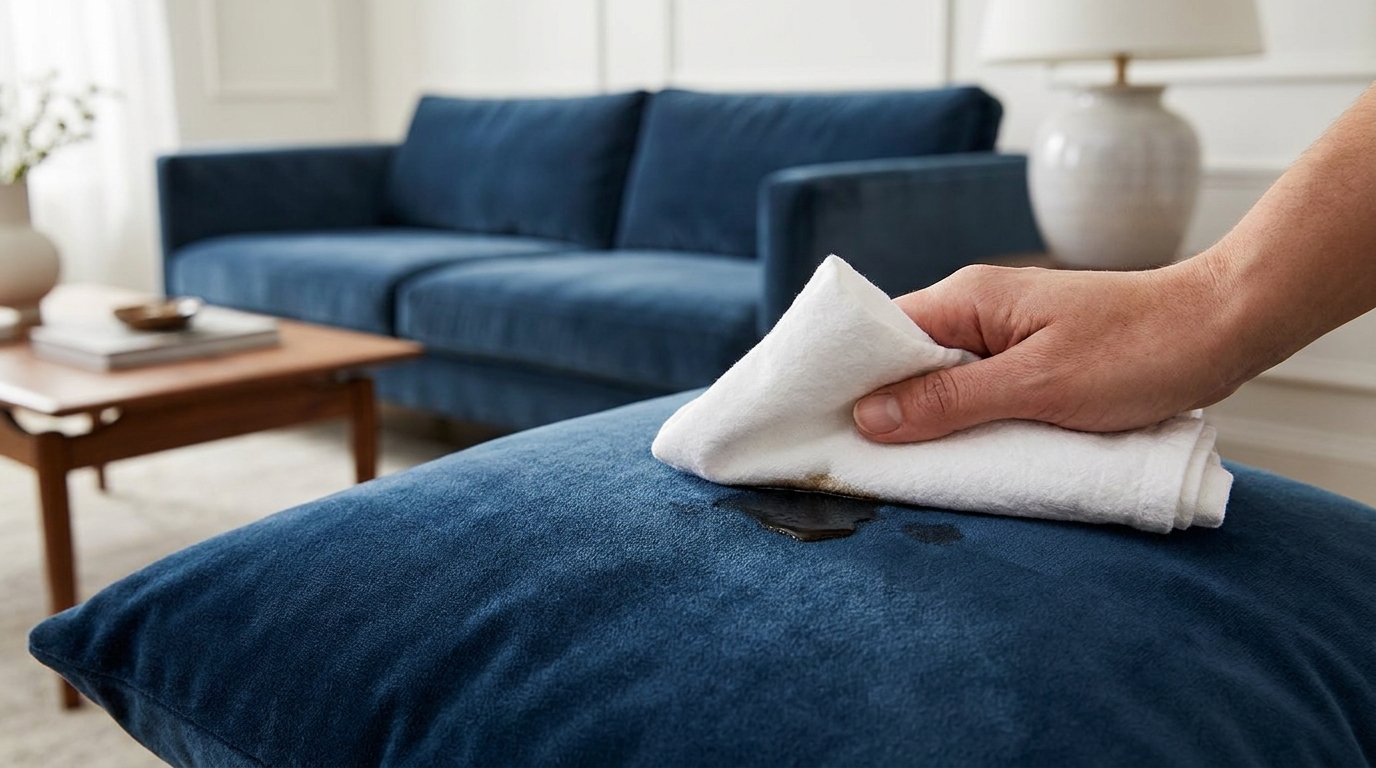
Prompt spill response is one of the most powerful preservation habits you can develop. If wine, tea, oil, or cosmetic residue lands on a fine fabric, address it immediately but gently. Use a clean white cloth to blot, never scrub. Scrubbing pushes the stain deeper into the fibers, distorts delicate weaves, and can crush pile surfaces like velvet. Blot from the outside toward the center to help contain the stain.
Avoid improvising with strong household cleaners. Bleach alternatives, stain pens, vinegar recipes, and heavy soap mixtures may sound harmless, but they can alter dyes, stiffen fibers, or create visible rings. If the textile is highly valuable or if the stain spreads quickly, it is usually wiser to stop after blotting and seek professional guidance. Preservation means knowing when not to continue.
If a care label clearly permits gentle water based treatment and the textile is colorfast, test an inconspicuous area first. Use the lightest possible touch. The aim is not to saturate the material but to reduce the spill before it sets. Then allow the fabric to dry naturally away from direct heat or sunlight. Hair dryers, radiators, and heated vents are common sources of accidental damage.
Caring for Silk
Silk is among the most elegant and most demanding luxury fibers. It reacts strongly to light, can weaken with age, and may become brittle, particularly in the case of weighted silk. Weighted silk was historically treated with metallic salts to improve drape, but over time this can leave it especially prone to splitting. Even modern silks vary widely in resilience depending on weave, finish, and dye.
For silk drapery and decorative pieces, preventive care begins with light control. Lining curtains, reducing harsh afternoon sun, and rotating display textiles can help preserve color and tensile strength. For garments and lightweight home accents, avoid over washing. If the item truly allows hand washing, use cool water, minimal agitation, and a detergent specifically intended for delicate fibers. Never wring silk. Instead, support its full weight and let moisture leave gradually.
Pressing silk requires caution. Excessive heat can leave shine marks or distort the fabric. If ironing is permitted by the label, use the lowest suitable setting, press on the reverse side if possible, and place a pressing cloth between the iron and the textile. For heirloom or delicate silk, steaming at a distance or professional finishing is usually safer than direct pressing.
Caring for Velvet
Velvet is defined by pile, and pile is easily disturbed. That is why velvet requires a preservation approach centered on avoiding compression and abrasion. Seat cushions, headboards, and drapery all age differently depending on how often the pile is crushed or rubbed. Even a stack of folded velvet stored under heavier textiles can leave lasting pressure marks.
Routine care for velvet should focus on gentle dust removal and shape preservation. A soft upholstery attachment, used with minimal pressure and following the direction of the pile, may help maintain freshness for suitable furnishings. For clothing or removable covers, hanging is often preferable to folding if the structure allows it. Padded hangers are especially useful because they reduce shoulder distortion and pressure lines.
If velvet becomes crushed, do not press it flat with a hot iron. That can permanently alter the pile. Instead, use steam very carefully without touching the iron plate directly to the surface, then allow the pile to recover naturally. In more delicate or expensive cases, seek a professional who understands pile fabrics. Velvet rewards patience. It does not respond well to force.
Caring for Cashmere
Cashmere has an intimacy that few materials can match. Its softness, warmth, and featherweight elegance make it beloved in both fashion and interiors. Yet as a fine animal fiber, it is sensitive to harsh detergents, high temperatures, and friction. Over washing can strip the fiber of its natural hand, while poor storage can attract moths or cause stretching.
Many cashmere items benefit from infrequent but careful cleaning. If washing is allowed, use cool water, a cleanser formulated for wool or cashmere, and very little agitation. Support the fabric rather than lifting it heavily when wet, since water increases its weight and can distort shape. Dry flat on a clean towel, away from direct sun and heat sources. Never hang wet cashmere, as this can stretch the knit beyond recovery.
To maintain the surface, remove pills gently with a cashmere comb or de pilling tool designed for fine fibers. Do this lightly and only when needed. Excessive grooming can thin the fabric. Between uses, cashmere benefits from rest. Alternating throws or blankets in rotation reduces wear and prolongs softness.
Storage Solutions That Protect Rather Than Suffocate
Storage is one of the great turning points in luxury textile preservation. Beautiful fabrics often survive daily use, only to deteriorate quietly in poor storage conditions. Conservation guidance consistently recommends breathable, archival quality housing over airtight plastic containment. This may seem counterintuitive, particularly in a culture that prizes sealed bins for organization. But textiles need some air movement, and trapped moisture can promote condensation, mildew, and stale odors.
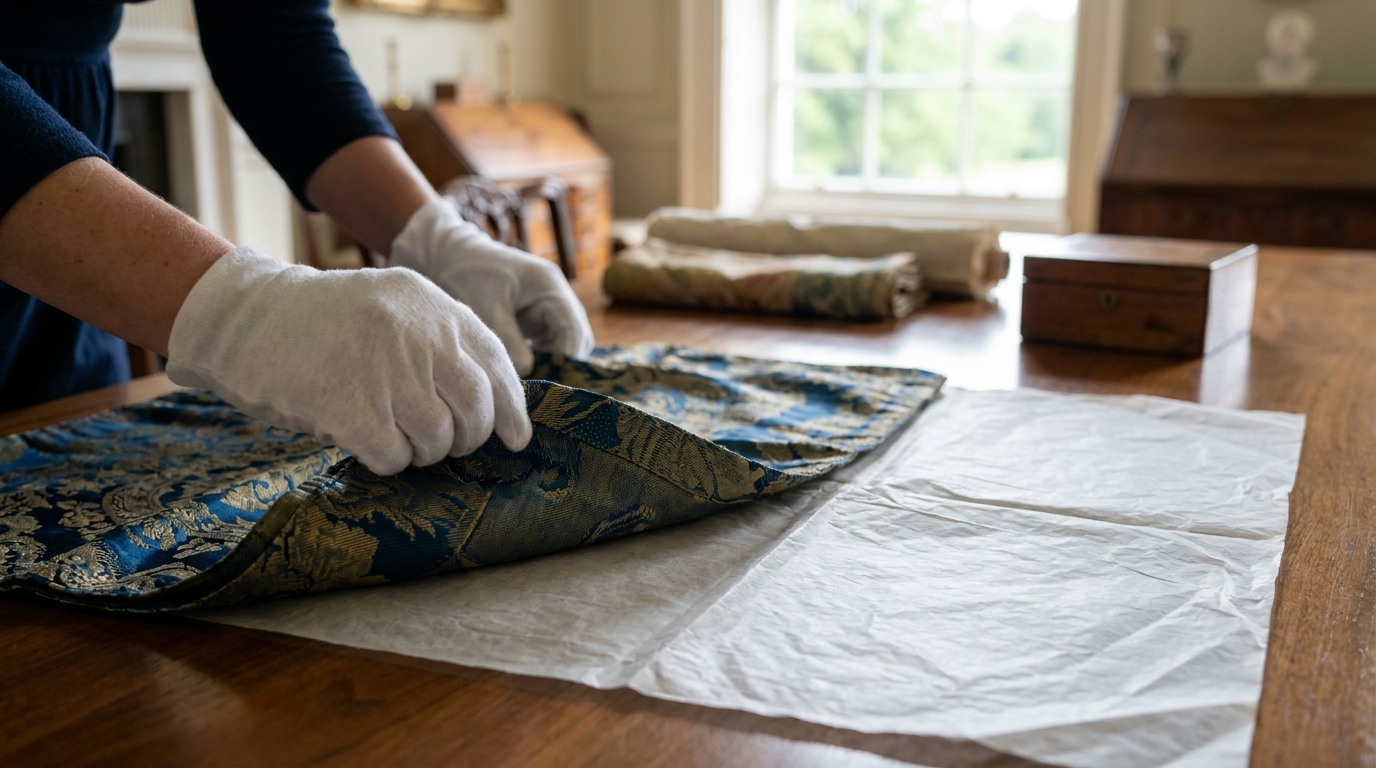
Acid free tissue, clean dust free enclosures, padded supports, and thoughtful folding techniques are among the most effective tools for home preservation. Flat textiles may benefit from rolled storage when appropriate, as rolling helps prevent deep creases that become stress lines over time. For smaller household pieces like shawls, covers, and delicate runners, interleaving folds with acid free tissue helps cushion pressure points and reduce abrasion.
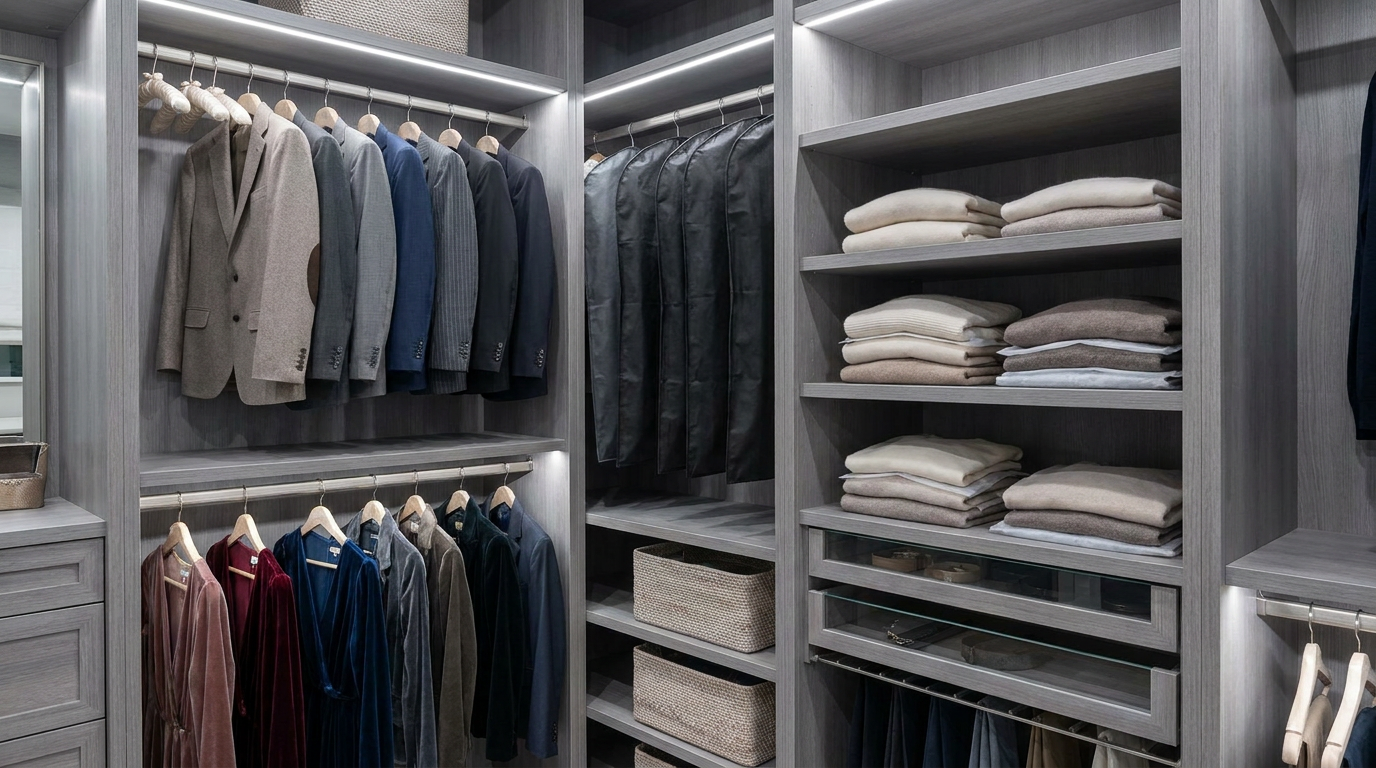
Closet storage deserves equal attention. Luxury garments and hanging textiles should be placed on padded hangers that support shape without creating sharp edges. Breathable garment bags are preferable to sealed plastic covers, especially for long term storage. Crowding is another hidden enemy. When textiles are compressed together, fibers rub, pile flattens, and air circulation declines. A little extra space is a preservation luxury worth creating.
For home interiors, seasonal rotation is remarkably effective. Store winter cashmere throws during warmer months in clean breathable containers with acid free tissue. Rotate decorative cushions away from direct light. Rest rarely used silk pieces in darkness rather than leaving them on constant display. The art of storage is not disappearance. It is restful protection.
Where to Store Luxury Textiles at Home
The best storage location is cool, dark, clean, and stable. Hall closets, interior cupboards, and climate controlled wardrobes are generally preferable to garages, attics, and basements. Attics often become excessively hot and dry, then cool rapidly at night. Basements may feel sheltered, yet they are often damp and vulnerable to mold or pests. Neither environment is kind to natural fibers.
If your home experiences humidity swings, consider discreet environmental monitoring. A simple hygrometer can reveal whether a storage area is too dry, too humid, or fluctuating excessively. This is especially useful for homeowners who collect luxury linens, heirloom textiles, or couture pieces. Preventive conservation is increasingly shaped by this sort of awareness. It is not about creating a museum in your closet, but about using small data points to support graceful care.
Keep textiles away from exterior walls if condensation is a possibility. Also avoid storing them near plumbing lines, fireplaces, heating vents, or unfiltered sunlight. Even elegant shelving can become problematic if it sits under a skylight or beside a drafty window. In luxury interiors, beauty and preservation should be designed together. Practical placement can remain visually refined.
Managing Pests, Dust, and Daily Wear
Moths, carpet beetles, dust, skin oils, and airborne particles may sound mundane beside the glamour of silk and velvet, but they are among the most common causes of textile decline. Fine animal fibers such as cashmere, wool, and some blends are especially attractive to pests when stored unclean. A textile that appears spotless may still contain body oils, perfume residue, food traces, or skin cells that invite damage over time.
The first defense is cleanliness in the surrounding environment. Vacuum floors, shelves, baseboards, and closet corners regularly. Inspect storage areas seasonally. Wash or professionally clean textiles before putting them away for long periods if the label and condition permit. Avoid perfumed sachets that might stain or transfer oils directly onto fabric. If using deterrents, keep them separate from the textile itself and monitor regularly.
Dust removal should also be gentle and appropriate to the textile. For sturdy decorative pieces, low suction vacuuming through a protective screen may be possible. For fragile items, a light professional assessment is often better than enthusiastic home handling. The guiding principle is simple. Remove what harms the textile without becoming a source of harm yourself.
When Professional Help Is the Best Preservation Choice
There is a moment in luxury textile care when skill means restraint. If a fabric is antique, embellished, severely stained, structurally weak, or emotionally irreplaceable, professional intervention is usually the wiser path. Qualified textile conservators and experienced specialist cleaners can evaluate fiber content, dye stability, previous repairs, construction methods, and risk factors that may not be visible to the eye.
Professional help is especially important if you notice splitting silk, shattered areas, bleeding dyes, mold odor, pest activity, or brittle folds that seem ready to tear. These are not situations for home experimentation. A failed treatment can reduce both aesthetic and financial value in a single afternoon. Preservation asks us to distinguish between normal upkeep and conservation level care.
When choosing a cleaner, ask specific questions. Have they handled silk velvet, couture cashmere, or historic textiles before. Do they test for colourfastness. Do they press delicate fabrics under controlled conditions. Are they willing to explain the risks of treatment rather than simply promise a result. The best professionals are usually transparent, cautious, and honest about what can and cannot be achieved.
Building a Maintenance Routine for Long Term Elegance
The most successful preservation strategy is not occasional rescue. It is routine. A calm seasonal rhythm keeps luxury textiles beautiful with less effort and lower risk. Every few months, inspect key fabrics for fading, dust, strain at seams, insect activity, and changes in hand feel. Rotate cushions and throws. Shift vulnerable items away from direct sun. Air textiles in a shaded, dry space if appropriate, allowing them to breathe without prolonged exposure.
For upholstery and drapery, schedule light maintenance before visible soiling becomes severe. For stored textiles, refold along different lines from time to time if they must remain folded, always using tissue to soften stress points. For hanging items, confirm that hangers still support shape correctly and that no overcrowding has developed. Small adjustments are often enough to prevent larger repairs.
A household textile care calendar can be helpful, especially in larger homes or design led residences with multiple fine fabric zones. Spring may be ideal for airing and inspection, summer for light management, autumn for rotating throws and seasonal storage, and winter for checking humidity in heated rooms. Maintenance need not feel clinical. It can become part of the cultivated rhythm of living beautifully.
Common Mistakes That Shorten the Life of Fine Fabrics
Many luxury textiles are damaged by good intentions. Over cleaning, over handling, and over confidence are recurring problems. The belief that hotter water cleans better, that stronger detergent means deeper purity, or that every expensive fabric belongs at the dry cleaner can lead to unnecessary wear. Fine fibers respond best to moderation.
Another common mistake is storing fabrics in airtight plastic containers or garment bags for long periods. Conservation sources caution against this because trapped moisture can lead to condensation and mildew. Similarly, folding heavy velvet or silk under stacks of other linens can compress pile and create lasting stress. Storage should cushion, not confine.
Ignoring early warning signs is equally costly. A faint musty smell, a slightly rough patch, a soft fade line near a window, or a hidden seam strain are all invitations to intervene gently before deterioration advances. Preservation is rarely dramatic. It is attentive. Those who notice small changes preserve beauty more successfully than those who wait for obvious damage.
Luxury Textile Preservation as a Design Philosophy
There is something deeply modern about caring well for beautiful things. In an era increasingly shaped by sustainability, repair, and thoughtful ownership, preserving luxury textiles is both practical and poetic. It extends the life of materials already chosen for their quality. It reduces unnecessary replacement. It honors craftsmanship, natural fibers, and the atmosphere these fabrics create in a home.
Design is often associated with acquisition, but true sophistication includes maintenance. A well preserved silk panel, a velvet sofa that still holds its depth, or a cashmere throw that remains soft after many winters tells a story of discernment. The home feels not only luxurious, but considered. This is where visual elegance meets stewardship.
For collectors, decorators, and anyone who values fine interiors, luxury textile care is less about perfection than continuity. It allows fabrics to remain alive in the spaces they enrich. Their colors stay more nuanced, their textures more expressive, and their presence more convincing. Preservation is what lets luxury endure beyond the moment of purchase.
Final Thoughts
Silk, velvet, cashmere, and other high end textiles ask for a gentler relationship than ordinary fabrics. They thrive in stable environments, respond best to informed cleaning, and rely on thoughtful storage to maintain their beauty. Labels matter, but so do observation, restraint, and the willingness to seek expert help when necessary. In every case, prevention is more effective than correction.
If there is one principle to remember, it is this. Luxury textiles are preserved not by doing more, but by doing the right things with care. Keep them away from harsh light, excessive humidity, unnecessary heat, and rough handling. Store them in breathable, clean, well supported conditions. Act quickly but gently when accidents happen. Build small rituals of attention into the life of your home.
When preserved with intelligence and grace, fine textiles reward you generously. They continue to soften rooms, catch light beautifully, and express the tactile richness that defines sophisticated interiors. Their elegance lasts longer, and so does the quiet pleasure of living among materials that have been truly cared for.
Quick Reference: Best Practices for Preserving Luxury Textiles
- Read the care label first and use symbols as your baseline for washing, drying, ironing, and professional care.
- Control light exposure by rotating textiles, using linings, and reducing direct sun where possible.
- Maintain stable conditions with moderate temperature and relative humidity, avoiding attics and basements.
- Test for colourfastness before any wet cleaning if there is uncertainty about dye stability.
- Blot spills immediately with a clean white cloth and avoid scrubbing or harsh stain removers.
- Choose breathable storage with acid free tissue, padded hangers, and clean dust free enclosures.
- Avoid airtight plastic for long term storage because trapped moisture can encourage mildew.
- Reduce cleaning frequency by prioritizing dust removal, seasonal airing, and preventive maintenance.
- Inspect regularly for pests, fading, and strain so small problems can be addressed early.
- Consult a professional for antique, fragile, stained, or high value textiles that may not tolerate home treatment.


No Comment! Be the first one.