



10 Essential Winter Prep Tips to Keep Your Home Cozy and Safe All Season
There is something undeniably comforting about winter when your home is ready for it. A warm entryway, steady heat, soft lighting, and the feeling that everything is working exactly as it should can make even the coldest day feel gentler. Winter prep is not only about avoiding problems. It is also about shaping a home that supports your daily routines, protects your family, and helps you enjoy the season instead of simply getting through it.
Table Of Content
- 1. Schedule a heating system check before the coldest weather arrives
- What to do now
- 2. Test smoke alarms and carbon monoxide alarms
- Alarm basics to remember
- 3. Seal drafts around windows and doors
- Easy ways to reduce drafts
- 4. Use curtains, rugs, and soft layers to hold warmth
- 5. Keep fireplaces, chimneys, and vents clear and maintained
- Focus on these winter checks
- 6. Practice smart and safe space heater use
- Safe space heater habits
- 7. Protect pipes before freezing temperatures hit
- 8. Adjust humidity and ventilation for a healthier indoor feel
- 9. Prepare your roof, gutters, and outdoor areas for winter weather
- Outdoor winter checklist
- 10. Build a simple winter emergency kit and household routine
- A whole-home winter mindset that really works
- Quick recap: the 10 essential winter prep tips
That matters more than many people realize. Across Canada and the United States, colder months bring higher heating use, more strain on household systems, and greater risk from fire and carbon monoxide exposure. Health Canada notes that the risk of carbon monoxide exposure indoors is greatest in colder months because homes rely more heavily on fuel-burning heating appliances. At the same time, the U.S. Department of Energy says heating can account for almost half of the average family’s winter energy bill, which means small improvements can affect both comfort and cost in a very real way.
The good news is that winterizing a home does not have to feel overwhelming or overly technical. In fact, the most effective winter prep often comes from a series of simple, thoughtful habits done before severe weather arrives. Whether you own a house, rent an apartment, or live in a townhouse with shared systems, the basics still matter. Test alarms, reduce drafts, maintain your heat source, protect your pipes, and make the spaces you use every day feel a little more sheltered and prepared.
This guide brings together ten practical, high-impact winter prep tips that can help make your home warmer, safer, and more inviting. Some are centered on maintenance, some on energy savings, and some on peace of mind. Together, they create a whole-home approach to winter living that feels grounded, doable, and genuinely worthwhile.
Winter prep works best when you think of your home as one connected system. Your heating, insulation, windows, roof, alarms, and plumbing all influence how safe and comfortable the season feels indoors.
1. Schedule a heating system check before the coldest weather arrives
Your heating system is the heart of your winter home. When it is running well, everything else feels easier. The house warms more evenly, energy use tends to be more manageable, and you are less likely to face an urgent breakdown during the first serious cold snap. Yet many people wait until something feels wrong before giving their furnace, boiler, or heat pump any attention at all.
That is one of the most common misconceptions around winter prep. A heating system should not only be addressed when it fails. Preventive annual maintenance is the smarter and often more affordable approach. A qualified technician can inspect for wear, check airflow, clean critical components, make sure the system is venting properly, and catch small issues before they become expensive midwinter emergencies.
If your home uses a heat pump, winter readiness still matters. Heat pumps have become more popular as homeowners look for efficient, electric options, but they still need seasonal maintenance to perform well in cold weather. Filters, outdoor unit clearance, thermostat settings, and general inspection all affect how comfortable the home feels during winter.
Even if you rent, do not assume this step is out of your hands. Renters can and should report any heating concerns early, ask about maintenance schedules, and keep records if a system is underperforming. Reliable heat is both a comfort issue and a basic safety issue in cold climates.
What to do now
- Book annual service for your furnace, boiler, or heat pump before peak winter demand.
- Replace or clean HVAC filters according to manufacturer guidance.
- Make sure supply vents and return vents are not blocked by furniture or rugs.
- Pay attention to unusual smells, noises, cold spots, or short cycling.
A maintained system does more than keep the temperature up. It creates steadiness. And in winter, steadiness in your home can feel like a kind of luxury.
2. Test smoke alarms and carbon monoxide alarms
If there is one winter prep task that should never be delayed, it is checking your alarms. Colder months bring increased use of furnaces, fireplaces, portable heaters, and other equipment that can raise the risk of fire and carbon monoxide problems. Health Canada states that carbon monoxide can only be detected with a CO alarm. It cannot be seen or smelled, which means people cannot rely on their senses for warning.
This is especially important because many households still hold the dangerous belief that carbon monoxide will somehow reveal itself before it becomes serious. It does not. The U.S. Consumer Product Safety Commission warns that furnaces, fireplaces, generators, and space heaters can create both fire and carbon monoxide hazards during winter. A working alarm is what turns an invisible risk into an actionable alert.
Take time to test every smoke alarm and carbon monoxide alarm in the home, replace batteries if needed, and confirm that alarms are installed where local code requires them. If you have recently moved, renovated, or changed your heating equipment, it is worth reviewing your setup. In Ontario, for example, updated carbon monoxide alarm requirements effective January 1, 2026 expand requirements for certain homes with fuel-burning appliances or attached garages. Rules vary by location, so local guidance matters.
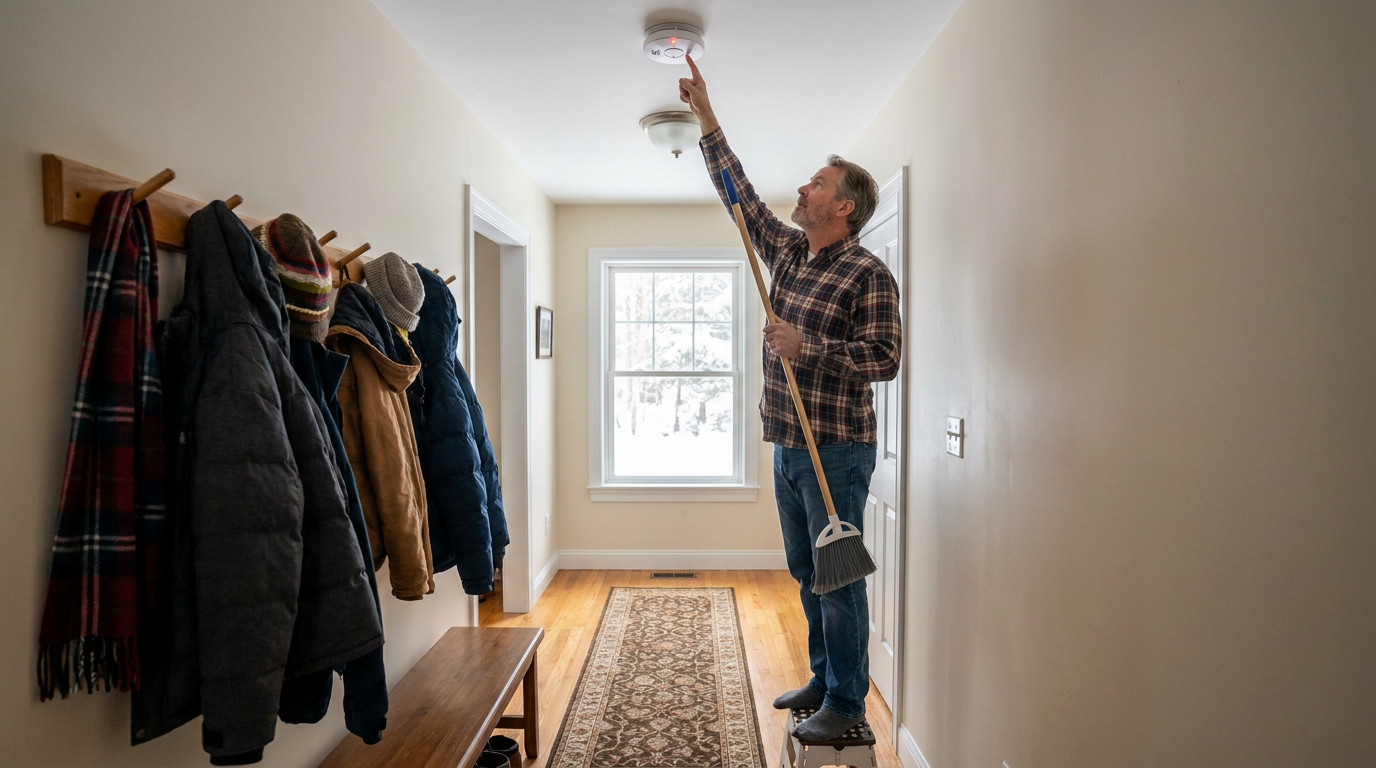
Working alarms bring a level of emotional reassurance that is hard to overstate. They help you sleep better. They support children, older adults, guests, and anyone else in your household who depends on the space being not only warm but truly protected.
Alarm basics to remember
- Test alarms monthly and replace batteries as recommended.
- Replace units at the end of their service life according to manufacturer instructions.
- Make sure every level of the home has required smoke alarms and carbon monoxide alarms.
- Never ignore chirping, fault signals, or an activated alarm.
For renters, this is still essential. If an alarm is missing, expired, or not functioning properly, notify your landlord right away and follow local tenant safety rules. Winter safety belongs to everyone in the home.
3. Seal drafts around windows and doors
One of the fastest ways to improve winter comfort is to stop warm air from slipping out and cold air from sneaking in. Drafts are often treated like a minor annoyance, but they do more than make a room feel chilly. They can drive up heating costs, make temperatures uneven from one room to the next, and in colder climates may even contribute to moisture issues or frozen-pipe risk near exterior walls.
This is where winter prep becomes wonderfully practical. You do not need a major renovation to feel a meaningful difference. Caulking, weatherstripping, draft stoppers, and simple adjustments to aging window latches or door sweeps can all help make a room feel calmer and more protected from outdoor air. The U.S. Department of Energy’s weatherization guidance consistently supports air sealing as one of the most effective ways to reduce heat loss.
Start by noticing where the home feels least comfortable. Is there a chair by the living room window that always feels colder than the rest of the room. Does the front hall seem to lose heat the minute the sun goes down. Those everyday sensory clues are often the best guide to where improvements are needed most.
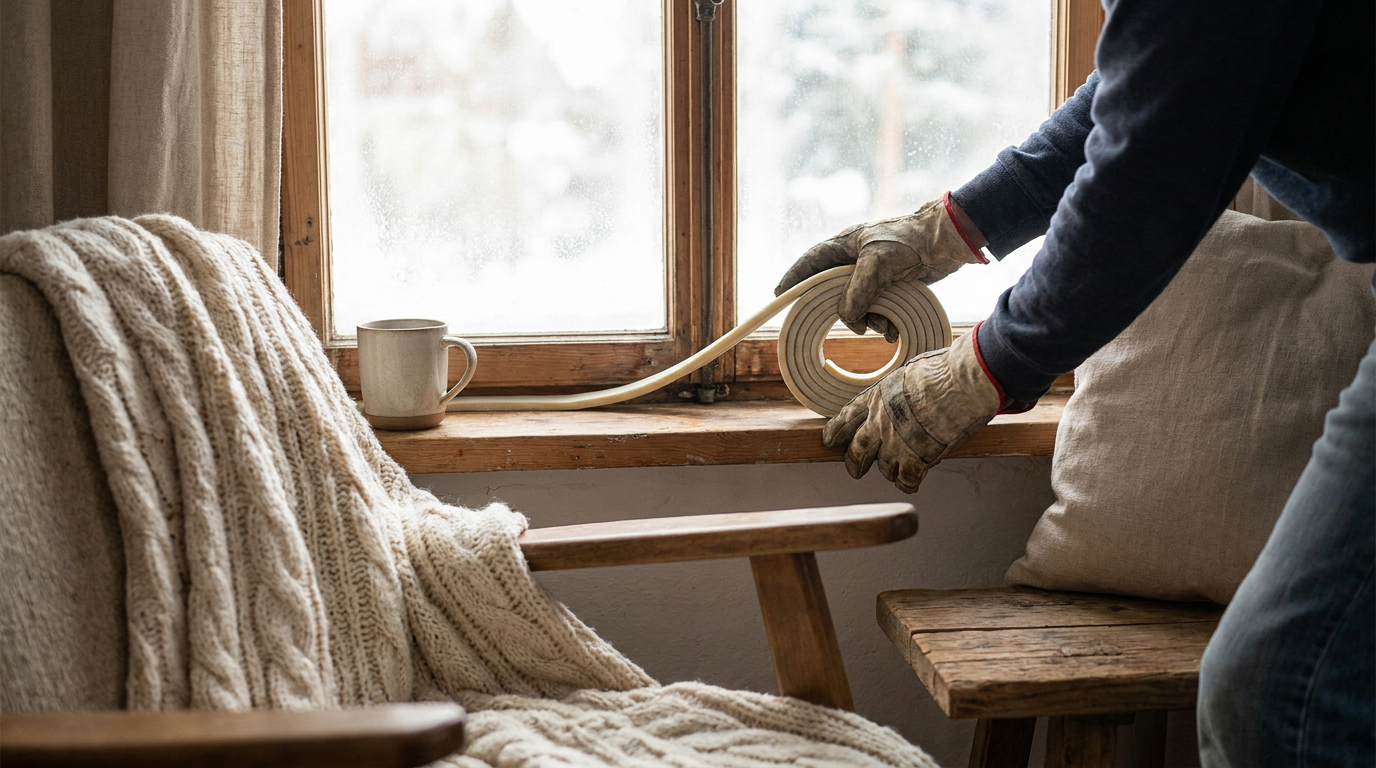
Even renters can often take gentle, reversible steps such as temporary weatherstripping, fabric draft blockers, or thermal curtains, provided they follow lease rules. The goal is not perfection. It is making the home noticeably more comfortable with manageable effort.
Easy ways to reduce drafts
- Check for visible gaps around window frames and exterior doors.
- Replace worn weatherstripping and install a door sweep where needed.
- Use caulk on appropriate stationary gaps around trim and frames.
- Add draft stoppers at doors that lead outside or to colder shared spaces.
- Close curtains at night to help limit heat loss through glass.
Small air leaks have a way of affecting the entire mood of a space. Once they are addressed, rooms tend to feel quieter, softer, and more settled, which is exactly what most people want from winter at home.
4. Use curtains, rugs, and soft layers to hold warmth
Not every winter upgrade has to happen behind the walls or inside a utility closet. Some of the most immediate comfort changes come from what you can see and feel every day. Soft furnishings can help rooms retain warmth, reduce the sensation of draftiness, and shift the emotional tone of the home toward something more enveloping and restful.
Thermal or lined curtains are especially helpful on windows that feel cold after sunset. During the day, you can open them to let in natural light and passive warmth when the sun is out. At night, closing them creates another layer between your interior and the cold glass. In bedrooms and living areas, this simple rhythm can make the home feel noticeably more protected.
Rugs also matter more in winter than people often expect. If you have hard flooring, adding area rugs can reduce that cold underfoot feeling and visually warm a space at the same time. In practical terms, they can also help soften temperature transitions in older homes where floors over crawl spaces or uninsulated areas feel especially chilly.
Blankets, cushions, bench pads near entryways, and soft textiles in reading corners are not frivolous details. They shape the experience of winter living. A well-prepared home is not only one that avoids frozen pipes and heating problems. It is one that invites people to exhale when they come through the door.
5. Keep fireplaces, chimneys, and vents clear and maintained
If your home has a fireplace, wood stove, or other vented heating appliance, winter prep should include a close look at how it is maintained and how safely it is used. Heating equipment is a major contributor to winter home fire risk. Fire safety organizations including the American Red Cross and NFPA consistently emphasize that winter months are a period of elevated heating-related fire risk, with space heaters and other heating sources playing a significant role.
Before using a fireplace or wood-burning appliance regularly, make sure the chimney or flue has been inspected and cleaned when needed. Creosote buildup, blockages, animal nests, and structural issues can interfere with safe operation. Exterior vents for furnaces, boilers, and dryers should also be checked throughout winter to ensure they remain clear of snow, ice, and debris.
This step is about more than preserving heat. Proper venting supports indoor air quality and helps reduce the risk of dangerous carbon monoxide buildup. It also helps heating systems work more efficiently. If your vents are obstructed by heavy snowfall or drifting snow, take care of that promptly and safely.
For families who love the atmosphere of a lit fire on dark winter evenings, maintenance is what allows that pleasure to remain what it should be: comforting, not risky. A beautiful ritual becomes much more enjoyable when safety is woven into it from the start.
Focus on these winter checks
- Schedule chimney inspection and cleaning as needed.
- Keep outdoor intake and exhaust vents free of snow and ice.
- Use only the fuel recommended for your appliance.
- Never burn materials not intended for fireplaces or stoves.
6. Practice smart and safe space heater use
Space heaters are common in winter because they offer quick, localized warmth in chilly bedrooms, basements, offices, and guest spaces. They can be helpful, but they are not casual appliances. NFPA research identifies space heaters as a major contributor to home heating fires, and winter safety messaging repeatedly warns that correct use matters every single time.
One of the most persistent misconceptions is that a space heater is safe as long as it looks stable and is switched on for only a short period. In reality, space heaters require clear space around them, careful placement, and active supervision. They should be kept away from bedding, curtains, upholstered furniture, clothing, and any item that could ignite. They should also be used according to manufacturer instructions and ideally plugged directly into a wall outlet rather than into an extension cord, especially for high-wattage models.
If you use a space heater in a room that tends to run cold, think of it as a temporary boost rather than a substitute for addressing the underlying problem. That room may need better insulation, improved airflow, or air sealing around a window or door. The safer and more cost-effective long-term solution is often to improve the room itself rather than rely heavily on portable heat.
There is nothing wrong with wanting one cozy corner of the house to feel extra warm on a January morning. The key is making sure the method supports comfort without increasing risk.
Safe space heater habits
- Keep at least three feet of clear space around the heater.
- Place it on a stable, level surface away from walkways.
- Turn it off when leaving the room or going to sleep.
- Choose a model with tip-over protection and overheat shutoff.
- Never use an outdoor heater indoors.
7. Protect pipes before freezing temperatures hit
Few winter home problems feel as disruptive as frozen pipes. A pipe that freezes and bursts can damage walls, floors, ceilings, and treasured belongings in a very short time. The repair itself is stressful enough, but the cleanup and disruption that follow can linger for weeks. Preventing that scenario is far easier than dealing with it after the fact.
Focus first on pipes in vulnerable areas such as basements, crawl spaces, garages, exterior walls, and under sinks located along cold perimeter walls. Insulating exposed pipes is a simple and effective first step. Pipe insulation is widely available and can help reduce the speed at which pipes lose heat in cold areas of the home.
It is also wise to disconnect outdoor hoses, shut off exterior water supplies where applicable, and drain exterior faucets before a hard freeze. Inside, keep cabinet doors open under sinks when temperatures drop sharply if those pipes sit along an exterior wall. That allows warmer indoor air to circulate around the plumbing. During severe cold snaps, letting a faucet drip slightly may also help in certain situations, though local guidance and conservation needs should be considered.
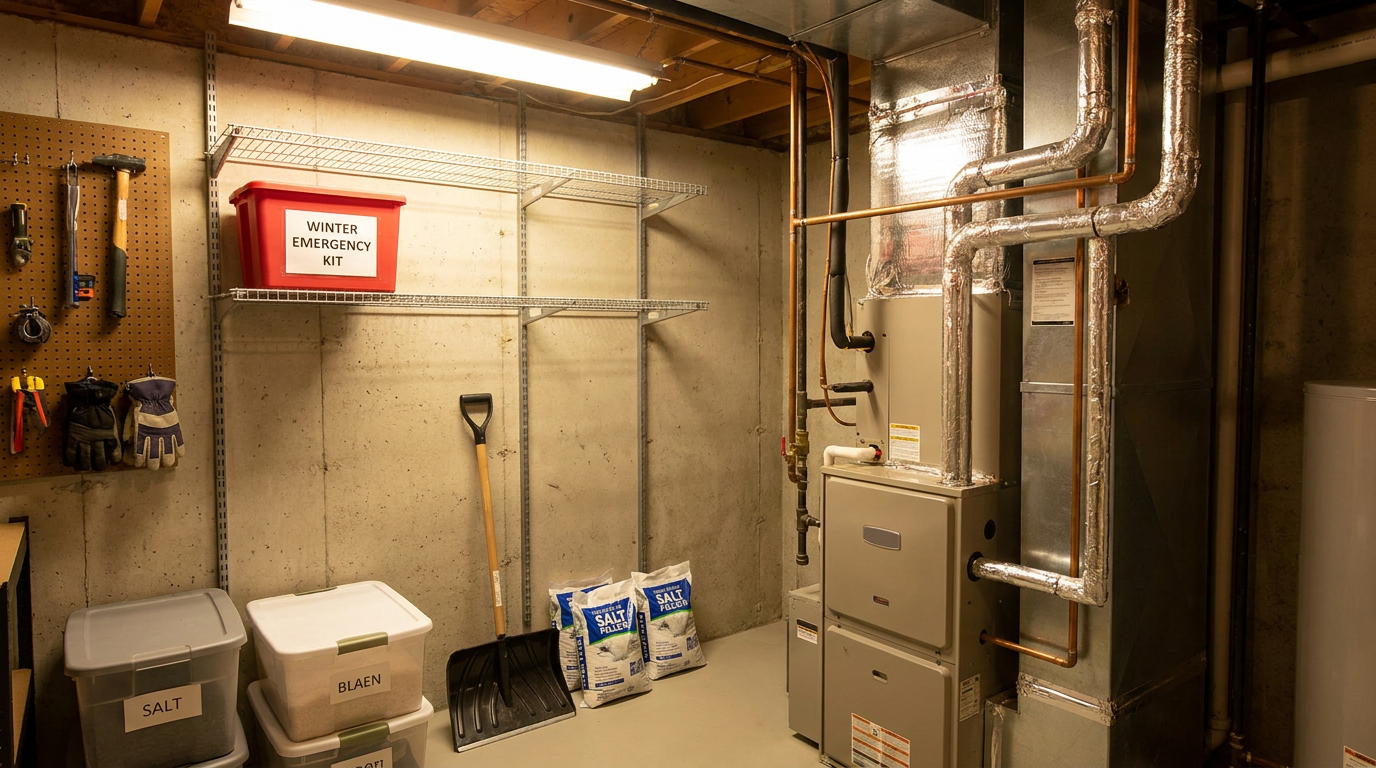
Drafts matter here too. Cold air leaks near plumbing can increase the chance of freezing, which is another reason sealing gaps is not merely a comfort project. It is protective maintenance. If you travel during winter, never set the heat so low that pipes are left vulnerable. Ask someone to check the home if you will be away during extreme weather.
8. Adjust humidity and ventilation for a healthier indoor feel
Winter air has a way of changing how a home feels, even when the temperature is technically comfortable. Skin becomes dry, static electricity seems to appear everywhere, and indoor air can start to feel stuffy from sealed windows and constant heating. This is where humidity and ventilation deserve a little more attention.
Balanced humidity can make a home feel warmer and more comfortable without actually raising the thermostat very much. It can also support wood furniture, flooring, and musical instruments that react to dry air. At the same time, too much indoor humidity can lead to condensation on windows, dampness, and mold concerns, especially in tightly closed homes during cold weather.
The goal is moderation. Use bathroom fans when showering, run kitchen ventilation when cooking, and consider a humidifier if your home becomes very dry in winter. If you use a portable humidifier, keep it clean according to the manufacturer’s directions so it remains a healthy support rather than a neglected appliance. Watch for condensation on windows as a signal that humidity may be too high.
This part of winter prep often gets overlooked because it feels less urgent than alarms or heating service. Yet indoor air comfort can strongly shape daily well-being. A home that is warm but excessively dry or poorly ventilated may still feel tiring. A home with balanced air feels gentler to live in.
9. Prepare your roof, gutters, and outdoor areas for winter weather
What happens outside your home directly affects how it performs inside. Roofs, gutters, downspouts, walkways, steps, and exterior drainage all play a role in winter safety and comfort. When these areas are neglected, the results can include leaks, ice buildup, slippery access points, and extra stress every time a storm rolls through.
Start with a visual check of the roof if it can be done safely from the ground or by a professional. Look for damaged shingles, flashing issues, or anything that may allow water in during freeze-thaw cycles. Clean gutters and downspouts so melting snow and winter rain can drain properly. Clogged drainage can contribute to ice dams and water problems that are difficult and expensive to address later.
Your front entry also deserves attention. Winter comfort begins the moment you come home, and a slippery path or poorly lit step undermines that sense of ease immediately. Make sure outdoor lighting works, handrails feel secure, and snow removal tools are easy to access before you need them. Keep sand, salt, or another suitable traction aid on hand based on your climate and surfaces.
Outdoor winter prep may not sound as cozy as throws and hot drinks, but it protects the rituals that make winter life manageable. A clear walkway, a functioning porch light, and a roof that sheds weather properly all contribute to a feeling of calm competence at home.
Outdoor winter checklist
- Clean gutters and make sure downspouts direct water away from the home.
- Inspect roof condition or schedule a professional inspection if needed.
- Store snow shovels, ice melt, and traction aids where they are easy to reach.
- Check exterior lighting at entries, walkways, and driveways.
- Trim branches that could weigh down or break under snow and ice.
10. Build a simple winter emergency kit and household routine
The final step in winter prep is less about fixing the house and more about supporting the people living in it. Storms, power outages, and sudden cold snaps can happen even in well-maintained homes. Having a few essentials ready makes those moments feel less chaotic and gives your household a plan when the weather turns inconvenient or serious.
A winter emergency kit does not need to be elaborate. Think in terms of warmth, light, communication, food, water, medications, and pet needs. Keep flashlights, extra batteries, blankets, chargers, and a basic first-aid kit in a known location. If anyone in the home relies on electrically powered medical equipment, backup planning becomes even more important. The Canadian Red Cross and similar emergency preparedness organizations consistently encourage households to be ready for at least short-term disruptions during winter weather.
This is also a good time to establish a few winter routines. Know who checks the forecast, who brings in outdoor mats to dry, who monitors the thermostat when temperatures plunge, and how your household will respond if the power goes out. If you use a generator, remember the repeated safety warnings from official agencies: never operate a generator indoors or in an attached garage. The same goes for outdoor heaters not designed for indoor use.
Preparedness has an emotional quality as much as a practical one. It makes a home feel supportive. It tells everyone inside that the season has been thought through and that care has been built into the background of daily life.
A whole-home winter mindset that really works
The most effective winter prep does not come from any single product or dramatic project. It comes from seeing the home as a connected environment and responding to the season with intention. When the heating system is maintained, alarms are tested, drafts are reduced, pipes are protected, and outdoor areas are readied for weather, each improvement strengthens the others.
That is why winterizing feels so satisfying once it is done. The rewards show up in many ways at once. Rooms feel more even in temperature. Energy use may become easier to manage. Mornings feel less harsh. The home becomes more resilient to storms, cold snaps, and the ordinary demands of winter life. Most importantly, the people inside feel more at ease.
If you are short on time, start with the essentials that protect health and safety first. Schedule heating maintenance, test smoke and carbon monoxide alarms, and review safe heater use. Then move into comfort and efficiency improvements like sealing drafts, insulating pipes, and adding soft thermal layers to the spaces you use most. Even one productive weekend can noticeably change how your home carries you through the season.
Winter prep is an act of care. It protects your home, supports your routines, and helps create the kind of atmosphere that makes cold months feel grounding rather than draining.
Quick recap: the 10 essential winter prep tips
- Schedule a heating system check before winter peaks.
- Test smoke alarms and carbon monoxide alarms.
- Seal drafts around windows and doors.
- Use curtains, rugs, and soft layers to hold warmth.
- Keep fireplaces, chimneys, and vents clear and maintained.
- Practice safe and limited space heater use.
- Protect pipes from freezing temperatures.
- Adjust humidity and ventilation for healthier indoor comfort.
- Prepare your roof, gutters, and outdoor access areas.
- Build a simple winter emergency kit and routine.
There is no perfect winter-ready home. There is only the home that has been cared for thoughtfully enough to feel safe, warm, and welcoming in real life. That is the standard worth aiming for. And with these ten steps, it is one that feels entirely within reach.


No Comment! Be the first one.