
Rate Hikes and Cold Feet: What the GTA Standoff Means for Buyers and Investors
Every market cycle produces a moment where both sides of the negotiating table go quiet at once. The Greater Toronto Area is living through exactly that moment right now. Buyers are hesitant to table an offer, sellers are reluctant to counter, and the Bank of Canada just gave both sides another reason to hesitate by lifting its key rate to 2.5 per cent from 2.25 per cent at the end of October.
For investors, this kind of standoff is not noise to wait out. It is signal. When negotiation volume drops but deals still close roughly 80 per cent of the time once an offer is actually put on paper, as one GTA broker has observed, the opportunity is not disappearing. It is simply shifting toward whoever is still willing to formalize a position while everyone else freezes.
The rate move itself deserves a strategic read rather than a reactive one. This was the Bank of Canada’s first hike since last year, and macro strategists have noted that policymakers are now more worried about inflation than about growth, even as the pace of any further increases remains highly dependent on incoming data. That is a meaningfully different signal than a sustained tightening cycle, and it matters for how an investor sizes risk on a purchase right now versus three months from now.
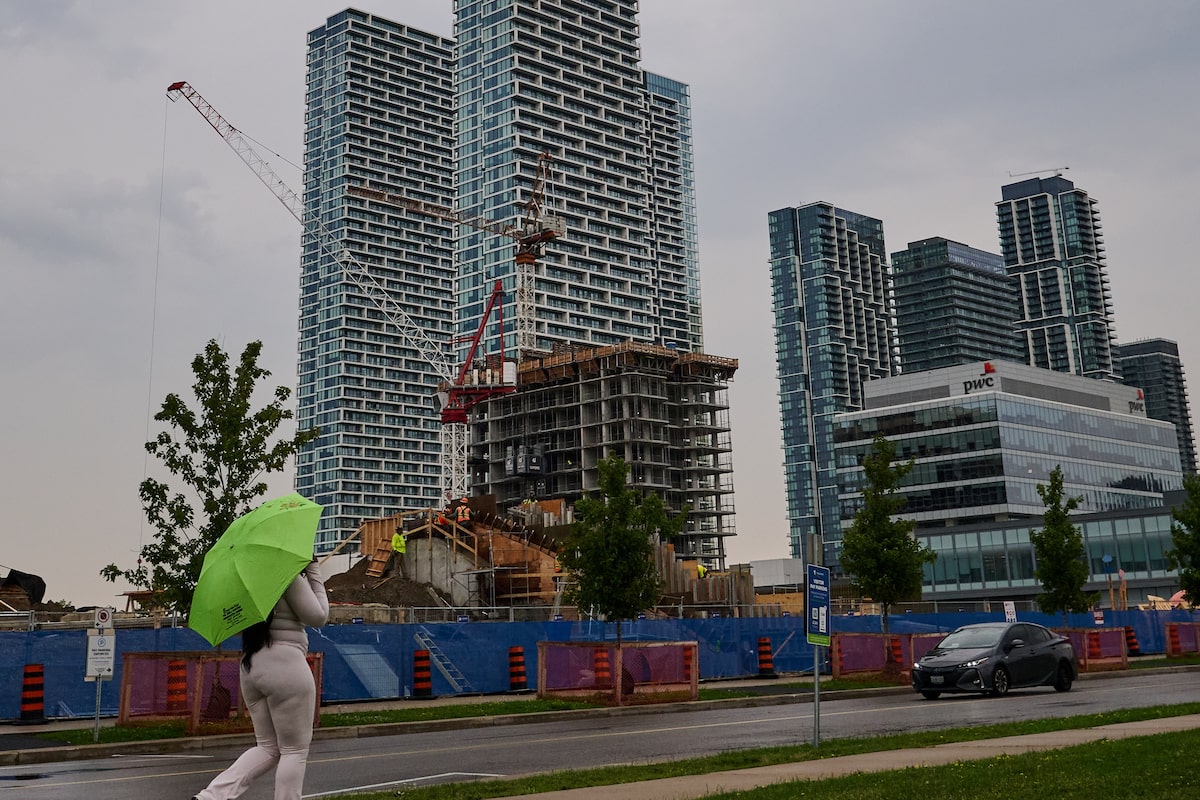
What stands out most to me is the behaviour at the upper end of the move-up market. Owners sitting on equity from before the price correction are actively shopping listings with price reductions starting at $300,000, using the pullback as leverage to trade into better properties. That is textbook opportunistic positioning, and it is a reminder that corrections do not punish every buyer equally. They punish indecision.
It’s not an offer if you don’t put it on paper.
On the financing side, the spread between variable rates sitting just below 4 per cent and fixed terms just below 5 per cent is doing real work in qualification outcomes. A near full percentage point gap can be the difference between passing or failing the mortgage stress test, which still requires borrowers to qualify at 5.25 per cent or the contract rate plus 2 per cent, whichever is higher. For leveraged buyers, that spread is not a footnote. It is the mechanism deciding who gets into the market this quarter and who gets pushed to the sidelines.
My read for readers positioning capital in the GTA right now: uncertainty at the negotiating table tends to create mispriced opportunity for those with financing already lined up and the discipline to counter rather than walk away. Sellers who refuse to counter are handing the advantage to the next buyer who shows up with paper in hand. In a market this jumpy, patience paired with preparation is the actual edge, not timing the absolute bottom.
Source: The Globe and Mail