
Toronto’s Garden Suite Boom Tests the Limits of As-of-Right Density
Every housing strategy eventually meets its backyard, literally. In Toronto’s Danforth-Greenwood neighbourhood, a two-storey garden suite built under the city’s streamlined 2022 planning rules has become a flashpoint for one of development’s oldest tensions: how do you add supply quickly without losing the public’s trust in the process?
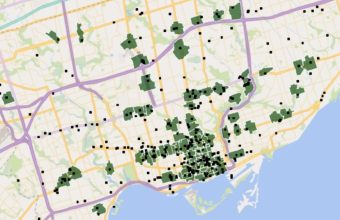
The mechanics here matter more than the backyard drama. Before 2022, a garden suite typically required a rezoning application, which meant notice, hearings, and a chance for neighbours to weigh in. Toronto removed that step for most garden suites, replacing it with a straightforward building permit process. No variance, no public input required. That single policy change is why a homeowner could leave for a one-week vacation and come back to find a six-metre structure where her sightline used to be. From a supply standpoint, the rule is working exactly as intended. The city went from 34 garden suite permits in its first year to 361 by 2025, with 627 units built and another 755 under construction. That is meaningful gentle density added without the cost or delay of traditional rezoning.
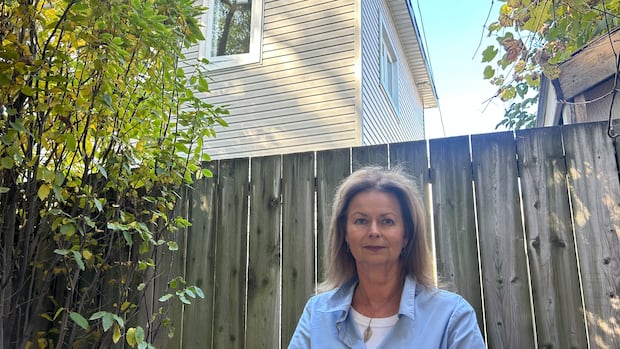
But every development strategy has a second ledger, and this is where it shows up. Residents like Sandy Chambers and her neighbour Rosanna Manarin are not objecting to density in the abstract. They are objecting to a process that gave them zero say before a structure permanently changed their light, privacy, and yard use. Chambers has turned her frustration into an organized campaign, lawn signs and a petition included, pushing the city to cap garden suites at one storey as-of-right. That is a policy ask any land strategist should take seriously, because it is really a request to rebalance speed against predictability.
There is a market signal worth watching too. Real estate broker Justin Bregman, quoted in the original reporting, says buyers increasingly see light-blocking garden suites as a resale liability. If that sentiment spreads, it becomes a feedback loop that shapes future intensification, where homeowners start resisting any as-of-right density near their own property lines, regardless of its merits citywide. That is the quiet risk in gentle infill policy: short-term efficiency gains can erode the long-term political appetite for the very density cities need.
Development is never just about land. It is about timing, access, infrastructure, policy, demand, and the future identity of a community.
City staff maintain that privacy concerns alone cannot justify withholding a permit when a project meets the building code, and legally they are correct. Canadian property law has never guaranteed backyard privacy. But feasibility and legality are not the same question as durability. Policies that generate volume without a release valve for neighbour concerns tend to invite exactly the kind of grassroots pushback now surfacing in East York. Toronto does not need to abandon as-of-right garden suites to fix this. A height or massing threshold that triggers minimal neighbour notice, for instance, could preserve most of the speed while reducing the surprise factor that is fuelling this backlash. Supply targets and community trust are not opposing goals. They just need a planning framework built to hold both at once.
Source: CBC News, “Garden suite built under new Toronto city planning rules upsets neighbours”