



Glass used to be treated as a simple finish material. It provided views, daylight, and a clean modern look, but from a construction standpoint it was often one of the weakest parts of the building envelope. That has changed in a big way. Today, glass is a performance material, and in many projects it plays a direct role in energy use, occupant comfort, code compliance, and long term operating cost.
Table Of Content
- Why Glass Has Become a Serious Building Performance Issue
- The Baseline Technologies That Still Matter Most
- Low-e Coatings
- Insulated Glazing Units and Better Assemblies
- Dynamic Glass Is Moving From Specialty Product to Practical Tool
- What Dynamic Glass Does Well
- Vacuum Insulated Glazing Could Change Retrofit Work
- Thermochromic, Aerogel, and Photovoltaic Glass Are Expanding the Field
- Glass Performance Is About the Whole Envelope, Not Just the Pane
- Metrics That Matter in Real Selection
- Certification, Labeling, and Testing Are Now Part of the Practical Story
- Where Innovative Glass Makes the Most Sense in Real Projects
- Common Misconceptions That Lead to Bad Decisions
- What to Ask Before Specifying Advanced Glass
- The Direction of the Market
- Conclusion
That shift matters because windows have an outsized effect on how buildings actually perform. According to the U.S. Department of Energy, windows are responsible for about 10 percent of building energy use in the United States and influence end uses that make up more than 40 percent of total building energy use. When you look at heating, cooling, glare, daylighting, and peak electrical demand together, it becomes clear that advanced glass is no longer just a design upgrade. It is a practical construction decision with measurable consequences.
For owners and builders, the real question is not whether innovative glass matters. The question is which technologies are mature enough to trust, where they make the most sense, and what has to be done on the design and installation side to get the promised performance. Some products are already standard on high quality projects. Others are moving from research into real world use, especially in commercial work and energy focused retrofits.
This article takes a grounded look at the glass technologies shaping construction today. We will cover what is already proven, what is emerging, and what people often get wrong when they talk about energy efficient glazing. The goal is simple. If you are planning a building or evaluating materials, you should finish this with a clearer sense of what modern glass can do and what it still depends on.
Why Glass Has Become a Serious Building Performance Issue
In practical construction terms, windows sit at the intersection of several competing goals. You want daylight, but not glare. You want views, but not excess heat gain in summer. You want winter insulation, but not a bulky assembly that complicates the facade. You want a clean appearance, but also durability, condensation resistance, and code compliant safety performance. Glass has to answer all of those demands at once.
That is why the conversation has moved well beyond simple clear panes. Modern projects now evaluate windows through measurable performance metrics such as U-factor, solar heat gain coefficient, and visible transmittance. In Canada, Natural Resources Canada uses U-factor and solar heat gain coefficient as core indicators, with a lower U-factor meaning better insulating performance. Those numbers matter because they help teams match glazing choices to climate, building orientation, and occupancy patterns instead of guessing based on appearance or price alone.
There is also a broader sustainability reason for this shift. Building decarbonization is not just about efficient mechanical systems or better insulation in walls and roofs. If a building has poor glazing, the HVAC system has to work harder, perimeter comfort becomes inconsistent, and peak cooling loads go up. That means larger equipment, more energy use, and more money spent over the life of the building.
In other words, glass performance is now tied to the real operating behavior of the building. It affects first cost, long term cost, comfort, and environmental impact. That makes it one of the most practical places to look for better results.
The Baseline Technologies That Still Matter Most
When people hear the phrase innovative glass technologies, they often think first of futuristic smart glass that changes tint on command. That technology is real and important, but most of the performance gains in today’s buildings still come from a few well established systems used correctly. The biggest improvements are often achieved through better versions of standard window construction rather than exotic products.
The U.S. Department of Energy notes that virtually all new efficient buildings use double or triple glazing. That is not flashy, but it tells you something important. The market has already decided that single pane glass is not good enough for serious energy performance in most climates. From there, the main improvements come from low emissivity coatings, insulated glazing units, better spacers, gas fills, and thermally broken frames.
These systems work because they deal directly with the main sources of window related energy loss. They slow conductive heat transfer, reduce radiant heat flow, and help control unwanted solar gain. They also support better indoor comfort near the facade, which matters in offices, schools, hospitals, and homes where people sit close to windows for long periods.
If you get these fundamentals right, you already have a high performing glazing package. If you ignore them and chase newer technology without solving the basics, the project usually ends up overcomplicated and underperforming.
Low-e Coatings
Low emissivity, usually shortened to low-e, is one of the most important glass advances in routine construction. A low-e coating is a microscopically thin layer applied to glass that reflects infrared energy while still allowing visible light to pass through. In plain terms, it helps keep heat where you want it. In cold weather that means retaining interior heat. In warm weather it can mean rejecting some solar heat from outside.
DOE states that low-e windows can reduce energy loss by as much as 30 percent to 50 percent compared with regular windows. That is a substantial improvement from a technology that is now widely available and fairly well understood by manufacturers and installers. It is one of the clearest examples of an innovation becoming standard practice because the value is practical, repeatable, and measurable.
Low-e is not one size fits all, though. Different coatings are tuned for different climates and performance priorities. A project in a cold northern climate may want more passive solar gain on certain elevations, while a cooling dominated building in a hot climate may prioritize solar control. This is where teams need to stop thinking of glass as generic and start treating it like any other engineered assembly.
Used correctly, low-e coatings improve energy efficiency without sacrificing daylight. Used carelessly, they can still leave a building with too much heat gain on one facade or not enough winter benefit on another. The product is strong, but it still has to be chosen intelligently.
Insulated Glazing Units and Better Assemblies
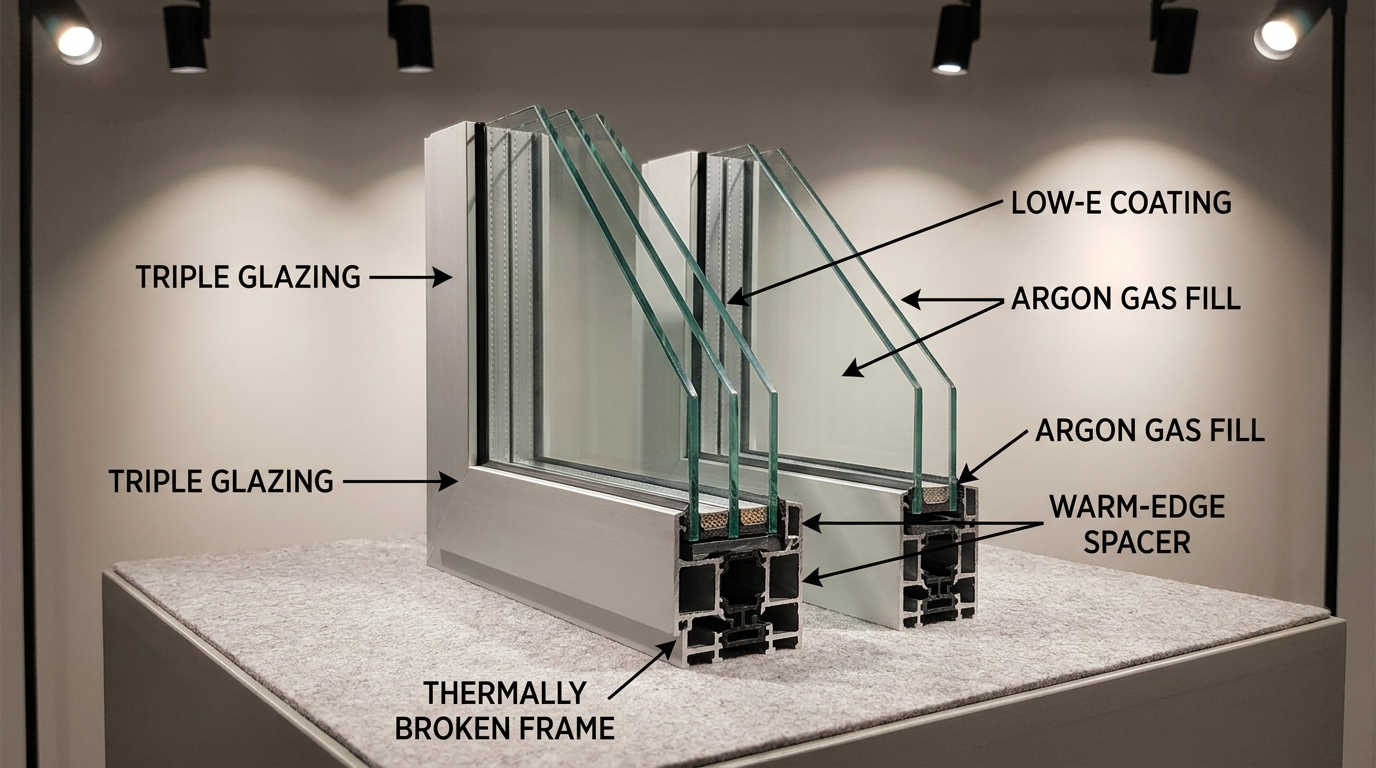
Most efficient windows today are built around insulated glazing units, or IGUs. These combine two or three panes of glass separated by sealed spaces that are often filled with inert gases such as argon. The goal is to increase resistance to heat transfer while maintaining clarity and structural performance. In colder climates and high performance projects, triple pane assemblies are now common, especially where comfort and energy savings justify the added weight and cost.
Still, more panes are not automatically better in every case. This is one of the most common misconceptions in glazing discussions. There are projects where a well designed double pane low-e unit performs more appropriately than a heavier or more expensive triple pane unit. Climate, facade orientation, frame quality, shading conditions, and budget all matter. A product that is ideal for a passive house in one region may not be the most balanced choice for a mixed climate commercial building elsewhere.
Another detail that often gets overlooked is the spacer and edge condition. Heat loss tends to concentrate around the perimeter of glass units, so warm edge spacers and improved edge design can help reduce thermal bridging and condensation risk. This may sound like a small detail, but on a real building envelope, edge performance and seal durability can make the difference between a window that performs for decades and one that develops problems early.
Frame design is just as important. A premium glass unit in a poor frame will not deliver its full value. Thermally broken aluminum frames, high performance composite frames, and better gasket systems are all part of the modern window package. The glass gets most of the attention, but the assembly is what determines field performance.
Dynamic Glass Is Moving From Specialty Product to Practical Tool
One of the most talked about developments in advanced glazing is dynamic glass. This is glass that can change its light and heat transmission characteristics in response to environmental conditions or user control. The point is not novelty. The point is to actively manage solar gain, glare, and daylight without relying as heavily on blinds or shades that block views and are often left in the wrong position all day.
Among dynamic glazing types, electrochromic glass is the most established. DOE describes electrochromic windows as the most technologically mature dynamic glazing formulation, and the National Renewable Energy Laboratory notes that these systems are already installed in buildings across the country. That means this is no longer just a prototype story. It is a real market category with actual building case use.
In operation, electrochromic glazing changes tint when a small electrical charge is applied. This allows the building to darken glass during periods of intense sun and increase transparency when daylight is beneficial. In theory that sounds simple, but in practice it can have a major effect on cooling loads and occupant satisfaction. In office buildings especially, it can reduce glare on screens and improve daylight distribution while keeping views open.
The practical value of dynamic glass shows up most clearly on facades with strong solar exposure and high expectations for interior comfort. South and west elevations, large curtain walls, healthcare spaces, and premium office environments are common examples. These are the places where unmanaged sun can create hot spots, discomfort, and repetitive occupant complaints.

What Dynamic Glass Does Well
The strongest argument for electrochromic glass is that it helps a building respond to changing conditions throughout the day. Static glazing has to be optimized around average conditions, which means it is always a compromise. Dynamic glass can shift as sunlight changes, reducing peak solar heat gain when needed and preserving daylight at other times. That flexibility can improve both energy performance and user comfort.
There is also a design benefit. Traditional glare control often depends on blinds, shades, frit, or external shading devices. Those tools still have their place, but they can limit views, complicate facade design, or add maintenance issues. Dynamic glass can reduce dependence on those measures in some buildings, though it does not eliminate the need for good orientation and shading strategy.
Another sign that the category is maturing is the existence of durability standards. ASTM E2953 covers accelerated aging performance evaluation for electrochromic devices in sealed insulating glass units. That might sound technical, but it matters because it shows the industry has moved beyond concept demonstrations and into the practical questions contractors and owners actually care about, such as service life, sealing performance, and certification.
That said, dynamic glass is not a universal answer. It adds cost, requires controls integration, and performs best when the design team understands how the system will be used. If the controls are poorly commissioned or the building operation is not aligned with the facade strategy, the promised value can be reduced. Like any advanced system, it rewards disciplined execution.
Vacuum Insulated Glazing Could Change Retrofit Work
If there is one emerging glass technology with especially strong practical potential, it is vacuum insulated glazing, often called VIG. This product creates high thermal resistance by using a vacuum space between panes, reducing heat transfer in a much thinner profile than many conventional multi pane units. That matters because the depth and weight of triple glazing can become a problem, especially in renovation work.
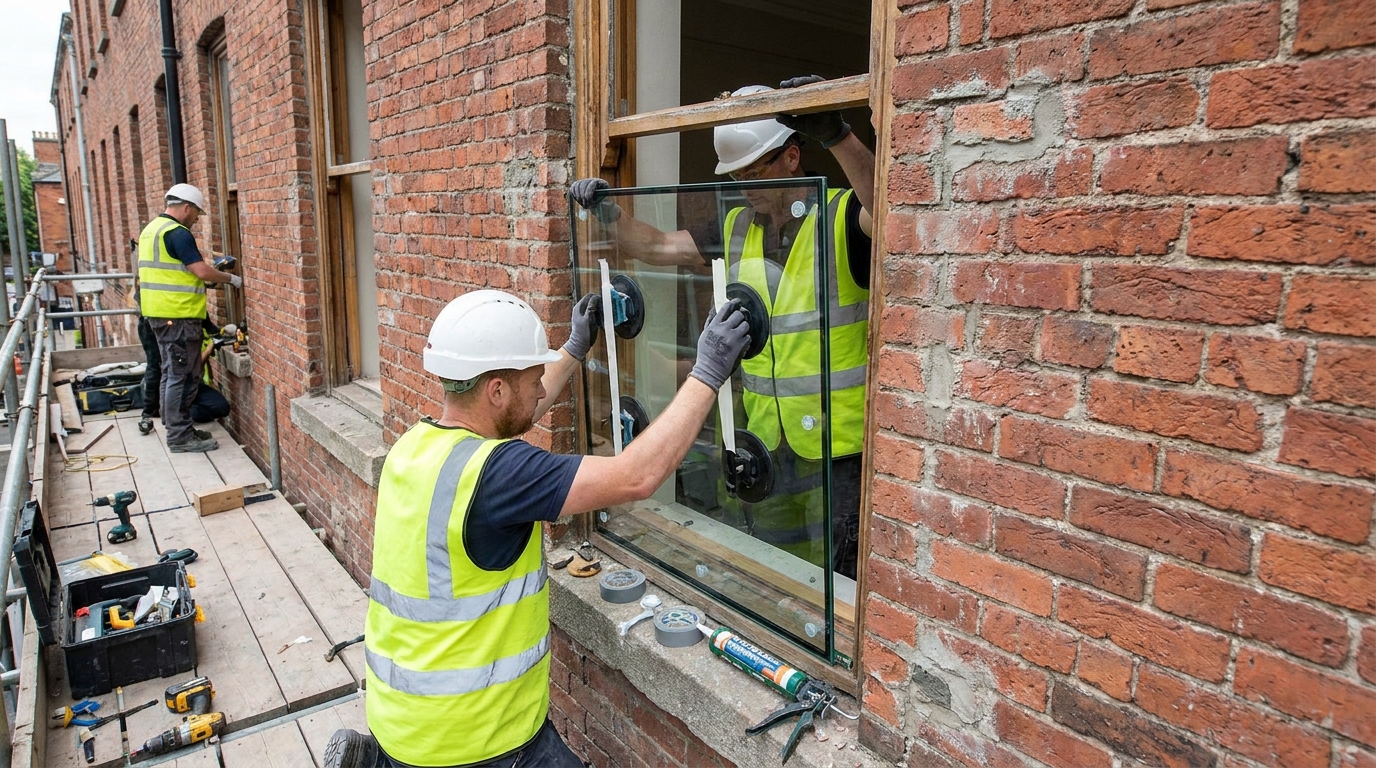
In older buildings, you often do not have the luxury of redesigning the entire wall system around a deep modern window assembly. Historic facades, existing frames, masonry openings, and structural limits can all restrict what can be installed. VIG offers a possible path to stronger thermal performance where space is limited and preserving the existing appearance is important.
Standardization is also moving forward. ISO 19916-1:2018 provides product specifications and evaluation methods for vacuum insulating glass, covering thermal and sound insulating performance. That matters because serious adoption depends on more than lab performance. Builders, specifiers, and code officials need recognized ways to evaluate and compare products.
For North American retrofit markets, this is especially relevant. A lot of building stock needs energy upgrades, but full window replacement is not always practical or welcome. Where weight, profile depth, or architectural preservation limit options, vacuum insulated glazing could become a very useful tool. It is not yet as routine as low-e IGUs, but it is one of the most promising developments for difficult retrofit conditions.
Thermochromic, Aerogel, and Photovoltaic Glass Are Expanding the Field
Beyond today’s mainstream products, several advanced glazing categories are pushing the market forward. Some are still developing, some are entering niche applications, and some may become much more common as manufacturing improves and energy codes tighten. The main point is that the innovation pipeline is active, and it is focused on real envelope performance rather than cosmetic novelty.
Thermochromic glass changes its properties in response to temperature rather than electrical control. This can help a window respond passively to heat build up. NREL has reported that perovskite based thermochromic windows can reduce energy loads and carbon emissions across U.S. climate zones. That is encouraging because passive control systems can be attractive where owners want performance gains without more complex control infrastructure.
Aerogel glazing is another area drawing attention. Aerogels are ultra low density materials with strong insulating characteristics, and DOE’s GLASING program has specifically targeted aerogels, vacuum insulated glazing, and related technologies to improve thermal resistance in both new and existing buildings. In practical terms, the appeal is simple. If these systems can increase insulation while preserving enough daylight and durability, they could help solve some of the long standing weaknesses of glazed facades.
Photovoltaic glazing adds another layer to the conversation by turning parts of the building envelope into energy producing surfaces. This is still a more selective strategy than standard low-e windows, but it fits the larger push toward grid interactive and low carbon buildings. In the right project, especially where design goals and facade exposure line up, photovoltaic glass could support on site energy generation without requiring separate roof mounted arrays alone.
These technologies are important to watch, but they need the same practical scrutiny as any other construction product. Durability, replacement cost, optical quality, installation requirements, and supply chain maturity all matter. The idea may be strong, but if the field support is weak or the service life is uncertain, adoption will remain limited.
Glass Performance Is About the Whole Envelope, Not Just the Pane
One of the biggest mistakes in glazing decisions is treating the glass itself as the whole story. In reality, field performance depends on the full assembly and how it fits into the building envelope. That includes frame design, anchoring, seal continuity, flashing, air barrier transitions, thermal breaks, and installation quality. A high spec product can underperform badly when those basics are sloppy.
This is why the idea that glass is inherently inefficient is misleading. Poor windows are inefficient. Single glazing, weak framing, edge losses, air leakage, and poor installation create most of the problems people associate with glass. Modern glazing systems are much better than the old stereotype, but they still need proper detailing and climate appropriate selection to deliver.
It also explains why energy savings are not guaranteed by the product label alone. NREL emphasizes that real world savings depend on sustained long term performance and durability. A window that tests well in a lab but loses seal integrity, develops control issues, or performs badly due to poor placement in the facade will not deliver the results the owner expects.
Good teams look at orientation, shading, occupancy schedule, mechanical design, and maintenance capability together. They understand that a window on a shaded north side does not face the same demands as one on an exposed west facade. They also understand that the highest rated product on paper is not always the best value if it is over specified for the use case.
Metrics That Matter in Real Selection
When comparing glazing systems, a few performance metrics come up again and again. These are not just marketing numbers. They are practical tools for deciding what belongs on the project.
- U-factor measures how much heat transfers through the window. Lower numbers mean better insulation.
- Solar heat gain coefficient or SHGC measures how much solar radiation the window admits. Lower SHGC reduces solar heat gain, which is often important in cooling dominated conditions.
- Visible transmittance or VT describes how much visible light passes through the glazing. This affects daylighting quality.
- Air leakage matters because a well insulated unit can still perform poorly if the assembly leaks.
- Condensation resistance is important for occupant comfort, durability, and indoor air quality around window assemblies.
These numbers need context. A very low SHGC may be useful on one facade and too restrictive on another. A low U-factor is generally beneficial, but weight, cost, and daylight tradeoffs still have to be considered. Good selection is about balancing metrics, not chasing a single best number.
Certification, Labeling, and Testing Are Now Part of the Practical Story
Advanced glazing is increasingly a documentation issue as much as a design issue. In Canada, NRCan’s ENERGY STAR fenestration guidance requires products to meet labeling and performance documentation requirements, and some products are tested using NFRC methods. That points to a larger trend across North America. Window performance has to be measured, reported, and compared in standardized ways.
This is good for the market because it moves the conversation away from vague claims. Builders and owners need verified performance data, especially as codes become stricter and projects target certifications or lower operating carbon. Standardized testing allows more reliable comparison across products and supports smarter specification language.
It also reduces the risk of buying on image alone. A product can look advanced and still be a poor fit. Certification and testing do not solve every issue, but they provide a baseline level of accountability. That matters in a category where visual differences between good and bad products may be hard for a general buyer to see.
Durability testing is especially important for newer technologies. Dynamic glass, VIG, and other advanced systems may promise strong energy performance, but owners need confidence that those benefits will last. Service life matters. Replacement access matters. Seal longevity matters. The best energy product on paper is still a bad construction choice if it fails too early or becomes difficult to maintain.
High performance glass works best when it is selected for the climate, matched to the facade, and installed with the same care as any other critical building envelope system.
Where Innovative Glass Makes the Most Sense in Real Projects
Not every project needs the most advanced glazing available, but many projects benefit from moving beyond the minimum. The right choice depends on building type, climate, budget, and long term ownership goals. What matters is being honest about the use case instead of specifying by trend.
In commercial office buildings, dynamic glazing and solar control glass often make strong sense because occupant comfort, glare, and cooling loads are major issues. Large glass facades can be assets or liabilities depending on how they are designed. If the building has strong solar exposure and high expectations for visual comfort, electrochromic systems may justify their cost.
In schools and healthcare facilities, daylight quality is important, but so is thermal stability. These buildings often benefit from high performance low-e IGUs and carefully tuned solar control strategies. Dynamic glass may be useful in spaces where blinds are hard to manage consistently or where visual connection to the outdoors supports wellness.
In residential construction, the most cost effective upgrades are usually high quality low-e double or triple glazing, strong air sealing, and good frame performance. Homeowners often chase pane count without asking whether the frame, orientation, or installation details are equally strong. In many homes, a balanced and climate matched window package outperforms a more expensive but poorly considered upgrade.
In retrofit and historic renovation, vacuum insulated glazing and high performance storm windows may become especially useful. Existing facade constraints often limit the thickness and weight of replacement units, and preserving sightlines can be critical. This is where thinner advanced glazing systems could have a large practical impact over the next several years.
Common Misconceptions That Lead to Bad Decisions
A lot of money gets wasted on glazing because people start with assumptions instead of performance goals. The first misconception is that all glass is a thermal liability. That was closer to true in the single pane era, but modern high performance glazing can be a strong part of the building envelope when selected and installed well.
The second misconception is that more panes always equal a better window. Pane count matters, but it is not the whole answer. A poorly designed triple pane unit in a weak frame can still disappoint, while a well engineered double pane low-e assembly may be the better choice for a specific climate and budget. The right answer depends on the whole system.
The third misconception is that smart glass is mostly about aesthetics. In reality, the practical value of dynamic glass is control of solar heat gain, glare, and cooling demand while maintaining daylight and views. If a project treats it like a visual gimmick instead of a building system, the decision process usually goes off track.
Another mistake is assuming a green labeled product is automatically the sustainable choice. True sustainability includes service life, embodied impacts, replacement cycle, and whether the product is actually needed. Over specification is not efficient. A sensible window that lasts and performs well for decades is often the better environmental decision than a more complex system used in the wrong context.
What to Ask Before Specifying Advanced Glass
Before choosing a glazing system, project teams should answer a few basic questions. These are not glamorous, but they prevent expensive mistakes and help align the facade with actual project needs.
- What climate is the building in, and is it heating dominated, cooling dominated, or mixed?
- How do the facade orientations differ in solar exposure?
- What are the owner’s priorities: first cost, energy savings, comfort, appearance, or certification targets?
- How will the window system be maintained and replaced over time?
- Is the team coordinating glazing selection with shading, HVAC sizing, and envelope detailing?
- Are the selected products independently tested, labeled, and supported by reliable field data?
Those questions usually reveal whether a project needs a robust standard solution or whether it can benefit from a more advanced system like electrochromic glass or VIG. They also help avoid one of the most common industry problems, which is trying to solve a design issue with product complexity instead of better planning.
The Direction of the Market
The market for glass technologies is moving in a clear direction. Products are being asked to do more than provide transparency and weather protection. They are now expected to support decarbonization, occupant wellness, resilience, and better integration with building systems. That means more attention on dynamic control, thinner high performance assemblies for retrofits, and advanced materials that push thermal resistance higher without making facades unworkable.
DOE and NREL continue to support next generation high performance windows for both new construction and retrofits, and initiatives such as the GLASING program show that super insulating glass remains a serious priority. This matters because windows are one of the last major envelope areas where performance gains can still have a large operational payoff without changing the basic function of the building.
At the same time, the market is growing up. It is becoming less about flashy product claims and more about certification, durability, and lifecycle value. That is a good development for builders and owners because it favors products that can hold up in actual use, not just in presentations.
If there is a practical takeaway here, it is that innovative glass is no longer optional knowledge for serious construction teams. Whether you are building new, renovating old stock, or trying to meet higher performance standards, glazing decisions now influence too many outcomes to be treated as an afterthought.
Conclusion
Innovative glass technologies are changing construction because they address real problems. They reduce heat loss, manage solar gain, improve comfort, support daylighting, and help buildings lower energy demand. Some of the most important tools are already mainstream, especially low-e coatings, insulated glazing units, better frames, and improved storm window systems. Others, like electrochromic glass and vacuum insulated glazing, are expanding the options for projects with tougher performance goals or retrofit constraints.
The practical lesson is straightforward. Good glazing is not about chasing the newest thing. It is about matching the right technology to the building, the climate, and the budget, then installing it with care. When that happens, glass stops being a weak point and becomes one of the most useful performance materials in the building envelope.
That is why modern construction is paying closer attention to what happens at the window. Behind the clean lines and polished reflections, today’s best glass systems are doing hard technical work. And in a market focused on efficiency, comfort, and durability, that work matters more than ever.


No Comment! Be the first one.