



There is a special kind of relief that comes from walking into a home that feels just right. Not too chilly near the windows, not stuffy in the bedrooms, not dry enough to irritate your skin, and not humid enough to leave the air feeling heavy. That feeling is thermal comfort, and while it may sound technical, it is deeply personal. It shapes how well we sleep, how fully we use our rooms, how peaceful our mornings feel, and even how connected we feel to home itself.
Table Of Content
- What Thermal Comfort Really Means at Home
- The Emotional Side of Thermal Comfort
- The Five Core Elements That Shape Comfort
- 1. Air Temperature
- 2. Radiant Temperature
- 3. Humidity
- 4. Air Speed and Movement
- 5. Personal Factors
- Why the Thermostat Alone Is Not Enough
- How to Create Winter Warmth That Feels Gentle and Lasting
- How to Keep Summer Comfort Light, Cool, and Livable
- The Role of Humidity in Making a Home Feel Truly Cozy
- Ventilation, Freshness, and the Feeling of Ease
- Small Home Improvements That Make a Big Comfort Difference
- Designing for Adaptive Comfort and Real Life
- Thermal Comfort, Sleep, and Everyday Wellness
- When Comfort Becomes a Health and Resilience Priority
- Bringing It All Together in a More Comfortable Home
When people imagine a cozy house, they often think about plush throws, candlelight, soft rugs, and warm paint colors. Those details absolutely matter, but true comfort begins with the indoor environment your body actually experiences. A beautiful room can still feel unwelcoming if it is drafty, overheated, muggy, or uneven from one corner to another. That is why thermal comfort is one of the most important and most overlooked parts of creating a home that supports wellbeing.
In simple terms, thermal comfort means feeling neither too hot nor too cold. According to ASHRAE Standard 55, the leading North American benchmark for indoor thermal conditions, comfort is influenced by air temperature, radiant temperature, humidity, air speed, clothing, and activity level. In everyday life, that means your comfort is shaped not only by the number on the thermostat, but also by sunlight, drafts, bedding, window quality, moisture in the air, and whether you are cooking dinner, sleeping, or reading quietly on the sofa.
This broader understanding is incredibly helpful for homeowners because it frees us from the idea that one perfect setting can solve everything. In reality, a cozy home is created through balance. It comes from managing warmth and coolness thoughtfully across seasons, paying attention to how rooms feel at different times of day, and making small adjustments that support comfort without fighting the natural rhythm of your home.
It also matters because thermal comfort is not simply a luxury conversation. Public health guidance increasingly connects indoor heat and comfort to resilience, especially for older adults, children, pregnant people, and those with chronic health conditions. The CDC notes that heat can affect both physical and mental health, and recent Canadian guidance reflects growing awareness that indoor temperature control is part of safe, healthy living. A comfortable home is not just pleasant. It is protective, restorative, and essential.
A cozy home is not defined by a single thermostat number. It is the feeling of steadiness, ease, and wellbeing created when temperature, humidity, airflow, and daily life work together.
In this guide, we will explore what thermal comfort really means, why it matters emotionally as much as physically, and how to shape your home so it feels inviting through winter cold snaps, summer heat, and every in between season. Whether you live in a city apartment, a suburban family home, or an older house with quirky cold spots, the principles are the same. Comfort grows from attention, awareness, and a few smart choices that help your home care for you a little better every day.
What Thermal Comfort Really Means at Home
Most of us have experienced the frustration of setting the thermostat to a comfortable temperature and still not feeling comfortable. Perhaps the air feels dry enough to make your throat scratchy, or the bedroom is warm but your feet are cold on the floor, or the sunny living room feels lovely at noon and stuffy by late afternoon. These moments reveal a simple truth. Thermal comfort is multidimensional.
ASHRAE explains that comfort depends on both environmental and personal factors. The environmental side includes air temperature, radiant temperature from surrounding surfaces, humidity, and air speed. The personal side includes what you are wearing, what you are doing, your age, your health, and how accustomed you are to the season. Someone folding laundry in slippers will feel different from someone working at a desk or a child stretching out on the floor to play.
This is why one household can have such different comfort opinions under the same roof. A room that feels fresh and cool to one person might feel uncomfortably breezy to another. A parent who just finished cleaning the kitchen may prefer lower temperatures than a baby settling down for a nap. Instead of viewing that variation as a problem, it helps to see it as part of the human side of home design.
There are practical reference points that can guide you. Canadian comfort guidance often cites indoor temperatures around 20°C to 23.5°C in winter and 23°C to 26°C in summer, with relative humidity between 30% and 50%. These are not rigid rules for every household, but they offer a useful comfort zone. They also remind us that indoor wellness depends on more than warmth alone. Humidity and airflow matter just as much to how a room feels on your skin and in your lungs.
Another important detail from updated ASHRAE guidance is the idea of local discomfort. Even when an overall room seems acceptable, discomfort can happen when your head is warm but your ankles are cold, when one window seat radiates chill, or when a vent creates a constant draft on your neck. That is why comfort is often more about evenness than intensity. A home feels cozy when conditions are stable and gentle, not when one part of the body is trying to adapt to another part of the room.
The Emotional Side of Thermal Comfort
We often speak about comfort in practical terms, yet it has a powerful emotional layer that shapes the atmosphere of home. When a house feels thermally stable, people tend to soften into it. They linger longer in common spaces, sleep more soundly, and enjoy simple routines without low level irritation. The home begins to feel supportive rather than demanding.
Think about your favorite room on a winter evening. Chances are, what makes it memorable is not just the color palette or furniture arrangement. It is the way the room holds warmth, the absence of drafts, the soft air that invites you to stay, and the sense that your body can finally relax. In summer, the emotional equivalent might be a bedroom that stays cool enough to rest in, a kitchen that does not overheat by dinner time, or a shaded corner that still feels bright and breathable.
Thermal comfort can also influence how fully we live in our spaces. A chilly breakfast nook may go unused for half the year. An upstairs office that becomes too hot in summer might quietly erode concentration and motivation. A family room with balanced warmth and airflow, on the other hand, naturally becomes a place where people gather. In this sense, thermal comfort shapes not just physical wellbeing but the social life of the home.
For families, this matters even more. Infants, older adults, and those with health vulnerabilities can be more sensitive to thermal extremes. Creating a home that feels steady and adaptable is one way of making everyday care visible. It says that comfort is not an indulgence. It is part of how we protect one another, especially as outdoor weather grows less predictable.

The Five Core Elements That Shape Comfort
1. Air Temperature
Air temperature is the factor most people notice first, and it is still an important starting point. If your home is consistently too warm or too cool, comfort will be difficult to achieve no matter what else you do. But within a comfortable range, small shifts in the surrounding environment can dramatically change how that temperature feels.
For daily living, many homeowners find that winter comfort falls somewhere in the low twenties Celsius, while summer comfort sits slightly higher. The most useful approach is to aim for a range rather than a fixed target and then observe how your home behaves room by room. If a thermostat says 22°C but your reading chair near the window feels cold, the issue may not be heat output alone.
2. Radiant Temperature
Radiant temperature describes the warmth or coolness coming from the surfaces around you such as windows, walls, floors, and ceilings. This is why sitting beside a poorly insulated window in winter can feel chilly even when the air itself is warm. Your body is sensing the cool surface and losing heat toward it.
Improving radiant comfort is one of the most transformative ways to make a home feel cozy. Better insulated windows, lined drapery, rugs over cold flooring, and thoughtful furniture placement can all help. The goal is to reduce those subtle cold or hot zones that make a room feel less restful than it looks.
3. Humidity
Humidity shapes comfort in quiet but powerful ways. Health Canada notes that relative humidity below 30% is often linked to dry skin, dry eyes, irritated sinuses, and throat discomfort. On the other hand, humidity above 50% can increase the risk of condensation, mould, and a heavy, stuffy feeling that makes a home seem warmer than it actually is.
This makes humidity one of the most important comfort tools in the house. In winter, adding some moisture can make warmed air feel gentler and more pleasant. In summer, reducing excess moisture can make rooms feel fresher and easier to cool. Comfort lives in that middle ground where the air supports your body without becoming harsh or oppressive.
4. Air Speed and Movement
Air movement can either comfort you or disrupt you depending on season and intensity. A soft fan in summer can make a room feel cooler and lighter. A hidden draft around a door in winter can make the same room feel impossible to settle into. Air speed matters because our bodies constantly respond to moving air, whether we notice it consciously or not.
Gentle, controlled movement is usually the goal. Cross ventilation on mild days, ceiling fans in warm months, and balanced HVAC airflow can all support comfort. At the same time, sealing unwanted gaps and adjusting vents can prevent those little currents that make one seat in the room feel less inviting than all the others.
5. Personal Factors
Finally, comfort depends on you. Clothing, activity, age, health status, and seasonal acclimatization all play a role. This is why adaptive comfort is gaining attention in residential living. When people can open a window, close a shade, switch on a fan, layer a cardigan, or move to a sunnier room, they usually accept a wider and more natural range of conditions.
That flexibility is especially valuable in homes because daily life is varied. We nap, cook, exercise, host, and work all under the same roof. A comfortable home is not one that feels identical in every room at every hour. It is one that gives you options and control.
Why the Thermostat Alone Is Not Enough
One of the biggest misconceptions about home comfort is that raising or lowering the thermostat will solve every issue. In reality, overreliance on the thermostat can mask deeper problems such as poor insulation, thermal bridging, humidity imbalance, solar overheating, or uneven airflow. You may spend more on heating or cooling while still feeling less comfortable than you should.
For example, if your bedroom feels cold in winter, the real issue may be air leakage around the windows or insufficient insulation in an exterior wall. If your living room feels oppressive in summer, direct afternoon sun and trapped humidity may be more to blame than the air temperature itself. In both cases, simply forcing the HVAC system to work harder may raise energy use without creating the calm, balanced atmosphere you want.
Thermal comfort is better approached as a whole home experience. The most satisfying improvements often come from pairing small engineering choices with lifestyle awareness. Better curtains, strategic fans, sealing a draft, reducing glare and solar gain, and moderating humidity can create an immediate difference in how a room feels. The home becomes easier to live in, not just mechanically conditioned.
How to Create Winter Warmth That Feels Gentle and Lasting
Winter coziness is not about making the house hot. It is about creating warmth that feels even, quiet, and nourishing. The best winter rooms hold heat well, avoid cold radiation from windows and floors, and maintain enough humidity to prevent that brittle indoor feeling that can make people uncomfortable despite adequate heat.
Start by noticing where winter discomfort actually shows up. Is the sofa near an exterior wall less inviting after sunset? Do the floors feel cold first thing in the morning? Does your skin become dry the moment the heat turns on? These clues can lead you to the right solution more effectively than adjusting the thermostat again and again.
Some of the most effective winter comfort upgrades are beautifully simple. Insulated drapery can reduce cold radiation at windows. Area rugs can soften hard, chilly floors. Weatherstripping and air sealing can eliminate persistent drafts that undercut comfort. If your home feels very dry, a well managed humidifier or an energy recovery ventilator can help moderate moisture while supporting healthier air.
Layering matters in winter interiors too. Textiles are not just decorative. Upholstery, curtains, bedding, and rugs all help shape the way a room retains and expresses warmth. A bedroom with breathable layered bedding and window coverings that reduce overnight chill often feels more restorative than one with higher heat but harsher air.
It is also worth considering room use. The places where people are most still, such as bedrooms, reading corners, and workspaces, often need the highest level of thermal refinement because the body generates less heat during quiet activity. Comfort engineering at home is not always about treating every room the same. It is about supporting each room according to how you live in it.
How to Keep Summer Comfort Light, Cool, and Livable
Summer comfort has changed in importance as many regions face hotter seasons and more frequent heat events. A home that once relied on occasional breezes may now need a more intentional warm weather strategy. This does not mean every house requires extreme cooling. It means summer comfort deserves planning, especially for those more vulnerable to heat.
Health guidance has become increasingly clear that indoor heat matters. The CDC notes that heat can be harmful to both physical and mental health, and vulnerable groups include older adults, children, pregnant people, and those with chronic health conditions or limited cooling access. Newer Canadian guidance for older adults points to indoor temperature limits that help frame comfort as a health issue as much as a lifestyle one.
To make a home feel cooler in summer, begin with the sun. Solar gain through windows can sharply increase indoor temperatures, especially in west facing rooms. Exterior shading, interior blinds, lined curtains, and thoughtful landscaping can all reduce overheating before it begins. This tends to be far more effective than trying to remove heat after it has already built up indoors.
Air movement is another summer essential. Ceiling fans and portable fans can make warm rooms feel more comfortable at moderate temperatures by increasing evaporation from the skin. However, this comes with an important caveat. The CDC warns that when indoor temperatures rise above 90°F, or about 32°C, fan use can actually increase body temperature rather than help. In severe heat, safer cooling methods, hydration, and monitoring indoor conditions become even more important.
Humidity control also becomes central in summer. Damp air often feels warmer, heavier, and more tiring than drier air at the same temperature. If your home tends to trap moisture when windows remain closed, balanced ventilation or an ERV may help regulate indoor conditions. A less humid home usually feels more breathable and can often remain comfortable without aggressive cooling.
At the lifestyle level, summer comfort improves when routines follow the rhythm of the day. Closing shades before peak sun, ventilating during cooler morning or evening hours, using heat generating appliances more strategically, and creating cool retreat zones in the home can all make everyday living far more pleasant.
The Role of Humidity in Making a Home Feel Truly Cozy
Humidity is often discussed as an air quality issue, but it deserves equal attention as a comfort issue. It changes how warmth lands on the skin, how breathable a room feels, and whether indoor air seems soothing or irritating. In many homes, getting humidity into a healthy range can make a bigger day to day difference than people expect.
In winter, overly dry air can make a perfectly heated room feel uncomfortable. You may notice cracked lips, static, irritated eyes, or a scratchy throat. The house may technically be warm, yet it does not feel soft or welcoming. This is one reason indoor humidity between 30% and 50% is so often cited as a practical comfort target.
In summer, excess humidity shifts the experience in the opposite direction. Rooms can feel swollen, stale, and difficult to cool. Fabrics may feel clammy, and windows or cooler surfaces can collect condensation. High humidity can also support mould growth, which is why guidance commonly recommends keeping humidity at or below 50% to reduce moisture problems.
If you struggle with humidity swings, it helps to think in terms of moisture management instead of one off fixes. Bathroom fans, kitchen ventilation, balanced whole home ventilation, prompt repair of leaks, and thoughtful use of humidifiers or dehumidifiers all contribute to a more comfortable house. The result is not just better air. It is a home that feels calmer and more stable from season to season.
Ventilation, Freshness, and the Feeling of Ease
Fresh air and thermal comfort are closely connected. A room may be warm enough, but if it feels stale or muggy, it will not feel truly pleasant. Good ventilation helps control humidity, remove indoor pollutants, and support a sense of freshness that makes comfort feel more complete.
Health Canada notes that energy recovery ventilators can help maintain acceptable humidity in winter and prevent excessive indoor humidity in summer when windows are closed. For homeowners trying to balance energy efficiency with livability, this is a valuable concept. Ventilation is not separate from comfort engineering. It is one of its foundations.
Even simple habits can improve the feeling of freshness indoors. Using bath and kitchen fans consistently, opening windows during mild weather when outdoor conditions allow, and keeping air pathways unobstructed can all help a house feel more breathable. In naturally ventilated homes, adaptive comfort becomes especially relevant because people often feel better when they can respond directly to changing conditions.

Small Home Improvements That Make a Big Comfort Difference
Some comfort upgrades are invisible once completed, but they change the daily experience of home in lasting ways. These are often the improvements people feel immediately even if they cannot quite explain why the room suddenly seems calmer. The beauty of comfort engineering is that practical changes often support atmosphere, energy savings, and wellness at the same time.
The most effective improvements usually focus on reducing unevenness. That may mean sealing air leaks around windows and doors, addressing attic insulation, improving thermal bridging around problem areas, or balancing air distribution between floors. Zoned heating and cooling can also help households tailor comfort to real use patterns instead of conditioning the entire house identically.
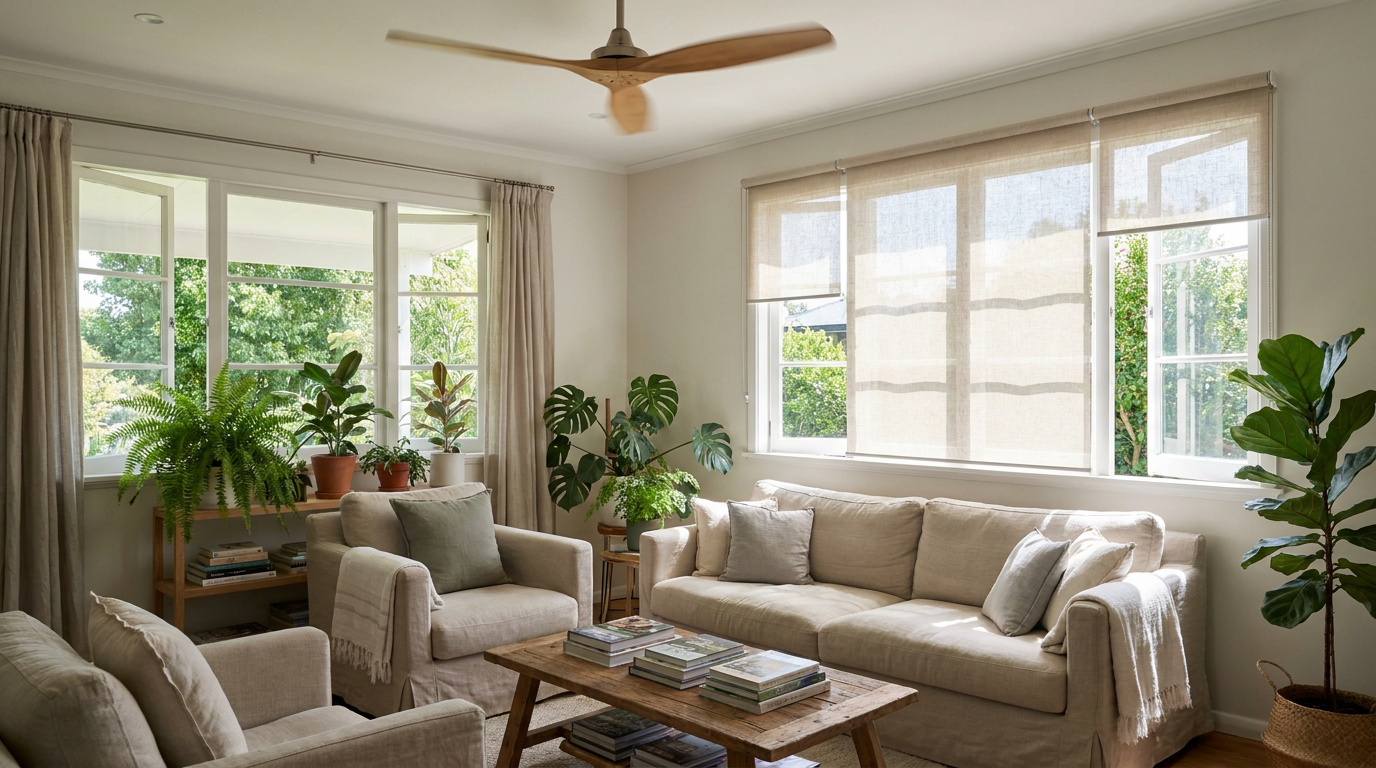
Window treatments deserve special attention because they influence both radiant comfort and solar gain. In winter, lined curtains can help buffer nighttime chill. In summer, shades or drapery that block direct sun can keep rooms from overheating. Few design choices do so much practical work while also contributing to softness and beauty.
It can be helpful to walk through your home with a comfort lens and ask a few direct questions. Where do people naturally avoid sitting? Which room feels hardest to sleep in? Where does the air feel dry, heavy, or restless? Comfort problems are often localized, and when you solve the specific friction point, the whole house begins to feel more coherent.
- Seal drafts around windows, doors, and service penetrations to reduce unwanted cold or hot air movement.
- Use layered window treatments to improve radiant comfort and control seasonal solar gain.
- Support humidity balance with ventilation, humidification, or dehumidification as needed.
- Improve insulation and reduce thermal bridging to create more even temperatures from wall to wall.
- Use fans thoughtfully for gentle air movement in moderate heat, while following public health guidance during extreme heat.
- Create zones so bedrooms, living spaces, and work areas can respond to different comfort needs.
Designing for Adaptive Comfort and Real Life
One of the most appealing ideas in modern comfort thinking is adaptive comfort. Instead of expecting a home to hold one narrow, fixed temperature all year, adaptive comfort acknowledges that people naturally adjust. We dress differently, open windows, shift routines, change bedding, and seek sun or shade depending on season. When a home supports those adjustments gracefully, it often feels more humane and satisfying.
This approach can be especially useful in homes with mixed conditions, older architecture, or strong seasonal identity. A naturally ventilated home in spring does not need to behave like a sealed office tower. If occupants have control over windows, shades, fans, and layers, they often tolerate and even enjoy a wider range of temperatures. There is something deeply pleasant about feeling connected to the season without being overwhelmed by it.
Designing for adaptive comfort may look like creating a sunny reading chair for winter mornings, using breathable bedding in summer, adding blackout curtains that also reduce heat gain, or choosing a ceiling fan for a room that traps warmth in July. These are not grand gestures. They are small acts of hospitality toward yourself and your household.
- Notice how each room behaves across the day and across seasons.
- Give yourself easy ways to respond, such as operable shades, layered textiles, or fan control.
- Accept that comfort can be seasonal rather than identical every month.
- Focus on stability and livability instead of chasing perfection.
Thermal Comfort, Sleep, and Everyday Wellness
Some of the most meaningful benefits of thermal comfort appear in the quiet parts of life. Sleep is a perfect example. A bedroom that is too hot, too dry, too humid, or drafty can subtly disrupt rest night after night. When the room feels balanced, however, the body lets go more easily. Bedding, airflow, humidity, and radiant comfort all influence whether sleep feels interrupted or restorative.
Morning routines also improve in a comfortable home. Getting out of bed into a room that does not shock you with cold air, stepping onto a floor that feels tempered rather than icy, and moving through a bathroom that clears moisture efficiently all shape the tone of the day. These are small experiences, yet together they create an emotional sense of support.
For people working from home, thermal comfort can also affect concentration and energy. Rooms that overheat, feel stuffy, or fluctuate widely make sustained focus harder. The same is true for kitchens, nurseries, and family rooms. Once you begin seeing comfort as part of wellness design, many home choices start to make more sense.
When Comfort Becomes a Health and Resilience Priority
As weather patterns become more extreme, thermal comfort is increasingly tied to resilience. Heat waves, cold snaps, smoke events, and humidity spikes all make indoor conditions more important. This is especially true for vulnerable households and older housing stock that may not be prepared for current climate realities.
Health focused comfort planning begins with awareness. Do you know which rooms stay coolest during heat? Are shades, fans, and ventilation methods ready before the hottest months arrive? Is your home able to maintain safer conditions for older adults or young children if outdoor weather becomes severe? These questions shift comfort from an aesthetic concern to a practical aspect of caregiving and preparedness.
Canadian guidance for older adults has increasingly emphasized upper indoor temperature limits, reinforcing the idea that thermal conditions indoors can affect health outcomes. This perspective is valuable for all homeowners. A comfortable house is one that can adapt, protect, and remain livable during both ordinary seasons and unusual events.
Bringing It All Together in a More Comfortable Home
Mastering thermal comfort does not require turning your home into a laboratory. It simply asks you to pay attention to how spaces feel and to respond with care. Often, the most powerful changes are not dramatic. They are the quiet improvements that remove friction from daily life: less draft at the dining table, better sleep in summer, softer air in winter, more even warmth in the family room, and a home that welcomes you back instead of asking you to adapt to its discomforts.
If you remember only one thing, let it be this. Comfort is a balance. Temperature matters, but so do humidity, radiant heat, airflow, insulation, shading, and personal control. A cozy home is one where these elements work together gently enough that you stop noticing the environment and start enjoying your life inside it.
There is something deeply luxurious about that kind of ease, not because it is extravagant, but because it supports the rhythms that matter most. Restful sleep, relaxed conversation, peaceful mornings, family gatherings that linger, and rooms that feel useful in every season all grow from a comfortable indoor climate. Thermal comfort is not a hidden technical concept after all. It is one of the clearest ways a home can love you back.
So as you think about creating cozier spaces, begin with the air around you, the warmth of the surfaces near you, the quality of light through the windows, and the subtle movements of moisture and breeze. That is where comfort lives. And when you get it right, the whole home feels softer, calmer, and far more inviting every day of the year.



No Comment! Be the first one.