



There are some homes that simply feel good the moment you walk in. The air may be the same, the floor plan may be practical, and the furniture may be beautiful, but what often creates that sense of ease is something more subtle. Light has a quiet emotional power inside the home. It can make a morning feel hopeful, an afternoon feel focused, and an evening feel deeply restful. When we begin to shape light around the body’s natural rhythms, we create spaces that support not only how a home looks, but how it feels to live there.
Table Of Content
- What circadian lighting really means at home
- Why light affects more than vision
- The emotional benefits of circadian lighting
- The physical benefits of circadian-friendly lighting
- Start with daylight because it is the most natural wellness tool
- How to use artificial lighting to follow the rhythm of the day
- Room by room ideas for circadian lighting at home
- The kitchen and breakfast area
- The home office or study area
- The living room
- The bedroom
- Easy changes that make a real difference
- What to avoid when creating a wellness-focused lighting plan
- Circadian lighting for families, aging in place, and real life routines
- The growing trend toward evidence-based human-centric lighting
- Creating a home that feels better from morning to night
Circadian lighting is the idea of aligning indoor light with the body’s 24 hour rhythm. In practical terms, that usually means encouraging brighter, more daylight-like light earlier in the day and then shifting to dimmer, warmer light in the evening. This pattern matters because light is not only what helps us see. Research consistently shows that it also plays a role in sleep timing, alertness, mood, hormone rhythms, and everyday well-being. For anyone trying to make home life feel calmer, healthier, and more supportive, circadian lighting offers a meaningful place to start.
The beauty of this approach is that it does not require turning your house into a laboratory or buying into exaggerated wellness claims. Circadian lighting is not a miracle fix, and it will not replace healthy routines, medical care, or good sleep habits. What it can do is help your home work more naturally with your body rather than against it. A few thoughtful changes in daylight access, bulb choice, dimming, and evening habits can make a visible and emotional difference.
In a time when many people spend more hours at home, whether working, parenting, caregiving, or simply unwinding, the quality of home lighting matters more than ever. It matters for children getting ready for school, adults moving through long workdays, and older family members who may spend much of the day indoors. It matters for the feeling of a slow breakfast in sunlight and for the comfort of a softly lit bedroom at night. Circadian lighting brings all of that together into a more intentional way of living.
This article explores the emotional and physical benefits of circadian lighting, explains what the science actually supports, and shares practical ways to create a healthier lighting rhythm in your own home. The goal is not perfection. The goal is a home that feels brighter when you need energy, softer when you need rest, and more deeply aligned with the way your body naturally wants to move through the day.
What circadian lighting really means at home
At its core, circadian lighting is about timing, intensity, and spectrum. Those three elements work together to influence how your body interprets light across the day. Morning and daytime light are ideally brighter and often somewhat cooler in tone, which more closely resembles natural daylight. Evening light is ideally lower in intensity and warmer in appearance, helping signal that the active part of the day is ending.
This is important because the body’s internal clock depends heavily on light cues. Exposure to brighter, daylight-like conditions earlier in the day can support wakefulness and help reinforce a healthy daily rhythm. In contrast, bright light late in the evening, especially light rich in shorter wavelengths, can delay circadian timing and suppress melatonin, the hormone associated with the body’s preparation for sleep. Even fairly dim light at night can have meaningful biological effects, which is one reason experts increasingly encourage households to pay attention to nighttime lighting, not just daytime brightness.
It is also helpful to clear up a common misunderstanding. Circadian lighting is not simply about avoiding blue light all the time. Blue-enriched light can be useful during the day when you want alertness and support for your daytime rhythm. The problem is usually not that cooler light exists, but that it appears at the wrong time and in the wrong amount. The healthiest approach is not one color temperature all day long. It is a flexible pattern that changes with your routine.
Another misconception is that brighter always means healthier. It does not. A harshly lit room with glare and uncomfortable intensity can feel stressful and visually unpleasant, even if the light is marketed as wellness-focused. True circadian-friendly design pays attention to visual comfort, softness, and atmosphere as well as biological timing. In other words, the room still needs to feel beautiful and livable.
Good circadian lighting is not about making every room bright. It is about helping each room feel right for the time of day and the life happening inside it.
Researchers and standards bodies increasingly use measures such as melanopic equivalent daylight illuminance, often shortened to mEDI, to better describe light’s biological effect. For homeowners, you do not need to memorize the technical language to benefit from the principle. What matters most in everyday life is understanding the pattern. Seek more helpful daylight and brighter light earlier in the day, and create calmer, dimmer, warmer conditions as evening approaches.
Why light affects more than vision
For many years, people thought about home lighting mostly in decorative or practical terms. We wanted enough light to cook, read, fold laundry, and make the space attractive. Those things still matter, of course, but science has broadened the conversation. Light is now understood as more than a visual tool. It is also a powerful signal to the brain and body, connected to sleep, wakefulness, mood, and cognitive performance.
That is one reason a dark winter morning can feel harder to begin, while a bright sunny day can bring a sense of energy even before the first cup of coffee. Light influences how alert we feel, how easily we transition into sleep, and how settled or stimulated the body becomes. A home with thoughtful lighting can gently support those transitions rather than interrupt them. This can be especially meaningful for people who work from home, teenagers with irregular sleep patterns, parents with long evenings, and older adults who may have limited daylight exposure.
Canadian research has also highlighted the importance of windows, daylighting, and views in homes. These features contribute not only to health-related outcomes, but also to comfort, subjective well-being, and emotional experience. That resonates with what many homeowners already know intuitively. A room with natural light often feels more alive, more uplifting, and more comforting than a sealed space lit in a flat, artificial way.
The conversation around wellness at home often focuses on air quality, water filtration, or natural materials, and those are all valuable. Yet lighting deserves a place in that same discussion. It touches nearly every part of daily life, from how you wake up in the morning to how your home helps you wind down at night. Few design choices are felt so consistently from hour to hour.
The emotional benefits of circadian lighting
One of the most immediate rewards of circadian lighting is emotional. A home that supports your natural rhythm often feels gentler to inhabit. Morning light that fills the kitchen can create a sense of optimism and motivation. A living room that remains bright enough for afternoon focus can help reduce that heavy, sluggish feeling that sometimes settles in during the middle of the day. Then, as evening arrives, lower and warmer lighting can make the whole house feel quieter, even before anyone says it is time to slow down.
That emotional shift matters because our homes are not just containers for routines. They are the backdrop for family life, conversation, rest, and recovery. Light influences atmosphere in a very intimate way. Cooler, brighter lighting can feel energetic and clean when you want to be productive, but it can also feel too sharp if used late at night. Warm, dim lighting can feel deeply comforting in the evening, yet too sleepy if relied on during a work-heavy morning. Matching the mood of the room to the rhythm of the day is one of the most elegant ways to support emotional balance.
Many people notice this most clearly in transitional moments. Waking up in a dark home and moving immediately under harsh overhead lighting can feel abrupt and draining. By contrast, opening the blinds and allowing the home to brighten naturally can create a much kinder start. The same is true at night. A house that remains brightly lit until bedtime can make it difficult to truly exhale. Softer pools of light from table lamps, sconces, and dimmed fixtures make relaxation feel more accessible.
There is also a deeper psychological benefit in creating lighting rituals. When the home changes with the day, it sends small signals of structure and care. Morning feels intentional. Evening feels protected. In busy households, this can create a greater sense of rhythm and harmony, especially for children who benefit from clear environmental cues. Lighting becomes part of the emotional choreography of home life.
The physical benefits of circadian-friendly lighting
The strongest evidence around circadian lighting relates to sleep and biological timing. Light exposure during the day can help support wakefulness and reinforce the body’s internal clock. Evening and nighttime light, especially when it is bright or rich in shorter wavelengths, can delay the body’s sense of nighttime and reduce melatonin production. In practical terms, that can mean more difficulty falling asleep, less settled sleep timing, and a harder time feeling refreshed the next day.
When homeowners use light more intentionally, the result is often improved sleep comfort and better next-day energy. That does not mean lighting alone will solve every sleep issue. Sleep is affected by stress, health conditions, routines, caffeine, screens, and many other factors. Still, lighting is one of the clearest environmental signals we can adjust, and for many households it is an underused one.
Research also connects light exposure with mood, alertness, and cognitive performance. That can be especially relevant in homes where people are reading, studying, working remotely, or simply trying to maintain a healthier daytime rhythm. Brighter daytime light can help reduce that foggy feeling that sometimes comes from spending long hours in dim interiors. In households with older adults, this is especially meaningful because some research has found that residents who spend much of their time at home may not receive recommended daily light exposure levels from morning until several hours before bed.
That finding gently underscores a larger truth. Many modern homes are comfortable, but not always biologically supportive. Curtains stay closed, screens glow late into the night, and overhead fixtures are often used the same way at every hour. Circadian lighting invites a more responsive pattern, one that recognizes that the body needs different kinds of light at different times. Over time, that can contribute to better rest, steadier energy, and a more restorative daily rhythm.
Start with daylight because it is the most natural wellness tool
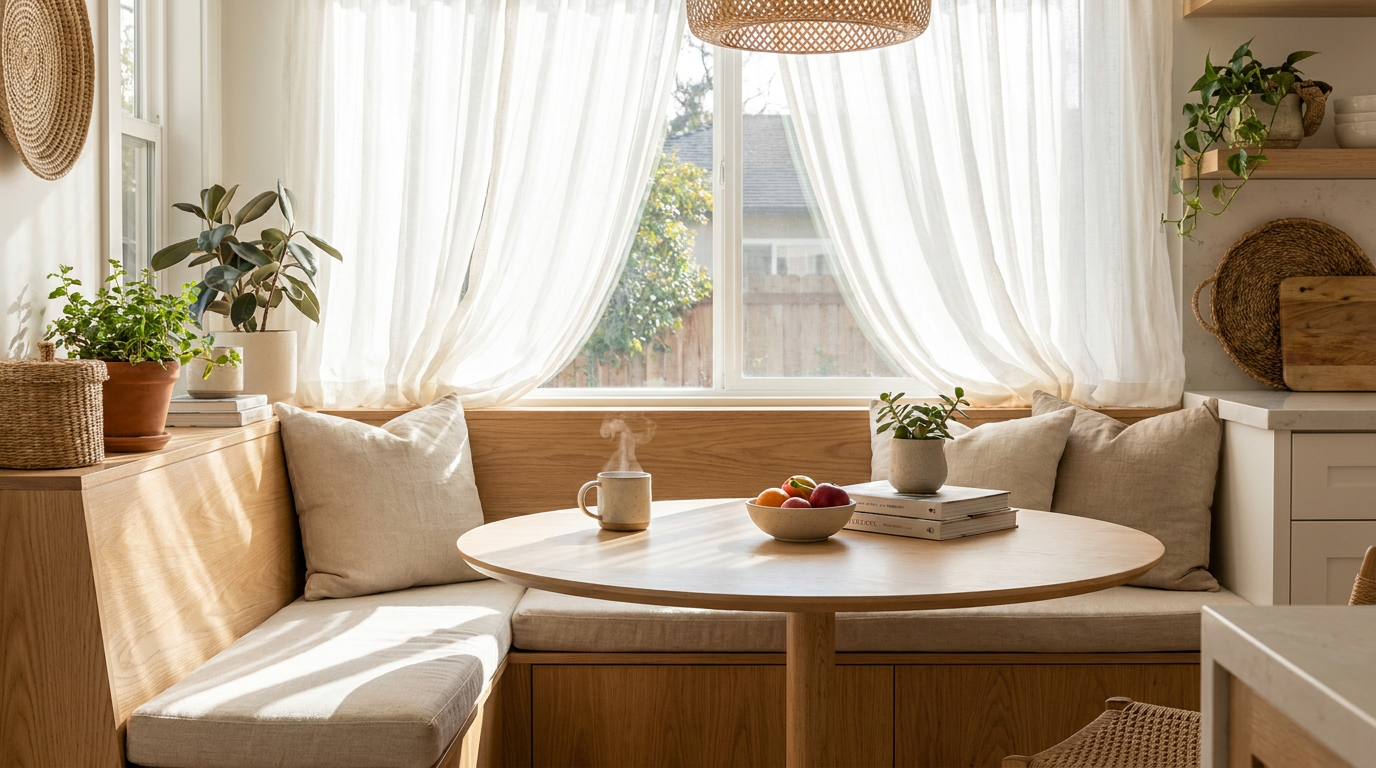
If you want to improve circadian lighting at home, begin with daylight. Natural light is one of the most valuable resources in residential design, and it often costs nothing to use more wisely. Morning daylight is especially important because it helps anchor the body’s sense of time. Even a simple habit like opening blinds early, having breakfast near a window, or taking a morning call in the sunniest room can begin to shift the home toward a healthier pattern.
Daylighting is not only about brightness. Windows and views also support a stronger emotional connection to the outdoors, weather, and time passing. That connection can make a home feel less enclosed and more alive. Canadian housing research has specifically noted the importance of windows, daylighting, and views in supporting health, comfort, and subjective well-being. In lifestyle terms, this means the brightest spots in your home deserve thoughtful use. They should not always be reserved for occasional rooms while daily life happens in dim corners.
It is worth walking through your home at different hours and noticing where the natural light falls. The breakfast area, home office, or children’s homework zone may benefit from being placed closer to daylight. Sheer window treatments can help preserve light while softening glare. Mirrors can help reflect daylight deeper into a room. Pale wall colors and light woods can also make natural light feel more expansive without any complicated renovation.
Of course, daylight needs balance. A room flooded with hard glare can be visually exhausting, especially if you are reading, cooking, or working on a screen. Circadian-friendly design still values comfort. The goal is not sun exposure at all costs, but rather a home that welcomes daylight thoughtfully and allows people to enjoy it without strain.
How to use artificial lighting to follow the rhythm of the day
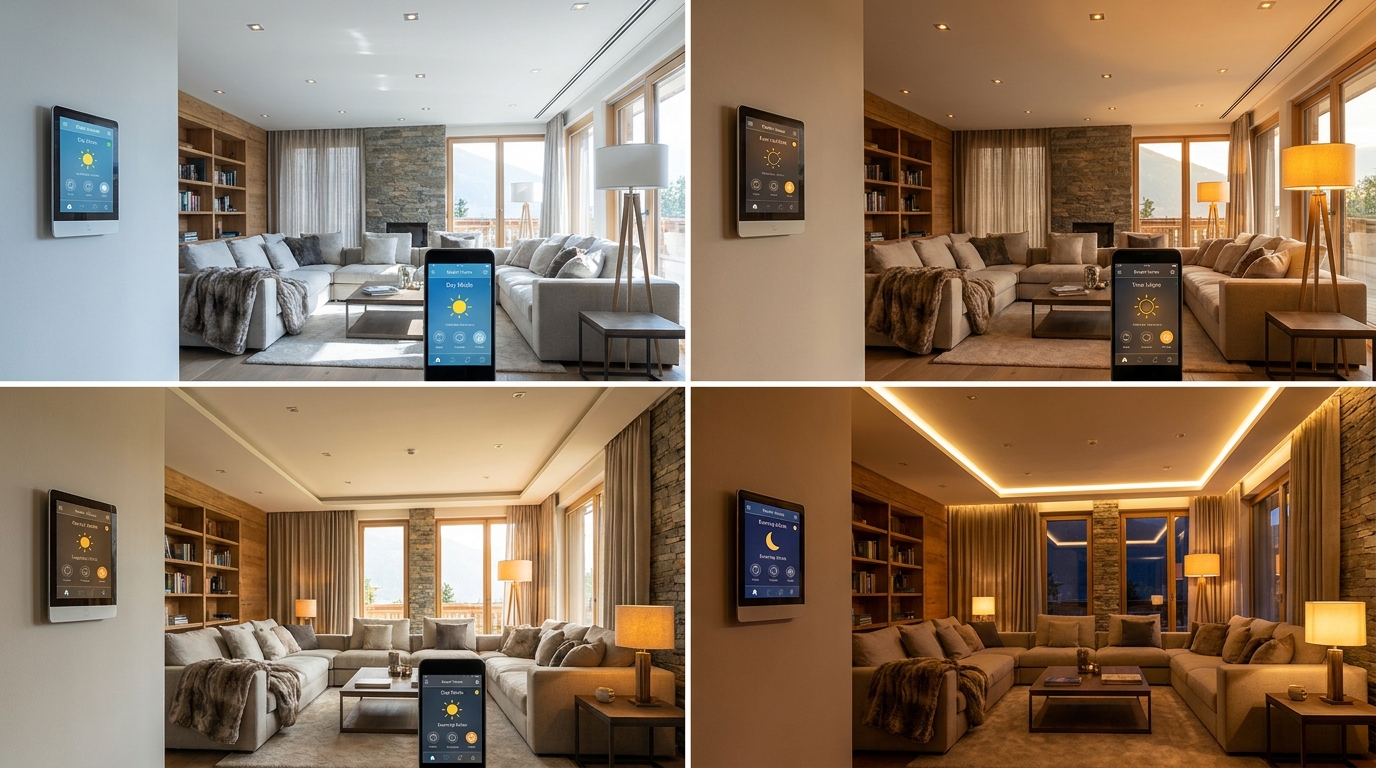
After daylight, the next step is to make your artificial lighting more responsive. The easiest way to think about this is by dividing the day into three moods. Morning and daytime lighting should feel clear, supportive, and energizing. Late afternoon can remain bright enough for comfort and function. Evening should gradually become softer, warmer, and lower in intensity so the body is not being told it is still midday.
Tunable LED fixtures and smart bulbs make this much easier than it used to be. These systems allow you to shift both brightness and color temperature over the day. In the morning, lights can come on brighter and cooler if natural daylight is limited. By evening, the same fixtures can move into a warmer glow that feels more restful. Smart home controls, schedules, scenes, and dimmers allow this process to happen automatically or with a single tap.
Even if you do not want a fully automated system, you can still create a circadian-friendly home with simpler choices. Use brighter bulbs in work zones and kitchens where daytime tasks happen. Place table lamps and wall sconces in living rooms and bedrooms to create warm, layered light at night. Install dimmers wherever possible so that you are not locked into one lighting level all day. Consider undercabinet lighting in the kitchen for evening use instead of relying only on bright overhead fixtures.
The key is flexibility. A home is used differently at 7 a.m. than it is at 9 p.m. The lighting should reflect that. This approach also tends to make a house feel more luxurious, because layered, adjustable lighting is one of the hallmarks of thoughtful interior design. Wellness and beauty, in this case, work beautifully together.
Room by room ideas for circadian lighting at home
The kitchen and breakfast area
The kitchen is often where the day begins, which makes it one of the most important spaces for morning light. If possible, open blinds early and let the room brighten naturally. If your kitchen tends to be dark, use clean, bright task lighting for breakfast prep and morning routines. Pendant lights, ceiling fixtures, and undercabinet lights can all support an alert and capable start to the day when chosen in appropriate brightness levels.
By evening, however, that same kitchen may benefit from a gentler mood. Dimming overhead fixtures and relying more on undercabinet glow or a nearby lamp can make post-dinner cleanup feel far less harsh. This simple shift helps the room move from productivity to calm without losing function.
The home office or study area
Any room used for working, reading, or studying should have the best daytime light you can reasonably provide. Place desks near windows if possible, while managing glare with sheer shades or careful screen placement. Supplement with bright, visually comfortable artificial light during darker hours or seasons. A well-lit workspace can support concentration and help prevent the sleepy feeling that often comes from spending long stretches in a dim room.
At the same time, try to avoid carrying that office brightness late into the evening if the room has another use. If a guest room also functions as a study, changing the lighting scene at the end of the workday helps signal emotional closure as well as circadian calm.
The living room
The living room usually needs the most versatility. It may host reading, conversations, television, children’s play, and quiet winding down. During the day, let it feel open and naturally bright. In the evening, shift to layers of warm light at lower heights, such as lamps, sconces, and dimmable accent lighting. This creates a cocooning effect that feels more human than a single bright ceiling fixture.
For families, this is often where the emotional power of circadian lighting becomes most obvious. As the room softens, the pace of the evening often softens too. The house begins to tell everyone, gently, that rest is approaching.
The bedroom
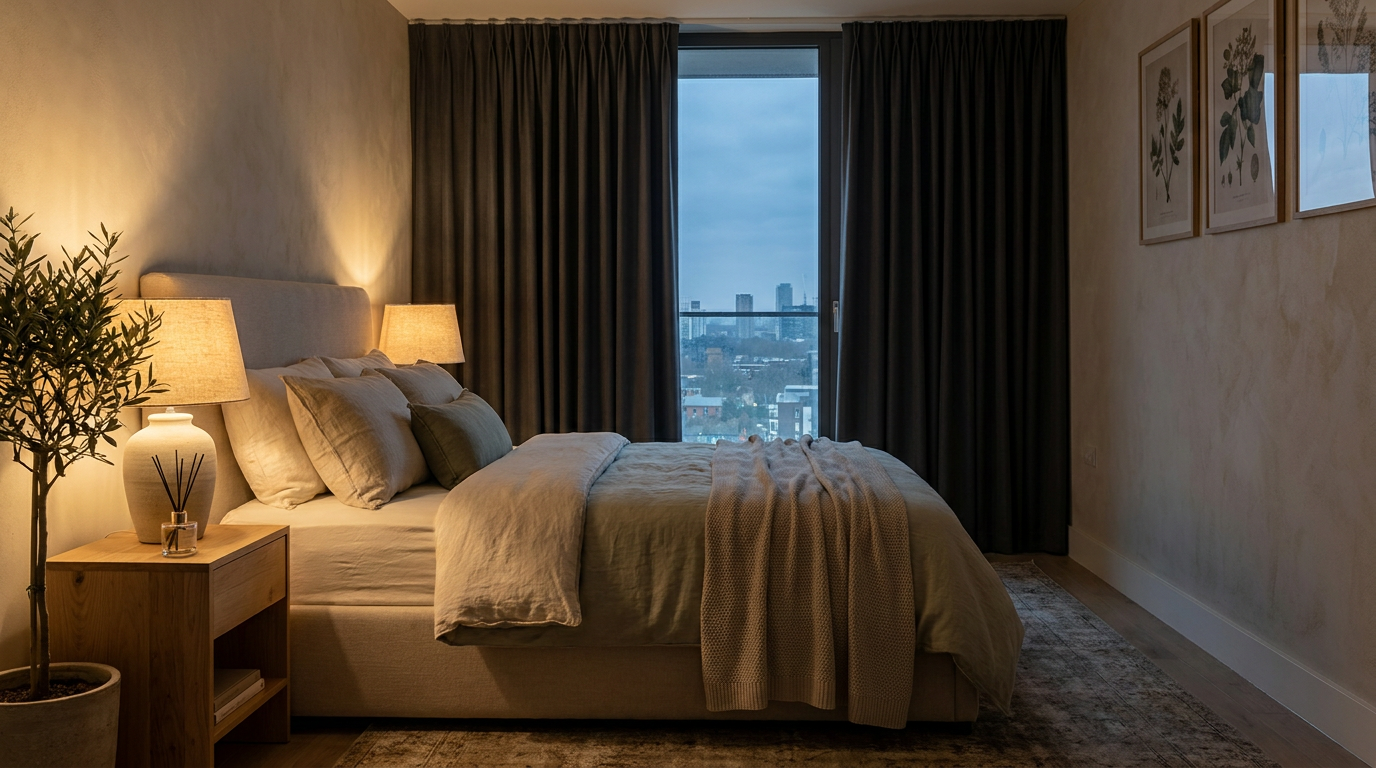
The bedroom is where circadian lighting becomes especially valuable. In the morning, daylight is ideal, so let natural light enter as part of waking. At night, keep the room dim and warm. Bedside lamps with warm-toned bulbs are often far more sleep-friendly than bright overhead lights used right before bed. If you need nighttime lighting for safety or caregiving, choose very low-level, warm pathway or night lighting.
This is also the room where discipline around light matters most. If a bedroom is filled with bright lamps, glowing chargers, television light, or strong light from an ensuite bathroom, the space may feel less restful than its decor suggests. A beautiful bedroom should look serene, but it should also be lit serenely.
Easy changes that make a real difference
You do not need a major renovation to start using circadian lighting principles at home. In fact, some of the most effective changes are refreshingly simple. Open window coverings early in the day. Spend time in the brightest room in the morning. Use dimmers to lower intensity after dinner. Swap very cool bedroom bulbs for warmer ones. Turn off unnecessary overhead lights in the evening and rely more on lamps.
For households interested in a slightly more advanced approach, smart bulbs or tunable fixtures can make the daily shift almost effortless. You can create scenes such as morning rise, focus afternoon, and wind down evening. Motion sensors for hallways and bathrooms can also be useful at night if they trigger very low, warm light rather than bright glare. These choices support both comfort and safety.
Some homeowners also find it helpful to think in terms of household rituals. Morning could mean opening blinds, switching on a bright kitchen scene, and having coffee near a window. Evening could mean dimming common areas after dinner, changing bedside lamps to a softer glow, and avoiding bright task lighting unless absolutely necessary. When these changes become habitual, they stop feeling like effort and start feeling like atmosphere.
Here are a few practical ways to begin:
- Prioritize daylight in the rooms where you spend your mornings.
- Use brighter, cooler-toned lighting for daytime tasks when natural light is not enough.
- Install dimmers or smart controls so lighting can change over the day.
- Choose warm, lower-level light sources for evenings, especially in bedrooms and living areas.
- Reduce unnecessary nighttime light in bathrooms, hallways, and sleep spaces.
- Manage glare with shades, curtains, and thoughtful fixture placement.
These changes are modest, but together they can transform how a home supports your body and mood. Good wellness design often works exactly this way. It is not one dramatic move, but many small choices that shape daily life more kindly.
What to avoid when creating a wellness-focused lighting plan
Because circadian lighting has become a popular phrase, it is easy to get pulled into oversimplified marketing. One of the most common mistakes is assuming that any product labeled full-spectrum or human-centric is automatically beneficial. The reality is more nuanced. The biological effect of light depends on how much you receive, when you receive it, how long the exposure lasts, and what the rest of your daily pattern looks like. A product name alone cannot tell that whole story.
Another mistake is focusing only on color temperature while ignoring intensity and timing. A warm bulb can still be too bright late at night. A cool bulb can be perfectly appropriate in the morning. Looking only at whether a light appears warm or cool misses the larger rhythm that matters most.
Homeowners should also be wary of spaces that technically meet a circadian goal but feel visually unpleasant. Glare, poor color rendering, and excessive brightness can make a room less comfortable and less attractive. Wellness should never come at the expense of beauty and ease. If a room feels clinical, stark, or tiring, the lighting plan needs refinement.
Perhaps most importantly, avoid treating lighting as a cure-all. Circadian lighting is a supportive wellness tool, not a replacement for sleep hygiene, stress management, physical activity, or medical support. Think of it as part of a broader home environment that helps you feel better, rest more deeply, and move through the day with greater comfort.
Circadian lighting for families, aging in place, and real life routines
One of the most encouraging things about circadian lighting is how adaptable it is. It can support a busy family, a work-from-home professional, a retired couple, or a multigenerational home. The exact pattern will vary, but the principle stays the same. Help the home feel brighter and more awakening earlier in the day, and calmer and more protective at night.
For children, lighting can reinforce routines in a very gentle way. Bright breakfast spaces and well-lit homework areas support daytime engagement, while soft evening lighting helps create a smoother transition toward bedtime. For teenagers, who often drift toward later schedules, reducing bright evening light may be especially helpful as part of a broader sleep routine.
For older adults, thoughtful lighting can be particularly important. Research suggests that some people who spend much of their time indoors may not get enough biologically effective light during the day. That makes home lighting design highly relevant to aging in place. A brighter daytime environment, access to windows and views, and safer low-level nighttime lighting can all support comfort, rhythm, and confidence at home.
Real life, of course, is not always perfectly scheduled. Shift workers, night owls, early birds, and families with newborns all live differently. Circadian-friendly design should be flexible enough to support the people actually living in the home. That is why one-size-fits-all advice can be misleading. Your ideal lighting plan should reflect your routines, sensitivities, room functions, and personal sense of comfort.
The growing trend toward evidence-based human-centric lighting
The lighting world is steadily moving away from vague wellness language and toward more evidence-based recommendations. Experts increasingly use melanopic metrics and circadian-focused guidance to better understand how light affects human biology. At the same time, the residential market is offering more tunable LEDs, smart systems, sensors, and controls that allow homeowners to create healthier patterns without sacrificing style.
This shift is exciting because it brings together science, architecture, and everyday living. It also aligns with larger lifestyle trends such as biophilic design, wellness rooms, and homes that support aging in place. Rather than treating light as an afterthought, more homeowners are beginning to see it as part of the emotional infrastructure of the house. It influences energy, comfort, mood, and the overall sense of sanctuary.
There is also an energy-awareness angle that fits modern living well. Efficient LEDs, daylight use, and smart controls can support both wellness and sustainability. Natural Resources Canada has noted the significance of lighting in overall building energy use, which reinforces the value of using daylight effectively and choosing efficient systems. In a well-designed home, comfort and efficiency do not have to be in conflict.
What makes this trend especially appealing is that it feels deeply humane. Circadian lighting is not about chasing perfection or turning home life into a performance. It is about remembering that our bodies still respond to the basic rhythm of day and night, even in a highly connected world. A home that honors that rhythm often feels better in ways that are subtle, steady, and lasting.
Creating a home that feels better from morning to night
When people talk about wellness at home, they often imagine large upgrades or luxurious amenities. Yet sometimes the most meaningful improvements are the ones we feel quietly, hour after hour. Circadian lighting belongs in that category. It helps a home greet you more kindly in the morning, support you more clearly through the day, and release you more gently into rest at night.
The most persuasive case for circadian lighting is not extreme or technical. It is simple and practical. Use daylight strategically. Avoid bright light late at night. Choose flexible lighting that adapts to room function and household preferences. Pay attention to visual comfort so your home remains beautiful as well as biologically supportive. Let your lighting evolve with the life happening inside the room.
If you begin with just a few changes, you may notice that your home starts to feel different in an almost immediate way. Morning spaces feel more uplifting. Evenings feel less jarring. Bedtime may come with a little more ease. The house itself begins to participate in your well-being, offering cues of brightness, calm, and transition at the moments you need them most.
That is the quiet luxury of circadian lighting. It is not only about technology or design trends. It is about making home life feel more natural, more restorative, and more in tune with the body you live in every day. And in a world that often asks us to ignore our rhythms, that kind of support can feel wonderfully grounding.



No Comment! Be the first one.