
AI Visibility Is Becoming a New Luxury Real Estate Market Signal
Luxury real estate has always been shaped by visibility, but the channel of discovery is changing. Haute Living’s launch of the South Florida Luxury Real Estate AI Visibility Index™ points to a new layer of market intelligence: how often major AI systems surface, describe, and rank high-end developments when buyers ask for guidance.
This matters because AI answers are no longer passive search results. They are compressed recommendations. When a buyer asks ChatGPT, Claude, Gemini, Perplexity, or Google AI Overviews for the best new luxury condos in Miami, the system does not simply list every available project. It selects, summarizes, and frames the market based on the digital evidence it can read.
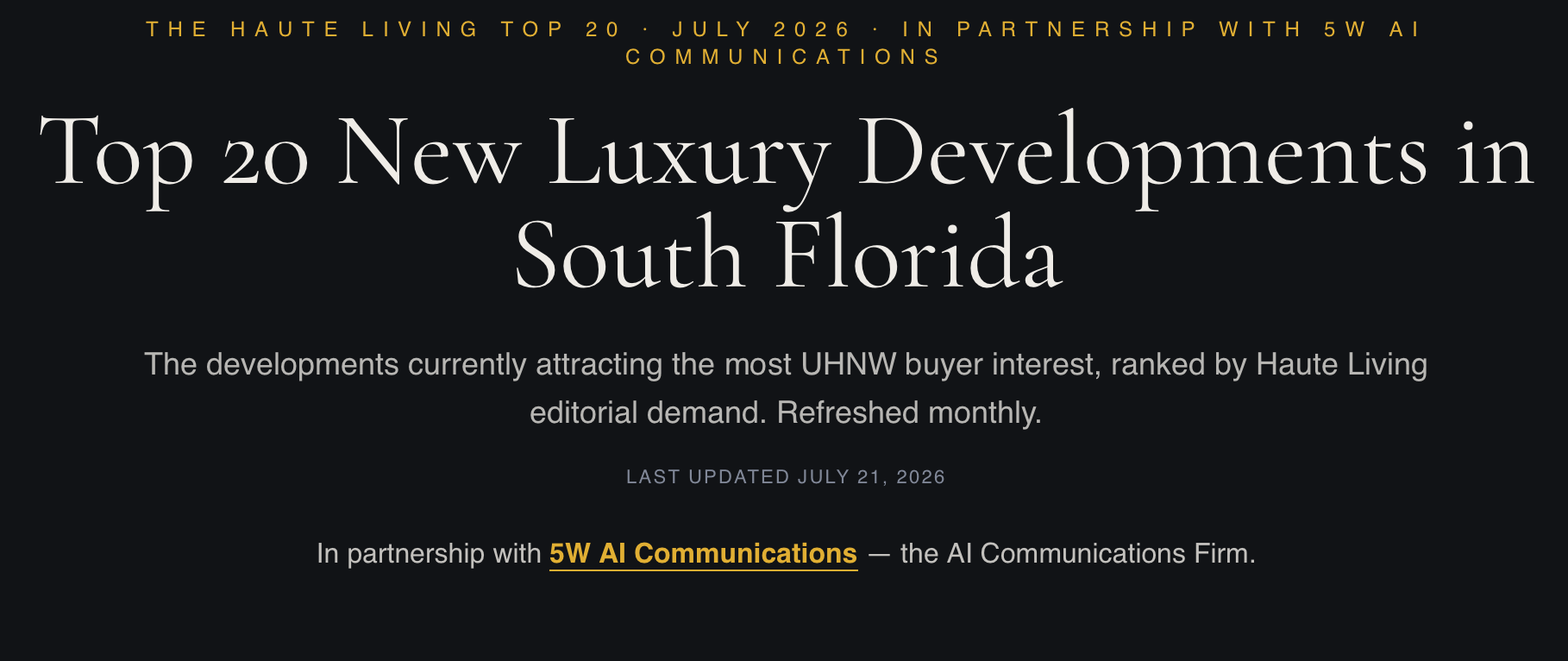
The index, created by HL Real Estate Group in partnership with 5W AI Communications, benchmarks twenty South Florida luxury developments across five AI platforms. The methodology tracks mention rate, accuracy, sentiment, source citations, and rank movement. For KG Data readers, the key point is not only which tower ranks first. It is that AI visibility is becoming measurable, comparable, and potentially predictive.
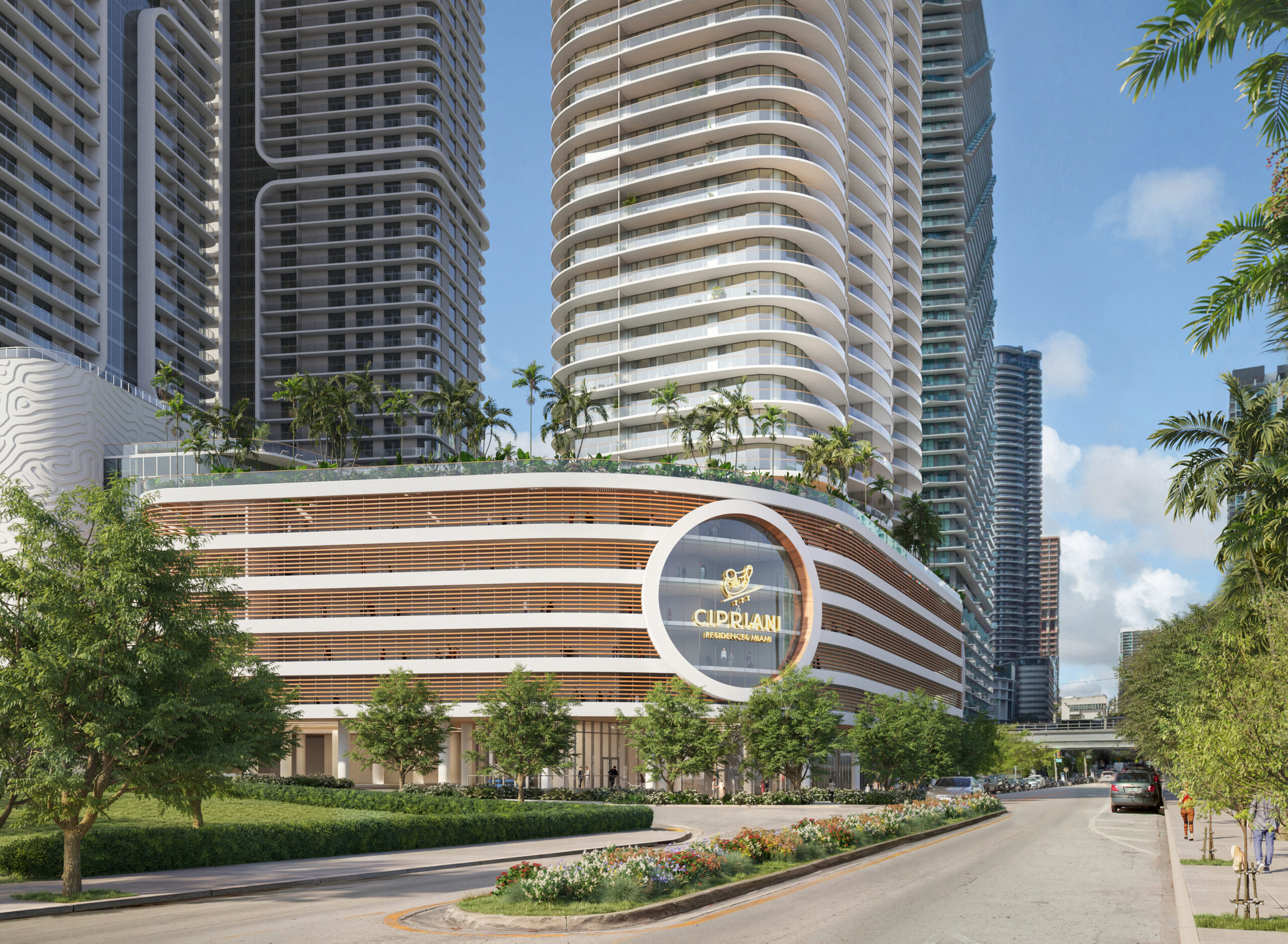
Cipriani Residences Miami took the inaugural No. 1 position, according to Haute Living. The project benefits from a combination of brand recognition, Brickell location, buyer inquiry volume, and a broad editorial footprint. That mix is important. AI systems tend to reward projects with abundant, structured, authoritative public information. In practice, a development with strong sales momentum but weak digital documentation may be underrepresented in AI-generated answers.
The index also surfaces a larger pattern in South Florida’s luxury pipeline. Nineteen of the twenty ranked projects are branded residences. That is not just a design or marketing trend. It is a data signal about buyer preference. Branded projects package service standards, hospitality operations, perceived execution quality, and global familiarity into a product category that can command higher pricing. Haute Living reports an average of $1,983 per square foot across the ranked branded residences, with a 25 to 35 percent premium over comparable non-branded product.
AI visibility is becoming a proxy for digital market authority, not simply marketing volume.
For developers, the intelligence gap is clear. Renderings, sales galleries, broker events, and private previews still matter, but they do not automatically translate into machine-readable authority. AI engines depend on indexed articles, structured data, consistent naming, current pricing references, accurate delivery timelines, and trusted third-party citations. If those signals are thin or fragmented, the project can disappear from the first answer a buyer sees.
For buyers and investors, AI visibility should not be treated as proof of quality. It is better understood as a diagnostic layer. A project that appears consistently across AI platforms may have deeper public documentation and stronger media saturation. A project that is absent may be overlooked, poorly indexed, newly launched, or simply under-covered. Each case requires verification through pricing sheets, absorption data, construction status, developer track record, and comparable sales.
The next useful metric will be movement over time. Monthly changes in AI visibility may reveal which developments are gaining narrative momentum before that momentum appears in traditional market reports. Analysts should watch whether rising AI mention rates correlate with inquiry volume, reservation velocity, price increases, or resale premiums after delivery.
The practical takeaway is simple: property intelligence now needs to monitor both physical market performance and digital discoverability. In a luxury market where first impressions increasingly come from AI-generated answers, visibility itself has become a measurable asset.
Source: Haute Living