Pearson’s $1.5B Terminal Renewal Is a Growth Signal for the Western GTA
Toronto Pearson’s C$1.5 billion modernization of Terminal 1 and Terminal 3 is not just an airport capital project. It is a signal about the next phase of metropolitan growth in the western GTA, where transportation capacity, employment density, logistics demand, and housing pressure are increasingly tied to the same land economics.
As reported by International Airport Review, the investment sits inside the broader Pearson LIFT strategy, following a separate C$3 billion program for airside infrastructure and baggage systems. That sequencing matters. Pearson is not simply refreshing passenger amenities. It is rebuilding the operating platform of Canada’s busiest airport to handle future demand, reduce congestion, and protect its role as a national gateway.
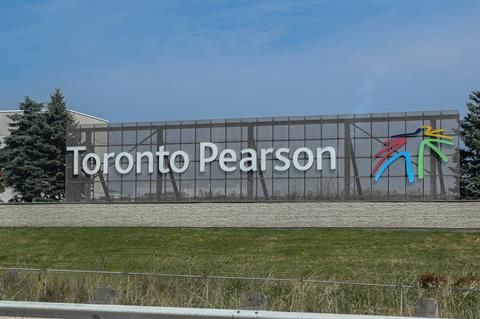
For developers and planners, Pearson remains one of the country’s most important infrastructure anchors. The airport is surrounded by employment lands, freight corridors, hotel clusters, industrial assets, office parks, and emerging transit conversations. Any major capacity investment strengthens the long-term case for land around the airport, particularly sites positioned for logistics, business travel, hospitality, warehousing, airport services, and mixed employment uses.
The development question is whether surrounding municipal policy can match the scale of the infrastructure investment. Mississauga, Toronto, Brampton, and the broader airport employment zone face a familiar tension. The region needs protected employment lands to support airport-related economic activity, but it also needs more housing near jobs, transit, and major infrastructure. Pearson’s modernization will increase the pressure to plan this district as a true regional growth node, not just a collection of separated industrial and commercial parcels.
Airport capacity is land value infrastructure. When a gateway expands its long-term operating horizon, the surrounding market recalculates.
Terminal improvements focused on passenger flow, customs, immigration, baggage, check-in, lounges, charging, and security screening may appear operational, but they carry development implications. A more resilient Pearson improves the reliability of the entire airport district. That reliability affects hotel feasibility, conference demand, airline-related employment, cargo movement, and the attractiveness of nearby corporate locations. In an era where office demand is selective, proximity to hard infrastructure still matters.
The bigger constraint is access. Pearson’s growth cannot be separated from road congestion, transit integration, employee commute patterns, and last-mile freight movement. If passenger volumes rise without stronger regional mobility, development pressure will concentrate around already constrained corridors. That is where planners should be watching. Airport modernization without matching ground transportation investment risks shifting congestion from terminals to surrounding roads and employment areas.
For housing strategy, Pearson is also a reminder that growth cannot be planned only around downtown cores. The western GTA contains one of Canada’s largest employment engines, yet much of its workforce commutes through expensive, inefficient, and car-dependent patterns. Long-term regional competitiveness will depend on whether municipalities can introduce more attainable housing near major job concentrations while protecting the industrial and logistics lands that make the airport economy function.
Developers should read this investment as a durable infrastructure signal. The airport is preparing for more passengers, more movement, and more economic throughput. The next opportunity will not be inside the terminal alone. It will be in the land around Pearson, where zoning, servicing, transit planning, and employment intensification will determine whether the region captures the full value of this modernization.
Source: International Airport Review