This matters most for the people who operate on the long horizon of development timelines. A transit oriented housing strategy built around a high-speed rail stop cannot be planned on a foundation that shifts with the political mood of a byelection. A land assembly near an expanding airport cannot be underwritten if the scope of that expansion is still, as reported, essentially undefined. Canada is entering a period of significant infrastructure spending, driven in part by pressure to reduce reliance on the United States. That is precisely the moment when project selection needs to be governed by evidence, community consultation, and land use analysis, not by informal exchanges made away from any public process.
Table Of Content
- When Megaprojects Are Traded Like Favours, Development Planning Loses
- When Megaprojects Are Traded Like Favours, Development Planning Loses
- When Megaprojects Are Traded Like Favours, Development Planning Loses
- When Megaprojects Are Traded Like Favours, Development Planning Loses
- When Megaprojects Are Traded Like Favours, Development Planning Loses
- When Megaprojects Are Traded Like Favours, Development Planning Loses
- When Megaprojects Are Traded Like Favours, Development Planning Loses
The federal government’s own Major Projects Office exists to bring discipline to exactly these kinds of decisions. If a major transportation asset can still be waved forward as part of an informal exchange, that discipline is not yet doing its job. For the development sector, the lesson is straightforward. Watch the feasibility studies, not the handshake deals, and treat any infrastructure signal that has not been tested through public consultation and land use review as provisional at best.
Source: ca.news.yahoo.com
Large scale infrastructure and large scale housing development are inseparable. Airport capacity shapes commercial land value near a site. A high-speed rail corridor reshapes where people choose to live, work, and invest for decades. When two governments appear to trade support for one project in exchange for support on another, without the underlying feasibility work being settled first, they are not just making a political calculation. They are quietly rewriting the risk profile for every developer, planner, and municipality watching those corridors.
Consider what was reportedly still unresolved on the airport side alone: runway length, terminal footprint, and how a already congested gateway at the foot of Bathurst Street would absorb a dramatic jump in passenger volume. On the rail side, land expropriation along the proposed corridor remains a live and largely unanswered concern, one that eleven Ontario MPPs, including two cabinet members, felt compelled to raise publicly this week. These are exactly the questions that should be settled through rigorous project feasibility review before any political endorsement is extended, tacit or otherwise.
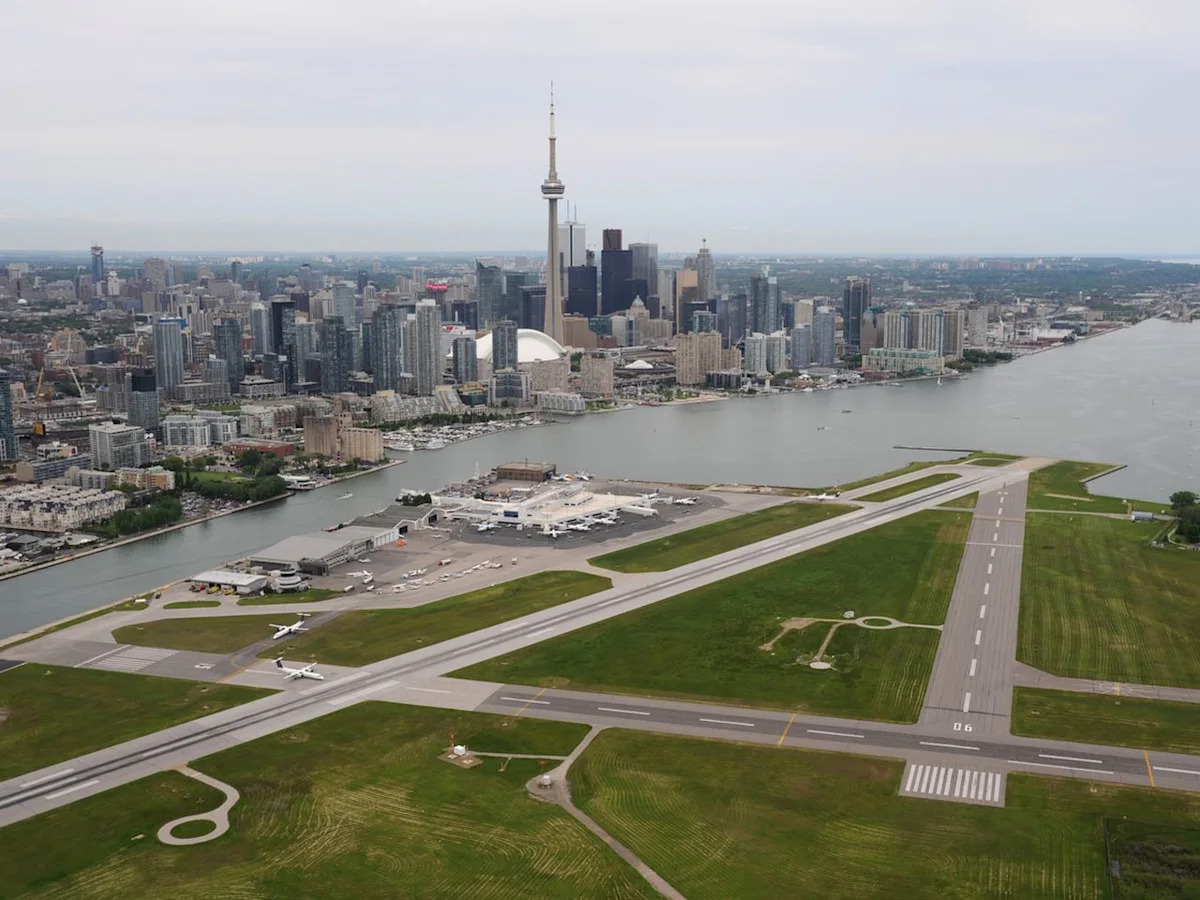
Strong projects are built from a wider understanding of timing, access, infrastructure, policy, and demand, not from a private agreement between two leaders.
This matters most for the people who operate on the long horizon of development timelines. A transit oriented housing strategy built around a high-speed rail stop cannot be planned on a foundation that shifts with the political mood of a byelection. A land assembly near an expanding airport cannot be underwritten if the scope of that expansion is still, as reported, essentially undefined. Canada is entering a period of significant infrastructure spending, driven in part by pressure to reduce reliance on the United States. That is precisely the moment when project selection needs to be governed by evidence, community consultation, and land use analysis, not by informal exchanges made away from any public process.
The federal government’s own Major Projects Office exists to bring discipline to exactly these kinds of decisions. If a major transportation asset can still be waved forward as part of an informal exchange, that discipline is not yet doing its job. For the development sector, the lesson is straightforward. Watch the feasibility studies, not the handshake deals, and treat any infrastructure signal that has not been tested through public consultation and land use review as provisional at best.
Source: ca.news.yahoo.com
Every major infrastructure decision sends a signal to the development community long before a shovel touches the ground. Reports out of Toronto this week suggest that a proposed island airport expansion and the federal Alto high-speed rail vision were informally linked through a handshake agreement between Premier Doug Ford and Prime Minister Mark Carney, struck before either project had been subjected to serious public scrutiny. For anyone who plans, finances, or builds around long term infrastructure, that should be an unsettling story.
Large scale infrastructure and large scale housing development are inseparable. Airport capacity shapes commercial land value near a site. A high-speed rail corridor reshapes where people choose to live, work, and invest for decades. When two governments appear to trade support for one project in exchange for support on another, without the underlying feasibility work being settled first, they are not just making a political calculation. They are quietly rewriting the risk profile for every developer, planner, and municipality watching those corridors.
Consider what was reportedly still unresolved on the airport side alone: runway length, terminal footprint, and how a already congested gateway at the foot of Bathurst Street would absorb a dramatic jump in passenger volume. On the rail side, land expropriation along the proposed corridor remains a live and largely unanswered concern, one that eleven Ontario MPPs, including two cabinet members, felt compelled to raise publicly this week. These are exactly the questions that should be settled through rigorous project feasibility review before any political endorsement is extended, tacit or otherwise.
Strong projects are built from a wider understanding of timing, access, infrastructure, policy, and demand, not from a private agreement between two leaders.
This matters most for the people who operate on the long horizon of development timelines. A transit oriented housing strategy built around a high-speed rail stop cannot be planned on a foundation that shifts with the political mood of a byelection. A land assembly near an expanding airport cannot be underwritten if the scope of that expansion is still, as reported, essentially undefined. Canada is entering a period of significant infrastructure spending, driven in part by pressure to reduce reliance on the United States. That is precisely the moment when project selection needs to be governed by evidence, community consultation, and land use analysis, not by informal exchanges made away from any public process.
The federal government’s own Major Projects Office exists to bring discipline to exactly these kinds of decisions. If a major transportation asset can still be waved forward as part of an informal exchange, that discipline is not yet doing its job. For the development sector, the lesson is straightforward. Watch the feasibility studies, not the handshake deals, and treat any infrastructure signal that has not been tested through public consultation and land use review as provisional at best.
Source: ca.news.yahoo.com
Every major infrastructure decision sends a signal to the development community long before a shovel touches the ground. Reports out of Toronto this week suggest that a proposed island airport expansion and the federal Alto high-speed rail vision were informally linked through a handshake agreement between Premier Doug Ford and Prime Minister Mark Carney, struck before either project had been subjected to serious public scrutiny. For anyone who plans, finances, or builds around long term infrastructure, that should be an unsettling story.
Large scale infrastructure and large scale housing development are inseparable. Airport capacity shapes commercial land value near a site. A high-speed rail corridor reshapes where people choose to live, work, and invest for decades. When two governments appear to trade support for one project in exchange for support on another, without the underlying feasibility work being settled first, they are not just making a political calculation. They are quietly rewriting the risk profile for every developer, planner, and municipality watching those corridors.
Consider what was reportedly still unresolved on the airport side alone: runway length, terminal footprint, and how a already congested gateway at the foot of Bathurst Street would absorb a dramatic jump in passenger volume. On the rail side, land expropriation along the proposed corridor remains a live and largely unanswered concern, one that eleven Ontario MPPs, including two cabinet members, felt compelled to raise publicly this week. These are exactly the questions that should be settled through rigorous project feasibility review before any political endorsement is extended, tacit or otherwise.
Strong projects are built from a wider understanding of timing, access, infrastructure, policy, and demand, not from a private agreement between two leaders.
This matters most for the people who operate on the long horizon of development timelines. A transit oriented housing strategy built around a high-speed rail stop cannot be planned on a foundation that shifts with the political mood of a byelection. A land assembly near an expanding airport cannot be underwritten if the scope of that expansion is still, as reported, essentially undefined. Canada is entering a period of significant infrastructure spending, driven in part by pressure to reduce reliance on the United States. That is precisely the moment when project selection needs to be governed by evidence, community consultation, and land use analysis, not by informal exchanges made away from any public process.
The federal government’s own Major Projects Office exists to bring discipline to exactly these kinds of decisions. If a major transportation asset can still be waved forward as part of an informal exchange, that discipline is not yet doing its job. For the development sector, the lesson is straightforward. Watch the feasibility studies, not the handshake deals, and treat any infrastructure signal that has not been tested through public consultation and land use review as provisional at best.
Source: ca.news.yahoo.com
When Megaprojects Are Traded Like Favours, Development Planning Loses
Every major infrastructure decision sends a signal to the development community long before a shovel touches the ground. Reports out of Toronto this week suggest that a proposed island airport expansion and the federal Alto high-speed rail vision were informally linked through a handshake agreement between Premier Doug Ford and Prime Minister Mark Carney, struck before either project had been subjected to serious public scrutiny. For anyone who plans, finances, or builds around long term infrastructure, that should be an unsettling story.
Large scale infrastructure and large scale housing development are inseparable. Airport capacity shapes commercial land value near a site. A high-speed rail corridor reshapes where people choose to live, work, and invest for decades. When two governments appear to trade support for one project in exchange for support on another, without the underlying feasibility work being settled first, they are not just making a political calculation. They are quietly rewriting the risk profile for every developer, planner, and municipality watching those corridors.
Consider what was reportedly still unresolved on the airport side alone: runway length, terminal footprint, and how a already congested gateway at the foot of Bathurst Street would absorb a dramatic jump in passenger volume. On the rail side, land expropriation along the proposed corridor remains a live and largely unanswered concern, one that eleven Ontario MPPs, including two cabinet members, felt compelled to raise publicly this week. These are exactly the questions that should be settled through rigorous project feasibility review before any political endorsement is extended, tacit or otherwise.
Strong projects are built from a wider understanding of timing, access, infrastructure, policy, and demand, not from a private agreement between two leaders.
This matters most for the people who operate on the long horizon of development timelines. A transit oriented housing strategy built around a high-speed rail stop cannot be planned on a foundation that shifts with the political mood of a byelection. A land assembly near an expanding airport cannot be underwritten if the scope of that expansion is still, as reported, essentially undefined. Canada is entering a period of significant infrastructure spending, driven in part by pressure to reduce reliance on the United States. That is precisely the moment when project selection needs to be governed by evidence, community consultation, and land use analysis, not by informal exchanges made away from any public process.
The federal government’s own Major Projects Office exists to bring discipline to exactly these kinds of decisions. If a major transportation asset can still be waved forward as part of an informal exchange, that discipline is not yet doing its job. For the development sector, the lesson is straightforward. Watch the feasibility studies, not the handshake deals, and treat any infrastructure signal that has not been tested through public consultation and land use review as provisional at best.
Source: ca.news.yahoo.com
Large scale infrastructure and large scale housing development are inseparable. Airport capacity shapes commercial land value near a site. A high-speed rail corridor reshapes where people choose to live, work, and invest for decades. When two governments appear to trade support for one project in exchange for support on another, without the underlying feasibility work being settled first, they are not just making a political calculation. They are quietly rewriting the risk profile for every developer, planner, and municipality watching those corridors.
Consider what was reportedly still unresolved on the airport side alone: runway length, terminal footprint, and how a already congested gateway at the foot of Bathurst Street would absorb a dramatic jump in passenger volume. On the rail side, land expropriation along the proposed corridor remains a live and largely unanswered concern, one that eleven Ontario MPPs, including two cabinet members, felt compelled to raise publicly this week. These are exactly the questions that should be settled through rigorous project feasibility review before any political endorsement is extended, tacit or otherwise.
Strong projects are built from a wider understanding of timing, access, infrastructure, policy, and demand, not from a private agreement between two leaders.
This matters most for the people who operate on the long horizon of development timelines. A transit oriented housing strategy built around a high-speed rail stop cannot be planned on a foundation that shifts with the political mood of a byelection. A land assembly near an expanding airport cannot be underwritten if the scope of that expansion is still, as reported, essentially undefined. Canada is entering a period of significant infrastructure spending, driven in part by pressure to reduce reliance on the United States. That is precisely the moment when project selection needs to be governed by evidence, community consultation, and land use analysis, not by informal exchanges made away from any public process.
The federal government’s own Major Projects Office exists to bring discipline to exactly these kinds of decisions. If a major transportation asset can still be waved forward as part of an informal exchange, that discipline is not yet doing its job. For the development sector, the lesson is straightforward. Watch the feasibility studies, not the handshake deals, and treat any infrastructure signal that has not been tested through public consultation and land use review as provisional at best.
Source: ca.news.yahoo.com
When Megaprojects Are Traded Like Favours, Development Planning Loses
Every major infrastructure decision sends a signal to the development community long before a shovel touches the ground. Reports out of Toronto this week suggest that a proposed island airport expansion and the federal Alto high-speed rail vision were informally linked through a handshake agreement between Premier Doug Ford and Prime Minister Mark Carney, struck before either project had been subjected to serious public scrutiny. For anyone who plans, finances, or builds around long term infrastructure, that should be an unsettling story.
Large scale infrastructure and large scale housing development are inseparable. Airport capacity shapes commercial land value near a site. A high-speed rail corridor reshapes where people choose to live, work, and invest for decades. When two governments appear to trade support for one project in exchange for support on another, without the underlying feasibility work being settled first, they are not just making a political calculation. They are quietly rewriting the risk profile for every developer, planner, and municipality watching those corridors.
Consider what was reportedly still unresolved on the airport side alone: runway length, terminal footprint, and how a already congested gateway at the foot of Bathurst Street would absorb a dramatic jump in passenger volume. On the rail side, land expropriation along the proposed corridor remains a live and largely unanswered concern, one that eleven Ontario MPPs, including two cabinet members, felt compelled to raise publicly this week. These are exactly the questions that should be settled through rigorous project feasibility review before any political endorsement is extended, tacit or otherwise.
Strong projects are built from a wider understanding of timing, access, infrastructure, policy, and demand, not from a private agreement between two leaders.
This matters most for the people who operate on the long horizon of development timelines. A transit oriented housing strategy built around a high-speed rail stop cannot be planned on a foundation that shifts with the political mood of a byelection. A land assembly near an expanding airport cannot be underwritten if the scope of that expansion is still, as reported, essentially undefined. Canada is entering a period of significant infrastructure spending, driven in part by pressure to reduce reliance on the United States. That is precisely the moment when project selection needs to be governed by evidence, community consultation, and land use analysis, not by informal exchanges made away from any public process.
The federal government’s own Major Projects Office exists to bring discipline to exactly these kinds of decisions. If a major transportation asset can still be waved forward as part of an informal exchange, that discipline is not yet doing its job. For the development sector, the lesson is straightforward. Watch the feasibility studies, not the handshake deals, and treat any infrastructure signal that has not been tested through public consultation and land use review as provisional at best.
Source: ca.news.yahoo.com
Every major infrastructure decision sends a signal to the development community long before a shovel touches the ground. Reports out of Toronto this week suggest that a proposed island airport expansion and the federal Alto high-speed rail vision were informally linked through a handshake agreement between Premier Doug Ford and Prime Minister Mark Carney, struck before either project had been subjected to serious public scrutiny. For anyone who plans, finances, or builds around long term infrastructure, that should be an unsettling story.
Large scale infrastructure and large scale housing development are inseparable. Airport capacity shapes commercial land value near a site. A high-speed rail corridor reshapes where people choose to live, work, and invest for decades. When two governments appear to trade support for one project in exchange for support on another, without the underlying feasibility work being settled first, they are not just making a political calculation. They are quietly rewriting the risk profile for every developer, planner, and municipality watching those corridors.
Consider what was reportedly still unresolved on the airport side alone: runway length, terminal footprint, and how a already congested gateway at the foot of Bathurst Street would absorb a dramatic jump in passenger volume. On the rail side, land expropriation along the proposed corridor remains a live and largely unanswered concern, one that eleven Ontario MPPs, including two cabinet members, felt compelled to raise publicly this week. These are exactly the questions that should be settled through rigorous project feasibility review before any political endorsement is extended, tacit or otherwise.
Strong projects are built from a wider understanding of timing, access, infrastructure, policy, and demand, not from a private agreement between two leaders.
This matters most for the people who operate on the long horizon of development timelines. A transit oriented housing strategy built around a high-speed rail stop cannot be planned on a foundation that shifts with the political mood of a byelection. A land assembly near an expanding airport cannot be underwritten if the scope of that expansion is still, as reported, essentially undefined. Canada is entering a period of significant infrastructure spending, driven in part by pressure to reduce reliance on the United States. That is precisely the moment when project selection needs to be governed by evidence, community consultation, and land use analysis, not by informal exchanges made away from any public process.
The federal government’s own Major Projects Office exists to bring discipline to exactly these kinds of decisions. If a major transportation asset can still be waved forward as part of an informal exchange, that discipline is not yet doing its job. For the development sector, the lesson is straightforward. Watch the feasibility studies, not the handshake deals, and treat any infrastructure signal that has not been tested through public consultation and land use review as provisional at best.
Source: ca.news.yahoo.com
When Megaprojects Are Traded Like Favours, Development Planning Loses
Every major infrastructure decision sends a signal to the development community long before a shovel touches the ground. Reports out of Toronto this week suggest that a proposed island airport expansion and the federal Alto high-speed rail vision were informally linked through a handshake agreement between Premier Doug Ford and Prime Minister Mark Carney, struck before either project had been subjected to serious public scrutiny. For anyone who plans, finances, or builds around long term infrastructure, that should be an unsettling story.
Large scale infrastructure and large scale housing development are inseparable. Airport capacity shapes commercial land value near a site. A high-speed rail corridor reshapes where people choose to live, work, and invest for decades. When two governments appear to trade support for one project in exchange for support on another, without the underlying feasibility work being settled first, they are not just making a political calculation. They are quietly rewriting the risk profile for every developer, planner, and municipality watching those corridors.
Consider what was reportedly still unresolved on the airport side alone: runway length, terminal footprint, and how a already congested gateway at the foot of Bathurst Street would absorb a dramatic jump in passenger volume. On the rail side, land expropriation along the proposed corridor remains a live and largely unanswered concern, one that eleven Ontario MPPs, including two cabinet members, felt compelled to raise publicly this week. These are exactly the questions that should be settled through rigorous project feasibility review before any political endorsement is extended, tacit or otherwise.
Strong projects are built from a wider understanding of timing, access, infrastructure, policy, and demand, not from a private agreement between two leaders.
This matters most for the people who operate on the long horizon of development timelines. A transit oriented housing strategy built around a high-speed rail stop cannot be planned on a foundation that shifts with the political mood of a byelection. A land assembly near an expanding airport cannot be underwritten if the scope of that expansion is still, as reported, essentially undefined. Canada is entering a period of significant infrastructure spending, driven in part by pressure to reduce reliance on the United States. That is precisely the moment when project selection needs to be governed by evidence, community consultation, and land use analysis, not by informal exchanges made away from any public process.
The federal government’s own Major Projects Office exists to bring discipline to exactly these kinds of decisions. If a major transportation asset can still be waved forward as part of an informal exchange, that discipline is not yet doing its job. For the development sector, the lesson is straightforward. Watch the feasibility studies, not the handshake deals, and treat any infrastructure signal that has not been tested through public consultation and land use review as provisional at best.
Source: ca.news.yahoo.com
Every major infrastructure decision sends a signal to the development community long before a shovel touches the ground. Reports out of Toronto this week suggest that a proposed island airport expansion and the federal Alto high-speed rail vision were informally linked through a handshake agreement between Premier Doug Ford and Prime Minister Mark Carney, struck before either project had been subjected to serious public scrutiny. For anyone who plans, finances, or builds around long term infrastructure, that should be an unsettling story.
Large scale infrastructure and large scale housing development are inseparable. Airport capacity shapes commercial land value near a site. A high-speed rail corridor reshapes where people choose to live, work, and invest for decades. When two governments appear to trade support for one project in exchange for support on another, without the underlying feasibility work being settled first, they are not just making a political calculation. They are quietly rewriting the risk profile for every developer, planner, and municipality watching those corridors.
Consider what was reportedly still unresolved on the airport side alone: runway length, terminal footprint, and how a already congested gateway at the foot of Bathurst Street would absorb a dramatic jump in passenger volume. On the rail side, land expropriation along the proposed corridor remains a live and largely unanswered concern, one that eleven Ontario MPPs, including two cabinet members, felt compelled to raise publicly this week. These are exactly the questions that should be settled through rigorous project feasibility review before any political endorsement is extended, tacit or otherwise.
Strong projects are built from a wider understanding of timing, access, infrastructure, policy, and demand, not from a private agreement between two leaders.
This matters most for the people who operate on the long horizon of development timelines. A transit oriented housing strategy built around a high-speed rail stop cannot be planned on a foundation that shifts with the political mood of a byelection. A land assembly near an expanding airport cannot be underwritten if the scope of that expansion is still, as reported, essentially undefined. Canada is entering a period of significant infrastructure spending, driven in part by pressure to reduce reliance on the United States. That is precisely the moment when project selection needs to be governed by evidence, community consultation, and land use analysis, not by informal exchanges made away from any public process.
The federal government’s own Major Projects Office exists to bring discipline to exactly these kinds of decisions. If a major transportation asset can still be waved forward as part of an informal exchange, that discipline is not yet doing its job. For the development sector, the lesson is straightforward. Watch the feasibility studies, not the handshake deals, and treat any infrastructure signal that has not been tested through public consultation and land use review as provisional at best.
Source: ca.news.yahoo.com
When Megaprojects Are Traded Like Favours, Development Planning Loses
Every major infrastructure decision sends a signal to the development community long before a shovel touches the ground. Reports out of Toronto this week suggest that a proposed island airport expansion and the federal Alto high-speed rail vision were informally linked through a handshake agreement between Premier Doug Ford and Prime Minister Mark Carney, struck before either project had been subjected to serious public scrutiny. For anyone who plans, finances, or builds around long term infrastructure, that should be an unsettling story.
Large scale infrastructure and large scale housing development are inseparable. Airport capacity shapes commercial land value near a site. A high-speed rail corridor reshapes where people choose to live, work, and invest for decades. When two governments appear to trade support for one project in exchange for support on another, without the underlying feasibility work being settled first, they are not just making a political calculation. They are quietly rewriting the risk profile for every developer, planner, and municipality watching those corridors.
Consider what was reportedly still unresolved on the airport side alone: runway length, terminal footprint, and how a already congested gateway at the foot of Bathurst Street would absorb a dramatic jump in passenger volume. On the rail side, land expropriation along the proposed corridor remains a live and largely unanswered concern, one that eleven Ontario MPPs, including two cabinet members, felt compelled to raise publicly this week. These are exactly the questions that should be settled through rigorous project feasibility review before any political endorsement is extended, tacit or otherwise.
Strong projects are built from a wider understanding of timing, access, infrastructure, policy, and demand, not from a private agreement between two leaders.
This matters most for the people who operate on the long horizon of development timelines. A transit oriented housing strategy built around a high-speed rail stop cannot be planned on a foundation that shifts with the political mood of a byelection. A land assembly near an expanding airport cannot be underwritten if the scope of that expansion is still, as reported, essentially undefined. Canada is entering a period of significant infrastructure spending, driven in part by pressure to reduce reliance on the United States. That is precisely the moment when project selection needs to be governed by evidence, community consultation, and land use analysis, not by informal exchanges made away from any public process.
The federal government’s own Major Projects Office exists to bring discipline to exactly these kinds of decisions. If a major transportation asset can still be waved forward as part of an informal exchange, that discipline is not yet doing its job. For the development sector, the lesson is straightforward. Watch the feasibility studies, not the handshake deals, and treat any infrastructure signal that has not been tested through public consultation and land use review as provisional at best.
Source: ca.news.yahoo.com
Large scale infrastructure and large scale housing development are inseparable. Airport capacity shapes commercial land value near a site. A high-speed rail corridor reshapes where people choose to live, work, and invest for decades. When two governments appear to trade support for one project in exchange for support on another, without the underlying feasibility work being settled first, they are not just making a political calculation. They are quietly rewriting the risk profile for every developer, planner, and municipality watching those corridors.
Consider what was reportedly still unresolved on the airport side alone: runway length, terminal footprint, and how a already congested gateway at the foot of Bathurst Street would absorb a dramatic jump in passenger volume. On the rail side, land expropriation along the proposed corridor remains a live and largely unanswered concern, one that eleven Ontario MPPs, including two cabinet members, felt compelled to raise publicly this week. These are exactly the questions that should be settled through rigorous project feasibility review before any political endorsement is extended, tacit or otherwise.
Strong projects are built from a wider understanding of timing, access, infrastructure, policy, and demand, not from a private agreement between two leaders.
This matters most for the people who operate on the long horizon of development timelines. A transit oriented housing strategy built around a high-speed rail stop cannot be planned on a foundation that shifts with the political mood of a byelection. A land assembly near an expanding airport cannot be underwritten if the scope of that expansion is still, as reported, essentially undefined. Canada is entering a period of significant infrastructure spending, driven in part by pressure to reduce reliance on the United States. That is precisely the moment when project selection needs to be governed by evidence, community consultation, and land use analysis, not by informal exchanges made away from any public process.
The federal government’s own Major Projects Office exists to bring discipline to exactly these kinds of decisions. If a major transportation asset can still be waved forward as part of an informal exchange, that discipline is not yet doing its job. For the development sector, the lesson is straightforward. Watch the feasibility studies, not the handshake deals, and treat any infrastructure signal that has not been tested through public consultation and land use review as provisional at best.
Source: ca.news.yahoo.com
Every major infrastructure decision sends a signal to the development community long before a shovel touches the ground. Reports out of Toronto this week suggest that a proposed island airport expansion and the federal Alto high-speed rail vision were informally linked through a handshake agreement between Premier Doug Ford and Prime Minister Mark Carney, struck before either project had been subjected to serious public scrutiny. For anyone who plans, finances, or builds around long term infrastructure, that should be an unsettling story.
Large scale infrastructure and large scale housing development are inseparable. Airport capacity shapes commercial land value near a site. A high-speed rail corridor reshapes where people choose to live, work, and invest for decades. When two governments appear to trade support for one project in exchange for support on another, without the underlying feasibility work being settled first, they are not just making a political calculation. They are quietly rewriting the risk profile for every developer, planner, and municipality watching those corridors.
Consider what was reportedly still unresolved on the airport side alone: runway length, terminal footprint, and how a already congested gateway at the foot of Bathurst Street would absorb a dramatic jump in passenger volume. On the rail side, land expropriation along the proposed corridor remains a live and largely unanswered concern, one that eleven Ontario MPPs, including two cabinet members, felt compelled to raise publicly this week. These are exactly the questions that should be settled through rigorous project feasibility review before any political endorsement is extended, tacit or otherwise.
Strong projects are built from a wider understanding of timing, access, infrastructure, policy, and demand, not from a private agreement between two leaders.
This matters most for the people who operate on the long horizon of development timelines. A transit oriented housing strategy built around a high-speed rail stop cannot be planned on a foundation that shifts with the political mood of a byelection. A land assembly near an expanding airport cannot be underwritten if the scope of that expansion is still, as reported, essentially undefined. Canada is entering a period of significant infrastructure spending, driven in part by pressure to reduce reliance on the United States. That is precisely the moment when project selection needs to be governed by evidence, community consultation, and land use analysis, not by informal exchanges made away from any public process.
The federal government’s own Major Projects Office exists to bring discipline to exactly these kinds of decisions. If a major transportation asset can still be waved forward as part of an informal exchange, that discipline is not yet doing its job. For the development sector, the lesson is straightforward. Watch the feasibility studies, not the handshake deals, and treat any infrastructure signal that has not been tested through public consultation and land use review as provisional at best.
Source: ca.news.yahoo.com
When Megaprojects Are Traded Like Favours, Development Planning Loses
Every major infrastructure decision sends a signal to the development community long before a shovel touches the ground. Reports out of Toronto this week suggest that a proposed island airport expansion and the federal Alto high-speed rail vision were informally linked through a handshake agreement between Premier Doug Ford and Prime Minister Mark Carney, struck before either project had been subjected to serious public scrutiny. For anyone who plans, finances, or builds around long term infrastructure, that should be an unsettling story.
Large scale infrastructure and large scale housing development are inseparable. Airport capacity shapes commercial land value near a site. A high-speed rail corridor reshapes where people choose to live, work, and invest for decades. When two governments appear to trade support for one project in exchange for support on another, without the underlying feasibility work being settled first, they are not just making a political calculation. They are quietly rewriting the risk profile for every developer, planner, and municipality watching those corridors.
Consider what was reportedly still unresolved on the airport side alone: runway length, terminal footprint, and how a already congested gateway at the foot of Bathurst Street would absorb a dramatic jump in passenger volume. On the rail side, land expropriation along the proposed corridor remains a live and largely unanswered concern, one that eleven Ontario MPPs, including two cabinet members, felt compelled to raise publicly this week. These are exactly the questions that should be settled through rigorous project feasibility review before any political endorsement is extended, tacit or otherwise.
Strong projects are built from a wider understanding of timing, access, infrastructure, policy, and demand, not from a private agreement between two leaders.
This matters most for the people who operate on the long horizon of development timelines. A transit oriented housing strategy built around a high-speed rail stop cannot be planned on a foundation that shifts with the political mood of a byelection. A land assembly near an expanding airport cannot be underwritten if the scope of that expansion is still, as reported, essentially undefined. Canada is entering a period of significant infrastructure spending, driven in part by pressure to reduce reliance on the United States. That is precisely the moment when project selection needs to be governed by evidence, community consultation, and land use analysis, not by informal exchanges made away from any public process.
The federal government’s own Major Projects Office exists to bring discipline to exactly these kinds of decisions. If a major transportation asset can still be waved forward as part of an informal exchange, that discipline is not yet doing its job. For the development sector, the lesson is straightforward. Watch the feasibility studies, not the handshake deals, and treat any infrastructure signal that has not been tested through public consultation and land use review as provisional at best.
Source: ca.news.yahoo.com
Every major infrastructure decision sends a signal to the development community long before a shovel touches the ground. Reports out of Toronto this week suggest that a proposed island airport expansion and the federal Alto high-speed rail vision were informally linked through a handshake agreement between Premier Doug Ford and Prime Minister Mark Carney, struck before either project had been subjected to serious public scrutiny. For anyone who plans, finances, or builds around long term infrastructure, that should be an unsettling story.
Large scale infrastructure and large scale housing development are inseparable. Airport capacity shapes commercial land value near a site. A high-speed rail corridor reshapes where people choose to live, work, and invest for decades. When two governments appear to trade support for one project in exchange for support on another, without the underlying feasibility work being settled first, they are not just making a political calculation. They are quietly rewriting the risk profile for every developer, planner, and municipality watching those corridors.
Consider what was reportedly still unresolved on the airport side alone: runway length, terminal footprint, and how a already congested gateway at the foot of Bathurst Street would absorb a dramatic jump in passenger volume. On the rail side, land expropriation along the proposed corridor remains a live and largely unanswered concern, one that eleven Ontario MPPs, including two cabinet members, felt compelled to raise publicly this week. These are exactly the questions that should be settled through rigorous project feasibility review before any political endorsement is extended, tacit or otherwise.
Strong projects are built from a wider understanding of timing, access, infrastructure, policy, and demand, not from a private agreement between two leaders.
This matters most for the people who operate on the long horizon of development timelines. A transit oriented housing strategy built around a high-speed rail stop cannot be planned on a foundation that shifts with the political mood of a byelection. A land assembly near an expanding airport cannot be underwritten if the scope of that expansion is still, as reported, essentially undefined. Canada is entering a period of significant infrastructure spending, driven in part by pressure to reduce reliance on the United States. That is precisely the moment when project selection needs to be governed by evidence, community consultation, and land use analysis, not by informal exchanges made away from any public process.
The federal government’s own Major Projects Office exists to bring discipline to exactly these kinds of decisions. If a major transportation asset can still be waved forward as part of an informal exchange, that discipline is not yet doing its job. For the development sector, the lesson is straightforward. Watch the feasibility studies, not the handshake deals, and treat any infrastructure signal that has not been tested through public consultation and land use review as provisional at best.
Source: ca.news.yahoo.com
Every major infrastructure decision sends a signal to the development community long before a shovel touches the ground. Reports out of Toronto this week suggest that a proposed island airport expansion and the federal Alto high-speed rail vision were informally linked through a handshake agreement between Premier Doug Ford and Prime Minister Mark Carney, struck before either project had been subjected to serious public scrutiny. For anyone who plans, finances, or builds around long term infrastructure, that should be an unsettling story.
Large scale infrastructure and large scale housing development are inseparable. Airport capacity shapes commercial land value near a site. A high-speed rail corridor reshapes where people choose to live, work, and invest for decades. When two governments appear to trade support for one project in exchange for support on another, without the underlying feasibility work being settled first, they are not just making a political calculation. They are quietly rewriting the risk profile for every developer, planner, and municipality watching those corridors.
Consider what was reportedly still unresolved on the airport side alone: runway length, terminal footprint, and how a already congested gateway at the foot of Bathurst Street would absorb a dramatic jump in passenger volume. On the rail side, land expropriation along the proposed corridor remains a live and largely unanswered concern, one that eleven Ontario MPPs, including two cabinet members, felt compelled to raise publicly this week. These are exactly the questions that should be settled through rigorous project feasibility review before any political endorsement is extended, tacit or otherwise.
Strong projects are built from a wider understanding of timing, access, infrastructure, policy, and demand, not from a private agreement between two leaders.
This matters most for the people who operate on the long horizon of development timelines. A transit oriented housing strategy built around a high-speed rail stop cannot be planned on a foundation that shifts with the political mood of a byelection. A land assembly near an expanding airport cannot be underwritten if the scope of that expansion is still, as reported, essentially undefined. Canada is entering a period of significant infrastructure spending, driven in part by pressure to reduce reliance on the United States. That is precisely the moment when project selection needs to be governed by evidence, community consultation, and land use analysis, not by informal exchanges made away from any public process.
The federal government’s own Major Projects Office exists to bring discipline to exactly these kinds of decisions. If a major transportation asset can still be waved forward as part of an informal exchange, that discipline is not yet doing its job. For the development sector, the lesson is straightforward. Watch the feasibility studies, not the handshake deals, and treat any infrastructure signal that has not been tested through public consultation and land use review as provisional at best.
Source: ca.news.yahoo.com
When Megaprojects Are Traded Like Favours, Development Planning Loses
Every major infrastructure decision sends a signal to the development community long before a shovel touches the ground. Reports out of Toronto this week suggest that a proposed island airport expansion and the federal Alto high-speed rail vision were informally linked through a handshake agreement between Premier Doug Ford and Prime Minister Mark Carney, struck before either project had been subjected to serious public scrutiny. For anyone who plans, finances, or builds around long term infrastructure, that should be an unsettling story.
Large scale infrastructure and large scale housing development are inseparable. Airport capacity shapes commercial land value near a site. A high-speed rail corridor reshapes where people choose to live, work, and invest for decades. When two governments appear to trade support for one project in exchange for support on another, without the underlying feasibility work being settled first, they are not just making a political calculation. They are quietly rewriting the risk profile for every developer, planner, and municipality watching those corridors.
Consider what was reportedly still unresolved on the airport side alone: runway length, terminal footprint, and how a already congested gateway at the foot of Bathurst Street would absorb a dramatic jump in passenger volume. On the rail side, land expropriation along the proposed corridor remains a live and largely unanswered concern, one that eleven Ontario MPPs, including two cabinet members, felt compelled to raise publicly this week. These are exactly the questions that should be settled through rigorous project feasibility review before any political endorsement is extended, tacit or otherwise.
Strong projects are built from a wider understanding of timing, access, infrastructure, policy, and demand, not from a private agreement between two leaders.
This matters most for the people who operate on the long horizon of development timelines. A transit oriented housing strategy built around a high-speed rail stop cannot be planned on a foundation that shifts with the political mood of a byelection. A land assembly near an expanding airport cannot be underwritten if the scope of that expansion is still, as reported, essentially undefined. Canada is entering a period of significant infrastructure spending, driven in part by pressure to reduce reliance on the United States. That is precisely the moment when project selection needs to be governed by evidence, community consultation, and land use analysis, not by informal exchanges made away from any public process.
The federal government’s own Major Projects Office exists to bring discipline to exactly these kinds of decisions. If a major transportation asset can still be waved forward as part of an informal exchange, that discipline is not yet doing its job. For the development sector, the lesson is straightforward. Watch the feasibility studies, not the handshake deals, and treat any infrastructure signal that has not been tested through public consultation and land use review as provisional at best.
Source: ca.news.yahoo.com
Large scale infrastructure and large scale housing development are inseparable. Airport capacity shapes commercial land value near a site. A high-speed rail corridor reshapes where people choose to live, work, and invest for decades. When two governments appear to trade support for one project in exchange for support on another, without the underlying feasibility work being settled first, they are not just making a political calculation. They are quietly rewriting the risk profile for every developer, planner, and municipality watching those corridors.
Consider what was reportedly still unresolved on the airport side alone: runway length, terminal footprint, and how a already congested gateway at the foot of Bathurst Street would absorb a dramatic jump in passenger volume. On the rail side, land expropriation along the proposed corridor remains a live and largely unanswered concern, one that eleven Ontario MPPs, including two cabinet members, felt compelled to raise publicly this week. These are exactly the questions that should be settled through rigorous project feasibility review before any political endorsement is extended, tacit or otherwise.
Strong projects are built from a wider understanding of timing, access, infrastructure, policy, and demand, not from a private agreement between two leaders.
This matters most for the people who operate on the long horizon of development timelines. A transit oriented housing strategy built around a high-speed rail stop cannot be planned on a foundation that shifts with the political mood of a byelection. A land assembly near an expanding airport cannot be underwritten if the scope of that expansion is still, as reported, essentially undefined. Canada is entering a period of significant infrastructure spending, driven in part by pressure to reduce reliance on the United States. That is precisely the moment when project selection needs to be governed by evidence, community consultation, and land use analysis, not by informal exchanges made away from any public process.
The federal government’s own Major Projects Office exists to bring discipline to exactly these kinds of decisions. If a major transportation asset can still be waved forward as part of an informal exchange, that discipline is not yet doing its job. For the development sector, the lesson is straightforward. Watch the feasibility studies, not the handshake deals, and treat any infrastructure signal that has not been tested through public consultation and land use review as provisional at best.
Source: ca.news.yahoo.com
Every major infrastructure decision sends a signal to the development community long before a shovel touches the ground. Reports out of Toronto this week suggest that a proposed island airport expansion and the federal Alto high-speed rail vision were informally linked through a handshake agreement between Premier Doug Ford and Prime Minister Mark Carney, struck before either project had been subjected to serious public scrutiny. For anyone who plans, finances, or builds around long term infrastructure, that should be an unsettling story.
Large scale infrastructure and large scale housing development are inseparable. Airport capacity shapes commercial land value near a site. A high-speed rail corridor reshapes where people choose to live, work, and invest for decades. When two governments appear to trade support for one project in exchange for support on another, without the underlying feasibility work being settled first, they are not just making a political calculation. They are quietly rewriting the risk profile for every developer, planner, and municipality watching those corridors.
Consider what was reportedly still unresolved on the airport side alone: runway length, terminal footprint, and how a already congested gateway at the foot of Bathurst Street would absorb a dramatic jump in passenger volume. On the rail side, land expropriation along the proposed corridor remains a live and largely unanswered concern, one that eleven Ontario MPPs, including two cabinet members, felt compelled to raise publicly this week. These are exactly the questions that should be settled through rigorous project feasibility review before any political endorsement is extended, tacit or otherwise.
Strong projects are built from a wider understanding of timing, access, infrastructure, policy, and demand, not from a private agreement between two leaders.
This matters most for the people who operate on the long horizon of development timelines. A transit oriented housing strategy built around a high-speed rail stop cannot be planned on a foundation that shifts with the political mood of a byelection. A land assembly near an expanding airport cannot be underwritten if the scope of that expansion is still, as reported, essentially undefined. Canada is entering a period of significant infrastructure spending, driven in part by pressure to reduce reliance on the United States. That is precisely the moment when project selection needs to be governed by evidence, community consultation, and land use analysis, not by informal exchanges made away from any public process.
The federal government’s own Major Projects Office exists to bring discipline to exactly these kinds of decisions. If a major transportation asset can still be waved forward as part of an informal exchange, that discipline is not yet doing its job. For the development sector, the lesson is straightforward. Watch the feasibility studies, not the handshake deals, and treat any infrastructure signal that has not been tested through public consultation and land use review as provisional at best.
Source: ca.news.yahoo.com
Every major infrastructure decision sends a signal to the development community long before a shovel touches the ground. Reports out of Toronto this week suggest that a proposed island airport expansion and the federal Alto high-speed rail vision were informally linked through a handshake agreement between Premier Doug Ford and Prime Minister Mark Carney, struck before either project had been subjected to serious public scrutiny. For anyone who plans, finances, or builds around long term infrastructure, that should be an unsettling story.
Large scale infrastructure and large scale housing development are inseparable. Airport capacity shapes commercial land value near a site. A high-speed rail corridor reshapes where people choose to live, work, and invest for decades. When two governments appear to trade support for one project in exchange for support on another, without the underlying feasibility work being settled first, they are not just making a political calculation. They are quietly rewriting the risk profile for every developer, planner, and municipality watching those corridors.
Consider what was reportedly still unresolved on the airport side alone: runway length, terminal footprint, and how a already congested gateway at the foot of Bathurst Street would absorb a dramatic jump in passenger volume. On the rail side, land expropriation along the proposed corridor remains a live and largely unanswered concern, one that eleven Ontario MPPs, including two cabinet members, felt compelled to raise publicly this week. These are exactly the questions that should be settled through rigorous project feasibility review before any political endorsement is extended, tacit or otherwise.
Strong projects are built from a wider understanding of timing, access, infrastructure, policy, and demand, not from a private agreement between two leaders.
This matters most for the people who operate on the long horizon of development timelines. A transit oriented housing strategy built around a high-speed rail stop cannot be planned on a foundation that shifts with the political mood of a byelection. A land assembly near an expanding airport cannot be underwritten if the scope of that expansion is still, as reported, essentially undefined. Canada is entering a period of significant infrastructure spending, driven in part by pressure to reduce reliance on the United States. That is precisely the moment when project selection needs to be governed by evidence, community consultation, and land use analysis, not by informal exchanges made away from any public process.
The federal government’s own Major Projects Office exists to bring discipline to exactly these kinds of decisions. If a major transportation asset can still be waved forward as part of an informal exchange, that discipline is not yet doing its job. For the development sector, the lesson is straightforward. Watch the feasibility studies, not the handshake deals, and treat any infrastructure signal that has not been tested through public consultation and land use review as provisional at best.
Source: ca.news.yahoo.com
When Megaprojects Are Traded Like Favours, Development Planning Loses
Every major infrastructure decision sends a signal to the development community long before a shovel touches the ground. Reports out of Toronto this week suggest that a proposed island airport expansion and the federal Alto high-speed rail vision were informally linked through a handshake agreement between Premier Doug Ford and Prime Minister Mark Carney, struck before either project had been subjected to serious public scrutiny. For anyone who plans, finances, or builds around long term infrastructure, that should be an unsettling story.
Large scale infrastructure and large scale housing development are inseparable. Airport capacity shapes commercial land value near a site. A high-speed rail corridor reshapes where people choose to live, work, and invest for decades. When two governments appear to trade support for one project in exchange for support on another, without the underlying feasibility work being settled first, they are not just making a political calculation. They are quietly rewriting the risk profile for every developer, planner, and municipality watching those corridors.
Consider what was reportedly still unresolved on the airport side alone: runway length, terminal footprint, and how a already congested gateway at the foot of Bathurst Street would absorb a dramatic jump in passenger volume. On the rail side, land expropriation along the proposed corridor remains a live and largely unanswered concern, one that eleven Ontario MPPs, including two cabinet members, felt compelled to raise publicly this week. These are exactly the questions that should be settled through rigorous project feasibility review before any political endorsement is extended, tacit or otherwise.
Strong projects are built from a wider understanding of timing, access, infrastructure, policy, and demand, not from a private agreement between two leaders.
This matters most for the people who operate on the long horizon of development timelines. A transit oriented housing strategy built around a high-speed rail stop cannot be planned on a foundation that shifts with the political mood of a byelection. A land assembly near an expanding airport cannot be underwritten if the scope of that expansion is still, as reported, essentially undefined. Canada is entering a period of significant infrastructure spending, driven in part by pressure to reduce reliance on the United States. That is precisely the moment when project selection needs to be governed by evidence, community consultation, and land use analysis, not by informal exchanges made away from any public process.
The federal government’s own Major Projects Office exists to bring discipline to exactly these kinds of decisions. If a major transportation asset can still be waved forward as part of an informal exchange, that discipline is not yet doing its job. For the development sector, the lesson is straightforward. Watch the feasibility studies, not the handshake deals, and treat any infrastructure signal that has not been tested through public consultation and land use review as provisional at best.
Source: ca.news.yahoo.com