



In property investment, renovation decisions should never be driven by taste alone. The upgrades that create the strongest returns are usually the ones that improve how the asset is perceived, how it performs in the market, and how efficiently it competes against nearby stock. A renovation can increase sale price, shorten time on market, raise rent, reduce vacancy, and strengthen financing outcomes, but only when the scope is aligned with local demand and the value ceiling of the property.
Table Of Content
- What Makes a Renovation High ROI
- Why Kitchens Continue to Lead ROI Rankings
- The Best Kitchen Upgrades for Balanced Return
- Bathrooms: Small Footprint, Strong Pricing Influence
- What Buyers and Tenants Value Most in Bathrooms
- Curb Appeal: The ROI of First Impressions
- Exterior Upgrades That Tend to Produce Strong Returns
- Paint and Flooring: The Quiet ROI Leaders
- Energy Efficiency and Systems Upgrades: The Financial Case Is Strengthening
- Layout Improvements and Added Functionality
- Renovations That Often Underperform
- How to Evaluate Renovation ROI Before You Spend
- A Practical ROI Screening Framework
- Renovation Strategy by Investment Goal
- Final Thoughts: Invest in Renovations That the Market Understands
That is why the most successful investors treat renovation planning like capital allocation. Every dollar spent needs a purpose, whether that purpose is improving presentation, expanding functional utility, reducing maintenance, or modernizing a home to match current buyer expectations. High ROI renovations are rarely the most glamorous projects. They are the ones that close the gap between what the property is and what the market is willing to pay for.
This article takes a strategic look at the renovations that typically deliver the highest return on investment, and more importantly, explains why they perform so well. Instead of focusing only on a list of upgrades, we will examine the financial logic behind kitchens, bathrooms, curb appeal, efficiency improvements, flooring, paint, and layout optimization. For investors, homeowners preparing for resale, and landlords seeking stronger rental performance, the core objective is the same: deploy capital where it will move value the most.
Before choosing any renovation, it helps to understand a simple principle. ROI in property renovation is not just about adding cost and hoping for appreciation. It is about improving the marketability of the asset in a way that buyers, tenants, lenders, and valuers can all recognize quickly. The best projects create visible impact, broad appeal, and measurable utility. That combination is what drives stronger returns.
What Makes a Renovation High ROI
A high ROI renovation does not necessarily mean the cheapest project or the most expensive one. It means the renovation produces a disproportionate improvement in value relative to cost. In practice, this often happens when an upgrade addresses one of four major drivers: first impression, functionality, deferred maintenance, or energy efficiency. When a renovation improves more than one of these areas at once, the return profile tends to become far more attractive.
Buyer psychology also matters. Most buyers and tenants make fast judgments based on what they can see and what they expect they may have to spend after purchase. If a property looks fresh, clean, modern, and low maintenance, perceived risk declines. When perceived risk declines, willingness to pay usually rises. This is one reason cosmetic and system upgrades can outperform more elaborate personalized renovations that cost more but appeal to fewer people.
There is also a timing component. In competitive markets, strategic upgrades can help a property stand out and trigger stronger offers. In slower markets, the same upgrades can reduce time on market and protect pricing power. That difference matters because ROI should be measured not only in final sale price but also in carrying costs, financing exposure, vacancy risk, and negotiation leverage.
The smartest renovation is not the one that looks the most expensive. It is the one that makes the property easier to sell, easier to rent, and harder for the market to discount.
Why Kitchens Continue to Lead ROI Rankings
The kitchen remains one of the most influential spaces in any home because it combines emotional impact with daily utility. Buyers may rationalize decisions using square footage, location, and comparable sales, but they often make their final judgment through the kitchen. A dated kitchen can make an entire property feel behind the market, while an updated kitchen can elevate the perceived quality of the home as a whole.
From an ROI standpoint, kitchens work because they are highly visible and easy to compare. Prospective buyers immediately notice cabinets, benchtops, appliances, lighting, storage, and layout efficiency. Even moderate improvements can change the way a property photographs online, shows in person, and competes against nearby listings. For rental properties, a clean and modern kitchen also supports stronger tenant demand and can justify better rent in many submarkets.
The key, however, is avoiding overcapitalization. A full luxury remodel in an entry level neighborhood often fails to produce proportional return. The strongest strategy is usually a targeted kitchen renovation that updates the surfaces and function that matter most to the broadest group of buyers. Think cabinet fronts or refinishing, durable countertops, modern hardware, efficient lighting, neutral tile, and reliable appliances. These changes tend to produce a fresh, current look without pushing the budget into territory the market will not reward.
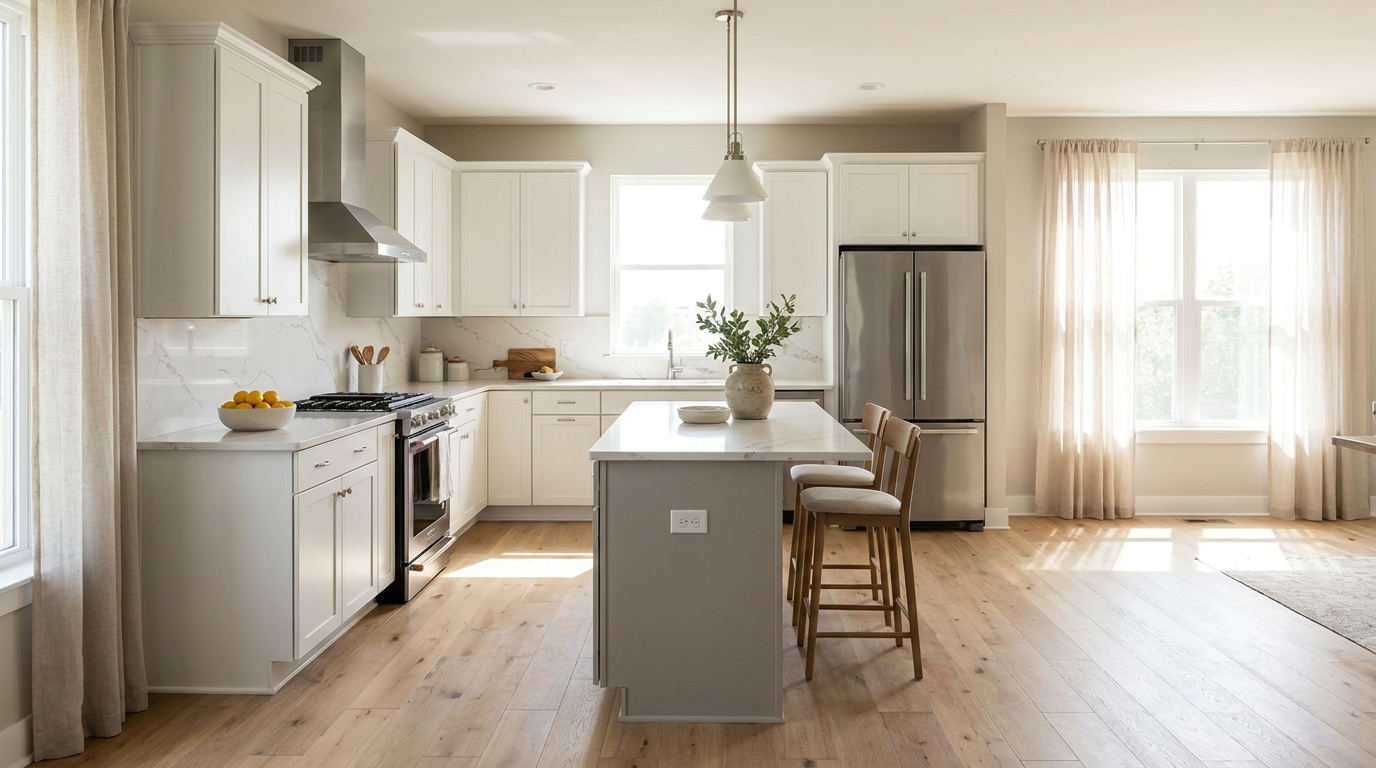
Another reason kitchens perform well is that they influence negotiation. When buyers see a worn kitchen, they often overestimate the cost and disruption involved in replacing it. That creates room for aggressive discounting. By completing the renovation before listing, the seller controls the budget and the design outcome while reducing the buyer’s ability to use future works as leverage in price discussions.
For landlords, there is a similar logic. A well updated kitchen can reduce vacancy periods because it strengthens listing photos and in person inspections. It also tends to attract tenants who are willing to care for the property and stay longer. When a renovation supports both stronger rent and better tenant quality, the long term return can exceed the simple resale calculation.
The Best Kitchen Upgrades for Balanced Return
Not every kitchen expense has equal value. Cosmetic and functional improvements generally outperform highly specialized features. Investors usually see better returns from upgrades that create visual cleanliness, workflow efficiency, and durability. Premium appliances may help at the top end of the market, but in many cases consistent quality beats brand prestige.
- Cabinet refresh or replacement: Updated cabinetry transforms the room and strongly influences perceived age.
- Countertop upgrades: Quartz and other durable surfaces signal low maintenance and modern taste.
- Lighting improvements: Better task and ambient lighting makes the kitchen feel larger and more premium.
- Appliance modernization: Matching, efficient appliances create cohesion and reduce buyer concern.
- Backsplash and hardware: These relatively low cost details often deliver outsized visual impact.
The strategic takeaway is simple. In most markets, a kitchen does not need to be extravagant to be valuable. It needs to look current, function well, and fit the price point of the property. That is where ROI is created.
Bathrooms: Small Footprint, Strong Pricing Influence
Bathrooms are another category where return is often strong because the space has a high intensity of use and a high concentration of visible finishes. Buyers notice grout, tile, vanities, mirrors, water fixtures, lighting, and ventilation almost instantly. An outdated or poorly maintained bathroom signals future expense, while a fresh and well designed one suggests the home has been cared for.
Financially, bathroom renovations benefit from scale. They are usually smaller and less expensive than kitchen remodels, but they carry considerable emotional and practical weight in purchase decisions. A bathroom that feels clean, bright, and contemporary can shift the perception of the entire home. In many cases, that means a moderate investment has the power to protect or lift pricing more effectively than a larger spend elsewhere.
Bathrooms are also important in the rental market. Tenants place high value on functionality, storage, pressure, lighting, and overall cleanliness. A renovated bathroom can support rent growth and reduce turnover, particularly in competitive urban and suburban markets where renters compare multiple properties side by side. Upgrades that improve durability and maintenance performance can also reduce future operational costs for the owner.
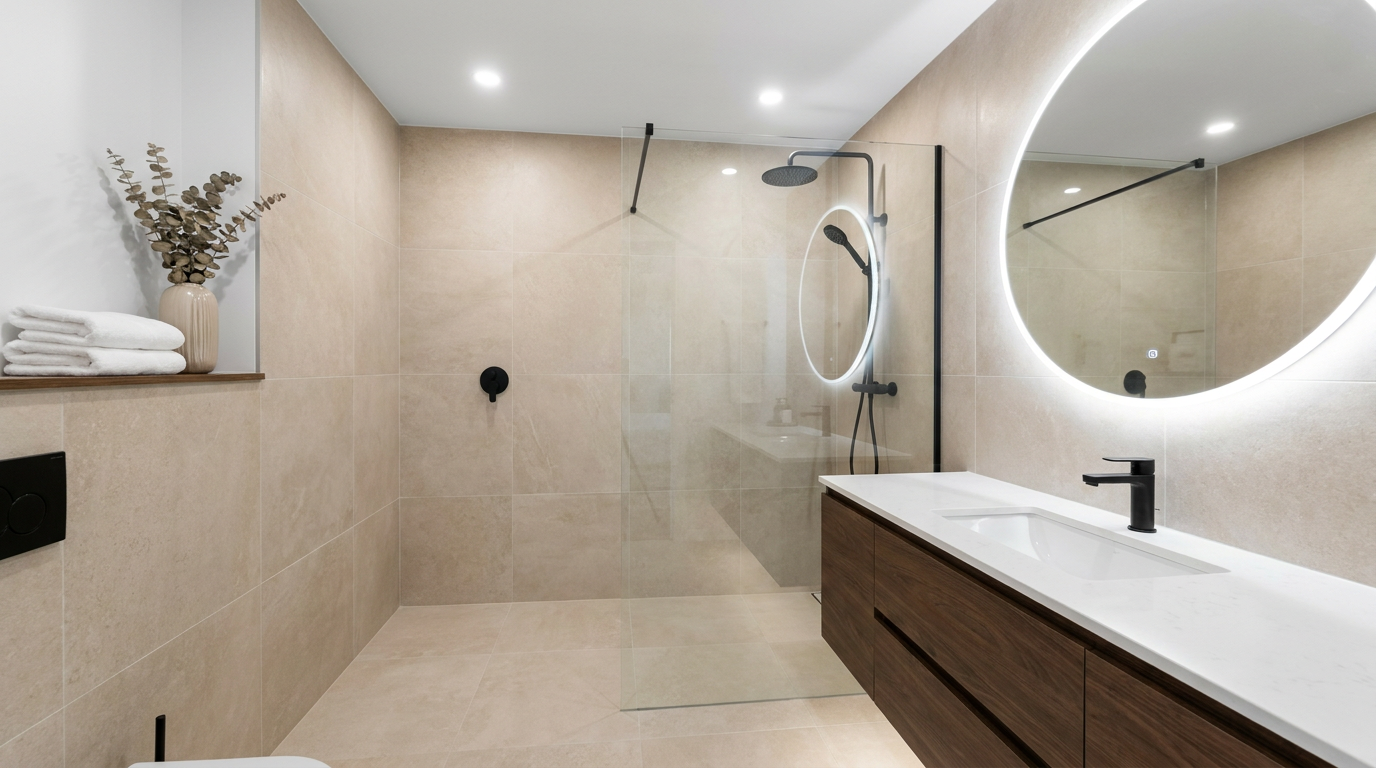
The strongest bathroom ROI typically comes from renovations that modernize the look without introducing excessive design risk. Neutral palettes, frameless glass, updated vanities, practical storage, efficient toilets, and quality ventilation appeal to the widest audience. Highly stylized choices may attract attention, but broad market appeal is what preserves return across different buyer profiles.
What Buyers and Tenants Value Most in Bathrooms
When evaluating bathroom ROI, it helps to focus on the features that improve comfort and confidence. People want a bathroom that feels hygienic, easy to maintain, and logically laid out. In appraisal and resale terms, these are not minor details. They directly influence whether the home feels move in ready.
- Updated shower or bath area because it is the most prominent feature in the room.
- Modern vanity and mirror design because storage and visual order matter.
- Improved lighting and ventilation because they affect both comfort and maintenance.
- Fresh tile and fixtures because worn finishes create an immediate negative impression.
- Water efficient fittings because operating costs and sustainability are increasingly relevant.
In strategic terms, bathrooms perform well because they sit at the intersection of aesthetics, hygiene, and function. Few rooms carry that combination as clearly, and that is why even relatively compact renovations can produce meaningful return.
Curb Appeal: The ROI of First Impressions
Curb appeal is one of the highest leverage categories in renovation because it influences the sale before a buyer enters the home. In the digital market, it affects click through rates on listings. At the physical level, it shapes first impressions on arrival. If the exterior feels neglected, buyers often assume the interior and systems may have been neglected too. That assumption lowers confidence and weakens offers.
The return on exterior improvements often surprises investors because many projects are not especially complex or expensive. Fresh paint, updated lighting, a quality front door, landscaping, pathway repairs, and a pressure cleaned driveway can transform the presentation of a property quickly. These upgrades improve visual trust, and trust is a major factor in how buyers price risk. The cleaner and more complete the property appears, the less room there is for discount based on uncertainty.
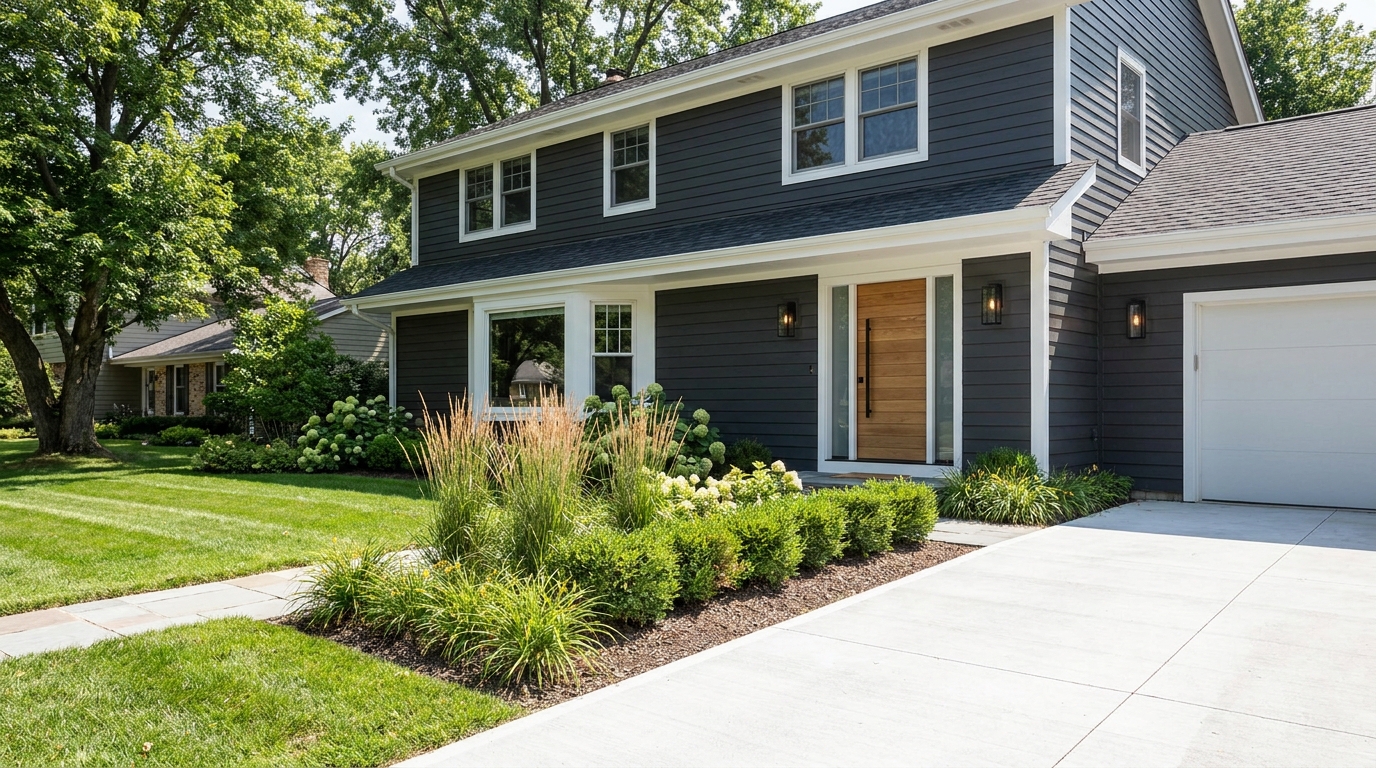
For rental assets, exterior upgrades matter as well. Better curb appeal increases inquiry quality and strengthens the tenant experience from the start. It can also support neighborhood perception and reduce the stigma sometimes attached to older stock. In multifamily or duplex settings, exterior presentation may influence the level of rent the asset can command relative to nearby comparables.
Another important point is that curb appeal has compounding value. Exterior improvements enhance photography, listing performance, inspection mood, and the emotional setup for interior rooms. If the buyer arrives already impressed, the inside of the home does not have to work as hard to maintain momentum. That is a strategic advantage in any pricing environment.
Exterior Upgrades That Tend to Produce Strong Returns
Investors often assume curb appeal requires major landscaping design or structural changes. In reality, many high return projects are straightforward execution items that remove neglect and update the visual story of the home. The market is usually paying for confidence, not extravagance.
- Exterior paint refresh to modernize the facade and communicate maintenance.
- Front door replacement or repainting to create a strong focal point.
- Landscape cleanup and planting to frame the home and soften hard surfaces.
- New house numbers, hardware, and lighting to make the home feel current.
- Driveway and path repairs to reduce visible wear and improve usability.
These projects perform because they are visible immediately and interpreted by almost every buyer in the same way. They make the property feel well managed, and that perception has real financial consequences.
Paint and Flooring: The Quiet ROI Leaders
Some of the highest yielding renovations are not dramatic at all. Fresh interior paint and updated flooring consistently rank among the most effective uses of capital because they influence nearly every room at once. These projects create continuity, cleanliness, and a sense of completion, which is exactly what buyers and tenants want when comparing options.
Paint works because it resets the atmosphere of the home quickly and cost effectively. Neutral tones brighten rooms, improve listing photography, and help buyers imagine themselves in the space. Bold colors may reflect personal style, but they narrow appeal. In investment terms, broad appeal wins because it reduces the chance that a buyer sees the property as something they need to fix immediately after closing.
Flooring delivers similar value. Worn carpet, mismatched materials, stained timber, or dated vinyl can age a home instantly. By contrast, consistent flooring improves flow and makes the property feel more intentional. In many midmarket homes, durable options such as engineered wood, quality laminate, or luxury vinyl plank can create a meaningful uplift in perception without the cost of premium hardwood across every area.
These upgrades are also powerful in rental assets because they help with turnover speed and long term maintenance. Hardwearing, attractive flooring reduces replacement frequency and supports a cleaner look in marketing photos. Fresh paint between tenancies can preserve rent levels and improve renewal prospects. In terms of cost versus visual impact, few renovation categories are as dependable.
Energy Efficiency and Systems Upgrades: The Financial Case Is Strengthening
For years, cosmetic renovations dominated ROI conversations because they were more visible. That is still true to an extent, but energy efficiency and system improvements are becoming more financially important. Buyers are increasingly aware of utility costs, and many tenants now compare heating, cooling, insulation, glazing, and appliance efficiency when assessing affordability. As energy prices and sustainability awareness rise, efficient homes are becoming more competitive assets.
System upgrades may include HVAC replacement, insulation improvements, window upgrades, water heating optimization, smart thermostats, and efficient lighting throughout the property. These projects are not always as visually exciting as a new kitchen, but they reduce operating costs and improve comfort, which strengthens the property’s position in the market. In some cases, they also reduce maintenance risk and support insurance or financing outcomes.
From an investor perspective, efficiency improvements can create return in multiple ways. They may lift resale desirability, support rental premiums, reduce vacancy resistance, lower utility allowances in certain lease structures, and protect the asset against future regulatory shifts. The exact return depends on market type, climate, and buyer awareness, but the strategic value is increasing.
The best approach is often to combine visible renovations with invisible performance upgrades. A buyer may first notice the fresh finishes, but if they also learn the home has efficient systems and lower ongoing costs, perceived value rises further. That combination creates a stronger total investment story.
Layout Improvements and Added Functionality
One of the most underestimated drivers of ROI is usability. Buyers do not only pay for square footage. They pay for how efficiently that square footage works. A property with awkward circulation, poor storage, or underused rooms may underperform even if its total size is strong. Strategic layout changes can correct this issue and unlock value without expanding the structure.
Examples include opening a dated kitchen to a living area, creating a dedicated home office nook, improving storage solutions, converting an underused formal room into a bedroom or study, or enhancing the indoor outdoor connection. These upgrades matter because buyer lifestyles have changed. More people value flexible space for remote work, family interaction, and practical storage than they did a decade ago.
That said, layout changes require discipline. Structural work can become expensive quickly, and not every wall removal or room conversion will be rewarded by the market. The goal is to improve livability in a way that aligns with neighborhood expectations and comparable sales. If a layout update makes the property function like the better performing homes in the area, the ROI case becomes much stronger.
For rental properties, added functionality can directly expand the tenant pool. A two bedroom unit with a well designed study space may compete more effectively with larger properties. A house with improved storage and flow may appeal to family renters willing to pay more for convenience. Functional utility often translates into real pricing power.
Renovations That Often Underperform
Knowing what to avoid is just as important as knowing what to upgrade. Some renovations fail to produce strong return because they are too personalized, too expensive relative to neighborhood standards, or too detached from what buyers actually value. Investors can lose margin not by renovating too little, but by renovating in the wrong direction.
Luxury upgrades that overshoot the local market are a common example. If surrounding properties do not support premium finishes, imported materials, or highly bespoke design features, the extra spend may not be recoverable. Buyers will appreciate quality, but they will still compare the home against other local options. The market sets limits, and ignoring those limits is how overcapitalization happens.
Another weak category includes trend driven design choices that age quickly. Unusual tile selections, bold colors, niche fixtures, and heavily stylized joinery can narrow buyer appeal. There is a difference between modern and memorable. High ROI renovations are usually subtle enough to attract a broad audience while still feeling fresh.
Finally, spending heavily on areas with low visibility or weak demand impact can underperform. This does not mean those areas should be neglected. It means the investment should be proportional to the return opportunity. Capital should flow first to the spaces and systems that buyers and tenants notice, value, and price most directly.
How to Evaluate Renovation ROI Before You Spend
Before starting any project, investors should assess ROI through a market based lens rather than a construction lens alone. The first question is not what can be built. It is what the market will reward. That requires looking at comparable sales, competing listings, local rental stock, and neighborhood finish levels. The renovation should bring the property into alignment with the strongest performing assets in its competitive set.
Next, investors should model the return across several dimensions. These may include expected resale uplift, potential rental increase, reduced days on market, lower vacancy, maintenance savings, and financing implications. A project that appears moderate on resale alone may still be highly attractive once these secondary gains are included. The reverse is also true. A visually impressive renovation can disappoint if it adds cost without improving market position.
It is also wise to build in contingency and timing discipline. Renovation budgets frequently expand through change orders, delays, and finish upgrades made mid project. Strong ROI comes from cost control as much as design quality. Investors who define scope tightly, source materials carefully, and keep decisions aligned with exit strategy usually preserve far more margin than those who improvise their way through the works.
A Practical ROI Screening Framework
Before approving a renovation budget, use a simple framework to test whether the project is likely to perform. A disciplined approach helps remove emotion from the decision and keeps capital focused on measurable outcomes.
- Market relevance: Does the renovation match what buyers or tenants in this area expect?
- Visibility: Will people notice the upgrade quickly during listing review or inspection?
- Functionality: Does it improve daily use, comfort, or maintenance performance?
- Cost discipline: Can the project be completed without exceeding the local value ceiling?
- Exit support: Will it help resale, rental demand, or both?
If a renovation scores well across these categories, the probability of strong ROI increases significantly. The framework is simple, but it reflects how the market actually prices upgraded property.
Renovation Strategy by Investment Goal
The best renovation plan depends on what the investor wants the property to do next. A flip strategy, a refinance and hold strategy, and a long term rental strategy do not prioritize exactly the same things. Understanding the investment objective helps determine where capital should be concentrated and where it should be protected.
For resale focused investors, presentation and broad appeal matter most. Kitchens, bathrooms, paint, flooring, and curb appeal usually lead because they improve listing performance and negotiation strength. The renovation must create a clear visual and functional uplift that buyers can understand instantly. Speed and confidence are part of the return.
For landlords, durability and tenant demand sit closer to the center of the decision. A stylish surface matters, but only if it can withstand turnover and support rent growth. Kitchens, bathrooms, flooring, lighting, storage, and efficient systems tend to perform well in this context because they affect both attractiveness and operating stability. Maintenance reduction should be treated as part of ROI, not a separate issue.
For refinance strategies, valuers and lenders often respond well to improvements that modernize condition, reduce deferred maintenance, and align the asset with stronger comparable properties. Here, the goal is not just aesthetic uplift. It is to strengthen the underlying credit story of the property. Clean execution, documented improvements, and coherent design all help.
Final Thoughts: Invest in Renovations That the Market Understands
The highest ROI renovations are usually not the most complicated. They are the projects that improve how the property looks, works, and competes, all while staying inside the pricing logic of the local market. Kitchens and bathrooms remain leaders because buyers care deeply about them. Curb appeal matters because first impressions shape confidence. Paint and flooring work because they refresh the whole asset efficiently. Energy upgrades are rising because lower operating costs and comfort are becoming more valuable. Layout improvements succeed when they increase functionality in ways today’s buyers and tenants actively seek.
For investors, the central lesson is clear. Renovation should be approached as strategy, not decoration. The goal is to identify the gaps between the property’s current state and the market’s expectations, then close those gaps with disciplined capital deployment. When renovation is guided by data, neighborhood context, and exit intent, return becomes much more predictable.
In practical terms, the best renovation is the one that makes the asset more liquid, more desirable, and more defensible on price. That is what buyers reward. That is what tenants respond to. And that is how well planned upgrades turn property improvement into real investment performance.



No Comment! Be the first one.