Place of Work and the Quiet Poetry of a Cape Breton Retreat
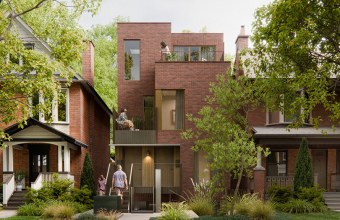
Every so often, a young studio arrives with a sensibility so assured that it feels borrowed from decades of practice rather than four years of one. Place of Work, the Halifax and Toronto based atelier founded by Jennifer Esposito, Duncan Patterson and Will Perkins, is one of those studios. Newly named to the Wallpaper* Architects Directory 2026, the trio have built their entire language around something deceptively simple: paying attention.
What strikes me most about their philosophy is how unfashionably tactile it is. In an industry often chasing spectacle, this studio speaks instead of the sound a door makes when it closes, the coolness of stone underfoot, the way light travels across a wall through the course of a day. These are not incidental details. They are, as the architects themselves note, where ritual, site, material and time converge. It is a design instinct closer to composing a piece of music than drafting a floor plan, and it is precisely the kind of restraint that separates a house from a home.
Their newly completed House in a Meadow Between Forest and Sea, built for a retired couple on the exposed west coast of Cape Breton Island, is the clearest expression of that philosophy so far. The dwelling does not resist its brutal Atlantic setting so much as negotiate with it. Two wings, one holding the primary suite and the other guest quarters and a den, are drawn together by a central living space that reads as the emotional core of the home, the place where movement, gathering and stillness all meet.
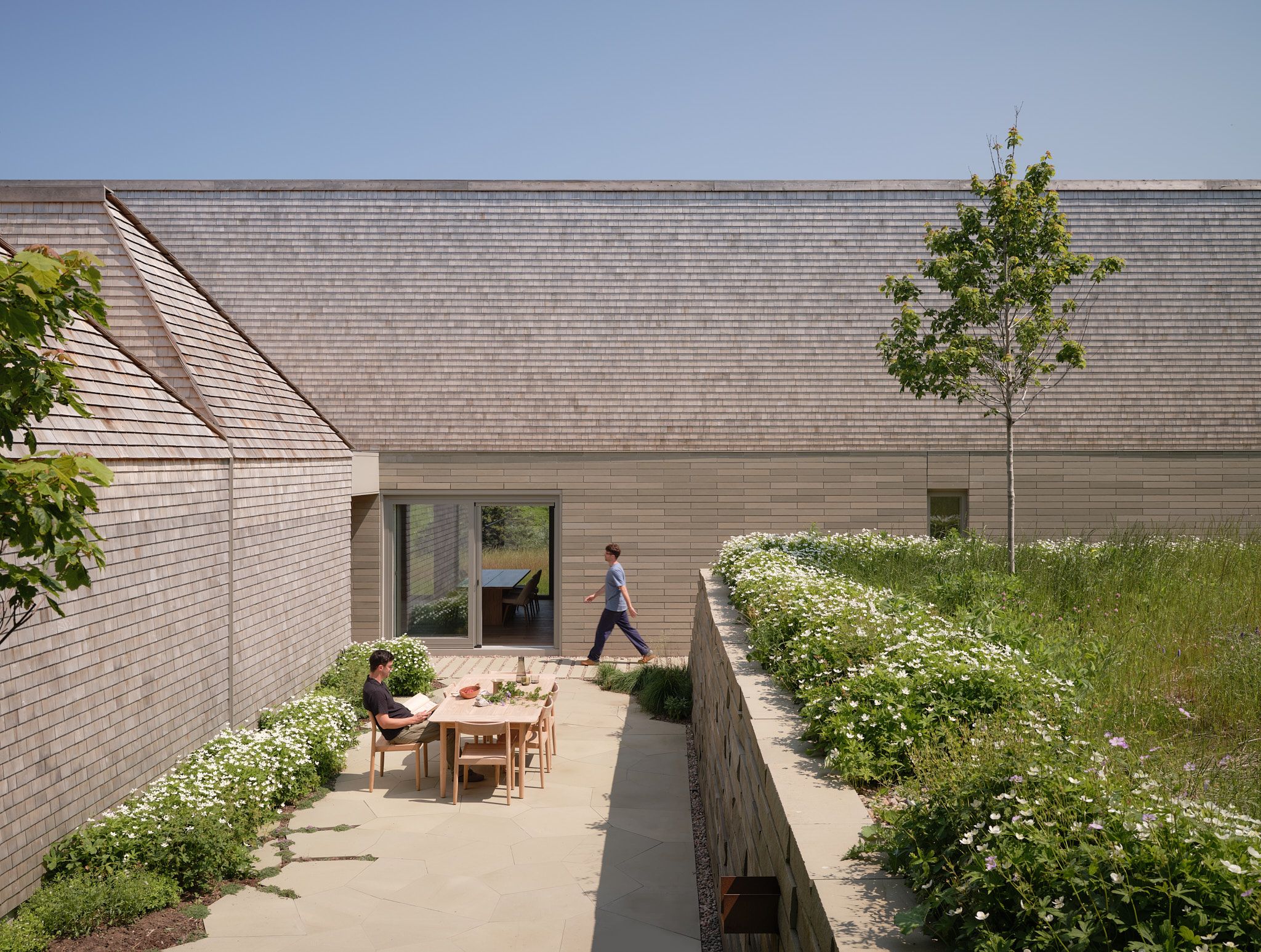
What I find most elegant is the treatment of light as an architectural material in its own right, not an afterthought. Clerestories draw warmth and the passage of time into the main living spaces, while carefully placed north facing openings frame the meadow beyond without ever flattening it into a mere view. Working alongside landscape architects Brackish Design Studio, the team has produced something that feels less like an object placed on a site and more like a continuation of it, distinct from the landscape yet inseparable from it.
Architecture requires deep listening. Climate, topography, material culture and history are forces that shape our approach, but place doesn’t mean anything without people.
That last idea, that place means nothing without people, is what makes Place of Work worth watching well beyond this year’s directory listing. Their ongoing commissions across Atlantic Canada and Ontario suggest a studio choosing depth over volume, favouring clients who allow them the space to work through detail rather than churn through commissions. In a design landscape often obsessed with novelty, there is something genuinely refined about a practice built on listening first and building second.