Why Ontario’s Condo Rules Are Holding Back the Missing Middle
Every housing target in this province eventually runs into the same wall: the rules were not written for the buildings we now need. The Toronto Regional Real Estate Board, working alongside the Ontario Real Estate Association, is pushing the province to confront exactly that problem, calling for a streamlined ownership model built specifically for multiplexes of six units or fewer. It is a narrow ask on paper. In practice, it touches one of the biggest structural gaps in Ontario’s housing supply strategy.
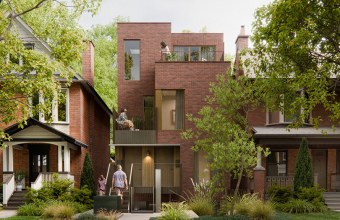
Municipalities across the province have spent the last few years legalizing multiplexes, opening single-family lots to fourplexes, sixplexes, and other gentle density forms. That was the easy part. The harder part, the one policymakers often underestimate, is what happens after zoning changes: can these projects actually get built and sold in a way that works financially. Right now, the answer in Ontario is often no. Our condominium framework was designed for large-scale towers with professional management structures, reserve funds, and the administrative scale to absorb complexity. Apply that same framework to a six-unit building on a residential street and the costs of studies, legal work, and ongoing administration eat into a project that never had that kind of margin to begin with.
That mismatch explains the uptake problem TRREB is flagging. Municipalities opened the door to multiplex housing, but high construction costs combined with a rental-first development bias have kept the actual delivery of ground-oriented, family-friendly ownership units well below what the zoning changes promised. Land economics do not respond to permissions alone. They respond to what a project can realistically sell for and how much it costs to get there. When the ownership structure itself adds friction, developers default to what pencils out, which is often purpose-built rental rather than individually owned units that families and first-time buyers could actually purchase.
A modernized ownership framework will not build a single unit on its own, but it removes a barrier that has been quietly capping supply since municipalities first opened the door to multiplex housing.
British Columbia and Alberta have already moved on this, building ownership models suited to small-scale multiplex projects rather than forcing them through frameworks meant for high-rise condo corporations. TRREB’s position is essentially that Ontario should stop treating this as a niche issue and build a made-in-Ontario version of the same fix. From a development strategy standpoint, that is the right instinct. Housing supply targets are only as credible as the financial pathways that let projects reach completion, and right now the ownership structure is a chokepoint between policy intent and shovels in the ground.
If the province acts on this, the impact will not show up as a single headline announcement. It will show up gradually, in more sixplex and fourplex projects clearing feasibility, in more first-time buyers and right-sizing seniors finding an ownership option between a condo unit and a full detached house, and in more of that missing middle actually reaching the market instead of stalling at the zoning stage. That is the kind of structural fix that matters more than any single project, because it changes what is buildable across the whole province, not just in one neighbourhood.
Source: TRREB, “TRREB Advocating for Streamlined and Easier Ownership Model for Multiplex Housing”.