
Toronto’s Price Pullback Is Opening a Window for Disciplined Buyers
Every softening market tells two stories. One is about anxiety, the other is about opportunity. The latest numbers out of the Greater Toronto Area lean toward the second, if you know how to read them.
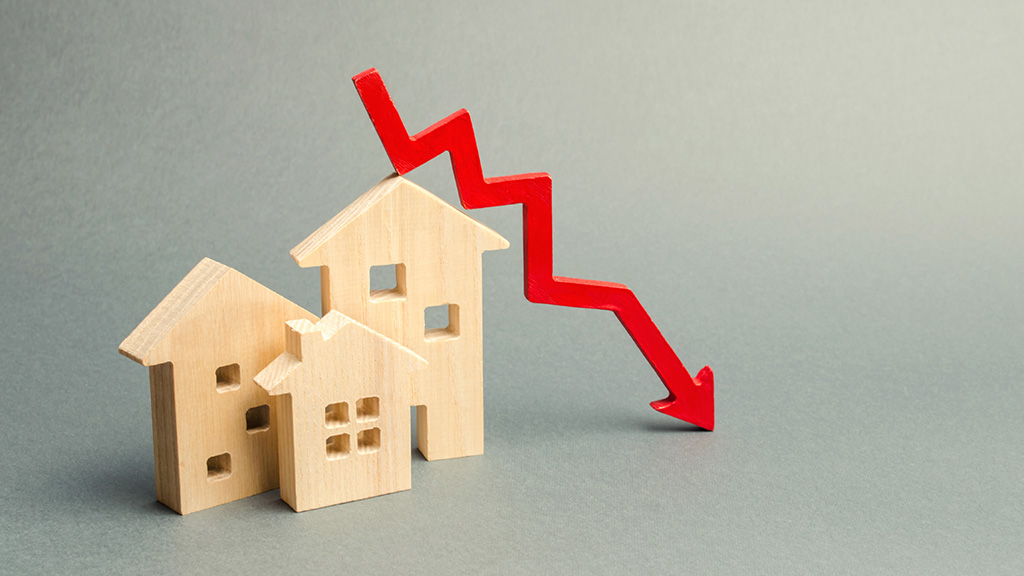
The Toronto Regional Real Estate Board reports 5,995 home sales in July, down a modest 0.9 per cent from a year earlier, breaking a four month streak of year-over-year gains. On its own, that would barely register. What matters more to investors is the price action underneath it. The average selling price fell 4.5 per cent year-over-year to $1,003,956, and the composite benchmark, the truer read on typical home value, dropped 4.6 per cent. That is a meaningful repricing in a market that has spent years defying gravity.
Supply tells the other half of the story. New listings fell 17.8 per cent year-over-year to 14,484, and total active inventory dropped 12.1 per cent to 26,098. Sales climbed 3.2 per cent from June on a seasonally adjusted basis even as fewer sellers came to market. That combination, tightening supply against a stabilizing demand base, is exactly the setup that precedes a floor in pricing.
TRREB president Daniel Steinfeld put it plainly, noting that with sales now representing a larger share of listings, buyers “may find there is less room to negotiate moving forward.” That is a signal worth acting on rather than waiting out. He also pointed to the macro backdrop still weighing on confidence, tariffs, inflation, and borrowing costs, as reasons many would-be buyers are staying on the sidelines. For investors with capital ready and a longer time horizon, that hesitation among the broader public is often where the best entry points are made.
The segment detail matters for anyone building a portfolio strategy. Detached homes were the only category to post a year-over-year sales increase, up 0.6 per cent, suggesting resilience at the higher end even as prices soften. Semi-detached sales fell 5.9 per cent and townhouses dropped 2.7 per cent, while condos held nearly flat at down 0.1 per cent. Within the City of Toronto proper, sales actually rose 2.4 per cent to 2,242, while the surrounding regions saw a 2.7 per cent decline to 3,753, a divergence worth watching for anyone weighing core versus suburban positioning.
If current trends continue, home prices could start to level off compared to last year.
None of this is a call to rush. It is a call to pay attention. Repricing cycles like this one rarely announce themselves clearly until after the best entries have already passed. With inventory contracting and negotiating leverage shifting back toward sellers, investors who move deliberately now, rather than waiting for a headline that says the bottom is confirmed, tend to be the ones writing the strongest returns three years from today.
Source: Toronto Regional Real Estate Board data via Construct Connect.