Ontario’s $1 Billion Infrastructure Bet Signals a Shift in How Housing Supply Gets Unlocked
Land is never the only constraint on housing supply. Pipes, roads, and bridges are just as often the real bottleneck, and Ontario just made that explicit. The provincial and federal governments have jointly committed up to $1 billion, split evenly at $500 million each, to help municipalities build the infrastructure that new housing depends on. This is not a headline about homes being built tomorrow. It is a headline about the groundwork that makes tomorrow’s housing possible at all.
The mechanics matter here. This funding is specifically targeted at municipalities that do not collect development charges for essential infrastructure like roads, bridges, and water systems. That is a deliberate design choice. Development charges are the traditional tool cities use to make growth pay for itself, but in smaller, rural, and northern communities, that revenue base often does not exist or cannot cover the real cost of upgrading aging systems. Without this kind of backstop, those municipalities either stall housing projects or take on debt they cannot sustain.
Ontario’s acting infrastructure minister, Todd McCarthy, framed the announcement around economic resilience amid U.S. tariff pressures, and federal Housing Minister Gregor Robertson pointed to lower upfront costs and increased housing supply as the goal. Both are correct, but the more interesting story for anyone tracking development feasibility is what this reveals about where growth has been quietly stuck. McCarthy said plainly that infrastructure cost is one of the biggest barriers developers and municipalities face, especially where development charges are not implemented.
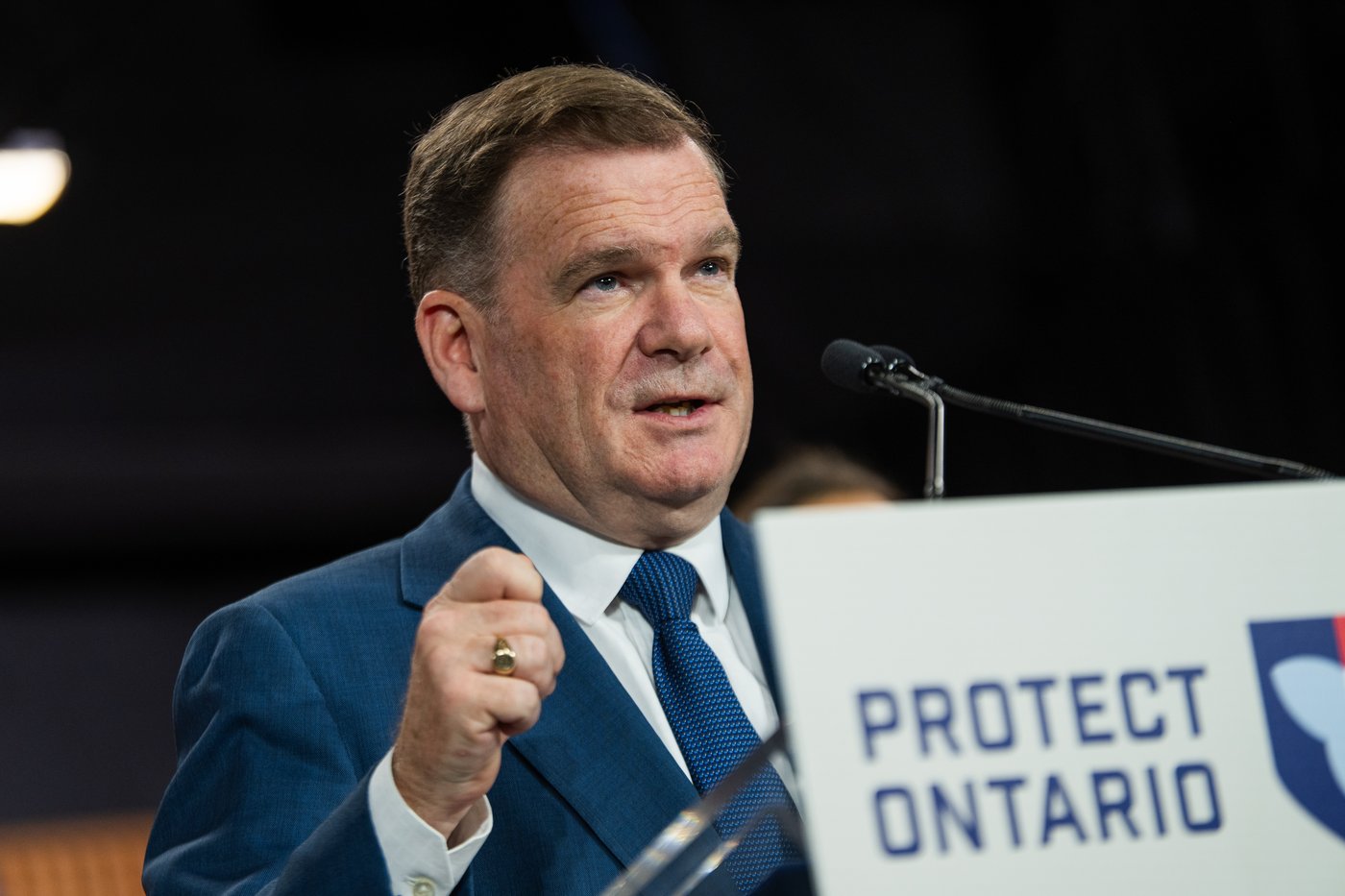
Many municipalities are dealing with repair backlogs, higher construction costs, and limited funding sources for critical infrastructure projects, especially when they do not implement development charges.
What developers and planners should watch closely is the timeline. Applications open on October 29, 2026, with project selection expected in spring. That gap matters for anyone modeling feasibility on land in rural, small, or northern Ontario communities right now. A project that looked marginal because of servicing costs could shift meaningfully once infrastructure funding enters the picture. Robin Jones, president of the Association of Municipalities of Ontario, was right to highlight that these pressures fall hardest on exactly those communities, the ones without the tax base or development charge revenue that larger cities rely on.
There is a broader pattern worth naming. Governments have spent years focused on zoning reform and approval timelines as the primary levers for unlocking housing supply. This announcement is an acknowledgment that those levers only work if the underlying infrastructure can support the growth. A rezoned parcel with no water capacity is not a shovel ready site, it is a paper promise. By subsidizing the physical backbone directly, rather than only the policy environment, this program targets a constraint that has been underweighted in the housing supply conversation.
For anyone evaluating land or partnership opportunities in smaller Ontario municipalities, the next several months are worth tracking closely. Municipalities that move quickly to prepare applications and identify shovel ready infrastructure needs will be positioned to convert this funding into real project momentum ahead of competitors still waiting on servicing capacity elsewhere. In development, timing and access are everything, and this program just changed the timing for a segment of the map that has been waiting a long time for its turn.
Source: CityNews Toronto