When AI Stages the Listing: The Data Integrity Problem Hiding in Real Estate Photos
A listing photo is supposed to be a data point. It tells a buyer what a kitchen looks like, where the radiator sits, whether a dinette could plausibly become a bathroom. When that data point is quietly generated rather than captured, the entire decision chain built on top of it becomes unreliable.
That is the problem a homebuyer recently raised on Reddit, describing listing photos where AI tools had erased radiators, invented renovations, and staged rooms that would cost five figures to actually build, if they could be built at all. One commenter pointed out that moving heating and adding plumbing lines where none exist is never cheap. Another said a separate listing did not disclose the use of AI imagery at all. The frustration was less about the technology itself and more about a simple expectation: what you see should reflect what exists.
From where I sit, this is fundamentally a data provenance issue, not a photography one. Virtual staging has existed for years, and used transparently, it is a reasonable tool for helping buyers visualize an empty room. The shift happens when generative AI stops decluttering and starts fabricating, removing a radiator, adding a bathtub, suggesting square footage or layouts that were never inspected, permitted, or priced. At that point, the image is no longer describing the property. It is describing a hypothetical the platform never labelled as such.
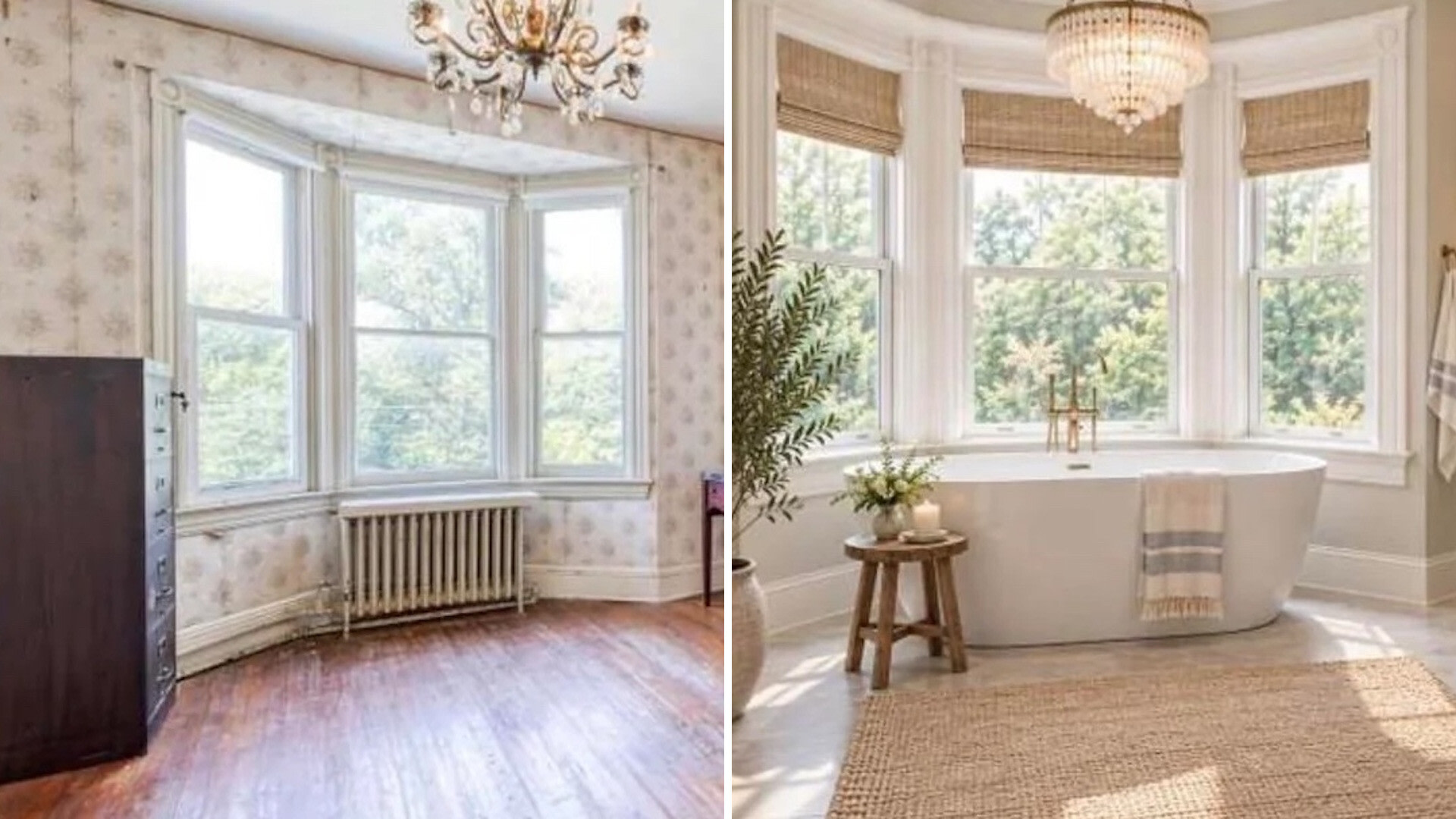
This matters more once you consider how buyers actually use listing platforms today. Search filters, saved searches, and comparison tools all treat photos as a proxy for ground truth, feeding assumptions into every downstream decision: which homes get toured, which get inspected, which get an offer. When an image has been generated rather than photographed, it introduces noise into that pipeline that no algorithm and no buyer can easily detect. The signal is corrupted before the analysis even starts.
An undisclosed AI-generated image is not staging. It is a data quality failure dressed up as marketing.
The fix is not complicated, and it does not require banning the technology. It requires labelling. A simple metadata flag, visible to the buyer and structured for the platform, indicating that an image is AI-generated or AI-altered, would let both humans and search systems treat that data appropriately. Several commenters on the original thread said they simply report suspicious listings when they spot the inconsistency, which tells you the verification burden is currently sitting entirely with the buyer, using nothing more than instinct. That is not a sustainable substitute for disclosure standards.
As more listing platforms experiment with generative tools, the winners will be the ones that treat image provenance as seriously as they treat price accuracy or square footage data. Buyers are already stretched thin on time and money touring homes. A market that lets them trust the photos before they ever book a showing is simply a more efficient one, for everyone involved.
Source: The Cool Down