Why Canada’s Retail Construction Slowdown Signals a Bigger Shift in Urban Land Strategy
When I look at a city’s skyline, I am not just seeing buildings. I am seeing decisions made years earlier about land, risk, and demand. The latest numbers out of JLL tell a story that goes well beyond retail leasing. Retail space under construction in Canada’s major markets has fallen to its lowest level in a decade, just 1.5 million square feet started in the first half of this year, down from 2.7 million a year ago and a steep drop from the 5.3 million square feet we saw back in 2016. That is not a blip. That is a structural shift in how developers are allocating land and capital.
JLL’s Paul Ferreira points to three forces behind the decline: rising construction costs, redevelopment absorbing existing retail inventory instead of adding to it, and the cancellation of residential projects that would have included ground floor retail. That last factor is the one I keep coming back to. It tells us that retail space in this country has become deeply tied to the fate of residential development. When a condo or mixed use tower gets shelved because financing does not pencil out, the retail units that would have anchored its base disappear with it.
This is the kind of interdependence that defines modern urban growth. Retail is no longer being built as a standalone bet on consumer demand. It is riding on the back of residential density. So when rising interest rates, labour shortages, and material costs squeeze residential pro formas, the ripple effect reaches the storefronts that were meant to serve those future residents. Developers planning mixed use projects need to treat retail components not as an afterthought but as a variable directly exposed to the same financing risk as the housing above it.
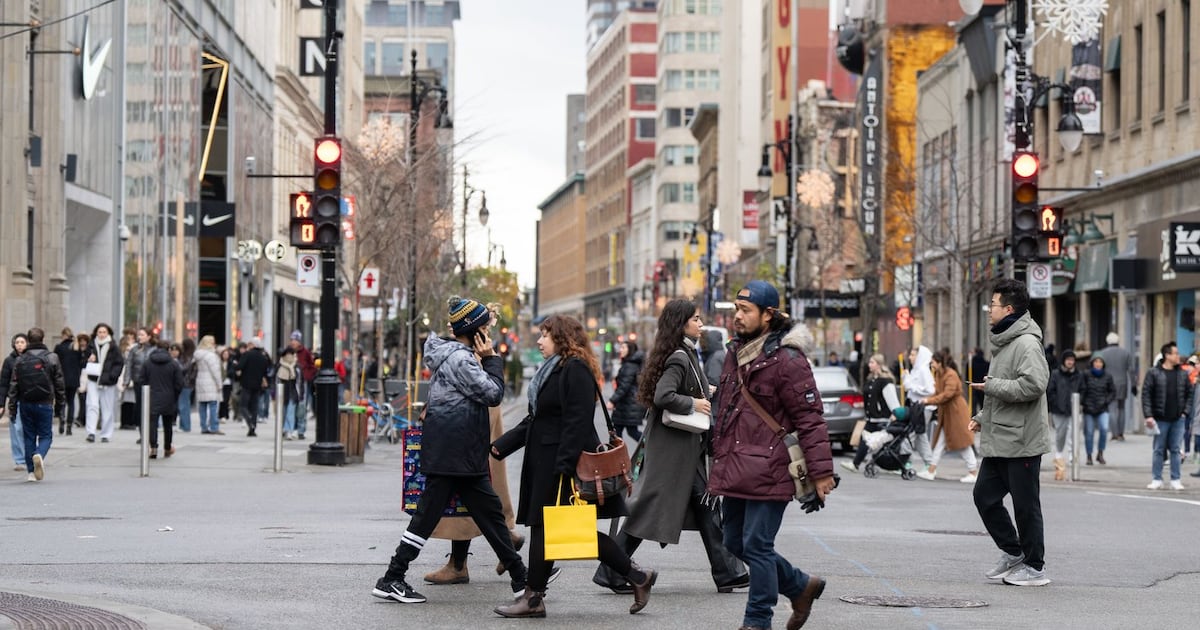
Retail space in this country has become deeply tied to the fate of residential development.
There is also an opportunity hiding in this scarcity. With new retail starts at a ten year low, the supply that does exist becomes more valuable, and redevelopment of older retail sites becomes a more attractive path than ground up construction. For developers with land already in hand, retrofitting and repositioning existing centres may offer a faster, less capital intensive route to market than waiting on a new residential tower to justify a retail podium. Cities should take note too. Planning frameworks that tie retail approvals too tightly to residential density targets may need more flexibility, so that commercial space can move forward even when housing timelines slip.
What this moment really demands is a longer view. Retailers adapting their growth plans to fewer available locations are a symptom of a development pipeline under strain. The developers who understand that connection, between housing finance, land use policy, and commercial space, will be the ones positioned to build the next generation of main streets, not just the next tower.
Source: BNN Bloomberg, “Retailers face tougher search for space as construction drops to 10-year low: JLL”