Why the Bank of Canada Can’t Rate-Cut Its Way to Affordable Housing — And What That Means for Investors
Every serious investor eventually learns the same lesson: a single lever rarely fixes a multi-variable problem. That lesson just got a very public endorsement from one of the most powerful people in Canadian monetary policy. Senior deputy governor Carolyn Rogers told a business audience in Victoria, B.C. recently that the Bank of Canada’s key interest rate is, in her own words, “too blunt” an instrument to solve housing affordability on its own. For those of us who allocate capital into residential real estate, that admission is worth sitting with.
Rogers laid out a structural reality that long-term investors already sense in the data: residential investment has swelled from 4.3 per cent of Canada’s GDP in 2000 to a share that now dwarfs business investment in equipment and machinery, a ratio that has effectively reversed. Housing is no longer just shelter in this economy. It is a dominant asset class, a wealth engine, and a macroeconomic pressure point all at once. That concentration cuts both ways for anyone holding property. It is precisely why price corrections, even modest ones, ripple so widely through construction activity, household balance sheets, and consumer confidence.
The core tension Rogers described is one every rate-sensitive portfolio has lived through over the past several years. Lower rates make credit cheap and pull more buyers into the market, pushing prices up. Higher rates cool demand but also box out the very buyers a healthy market needs for turnover and liquidity. “We set one interest rate for the whole economy,” she said. “We cannot set one rate for housing and another for everything else. And interest rates cannot directly address supply constraints. They can’t build homes, rezone land or speed up permits.” For investors, that is confirmation that supply-side fundamentals, not central bank timing, remain the real long-term value driver in this market.
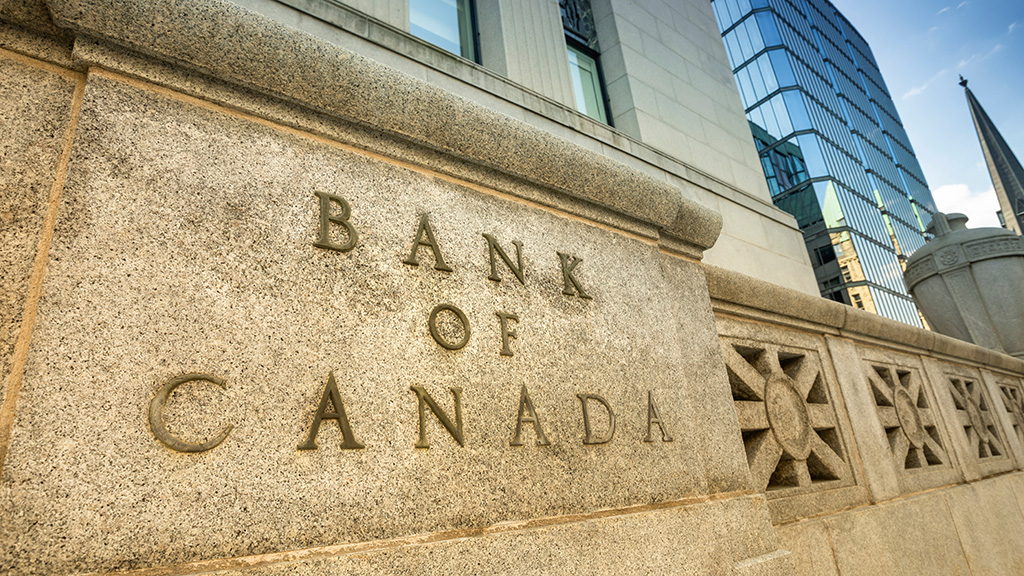
Rogers also pushed back on the narrative that ultra-low pandemic-era rates alone inflated the market. She conceded cheap credit lowered the barrier to entry, but pointed to strong immigration, constrained new supply, and the persistent view of housing as a wealth vehicle as compounding forces. That multi-factor read matters for how we underwrite opportunity today. Markets driven by several converging demand pressures tend to be stickier on the way down and more resilient on the way up than markets moved by rates alone, which argues for discipline in timing rather than chasing short-term rate signals.
The story is more complicated than low interest rates. But that doesn’t let monetary policy off the hook.
What should investors actually take from this? First, treat rate decisions as one input among many, not the signal. Rogers herself flagged that the Bank’s five-year mandate review this fall is wrestling with how to even measure housing within inflation data, given that housing functions as both an asset and a cost. Second, recognize that affordability relief will have to come from coordinated supply policy, land release, rezoning, and permitting speed, areas entirely outside the Bank’s toolkit. Markets and regions that move fastest on those fronts are the ones likely to see the healthiest, most durable price appreciation rather than speculative spikes followed by painful corrections.
Rogers closed by calling for “patience and co-ordination” across government, regulators, and the private sector. That is not the language of a quick fix, and investors should read it accordingly. The opportunities ahead will favour those who track supply pipelines, regional policy shifts, and demand fundamentals with the same rigor they apply to rate forecasts. Timing still matters. But in this cycle, the smartest capital will be the capital that understands housing is being reshaped by policy architecture, not just the overnight rate.