


When the Algorithm Decides Who Gets a Home: What SA’s Inquiry Reveals About Rental Screening AI
Every dataset tells a story about the assumptions behind it. In South Australia, a parliamentary inquiry into the real estate industry has just surfaced an uncomfortable one: rental screening software that filters applicants before a single human ever reviews the file. The signal in this data point is not subtle. When automated systems absorb inputs like income source, family structure, and cultural background, they are not neutral filters. They are decision engines, and decision engines inherit the biases of whatever they are trained to weigh.
Flinders University associate professor Selina Tually told the inquiry that some agents are using these programs to assess applications on exactly those variables, with prospective tenants reportedly asked whether they identify as Aboriginal, whether they have children, and where their income comes from. None of that is predictive of tenancy risk in any defensible model. It is demographic proxy data dressed up as efficiency, and it is being used to eliminate candidates before they ever reach an inspection.
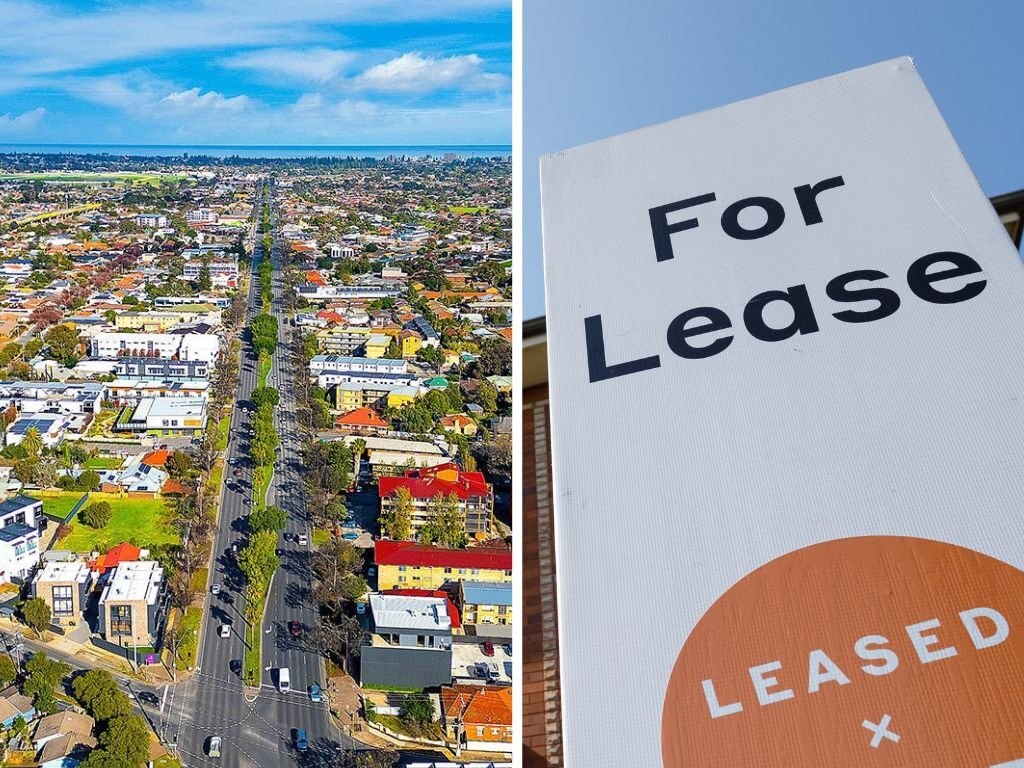
For those of us who track property intelligence tools for a living, this is the exact failure mode worth watching for. Screening automation exists to solve a real logistical problem: agents facing hundreds of applications per listing need a faster way to triage. Done well, that triage can run on legitimate signals such as verified income thresholds, rental history, and reference checks. Done poorly, it becomes a black box that launders discrimination through code, because nobody downstream can see which variable tipped an applicant into the rejected pile.
“South Australians are already struggling to find somewhere affordable to live and now we’re hearing that some people are being knocked out of the running by a computer before they’ve even had a chance to inspect a property.”
That quote from inquiry chair Robert Simms points to the core governance gap. Most of these platforms are sold as proprietary tools, and agents using them often cannot explain their own scoring logic to a regulator, let alone to a rejected applicant. That is a transparency failure as much as an ethics one. If a model cannot be audited, it cannot be trusted, no matter how much time it claims to save a property manager.
The fix here is not to abandon data driven screening. It is to demand better data discipline. That means proptech vendors publishing what inputs their models actually use, regulators requiring explainability before a tool can be deployed in a protected market like housing, and agencies auditing outcomes for disparate impact the same way lenders are required to for credit decisions. The Real Estate Institute of SA has said it supports evidence based scrutiny directed at practical reform, which is the right instinct. The practical reform, in this case, is making the intelligence layer behind rental decisions accountable to the people it affects.
Housing markets run on data now, there is no reversing that. The question this inquiry is really asking is whether that data is being organized to serve fair outcomes or simply to automate old patterns of exclusion faster than before.
Source: realestate.com.au