

Why Canada’s Next Housing Shortage Is Being Decided Right Now
Every development cycle has a moment where short term caution collides with long term consequence. According to CMHC chief economist Mathieu Laberge, speaking at Mortgage Professionals Canada’s 2026 National Mortgage Conference in Calgary, Canada is standing in exactly that moment. Construction is cooling faster than underlying housing need, and the pullback happening today could be laying the groundwork for the next supply crunch.
This is the part of the housing cycle that rarely gets attention from the public, but it is the part that developers and planners live inside. Large condo and rental projects take six to eight years from concept to delivery. Demand, on the other hand, can snap back in a fraction of that time once confidence returns and buyers who paused their plans re-enter the market. Laberge put it plainly: stopping too much construction now to protect against today’s softer conditions can quietly create tomorrow’s shortage.
I have watched this pattern play out across Toronto and other growth markets for years. Affordability has genuinely improved in every major Canadian market since 2023, and increased supply deserves real credit for that progress. But those gains are fragile. They depend on construction pipelines that take years to replace once they are allowed to shrink.
We should not close the fire station because it’s raining.
There is a second, equally important story here about what is actually being built. Laberge described a real mismatch between supply and need: small units in city centres that households cannot afford, and larger homes outside the core that are simply not available in enough volume. Developers have gravitated toward compact units downtown because land economics push them there, while the two and three bedroom homes families actually want near transit and jobs remain scarce. Closing that gap is a land use and project strategy problem as much as a construction one, and it belongs at the center of how we plan the next wave of growth.
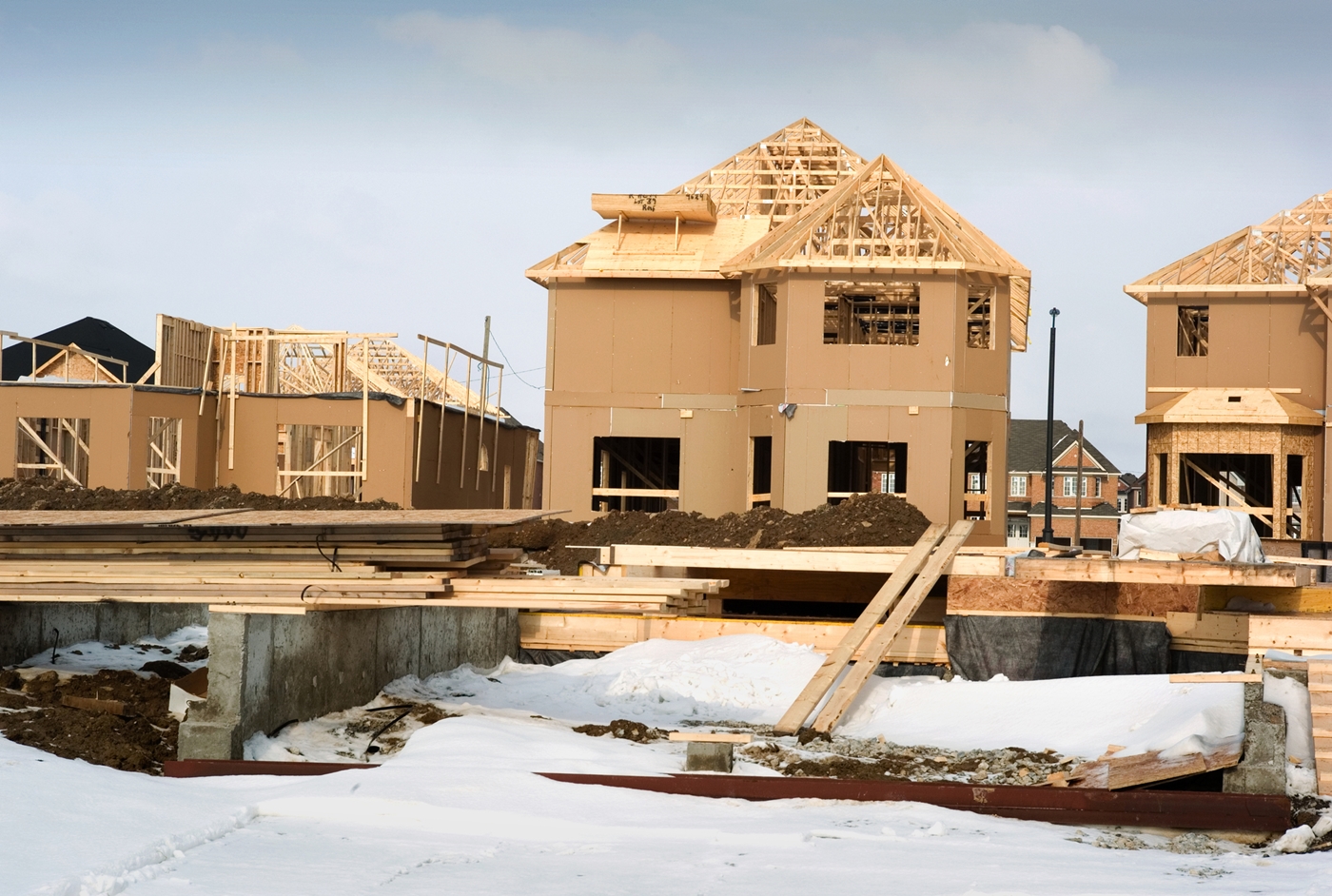
Laberge also pointed to an industry structure problem worth taking seriously. Canada has only six residential construction companies with more than five hundred employees, which means most builders lack the scale to invest in automation, manufacturing, or advanced construction systems. Factory built housing, mass timber, standardized components, and digital design all offer a path toward faster, more consistent delivery, but they require markets large enough to justify the investment. That is a development strategy question, not just a trades question, and it will shape which regions attract the next generation of large scale housing projects.
The financing system will need to evolve alongside these methods too, since factory built housing carries a different cash flow and risk profile than traditional site built construction. For anyone planning long term development strategy right now, the message is clear. This slowdown is not just a pause to wait out. It is the window where the decisions about scale, product mix, and construction capacity will determine whether the next cycle brings balanced growth or another shortage.
Source: Canadian Mortgage Trends