

Canada’s Affordability Crisis Was Built Over Two Decades of Supply Falling Behind
New research from the Canada Mortgage and Housing Corporation confirms something those of us who study land, supply chains, and city growth have been saying for years: Canada’s housing affordability problem was never a single event. It is the compounded result of two decades of demand outrunning construction, city after city, until the pressure that started in Vancouver reached nearly every major market in the country.
CMHC’s findings are stark. Home prices in Canada have more than doubled since 2005, a pace that outstripped most developed economies. Deputy chief economist Aled ab Iorwerth put it plainly: the issue is not simply that prices rose, it is that demand grew faster than supply for longer than in comparable countries. That is a planning and delivery problem as much as it is a financial one, and it belongs squarely in the conversation about how we build cities.
The numbers behind that imbalance are the real story for anyone thinking about long term development strategy. Nearly five new residents arrived for every housing completion in 2023 and 2024. No construction pipeline, however efficient, can absorb that ratio without consequences. Population growth, low borrowing costs through much of the 2010s, and rising incomes all added fuel, but the underlying constraint was always the same: not enough homes approved, financed, and delivered fast enough to meet the people arriving.
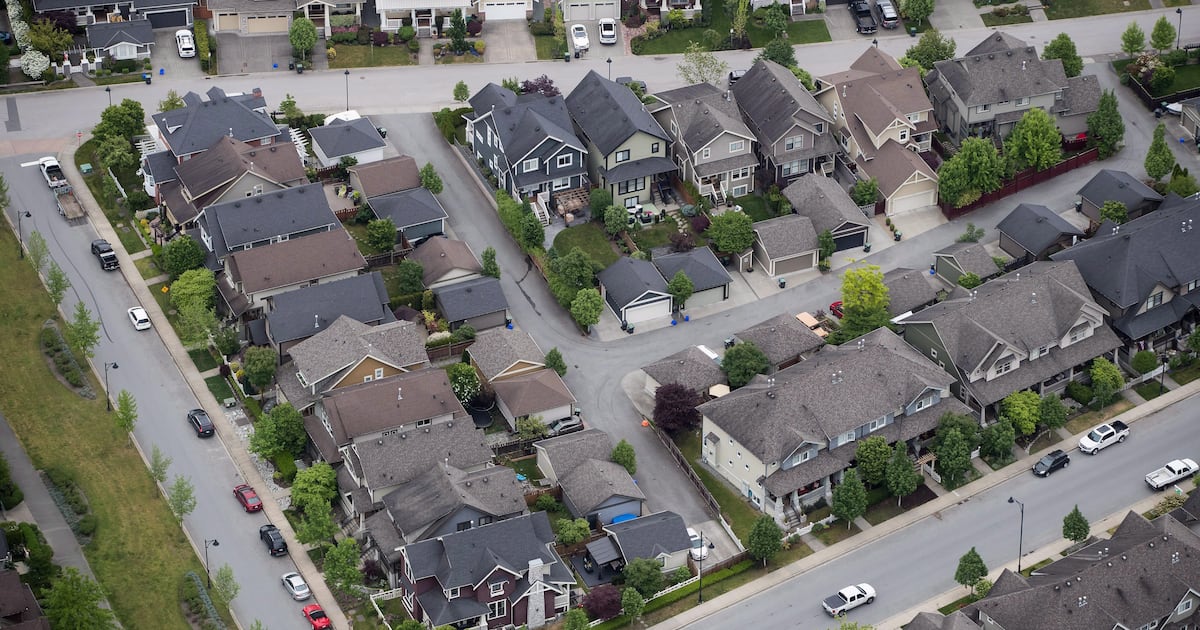
What stands out to me as someone who watched Toronto intensify through exactly this pattern is the geography of it. CMHC traces the affordability problem starting in Vancouver in the early 2000s, hitting Toronto by the early 2010s, then spreading to Ottawa, Montreal, and Halifax. That is not a market behaving randomly. That is a supply shortfall migrating along the path of population growth and investment, city by city, as each one failed to approve and build enough housing to match its own growth story.
The forces behind Canada’s affordability challenges developed over many years and cannot be attributed to a single event.
Even the global financial crisis of 2008-09, which triggered a genuine price correction in the United States, barely slowed Canada down. Prices here saw only a modest dip before resuming steady growth for more than a decade. CMHC notes that even a US-style correction today would still leave Canada among the fastest growing housing markets in the world. That tells you the structural gap between housing targets and housing completions is the variable that matters most, not interest rates or any single economic shock.
For anyone involved in land strategy, municipal approvals, or large scale housing vision, this report is a mandate rather than a diagnosis. The countries that avoided Canada’s trajectory, even with comparable population growth, found ways to move supply closer to pace with demand. That is the work ahead: faster approvals, more serviced land, and development pipelines built for the population growth we already know is coming, not the growth we have already failed to house.
Source: BNN Bloomberg, “Canada’s house prices outpaced other nations in last two decades. Here’s why”.