
Alberta’s Rate Hike Paradox: What the Bank of Canada’s Move Means for Calgary Buyers and Investors
Every investment decision comes down to reading two signals at once, and Alberta right now is giving us both in the same breath. Energy prices are climbing, the provincial economy is benefiting, and yet the Bank of Canada’s quarter point hike this week, taking the benchmark rate to 2.5 per cent, is a reminder that strength in one sector does not always translate into ease for the household balance sheet. For anyone watching Calgary real estate as a place to deploy capital or finally close on a first purchase, this is the kind of moment that separates disciplined decision making from reactive panic.
Here is the number that matters most. On a new $500,000 mortgage with a 25 year amortization, the increase pushes monthly payments from roughly $2,483 to $2,549, a difference of $66 a month assuming lenders pass along the full increase. That is not a figure that breaks a deal on its own, but stacked against daycare costs, groceries, and gas, it tightens the margin for exactly the buyers who need the most room to manoeuvre. Variable rate holders feel this immediately. Fixed rate holders get a reprieve until renewal, which is its own kind of deadline worth planning around now rather than later.
What I find most interesting as an investment question is the market dynamic underneath the rate headline. Local realtors are describing a Calgary market that has shifted toward buyers over the past six to seven months. More listings. More negotiating leverage. Builders sweetening deals with incentives, GST rebates folded into purchase price structuring, and legal basement suite conversions that let a buyer offset their monthly carrying cost with rental income. That last point deserves attention from anyone thinking like an investor rather than a purely emotional buyer. A secondary suite is not just a feature, it is a cash flow lever that changes the math on affordability in a higher rate environment.
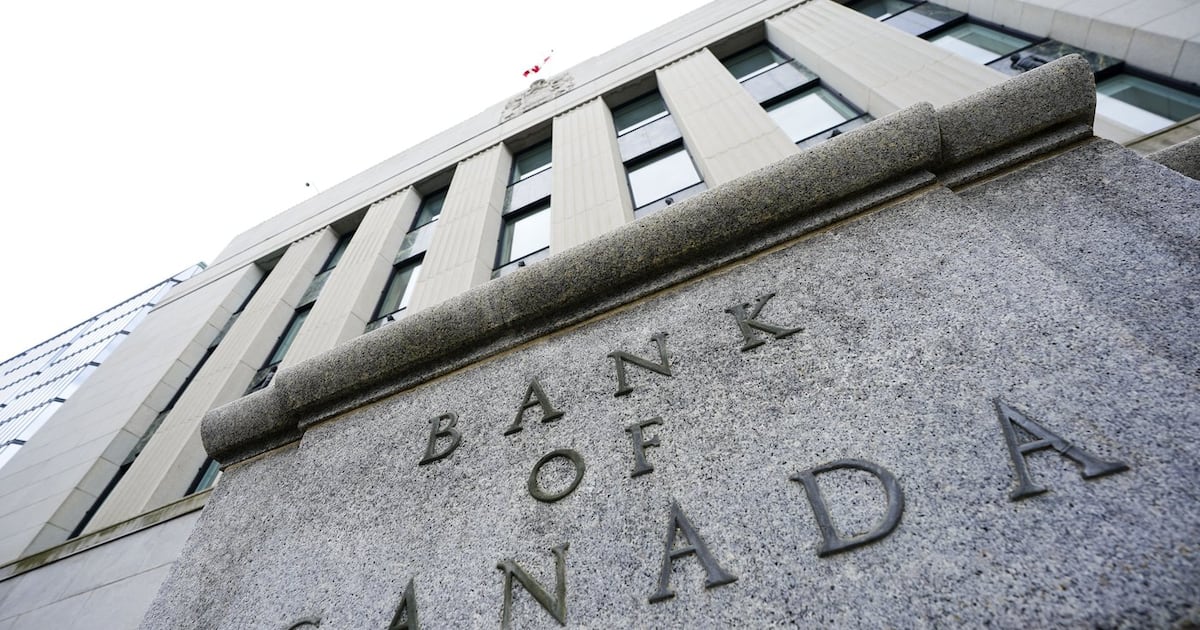
There is also a timing debate worth taking seriously. Moshe Lander, an economics professor at Concordia University, has questioned whether the central bank moved too early, pointing to the volatility in global oil markets driven by conflict in the Middle East and uncertainty around U.S. trade policy. His view is that energy strength in one province should not necessarily dictate national monetary policy, and that the hike may do more harm than good if oil prices retreat just as quickly as they rose. For investors, that uncertainty is itself information. A rate environment built on an unstable input like geopolitical oil shocks is not one to assume is settled. Flexibility in financing structure matters more than usual right now.
We can’t afford homes by ourselves anymore, unlike our parents back in the day.
That line, from a Calgary first time buyer navigating this market with a co-signer, captures the affordability reality underneath every rate decision. But it is also the signal savvy investors should not ignore. When traditional buyers are priced toward the margin, rental demand strengthens, co-ownership structures become more common, and secondary suite income becomes a more central part of underwriting a purchase. A buyer’s market with incentive heavy builders and softer competition is precisely the environment where patient capital finds its entry point, provided the financing is structured to absorb a rate that may still move again before it settles.
The long term direction of the market rarely announces itself in a single rate decision. It shows up in the accumulation of small shifts, more listings, incentive structures, rental offset strategies, and buyer hesitation that eventually becomes opportunity for those watching closely. Alberta’s current moment is exactly that kind of signal worth studying rather than reacting to.
Source: BNN Bloomberg