
Rate Forecasts Keep Missing the Mark: What Smart Borrowers Should Track Instead
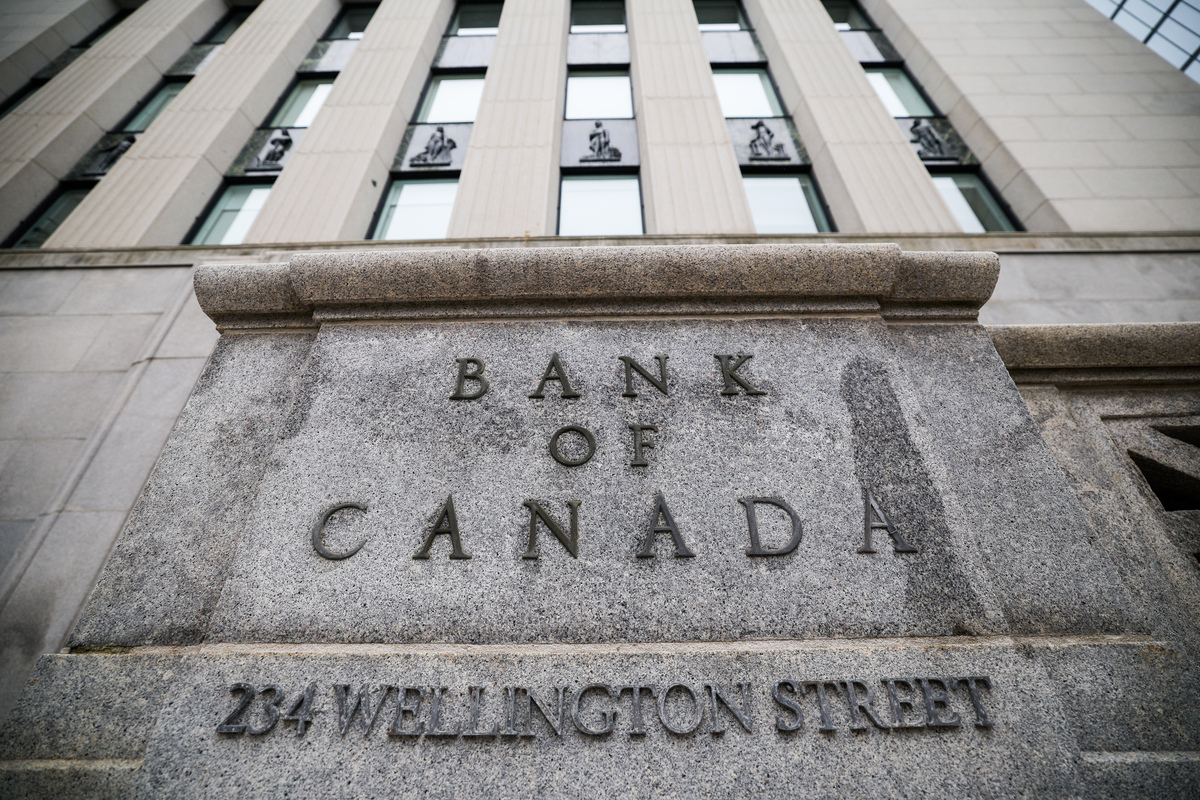
The Bank of Canada just delivered a rate hike that most of the economist class spent months insisting would not happen. For anyone carrying a mortgage, planning a refinance, or weighing a property purchase, this is not an academic footnote. It is a direct lesson in how forecasting failures translate into real financial exposure, and it is exactly the kind of signal I want my readers paying attention to.
For much of this year, the consensus narrative leaned on contained core inflation, a softening labour market, and tariff uncertainty as reasons the central bank would hold steady or even cut. Meanwhile, the bond market told a different story entirely. CanDeal DNA data showed the CORRA forward curve pricing in 75 to 125-plus basis points of tightening well before most public commentary caught up. At certain points, markets were even implying 150-plus basis points of policy tightening over a five-year mortgage horizon. The direction was clear long before the timing was confirmed.
This is the part that matters for anyone treating real estate as a wealth strategy rather than a lifestyle purchase. Fixed versus variable is not a coin flip decided by gut instinct or a bank economist’s monthly note. It is a risk-management decision that should be informed by what the market is actually pricing, not by what a panel of credentialed voices hopes will happen.
There is a practical signal worth building into your own due diligence. Watch the two-year Government of Canada bond yield relative to its moving averages and relative to the overnight target rate. When that yield sits meaningfully above the policy rate and above its longer-term trend, tightening risk is building, often well before it shows up in headlines or official forecasts. Not every investor needs to track this daily, but anyone financing a property, timing a refinance, or structuring a leveraged acquisition should have someone on their team who does.
Pundits have opinions. The bond market has capital at risk. For an investor, that distinction is everything.
It is worth noting that not every forecaster missed this. Scotiabank Economics flagged, nearly a year in advance, that the Bank of Canada was done cutting and that the next move would likely be a hike in the second half of 2026. That kind of conviction, built on reading input costs, fiscal support, and wage pressure correctly rather than chasing consensus, is the standard investors should hold their advisors to.
For KG Invest readers, the takeaway is not to become an amateur bond trader. It is to recognize that financing decisions on investment property deserve the same rigor you apply to selecting a market or underwriting a rental yield. Locking into a long fixed term after yields have already surged and multiple hikes are behind us is a defensive move made too late. The better discipline is watching the signals before the hike, not reacting to the headline after it.
Source: Financial Post, “Why economists typically get interest-rate predictions wrong”