


Essential Tips for Protecting Your Floors: A Comprehensive Guide to Elegant, Practical Care
Floors are among the most quietly important elements in a home. They frame every piece of furniture, catch the changing light throughout the day, and create the visual continuity that allows a room to feel composed and complete. Whether you live with oak planks, polished tile, engineered wood, vinyl, or laminate, your floors carry the beauty of daily life while absorbing its pressure, moisture, grit, and movement. Protecting them is not simply a matter of preserving a finish. It is an act of caring for the atmosphere of the home itself.
Table Of Content
- Why Floor Protection Matters More Than Most Homeowners Realize
- The Three Main Threats to Flooring: Abrasion, Moisture, and Impact
- Start at the Door: Entryway Protection as the First Line of Defense
- Daily Habits That Preserve Beauty Without Feeling Burdensome
- Furniture Protection: The Quiet Luxury of Preventive Details
- Rugs, Runners, and Underlayments: Protection With Design Presence
- Floor-Specific Care: Different Materials, Different Vulnerabilities
- Hardwood and Engineered Wood
- Laminate
- Vinyl
- Tile and Stone
- Moisture Control: The Most Overlooked Element of Floor Protection
- Seasonal Floor Care for Canada and Northern North America
- Cleaning Smarter, Not Harder
- Common Misconceptions That Lead to Unnecessary Damage
- Creating a Floor Protection Routine That Lasts
- Final Thoughts: Preserving the Surface, Protecting the Home
- Quick Reference: Elegant Essentials for Floor Protection
There is a common tendency to think of floor protection as something purely practical, almost secondary to design. In truth, it belongs at the intersection of elegance and function. A well-considered mat at the entry, a refined area rug with the correct backing, discreet furniture glides, and the right cleaning rhythm can preserve both appearance and performance without making a room feel utilitarian. The most successful interiors are not only beautiful when newly finished. They remain graceful through years of use because they were designed, maintained, and protected intelligently.
This guide explores how to protect your floors with a more nuanced lens. It draws together everyday habits, seasonal care routines, moisture awareness, and floor-specific maintenance so homeowners can preserve interior aesthetics while supporting cleaner and healthier spaces. In North America, guidance from public health authorities consistently stresses the importance of moisture control and routine cleaning, not only for material preservation but also for indoor air quality. That perspective matters because the floor is not just a surface we walk on. It is one of the largest environmental surfaces in the home, and it influences comfort, cleanliness, and longevity more than many realize.
When floor care is approached with consistency and sensitivity, it becomes remarkably effective. The goal is not perfection or constant intervention. It is prevention. By stopping abrasion before it scratches, moisture before it penetrates, and dust before it accumulates, homeowners can help floors retain their elegance for much longer. The result is a house that feels more composed underfoot and more serene overall.
Why Floor Protection Matters More Than Most Homeowners Realize
Flooring endures an unusual combination of forces. It must resist foot traffic, shifting furniture, pet claws, rolling chairs, food spills, wet boots, grit from outdoors, and ordinary household dust. Even the most durable materials have vulnerabilities. Hardwood can scratch and swell, laminate can chip and react poorly to standing water, vinyl can dent under heavy furniture, tile grout can absorb stains, and engineered wood can suffer finish wear if cleaned too aggressively. Protection is therefore less about guarding one dramatic threat and more about reducing hundreds of small acts of wear over time.
What makes this subject especially important today is its connection to indoor air quality and moisture management. Health Canada advises homeowners to control indoor humidity and address moisture problems immediately, recommending relative humidity levels around 30 to 50 percent to help prevent mould growth. Excessive moisture is one of the most common causes of poor indoor air, and damp conditions can also invite dust mites, encourage staining, and compromise flooring materials. In tightly sealed homes, especially those designed for greater energy efficiency, humidity can rise if ventilation is inadequate. That makes floor protection part of a broader home health strategy.
Dust also deserves more attention than it typically receives. According to EPA guidance, indoor dust may contain pollen, mold spores, pet dander, dust mites, and in some homes even lead dust. These particles settle on floors and can be stirred back into the air through walking, sweeping, dusting, and vacuuming. Children are especially exposed because they spend more time close to the floor, where dust accumulates. In this sense, protecting floors from buildup through appropriate cleaning is not only about preserving appearance. It also supports a fresher and healthier interior environment.
Floor protection begins long before visible damage appears. The most effective strategies are quiet, consistent, and preventive: trapping grit at the door, managing humidity, cleaning gently but regularly, and reducing direct friction from furniture and daily movement.
The aesthetic value is equally significant. Floors provide visual calm when they remain even in tone, smooth in finish, and free from unnecessary scuffs. A scratched entrance hall or a dulled kitchen floor can subtly lower the perceived quality of an entire home, even if everything else is beautifully furnished. Conversely, a well-maintained floor reflects care, discipline, and thoughtful living. It allows architecture and decor to read more clearly, as if the room can breathe.
The Three Main Threats to Flooring: Abrasion, Moisture, and Impact
Nearly every flooring problem falls into one of three families: abrasion, moisture intrusion, or impact damage. Understanding these categories makes it easier to create a protection plan that is both elegant and practical. Abrasion usually comes from dirt, sand, and fine grit carried in from outdoors or trapped under furniture, mats, and shoes. These particles behave like sandpaper, especially on wood and other finished hard surfaces. The wear can be subtle at first, appearing only as a dull path in areas of regular traffic, but over time it changes the character of the floor.
Moisture is often more deceptive because it can be intermittent and still cause long-term harm. A small leak beneath a sink, winter slush at the threshold, condensation near doors, pet water bowls, and spills left too long can all contribute to edge swelling, finish breakdown, discoloration, or mould growth. Public health guidance in Canada stresses that moisture problems should be fixed immediately because dampness is not simply a cosmetic issue. It can affect both building materials and respiratory comfort.
Impact damage includes dropped objects, heavy furniture legs, appliance movement, and repeated stress from chairs or casters. Tile can crack, wood can dent, and vinyl can compress if weight is concentrated in one place. Even decorative furniture can become a daily threat when it is dragged rather than lifted. The key lesson is that floor protection should be layered. No single product or habit is enough. Effective care comes from combining thoughtful barriers, material-appropriate cleaning, and environmental awareness.
Start at the Door: Entryway Protection as the First Line of Defense
The most graceful floor care routine starts where the outside world meets the interior. Entrances are the point at which water, road salt, sand, pollen, and soil begin their journey across a home. If these materials are not captured early, they spread into adjoining spaces and increase cleaning demands everywhere else. This is why entryway design is one of the most underrated aspects of flooring maintenance. A beautiful threshold can also be a highly functional one.
Use a layered mat strategy whenever possible. Ideally, there is one durable mat outside to reduce larger debris and a second absorbent mat just inside to catch finer particles and moisture. The best versions are low profile, stable underfoot, and visually integrated with the home’s design language. In elegant interiors, this can mean natural textures, subtle patterns, and tones that complement nearby flooring rather than contrast harshly with it. Practicality does not need to feel industrial.
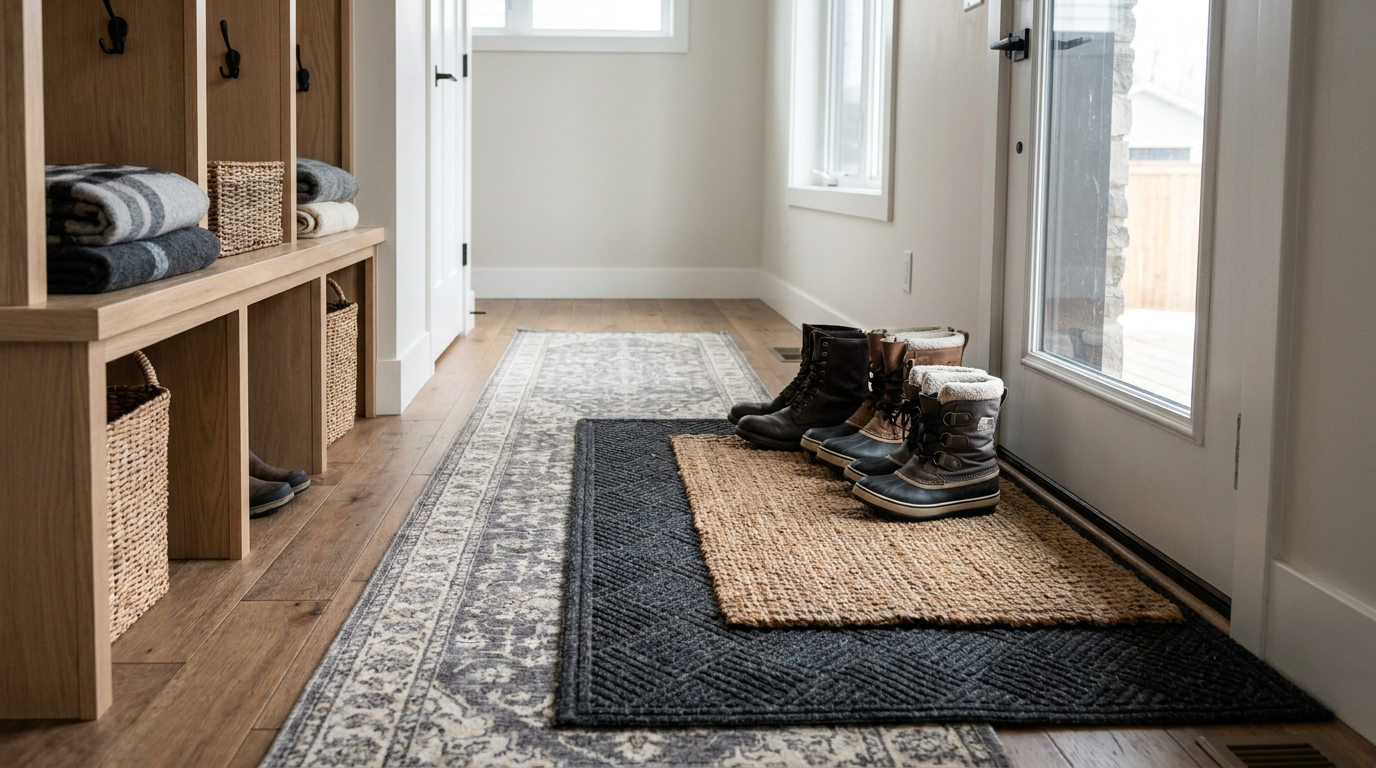
What matters as much as the mat itself is how it is maintained. One of the most persistent misconceptions in flooring care is that rugs and mats automatically protect the surface beneath them. In reality, trapped grit underneath can still scratch a floor, and a damp mat can introduce the very moisture it is meant to stop. Shake out, vacuum, and occasionally lift mats to clean the floor beneath them. If a rug pad or mat backing is worn, cracked, or unsuitable for your floor type, replace it before it causes marking or adhesive transfer.
Shoes also deserve consideration. In climates with snow and road salt, a simple place to remove wet boots can make an enormous difference. Mudrooms, trays, benches, and designated shoe storage reduce the chance that abrasive debris will migrate through the home. This is particularly valuable in family households where repeated comings and goings multiply wear faster than many people expect. Protection at the door is graceful because it prevents disorder before it spreads.
Daily Habits That Preserve Beauty Without Feeling Burdensome
Floor longevity is shaped less by occasional deep cleaning than by ordinary habits repeated every day. Small moments matter. Wiping a spill immediately, lifting rather than dragging a chair, vacuuming fine debris before it is ground into the finish, and checking pet bowls for overflow all help preserve the surface quietly over time. These actions may seem modest, but together they create the difference between a floor that ages evenly and one that develops avoidable damage.
Prompt spill cleanup is one of the simplest and most important rules. Moisture that sits on a surface can seep into seams, edges, or grout lines depending on the material. On hardwood and laminate in particular, delay can lead to swelling or staining that no amount of later cleaning can reverse. Use a soft absorbent cloth and avoid saturating the area in the process of trying to clean it. The goal is removal, not redistribution.
Frequent dust and debris removal is equally important, but the method matters. EPA notes that ordinary household activities can stir settled dust back into the air, which means aggressive dry sweeping is not always the most thoughtful approach. A vacuum suited to hard floors, ideally with a soft-floor setting, can collect grit more effectively while reducing abrasion. Microfiber tools can also be useful because they hold particles rather than simply moving them around. A room can look visually tidy and still contain enough fine debris to wear a finish over time.
If children or pets live in the home, floor routines should be slightly more deliberate. Pets introduce claws, shedding, and tracked-in dirt, while children spend more time physically close to the floor. This makes cleanliness and non-toxic moisture control especially worthwhile. Food crumbs, craft materials, muddy paws, and water drips are not unusual. What matters is having a realistic rhythm for responding to them before they become habitual sources of wear.
Furniture Protection: The Quiet Luxury of Preventive Details
Among the most effective protective measures are also the least visible. Furniture glides, felt pads, and properly chosen chair protectors prevent scratches and compression while preserving the clean visual language of the room. They are a classic example of how utility can serve elegance rather than interrupt it. A dining chair should move easily without leaving arcs of damage behind it. A side table should feel stable and intentional, not like a hidden threat to the finish beneath.
Industry guidance commonly recommends felt or glide-style protectors for chair legs, but it is important to match the protector to both the flooring material and the furniture load. Pads are not one-size-fits-all. A heavy piece may need a more durable glide, while a frequently moved dining chair may benefit from a protector designed for repeated movement without catching. If the wrong product is used, it may fail, collect grit, or leave marks of its own.
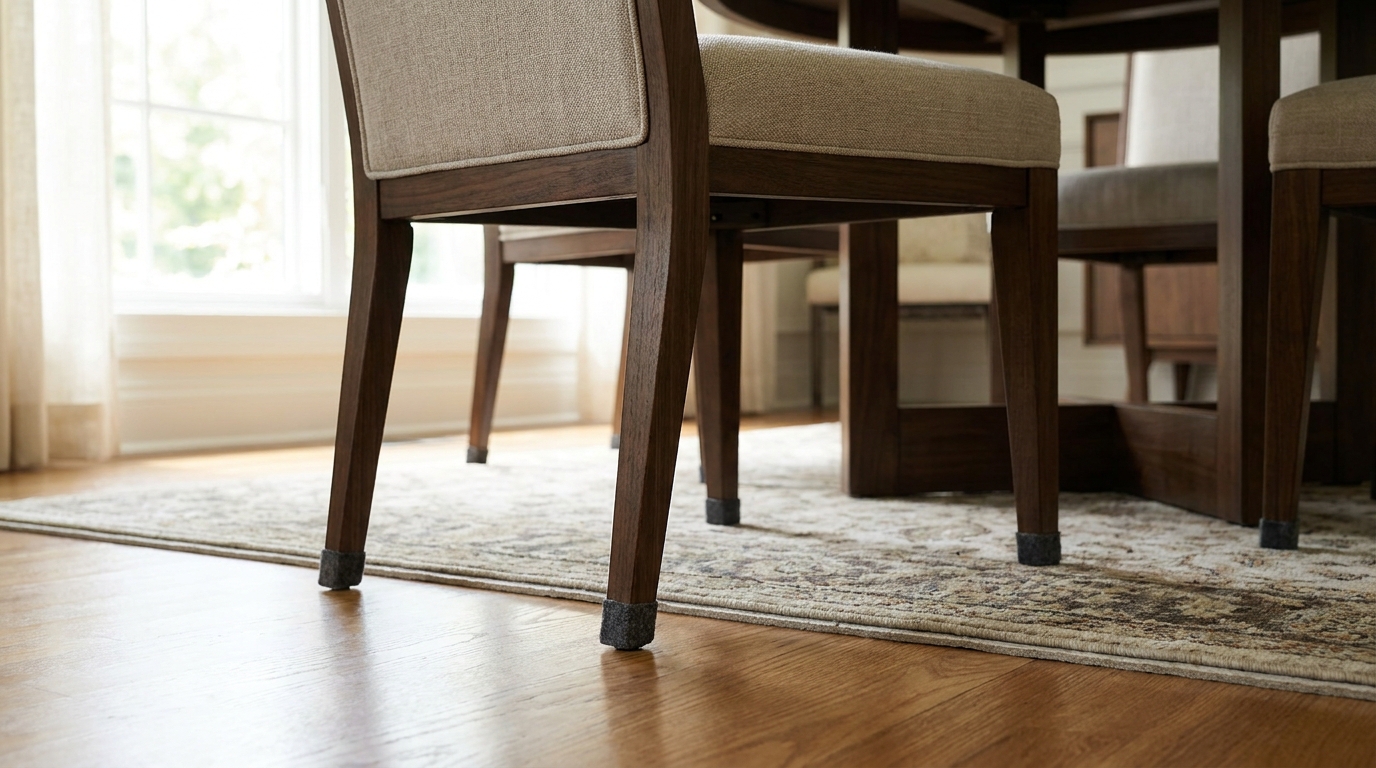
Maintenance is part of the equation. Furniture pads wear down, detach, and accumulate dust. A pad that once protected your floor can become abrasive if it gathers grit or exposes its harder underside. Inspect them regularly, especially in dining areas, offices, and children’s rooms where movement is frequent. This small act of attention costs little and can prevent damage that is expensive and difficult to repair.
For rolling office chairs, the floor may need added protection beyond standard glides. A chair mat designed for the specific flooring type can help distribute movement, though it should be chosen with aesthetic restraint if visual integration matters. In some interiors, repositioning a desk onto a well-sized rug with a suitable underlayment can be both more attractive and more protective. The principle is always the same: protect stress points before wear becomes visible.
Rugs, Runners, and Underlayments: Protection With Design Presence
Area rugs and runners can be among the most beautiful tools in a floor protection strategy. They soften acoustics, define zones, introduce texture, and reduce direct wear in high-traffic paths. Yet they are only as effective as their materials, size, backing, and maintenance allow. An undersized rug can create awkward wear patterns around its perimeter, while an unsuitable backing can trap moisture or discolor a surface. Design-conscious homeowners should think of rugs as both visual composition and technical layer.
Choose rugs for the spaces where traffic naturally concentrates. Hallways, under dining tables, beside beds, and in front of seating areas often benefit from textile protection, especially when the flooring beneath is susceptible to visible wear. The ideal runner or rug feels proportionate to the room and secure underfoot. Slip resistance matters not only for floor preservation but also for fall prevention, particularly in busy family homes and entry zones.
Clean rugs and the floor beneath them routinely. This point bears repeating because it corrects a widespread misconception. Dirt trapped under a rug can create abrasion just as effectively as dirt exposed on top of the floor. Lift corners, vacuum below, and address moisture immediately if a spill soaks through. If the rug sits in a sunny spot, rotate it periodically to encourage more even aging of both rug and floor.
There is also an aesthetic lesson here. The most successful protective rugs do not shout their purpose. They complement the room’s palette, materiality, and rhythm. A coordinated runner in a corridor or a softly textured rug beneath a dining setting can look intentional, architectural, and refined. Protection feels most elegant when it appears inseparable from the design itself.
Floor-Specific Care: Different Materials, Different Vulnerabilities
One of the most damaging misconceptions in floor maintenance is that only hardwood requires thoughtful care. In reality, every flooring material has strengths and weaknesses, and protection should be tailored accordingly. Knowing what your floor resists and what it does not is essential to preserving it without over-treating it.
Hardwood and Engineered Wood
Wood floors respond strongly to abrasion and moisture. Fine grit can dull the finish over time, while standing water may seep into seams and lead to swelling or discoloration. Use soft tools, clean spills promptly, and avoid excessive wet mopping. Engineered wood often offers better dimensional stability than solid wood, but it is not immune to moisture or finish wear. Treat both with restraint and consistency.
Laminate
Laminate is often valued for its durability and ease, yet it can be vulnerable at the edges if exposed to water repeatedly. It also benefits from scratch prevention, especially in homes with pets or heavy chair movement. Vacuuming and damp, not wet, cleaning are usually more appropriate than saturating the surface. Protection at the entry and beneath furniture remains just as important as it is for wood.
Vinyl
Vinyl flooring is resilient and practical, but it can still dent under concentrated weight and suffer from abrasive particles. Some products also react poorly to certain rubber backings or harsh chemical cleaners. A gentle maintenance routine and proper furniture protection preserve its appearance best. Because vinyl is often chosen for kitchens, baths, and family areas, moisture control and routine debris removal are especially worthwhile.
Tile and Stone
Tile may seem nearly indestructible, but grout lines can stain, and hard debris can still scratch glazed or polished surfaces depending on the finish. Stone requires even more material awareness because some varieties are porous and sensitive to inappropriate cleaners. Protection here often focuses on capturing grit, controlling moisture in surrounding areas, and preserving safe traction. Rugs and runners can soften hard zones while also reducing wear.
Moisture Control: The Most Overlooked Element of Floor Protection
If abrasion is the visible enemy of flooring, moisture is the quieter one. It moves below the threshold of immediate notice, accumulating under mats, around appliances, at exterior doors, near window condensation, and in the small daily drips of household life. Yet moisture is central not only to floor preservation but also to indoor air quality. Health Canada explains that excessive moisture is a common cause of poor indoor air because it promotes mould and dust mites, and it notes that people living in damp or mouldy homes are more likely to experience irritation, coughing, wheezing, shortness of breath, and worsening asthma symptoms.
For homeowners, this means that floor protection should always include humidity awareness. Maintaining indoor relative humidity around 30 to 50 percent can help prevent mould growth and reduce unnecessary stress on many flooring materials. In winter, tightly sealed homes may trap humidity indoors even while outdoor air feels dry. In spring and summer, thaw, rain, and humid weather can introduce a different kind of moisture pressure. The floor often reveals these imbalances early through cupping, edge changes, staining, or persistent dampness near thresholds.
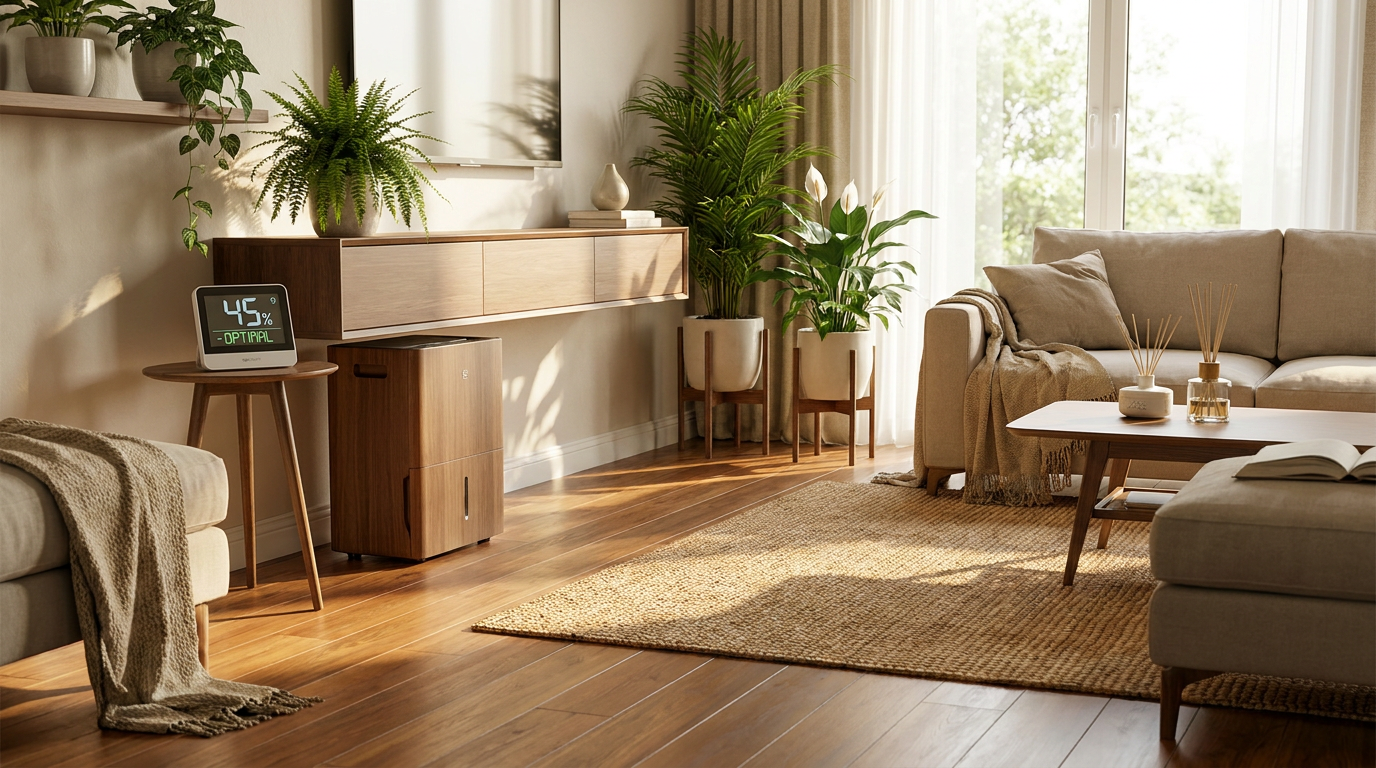
Use a hygrometer or indoor humidity monitor if moisture issues are recurring or seasonal. Check vulnerable areas such as beneath sinks, around dishwashers, behind refrigerators, and near laundry appliances. If you notice repeated condensation, musty odors, or dampness at the perimeter of a room, investigate promptly rather than waiting for visible floor damage. Moisture management is not dramatic work, but it is among the most consequential forms of home care.
Ventilation also matters. Bathrooms, kitchens, laundry zones, and lower levels should be aired appropriately so humidity does not settle into finishes and subfloors. In some homes, a dehumidifier is a practical seasonal tool, especially in basements or humid climates. Thoughtful moisture control preserves materials quietly while making the home feel cleaner and more comfortable overall.
Seasonal Floor Care for Canada and Northern North America
Seasonal shifts transform the way floors age. In Canada and northern North America, winter is often the harshest period for flooring because it combines salt, sand, slush, melting snow, and repeated wet-dry cycles at the door. These elements wear finishes quickly if not trapped early. Entrance routines become especially important during this season. Mats should be cleaned more frequently, wet footwear should be contained, and puddles should never be left to evaporate on their own.
Spring introduces thaw and hidden moisture. Melting snow around foundations, wetter outdoor conditions, and open windows can increase humidity or reveal leaks that were less noticeable during colder months. This is a good time to inspect the perimeter of the home, check beneath rugs, and evaluate whether indoor humidity is climbing above a comfortable range. It is also an ideal season to refresh furniture pads and deep clean high-traffic zones that worked hard through winter.
Summer often appears benign, but humidity can quietly stress floors, especially wood-based materials. Homes with poor ventilation may retain moisture for longer than expected. Sand from beaches, patios, or gardens also becomes a seasonal abrasive. Aesthetic summer living often invites doors open, feet bare, and movement between indoors and outdoors, so transitional rugs and disciplined cleaning become especially useful.
Autumn is the season of preparation. Before wet weather returns, evaluate mats, rug backings, sealants where appropriate, and mudroom organization. Vacuum under furniture, inspect entry areas, and create a realistic winter plan for shoes, pets, and outdoor gear. Seasonal floor care is not about adding complexity to life. It is about aligning maintenance with climate so that beauty survives the realities of place.
Cleaning Smarter, Not Harder
Many homeowners assume that more cleaning automatically means better floor protection. This is not always true. Cleaning methods that are too abrasive, too wet, or too chemically aggressive can create unnecessary wear. The floor benefits most from cleaning that is regular, floor-specific, and proportionate to actual conditions. Precision matters more than intensity.
Begin by following the flooring manufacturer’s care guidance whenever available, especially if the floor is new or under warranty. This helps avoid incompatible products and preserves your ability to address defects should they arise later. Use non-abrasive tools, avoid dirty mop heads that merely redistribute grit, and be cautious with DIY solutions that promise shine but may leave residue. Residue attracts soil, dulls finishes, and can complicate future cleaning.
Vacuuming often deserves priority over sweeping in homes with hard-surface floors because it removes particulate matter more effectively and may reduce how much dust becomes airborne again. Since EPA notes that indoor dust can contain biological particles and other contaminants, frequent source control is valuable. A microfiber dust mop can complement vacuuming between more thorough passes, particularly in lower-traffic rooms. The goal is to remove particles while minimizing friction.
Spot cleaning should be calm and immediate. A soft cloth, warm water where appropriate, and a floor-approved cleaner are often all that is needed. Resist the temptation to scrub aggressively. Preservation is gentler than panic. The floor responds best to thoughtful intervention carried out early.
Common Misconceptions That Lead to Unnecessary Damage
Floor care is filled with assumptions that sound sensible but often produce disappointing results. One misconception is that rugs and mats alone solve the problem of wear. They help significantly, but only if they are properly sized, cleaned, and paired with suitable backing. If dirt collects underneath, the rug becomes part of the problem rather than the solution.
Another misconception is that only natural wood floors deserve protection. In reality, tile, laminate, vinyl, and engineered wood each have their own failure points. Moisture can penetrate vulnerable seams, impact can chip edges, and abrasive particles can dull many surfaces. Every flooring material benefits from moisture control, non-abrasive cleaning, and some degree of furniture protection.
A third misconception is that a visibly clean room no longer needs floor protection. Dust is not just visible dirt. It can include pollen, pet dander, mold spores, and other fine particles that settle out of sight and still influence both wear and air quality. Likewise, furniture pads are not permanent. They require inspection and replacement. Practical elegance relies on maintenance that is discreet but ongoing.
Creating a Floor Protection Routine That Lasts
The finest home maintenance systems are those that can be sustained gracefully. Floor protection should not feel like a punishing set of chores. It should become a rhythm built into the way a household functions. Begin with the highest-impact measures: establish clean, absorbent entry points, use proper furniture pads, remove grit routinely, address spills immediately, and keep humidity within a healthy range. These simple habits resolve most preventable issues before they begin.
Then refine by room. Kitchens and bathrooms need closer moisture attention, dining rooms need dependable chair protection, hallways may need runners, and family spaces benefit from more frequent dust control. If pets are present, create a plan for paw cleaning and water-bowl placement. If winters are severe, organize a mudroom or landing area that can absorb seasonal mess without letting it travel. Beauty is easier to maintain when the home supports good habits naturally.
It is also wise to conduct occasional reviews. Look at mats, underlayments, glides, humidity readings, and wear patterns. Floors often reveal where a routine is incomplete. A dull patch near a doorway, a slight scrape pattern under chairs, or a recurring damp area beside an appliance are not random flaws. They are useful messages. Responding early is what preserves both the material and the refinement of the interior.
Final Thoughts: Preserving the Surface, Protecting the Home
To protect a floor well is to understand that it does far more than support our steps. It holds atmosphere, reflects light, frames furniture, and absorbs the movement of everyday life. When cared for thoughtfully, it keeps a room feeling calm, polished, and enduring. When neglected, it can quietly diminish the beauty of even the most carefully decorated space. Floor protection is therefore not a narrow maintenance task. It is part of how a home stays elegant over time.
The most effective approach is never excessive. It is composed of clear, intelligent measures: trap debris at the entrance, choose rugs and protectors with care, clean with appropriate tools, manage indoor humidity, and adapt routines to season and household life. Public health guidance reinforces what good design has long understood. Moisture control and routine cleaning protect not only materials but the quality of the indoor environment itself. In this way, floor care becomes both practical and deeply domestic, a gesture of stewardship as much as maintenance.
If there is a single principle to remember, it is this: protective details should feel integrated, not intrusive. The most successful homes are those where prevention has been woven gently into daily life. A low-profile mat, a discreet felt glide, a dry threshold, a clean runner, a well-ventilated room. These are modest gestures, yet together they preserve the visual serenity and material richness that make a home feel beautifully kept. Floors reward attention. Under careful stewardship, they continue to ground the life of the house with quiet grace.
Quick Reference: Elegant Essentials for Floor Protection
- Trap grit early with layered entry mats and a dedicated place for wet shoes.
- Clean spills immediately so moisture does not penetrate seams, finishes, or grout.
- Use furniture pads and glides that suit the floor type and the weight of the piece.
- Vacuum or microfiber clean regularly to reduce abrasive dust and tracked debris.
- Inspect rugs and mats so grit and moisture are not trapped underneath.
- Maintain indoor humidity at 30 to 50 percent to help prevent mould and material stress.
- Adjust routines by season especially during winter slush and summer humidity.
- Follow manufacturer care guidance to protect finishes and preserve warranties.


No Comment! Be the first one.