



Maximize Your Home’s Efficiency: A Comprehensive Guide to HVAC Optimization
Heating and cooling shape daily life more than most homeowners realize. They influence comfort, sleep, indoor air quality, seasonal utility bills, and the overall energy profile of a house. When an HVAC system is working well, the home feels steady and healthy in the background. When it is not, the signs tend to show up everywhere at once, from hot and cold spots to noisy cycling, stale air, and surprisingly high monthly costs.
Table Of Content
- Why HVAC optimization matters more than a simple equipment upgrade
- Start with the most attainable wins
- Replace or clean filters on schedule
- Keep vents, registers, and returns clear
- Clean around the outdoor unit
- Schedule professional tune ups
- Seal the leaks that waste conditioned air
- Ductwork is where many homes quietly lose efficiency
- What proper duct improvement looks like
- Use thermostat strategy to support efficiency, not fight it
- How to set up an energy smart routine
- Do not ignore insulation and the building envelope
- Why proper sizing matters when it is time to replace equipment
- Heat pumps as a realistic upgrade path
- What to evaluate before choosing a heat pump
- Ventilation and indoor air quality belong in the efficiency conversation
- When a home energy audit is worth it
- A practical order of operations for homeowners
- Common mistakes to avoid
- HVAC efficiency as part of a broader sustainability journey
- Final thoughts
The encouraging news is that HVAC optimization does not have to begin with a major renovation. In many homes, the best results come from a sequence of practical improvements rather than one dramatic purchase. Regular maintenance, better airflow, duct sealing, air sealing, smart controls, and well chosen upgrades can noticeably improve efficiency while also supporting a lower impact lifestyle. That makes HVAC optimization one of the most approachable sustainability projects for homeowners who want meaningful savings without unnecessary complexity.
Across Canada and North America, this approach is becoming increasingly relevant. Energy costs remain a concern for many households, and public policy is also encouraging cleaner, more efficient homes. Natural Resources Canada has reported strong uptake of heat pumps under federal support programs, alongside major investment through the Canada Greener Homes Initiative. That broader momentum matters because it reframes efficiency not as a niche technical issue, but as part of a practical path toward affordability, resilience, and reduced emissions.
This guide brings those ideas together in a clear and grounded way. We will look at what really improves HVAC performance, what homeowners can handle themselves, when it makes sense to call a professional, and how to think about upgrades through both an economic and environmental lens. If your goal is a home that feels better and wastes less, this is an excellent place to begin.
Why HVAC optimization matters more than a simple equipment upgrade
One of the most common misconceptions in home performance is the idea that an aging furnace or air conditioner is automatically the main source of inefficiency. Sometimes that is true, but not always. In many cases, the larger problem is that conditioned air is being lost through leaks, poor duct connections, weak insulation, or an imbalanced system. Replacing equipment without addressing those underlying issues can leave much of the waste untouched.
Authoritative guidance from ENERGY STAR and ASHRAE consistently points homeowners toward a broader view. ENERGY STAR notes that sealing and insulating ducts can improve heating and cooling efficiency by as much as 20 percent, and sometimes more. ASHRAE also warns that oversized equipment can raise monthly bills, shorten system life, and cause frequent short cycling. These are important reminders that performance depends not just on the machine itself, but on how the entire home and distribution system work together.
That whole home perspective is especially useful for homeowners trying to balance budget and sustainability. A new system can be a valuable investment, but the best value often comes when it is paired with reduced air leakage, better envelope performance, and properly managed airflow. In other words, true optimization means making sure the home needs less energy in the first place, then delivering that energy more efficiently.
Practical takeaway: Before assuming you need new heating or cooling equipment, look for simpler causes of wasted energy such as dirty filters, blocked vents, duct leakage, attic air leaks, and poor thermostat settings.
Start with the most attainable wins
For most households, the best first step is not shopping for new technology. It is making sure the existing system can operate as intended. Small maintenance habits often have an outsized effect because HVAC systems depend on clean airflow, unobstructed distribution, and steady operation. Neglect in any one of those areas can quietly chip away at performance month after month.
These early improvements are also encouraging because they tend to be affordable and visible. Homeowners can often feel a difference in comfort within days, especially if some rooms have been under supplied with air or if the system has been struggling against dirty components. That immediate feedback makes efficiency feel less abstract and more connected to everyday living.
If you are not sure where to begin, focus first on the fundamentals of airflow, cleanliness, and control. These are the areas where routine care supports both lower energy use and healthier indoor conditions.
Replace or clean filters on schedule
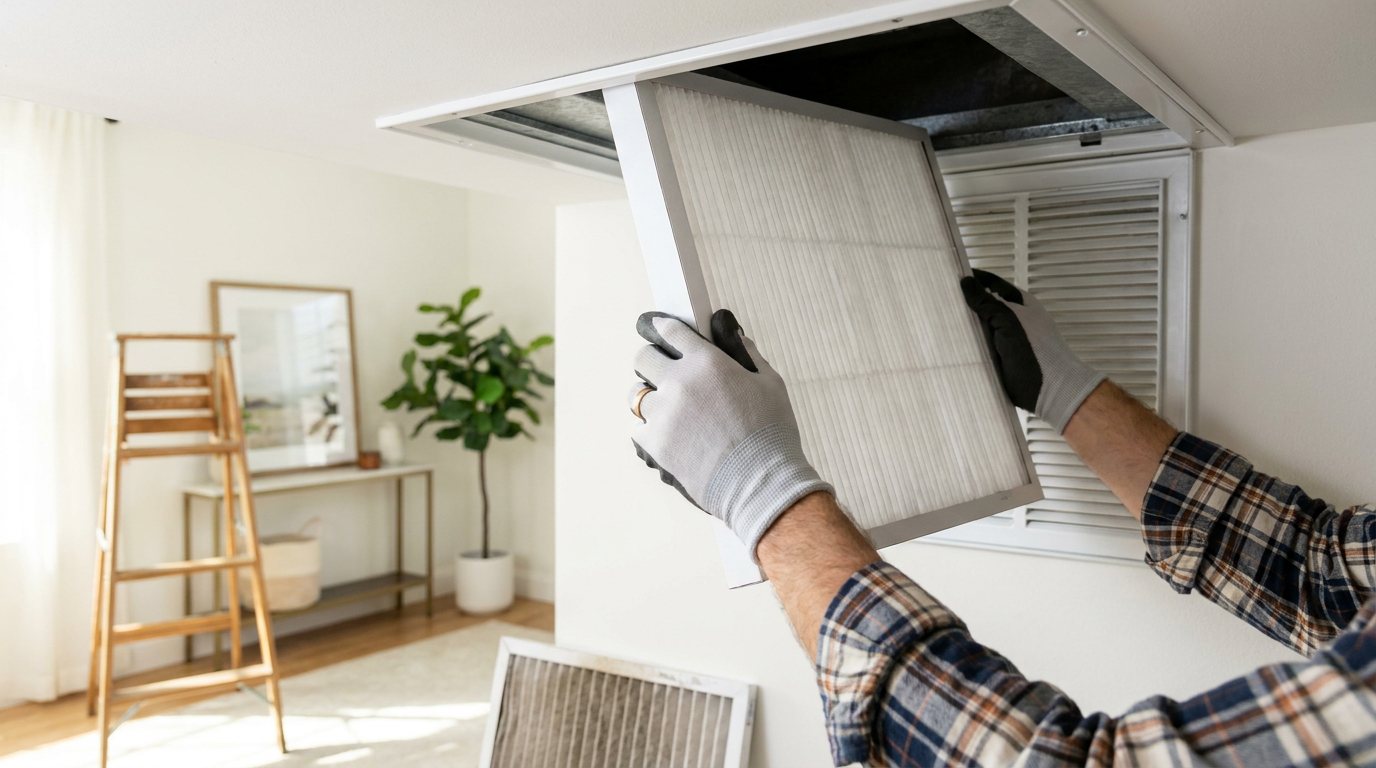
Air filters are easy to overlook because they are out of sight, but they have a direct effect on HVAC performance. As filters load with dust and debris, airflow can drop and the system has to work harder to move conditioned air through the home. ASHRAE also notes that dirty filters can become a source of indoor air pollution, which means this is not only a maintenance concern but also an indoor air quality issue.
The right replacement schedule depends on the filter type, the number of occupants, whether you have pets, and how much dust your home collects. Some filters need attention every one to three months, while others may last longer. What matters is not guessing, but checking regularly and replacing or cleaning according to manufacturer guidance and real household conditions.
It is also wise to avoid assuming that the highest MERV rating is always best. A more restrictive filter can reduce airflow if the system was not designed for it. In practical terms, the best filter is one that balances filtration and airflow in a way your HVAC system can support comfortably.
Keep vents, registers, and returns clear
Supply vents, return grilles, and registers need open space around them to function properly. Furniture, rugs, curtains, and storage items can interrupt airflow and create uneven temperatures that homeowners sometimes mistake for a failing system. If one room feels stuffy or stubbornly different from the rest of the house, blocked airflow is one of the first things to investigate.
Walk through the home and check whether all vents are open and unobstructed. In many houses, people close vents in unused rooms hoping to save energy, but this can disrupt system balance and increase pressure in ways that reduce efficiency. Unless a professional has designed a zoned system for that strategy, it is usually better to maintain normal airflow throughout the house.
Returns deserve equal attention. A return grille crowded by furniture or clogged with dust makes it harder for the system to pull air back for conditioning. A simple round of clearing and vacuuming can improve circulation more than many homeowners expect.
Clean around the outdoor unit
If your home has an outdoor condenser or heat pump, the area around it should remain clean and open. Leaves, grass clippings, weeds, and drifting debris can interfere with airflow across the coil, which makes heat transfer less efficient. That means the unit may run longer to deliver the same result.
A good rule is to maintain clear space around the unit and inspect it after storms, seasonal yard work, or periods of heavy pollen. Gently remove loose debris and keep surrounding vegetation trimmed back. If the coil itself looks dirty, ask a qualified technician to clean it properly rather than using high pressure water that could damage the fins.
This is a modest task, but it reflects an important mindset. Efficient homes are rarely the result of one perfect product. They are usually the result of steady care and small decisions that let systems perform closer to their potential.
Schedule professional tune ups
Even attentive homeowners benefit from regular professional maintenance. A technician can check refrigerant charge, inspect electrical components, verify airflow, examine condensate drainage, and identify wear before it turns into a costly breakdown. Seasonal tune ups are often especially worthwhile ahead of peak summer and winter demand.
Professional service also creates an opportunity to ask more strategic questions. If your energy bills have risen, rooms are uncomfortable, or the system cycles frequently, a tune up visit can be the right time to ask whether those symptoms point to duct loss, sizing issues, thermostat settings, or broader envelope problems. That conversation often matters more than the tune up itself.
Think of annual maintenance as part of protecting both comfort and the long term value of your equipment. The more efficiently your system runs, the less strain it faces, and the better chance it has of delivering a full service life.
Seal the leaks that waste conditioned air
If maintenance is the easiest first win, air sealing is often the highest value next step. Homes lose energy through tiny gaps around windows, doors, attic penetrations, rim joists, plumbing openings, recessed fixtures, and other transitions in the building envelope. Each gap may seem minor, but together they can create a constant flow of unwanted air exchange that makes heating and cooling more difficult.
When outside air slips in and conditioned air escapes, the HVAC system has to compensate. In winter, warm indoor air rises and escapes through upper leaks while colder air enters lower parts of the house. In summer, humid outdoor air can infiltrate and increase the cooling load. Sealing these leaks reduces the amount of work your system has to do and can improve comfort at the same time.
Common do it yourself opportunities include weatherstripping around doors, caulking around frames and trim, and sealing visible gaps where pipes or cables pass through exterior surfaces. Larger or hidden leakage areas, especially in attics and basements, often benefit from a more systematic approach. A home energy audit or EnerGuide assessment can help identify where improvements will matter most.
Air sealing is also a sustainability upgrade in the most practical sense. It does not depend on changing your daily habits or constantly monitoring equipment. Once it is done well, it keeps saving energy quietly in the background while improving comfort through every season.
Ductwork is where many homes quietly lose efficiency
Ducts are essential to forced air systems, yet they are frequently hidden in attics, crawl spaces, basements, or wall cavities where problems go unnoticed for years. Loose connections, torn sections, poor insulation, and old tape failures can allow heated or cooled air to leak before it reaches living spaces. This is one of the clearest examples of how a home can pay for energy it never actually enjoys.
ENERGY STAR states that sealing and insulating ducts can improve heating and cooling efficiency by as much as 20 percent, and in some cases even more. That is a striking figure because it shows how much opportunity can exist without replacing the central equipment. For homeowners focused on cost effectiveness, duct improvements deserve serious attention.
Signs of duct issues include rooms that are consistently hard to heat or cool, dusty air, high utility bills, excessive HVAC runtime, or ducts running through unconditioned spaces with little insulation. If you notice these patterns, a duct inspection may be one of the most useful next steps you can take.
What proper duct improvement looks like
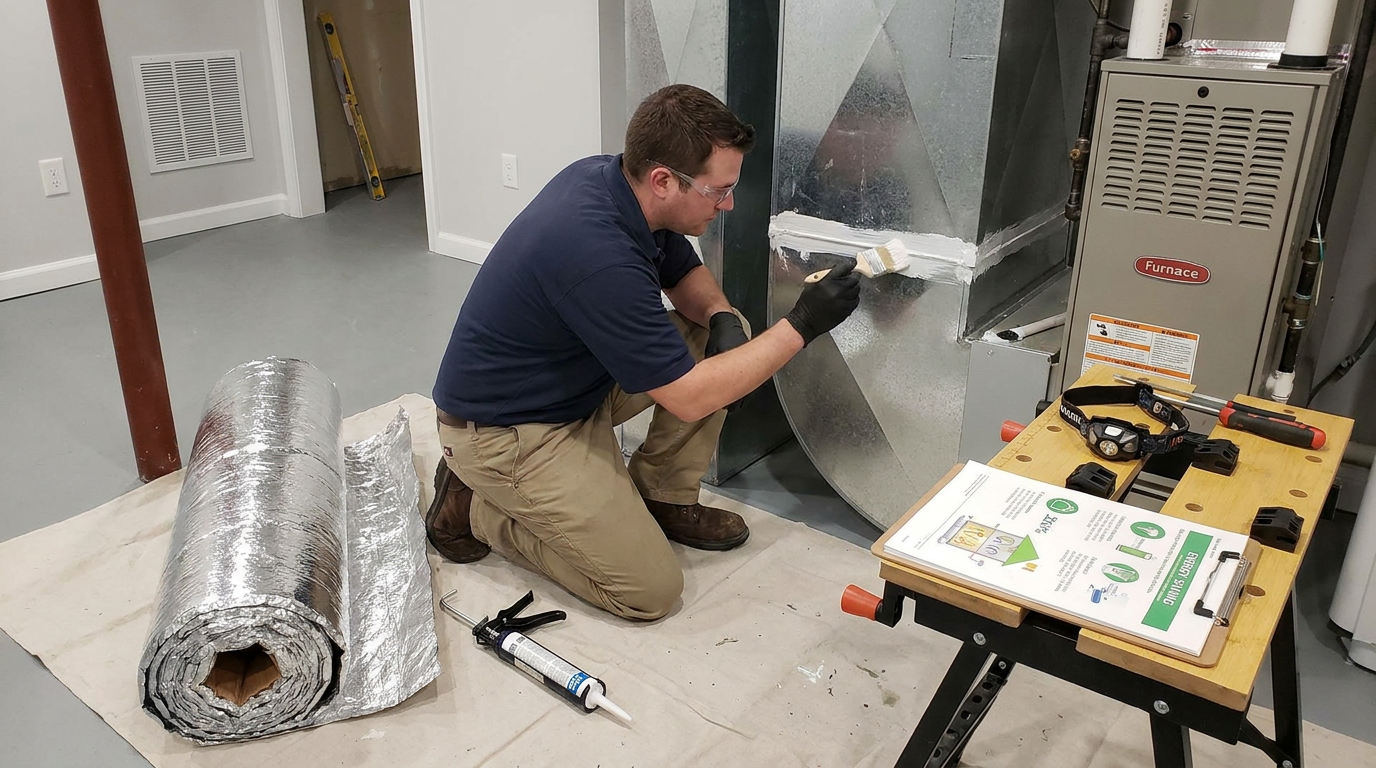
Effective duct work typically involves sealing joints and seams with materials intended for HVAC use, such as mastic or approved metal tape, rather than common cloth duct tape that fails over time. It may also include insulating ducts that pass through unconditioned areas so the air inside them stays closer to the intended temperature. In some homes, balancing adjustments are needed to improve air delivery to specific rooms.
This work is not only about energy use. It can also improve comfort by helping each room receive a more consistent share of conditioned air. In practical terms, better duct performance often means fewer complaints about the upstairs bedroom that is too warm in summer or the family room that never seems to catch up in winter.
If your home is older or has undergone renovations, the duct layout may no longer match how the house is used. A qualified HVAC professional can assess whether the issue is leakage, undersized runs, disconnected sections, or balancing problems. That diagnostic step matters because the right repair is much more valuable than a guess.
Use thermostat strategy to support efficiency, not fight it
Controls are one of the simplest ways to improve performance, yet they are often underused. A thermostat does more than switch heating and cooling on and off. It sets the rhythm for how your house responds to weather, occupancy, sleep, and daily routines. When those settings align with real life, comfort improves and wasted runtime tends to fall.
ENERGY STAR recommends smart thermostats as a way to improve convenience, control, and energy savings. For households with regular work schedules, changing sleep patterns, or stretches of time when the house is empty, this can be an especially practical upgrade. Good scheduling helps avoid conditioning the home more than necessary while still maintaining comfort when it matters most.
The key is to use smart controls thoughtfully rather than constantly overriding them. If your thermostat schedule is always being changed because rooms feel uneven or the house recovers too slowly, the underlying problem may not be the thermostat at all. It could point to poor insulation, duct loss, or equipment that is not matched well to the home.
How to set up an energy smart routine
Begin by identifying your normal occupancy pattern. When is the home reliably empty, and when do people return? When do bedrooms need to be comfortable for sleeping, and when can temperatures drift slightly without affecting anyone? A useful schedule follows your household rather than an idealized template.
Then pay attention to setbacks that remain realistic for your climate and equipment. Extreme setbacks are not always beneficial, especially in colder regions or in homes that are slow to recover. A moderate adjustment often gives the best balance of comfort and efficiency. The goal is not to feel deprived, but to avoid unnecessary conditioning when no one benefits from it.
Some smart thermostats also provide energy reports, occupancy learning, humidity awareness, and maintenance reminders. These features can help homeowners become more aware of patterns that drive costs, often without adding much effort to daily life. In that sense, smart controls can act as a gentle bridge between comfort and sustainability.
Do not ignore insulation and the building envelope
HVAC efficiency is tightly connected to the parts of the home that keep heat where it belongs. If insulation is thin, uneven, or missing in critical areas, the system has to compensate for that weakness every hour of the season. Homeowners often notice the result as drafts, temperature swings, and high bills, but the root cause may be the envelope rather than the furnace or air conditioner.
Attics are especially important because heat loss and heat gain through the roof can be significant. Basement rim joists, crawl spaces, and above-garage rooms are also common trouble spots. Improving insulation in these areas can reduce peak demand on the HVAC system and make the home feel more stable throughout the day.
This is one reason current retrofit programs increasingly emphasize combined upgrades. A well insulated and air sealed home may be able to use smaller equipment, run it less often, and maintain comfort more easily. That is good for affordability, and it is also good for long term carbon reduction because lower household energy demand is one of the most durable forms of efficiency.
Why proper sizing matters when it is time to replace equipment
If your system is nearing the end of its life, replacement may well be the right decision. But this is exactly the point where many homes inherit a new problem because the replacement process is rushed or based on assumptions. Bigger is not better in HVAC, even though that idea still lingers in the marketplace.
ASHRAE warns that oversized HVAC systems can increase utility bills, shorten equipment life, and cause short cycling. Short cycling means the system turns on and off too frequently, which can reduce efficiency, create uneven temperatures, and do a poor job of humidity control. In cooling season especially, longer, steadier runtime is often part of delivering both comfort and effective dehumidification.
The right path is a proper load calculation that looks at the actual home, including insulation levels, orientation, windows, air leakage, and occupancy patterns. If you have already improved air sealing and insulation, those changes should be reflected in the sizing process. Otherwise, you may end up paying for more capacity than the house truly needs.
This is also where homeowners should be cautious about using old equipment size as the benchmark for new equipment size. A house that has had envelope improvements, better windows, or duct repairs may have a very different load today than it did twenty years ago. Good sizing is not glamorous, but it is one of the most important decisions in the entire optimization process.
Heat pumps as a realistic upgrade path
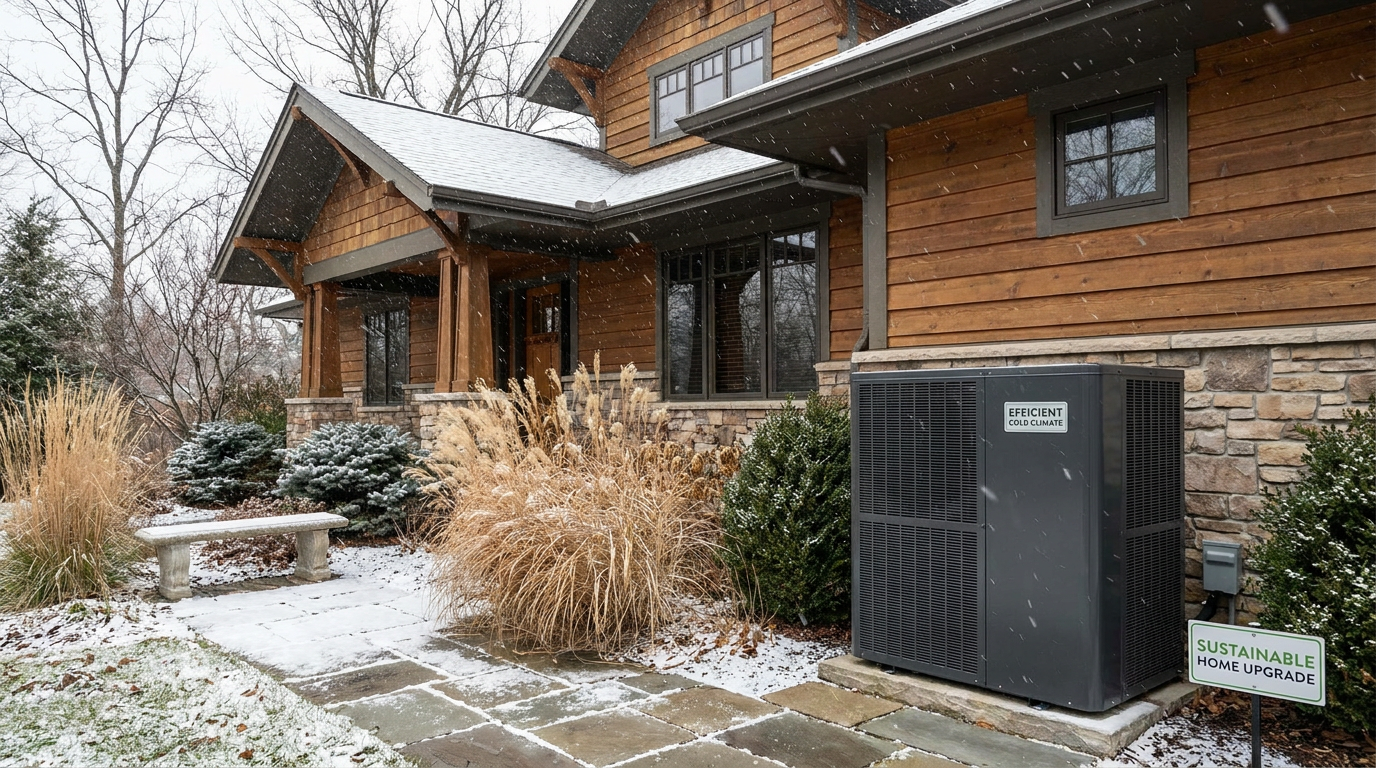
Heat pumps have become one of the most important HVAC topics in Canada and across North America, and for good reason. They can provide both heating and cooling with high efficiency, and improvements in cold climate performance have made them relevant in regions that once dismissed them too quickly. For many homeowners, a heat pump is no longer a niche technology. It is a practical mainstream option worth serious consideration.
Natural Resources Canada reports that 286,778 new heat pumps have been installed with federal support since December 2020, as of March 2026. That level of uptake reflects both strong policy support and growing consumer confidence. It also helps challenge the outdated misconception that heat pumps only work in warm climates.
Still, the most sensible way to discuss heat pumps is not as a universal prescription, but as a realistic upgrade path that depends on the home, the climate, the electrical service, and the condition of the existing system. In some homes, a fully electric heat pump may be the right next step. In others, a hybrid system that pairs a heat pump with a backup furnace may offer the most balanced solution.
What to evaluate before choosing a heat pump
Start by looking at your current energy use and comfort profile. Does your home already have strong insulation and air sealing, or does it still lose heat quickly? Are your ducts in good condition if you are considering a ducted system? Is there a need for electrical upgrades? These questions matter because the best heat pump installation is one that fits the house, not one that simply follows a trend.
It is also wise to verify equipment eligibility carefully when pursuing rebates or grants. NRCan guidance emphasizes using AHRI numbers or ENERGY STAR identifiers to confirm eligible heat pumps and related products. That extra step can help avoid confusion and ensure the equipment selected aligns with available program requirements.
From a sustainability perspective, heat pumps are appealing because they reduce direct reliance on fossil fuel heating and can lower household emissions, especially as electricity grids become cleaner over time. But the environmental value is strongest when the system is well designed, properly sized, and paired with a home that has already reduced unnecessary heat loss.
Ventilation and indoor air quality belong in the efficiency conversation
Efficiency should never come at the expense of healthy indoor air. As homes become tighter through air sealing and insulation upgrades, ventilation deserves more attention, not less. A well performing house needs a controlled way to bring in fresh air and manage indoor pollutants, humidity, and stale air without relying entirely on random leaks.
ASHRAE’s residential guidance highlights the importance of balanced ventilation and also notes that filter choice affects both air quality and system resistance. That balance matters because homes need clean air and good airflow at the same time. Treating one as more important than the other can create unintended problems.
If your home feels stuffy after envelope improvements, or if humidity, odors, or condensation have become more noticeable, it may be time to assess ventilation strategy. Depending on the house, that could mean improving existing exhaust performance, adjusting filtration appropriately, or evaluating balanced systems such as HRVs or ERVs. The right solution depends on climate, home tightness, and occupant needs.
In practical terms, true HVAC optimization means creating a house that is efficient, comfortable, and healthy. Those goals are not in conflict when the system is designed thoughtfully. In fact, they often reinforce one another.
When a home energy audit is worth it
Sometimes homeowners know their bills are high but cannot tell where the losses are happening. In that situation, a home energy audit can bring clarity. An audit looks beyond the HVAC equipment alone and examines how the entire house performs, often using tools such as blower door testing, insulation assessment, and thermal imaging to identify leaks and weak points.
This kind of assessment is especially helpful before a major equipment replacement or whole home retrofit. It helps prioritize the order of improvements so you can spend more strategically. Instead of replacing a furnace first and discovering later that the attic was the larger issue, you get a clearer roadmap from the start.
Audits also connect well with incentives and broader retrofit planning. In Canada, the Canada Greener Homes Initiative and related programs have reinforced the idea that efficiency should be approached as a package of improvements rather than a single product purchase. NRCan has reported about 1.8 billion dollars in grants issued to date through the Canada Greener Homes Grant, which reflects the scale of public interest in this work.
A practical order of operations for homeowners
When people first learn about HVAC optimization, the number of options can feel overwhelming. The easiest way to make progress is to follow a sensible sequence. That keeps early spending focused on the steps that improve the performance of everything that follows.
-
Begin with maintenance. Check filters, clear vents and returns, inspect the outdoor unit, and book a tune up if it has been neglected. These steps are affordable, immediate, and often surprisingly effective.
-
Address obvious air leaks. Weatherstrip doors, caulk gaps, and identify drafty areas. If the home still feels leaky, consider an energy audit to target hidden losses more precisely.
-
Inspect ductwork. If you have a forced air system, ask whether leakage, poor insulation, or balancing issues are reducing delivered comfort. Duct improvements can provide excellent value.
-
Review thermostat settings and controls. Install or optimize a smart thermostat if your schedule is variable or if control has been inconsistent.
-
Improve insulation and envelope performance. Focus on attics, rim joists, crawl spaces, and other areas where heat loss or heat gain is significant.
-
Replace equipment only after the home has been evaluated properly. When replacement is necessary, insist on load calculations and ask about efficient options such as variable speed systems or heat pumps.
This order will not be perfect for every home, but it captures the logic that many efficient retrofits share. Reduce waste first, then upgrade the system that serves the now better performing house.
Common mistakes to avoid
It is helpful to know not only what to do, but also what to resist. Homeowners often lose money by making improvements in the wrong order or by following generic advice that does not fit their system. A calm, evidence based approach tends to deliver better outcomes.
-
Assuming a new unit will solve everything. If duct leaks, insulation gaps, or air infiltration are the larger issue, new equipment alone may disappoint.
-
Choosing the highest MERV filter without checking system compatibility. Better filtration is valuable, but excessive resistance can harm airflow and performance.
-
Oversizing replacement equipment. Larger systems often cycle too frequently and may reduce both comfort and efficiency.
-
Ignoring professional diagnostics. Guessing at the cause of poor comfort can lead to expensive but ineffective fixes.
-
Treating ventilation as separate from efficiency. A tighter home still needs healthy, managed air exchange.
Avoiding these mistakes helps ensure that every dollar spent moves the home toward better performance instead of simply masking symptoms. That is an important part of sustainability too. Thoughtful decisions tend to produce less waste, fewer premature replacements, and better long term value.
HVAC efficiency as part of a broader sustainability journey
It can be tempting to think of energy savings only in terms of utility bills, but the larger picture is worth appreciating. Every improvement that reduces unnecessary heating and cooling demand also lowers the energy burden of daily life. Over time, that can mean fewer emissions, less strain on equipment, and a home that is more resilient during temperature extremes.
This does not require perfection. In fact, one of the healthiest ways to approach sustainable home improvement is to treat it as an ongoing process of refinement. Replace a filter on time. Seal the drafts this season. Upgrade the thermostat next month. Plan for better insulation or a heat pump when the timing and budget are right. These steps add up in quiet, durable ways.
That is what makes HVAC optimization so compelling. It brings together comfort, practicality, and environmental responsibility without asking homeowners to adopt an all or nothing mindset. A more efficient system supports a more comfortable home, and a more comfortable home makes it easier to stay committed to smart long term choices.
Final thoughts
If you want to make your home greener without sacrificing comfort, HVAC optimization is one of the best places to focus. The strongest gains often come from maintenance, air sealing, duct improvements, and better controls before any major equipment replacement happens. When larger upgrades do become necessary, proper sizing and verified efficient products matter far more than simply buying the biggest or newest unit available.
For Canadian and North American homeowners, this is also a timely moment to act. Incentive programs, growing heat pump adoption, and better awareness of home performance have made efficient retrofits more accessible than they once were. Whether you start with a fresh filter or a full home energy assessment, the important thing is to begin with steps that are clear, sensible, and appropriate for your house.
Viewed this way, lower energy use is not just a technical achievement. It is part of building a home that feels healthier, calmer, and more resilient over time. That is the kind of sustainability that tends to last because it fits naturally into everyday life.


No Comment! Be the first one.