


What Softening Prices Really Signal to Serious Buyers
Fresh data from the Canadian Real Estate Association shows national home prices edging lower through 2026, a trend the industry itself has labelled weak and a delay to recovery. I read the same numbers and see something different: a market quietly resetting after two decades of price growth that badly outran income growth. For anyone thinking seriously about where to put capital into Canadian housing, that distinction matters far more than a single quarter’s headline.
Context is everything here. Between 2006 and 2015, average Canadian home prices rose from roughly $419,000 to $574,000 in today’s dollars, pushing the time needed to save a 20 per cent down payment from 9.1 to 11.7 years nationally. Metro Vancouver and the Greater Toronto Area absorbed the worst of it, adding 6.9 and 5.3 years respectively to that savings timeline. Prices kept climbing through the pandemic era before the National Housing Strategy years produced a much flatter national picture, with down payment timelines rising just 0.1 years between 2016 and 2025 compared with 2.6 years under the prior decade.
What stands out to me as an investor is the regional divergence hiding inside that flat national average. Vancouver and the GTA, the two markets everyone watches, actually improved after the pandemic, with down payment timelines falling 4.0 and 1.5 years respectively by 2025. Meanwhile, previously affordable secondary markets absorbed the pressure instead. Hamilton saw timelines stretch by 7.8 years, Windsor by 5.8, London by 5.3, with Victoria, Ottawa and Halifax each adding roughly three years. That is a market rotating, not collapsing.
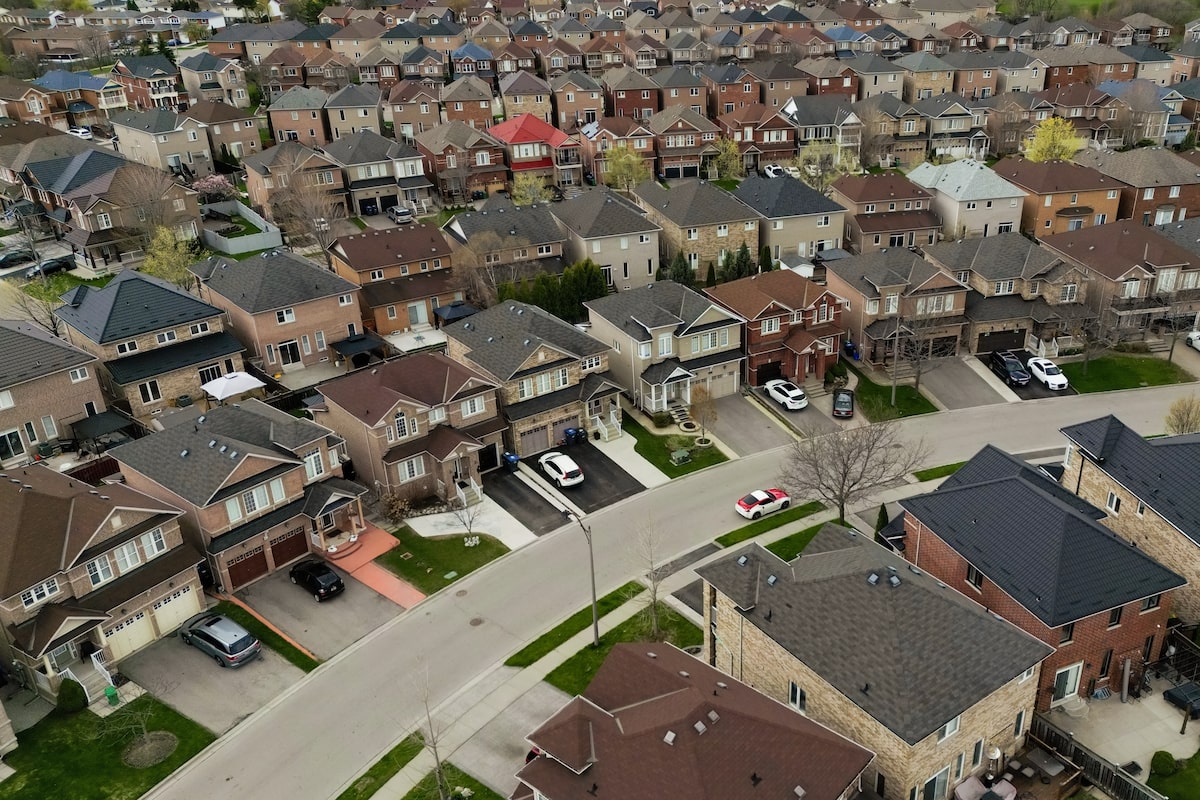
Even though national affordability indicators have improved modestly in recent years, the gap between earnings and home values remains so large that restoring affordability is still a project measured in decades, not years.
That framing, from policy researcher Paul Kershaw, is worth sitting with before anyone reads 2026’s price softness as a buying signal to panic over. Modest declines are not a sign of a market in trouble. They are the slow, overdue correction of an affordability gap built over nearly twenty years, and they are landing unevenly across the country. For investors, that unevenness is the opportunity. Formerly overlooked markets in southern Ontario and Atlantic Canada have absorbed real demand pressure even while headline national prices stall, which tells me rental fundamentals and long term value in those regions deserve a harder look than they are currently getting.
Timing a market defined by policy shifts, renewed federal housing strategy, and regional rotation is never about chasing the loudest headline. It is about understanding where earnings and prices are actually converging, and positioning ahead of that, not after it. The data here suggests the convergence has only just started, and it has a long way left to run.
Source: The Globe and Mail.