

Govan’s Tenements Show How Retrofitting Can Be Practical, Not Just Aspirational
When people talk about decarbonising older housing stock, the conversation can drift toward abstractions: targets, pledges, far off deadlines. What is happening right now in Govan, Glasgow, is a useful reminder that the work is often much more concrete than that. It looks like windows.
Elderpark Housing is rolling out a £1.5 million window replacement programme across 94 traditional sandstone tenements, with triple glazing going into homes on Elderpark Street and beyond. Half of the funding, £750,000, comes from the Scottish Government’s Social Housing Net Zero Fund, with Elderpark matching it pound for pound. The contractor, Sidey, is expected to begin work later this month, timed deliberately so tenants feel the benefit as the colder months set in.
What I find encouraging about this project is how unglamorous it is, in the best sense. There is no showpiece renewable installation here, no headline grabbing technology. It is simply an upgrade to the building envelope, the part of a home that determines how much heat escapes before any heating system even turns on. Triple glazing addresses that first, most basic layer of energy performance, and in older tenement buildings with single or ageing double glazed windows, that layer can be responsible for a significant share of heat loss.
This also lands at a moment when the Energy Price Cap has risen again, squeezing households that already feel stretched. For tenants in older stock, higher bills and draughty rooms tend to arrive together. Addressing the physical performance of a home, rather than only its energy tariff, is one of the more durable ways to tackle fuel poverty, because the benefit stays with the building rather than depending on market prices.
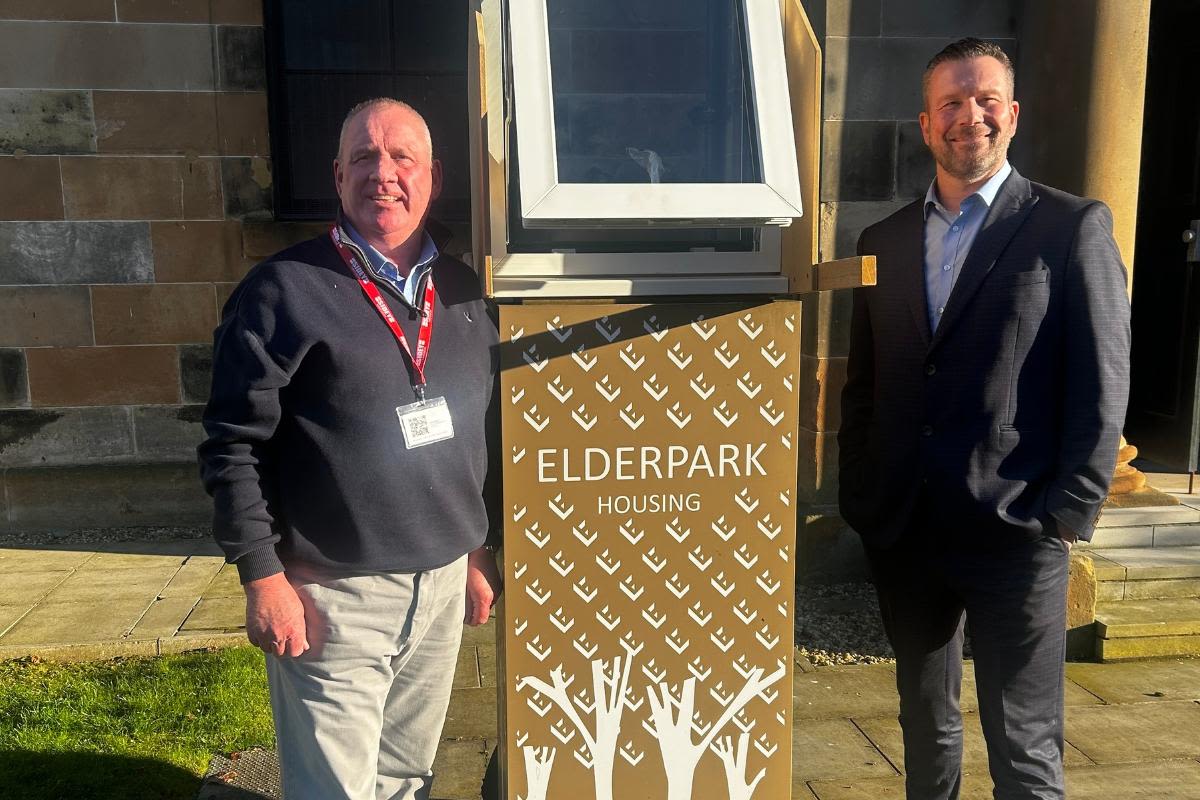
Save energy, improve comfort, save money. The three principles behind this project are also the three outcomes that matter most to the people living in these homes.
What stands out to me as well is the care taken to preserve the character of the buildings. These tenements sit within a conservation area, and Elderpark has been clear that the goal is to modernise performance while keeping the red and blonde sandstone heritage intact. That balance, improving how a building works without erasing what makes it worth keeping, is exactly the kind of sustainability that tends to hold up over time. It is not about replacing old homes with new ones. It is about making the homes we already have perform the way homes should.
Gary Dalziel, Elderpark’s chief executive, framed the project as part of a longer pattern of investment in the association’s tenement stock, and that continuity matters. Net zero progress in housing rarely comes from a single dramatic intervention. It comes from associations steadily working through their stock, window by window, building by building, until comfort and efficiency are simply the baseline rather than the exception.
For the 94 households on Elderpark Street, the measure of success this winter will be simple: warmer rooms, lower bills, and fewer draughts. That is what practical sustainability looks like at ground level.
Source: Yahoo News UK