


A Homeowner’s Guide to Effective Dust Control for a Calmer, Healthier Home
There is something deeply comforting about walking into a home that feels fresh. The surfaces are pleasant to touch, the air seems lighter, and the whole room carries a quiet sense of ease. While many people think of dust as a simple housekeeping annoyance, it affects much more than appearance. Dust can shape how a space feels emotionally, how comfortable it is to relax in, and how well sensitive family members breathe from day to day.
Table Of Content
- Why dust control feels so important at home
- What household dust really includes
- The most effective mindset: progress over perfection
- Start with the simple habits that matter most
- Make the bedroom your first dust control priority
- How to clean without sending dust back into the air
- Build a weekly routine that feels manageable
- Reduce what comes in from outside
- Ventilation and filtration: the quiet partners in dust control
- How to choose practical filtration support at home
- Control humidity for comfort and dust mite reduction
- Seasonal deep cleaning without overwhelm
- Special considerations for renters, families, and pet owners
- When dust may signal a bigger hazard
- A simple room by room dust control checklist
- The real reward of a dust controlled home
That is why effective dust control matters. It is not about chasing perfection or creating a home that looks untouched. It is about building simple habits that support a cleaner, calmer, and more welcoming environment. For busy households, renters, pet owners, and families with children, the most useful approach is one that feels realistic enough to maintain and gentle enough to become part of daily life.
Research from Health Canada notes that dust and dust mites are found widely indoors and can trigger allergic reactions or worsen asthma. The U.S. Environmental Protection Agency also points out that household dust can carry biological contaminants and fine particles, which may be stirred back into the air during everyday activity. In other words, dust control is about far more than a tidy shelf. It is part of creating a healthier indoor environment, and it can be achieved through repeatable routines rather than overwhelming deep cleans.
This guide is designed to make the process feel approachable. You will find easy strategies for daily upkeep, weekly cleaning, seasonal resets, smarter air filtration, and special caution for older homes or renovation dust. The goal is simple. By the end, you will know how to reduce dust in your home in a way that supports comfort, wellness, and a more peaceful experience of everyday living.
The best dust control routine is not the most extreme one. It is the one your household can repeat with ease, week after week, until a cleaner home becomes part of the rhythm of life.
Why dust control feels so important at home
When a home is dusty, people often notice more than the visible layer on a table. Rooms can feel stale, fabrics may seem less fresh, and surfaces can take on a slightly grimy quality that subtly affects mood. Even when no one says it out loud, dust can create low level visual stress. It adds to the feeling that a home is harder to maintain, less restful to enjoy, and not quite ready for company.
By contrast, reducing dust often creates an immediate emotional payoff. A cleaner room tends to feel brighter and more breathable. Bedrooms become more restful, living spaces feel more inviting, and household routines start to seem simpler because there is less buildup to battle later. This is one reason dust control can be so satisfying. It is not only a cleaning task. It is a way of supporting ease, confidence, and a sense of order in the home.
There are practical health reasons behind that good feeling too. According to Health Canada, dust mites are common indoors and can contribute to allergic reactions and asthma symptoms. The EPA also advises routine cleaning, ventilation, and filtration to lower exposure to contaminants that gather in household dust. For people with allergies, asthma, or respiratory sensitivity, these steps can make everyday life more comfortable. Even for those without a diagnosis, cleaner air and cleaner surfaces often simply feel better.
The encouraging part is that dust control does not require a full renovation or an expensive, highly technical setup. Most homes benefit from a few consistent habits, a little attention to fabrics and floors, and thoughtful support from ventilation and filtration. Done well, dust control becomes less about constant cleaning and more about preventing buildup in the first place.
What household dust really includes
Dust is easy to dismiss because it looks harmless. In reality, household dust is a mix of many tiny materials that settle from indoor activity and outdoor air. It may include bits of soil, fabric fibers, skin flakes, pet dander, pollen, and microscopic organisms such as dust mites. In some homes, especially older ones or those near construction, dust may also contain more concerning particles that require special caution.
The EPA explains that household dust can contain biological contaminants and that normal movement can send settled particles back into the air. Walking across a carpet, fluffing a cushion, pulling back bedding, or simply opening a curtain can stir fine particles into the breathing zone. This is one reason surface cleaning alone is not the full story. Good dust control also depends on how cleaning is done and whether the home has adequate ventilation and filtration.
It also helps to understand that visible dust is only part of the picture. Some of the most irritating particles are too fine to notice easily, especially when they become airborne. This is why a room can look mostly clean and still feel stuffy or trigger symptoms for someone sensitive. Effective dust control is really a combination of reducing what settles, capturing what gets stirred up, and limiting the conditions that allow dust mites and allergens to thrive.
Thinking about dust this way can actually make the process easier. Instead of seeing it as a sign that you are behind on cleaning, you can see it as a normal part of indoor life that can be managed with the right routine. That shift alone often removes a lot of pressure.
The most effective mindset: progress over perfection
Many people avoid dust control because they imagine it means endless chores or a home that must always look pristine. That expectation is exhausting, and it usually leads to all or nothing cleaning cycles. A more supportive approach is to think in layers. There are small daily habits that reduce buildup, steady weekly tasks that keep dust under control, and occasional seasonal resets that reach overlooked areas.
This mindset works well because dust returns no matter how carefully you clean. The goal is not to eliminate every particle. The goal is to keep levels low enough that your home feels good to live in. If you can reduce how much dust settles, limit how much becomes airborne, and maintain cleaner textiles and filters, you have already made meaningful progress.
Busy households often do best with routines that are short and repeatable. Five or ten minutes of focused upkeep can be more effective than waiting for a major deep clean. Wiping entry surfaces, shaking out a doormat, vacuuming high traffic areas, and washing bedding on schedule can have a bigger impact than spending an entire weekend cleaning once in a while. Dust control becomes easier when it is folded into real life instead of set apart from it.
There is also emotional freedom in letting your strategy be practical. The point is not to impress anyone. The point is to make your home easier to care for and more enjoyable to inhabit. That is what makes dust control feel sustainable and worthwhile.
Start with the simple habits that matter most
If you want the biggest return for your effort, begin with the habits experts mention again and again. The EPA recommends vacuuming carpets and upholstered furniture weekly or more often, dusting with a damp cloth, and using a vacuum with a HEPA filter to reduce dust buildup. Health Canada also recommends washing bedding regularly, reducing clutter, and using allergen proof covers on mattresses and pillows. These are not flashy changes, but they are deeply effective because they target the places where dust tends to collect and circulate.
One of the easiest upgrades is switching from dry dusting to damp dusting. A dry cloth or feather duster may simply push particles into the air, where they can settle again moments later. A slightly damp microfiber cloth is far better at capturing dust and removing it from the space. The same principle applies to floors. A damp mop generally traps particles more effectively than sweeping alone, which can stir dust up before it settles back down.
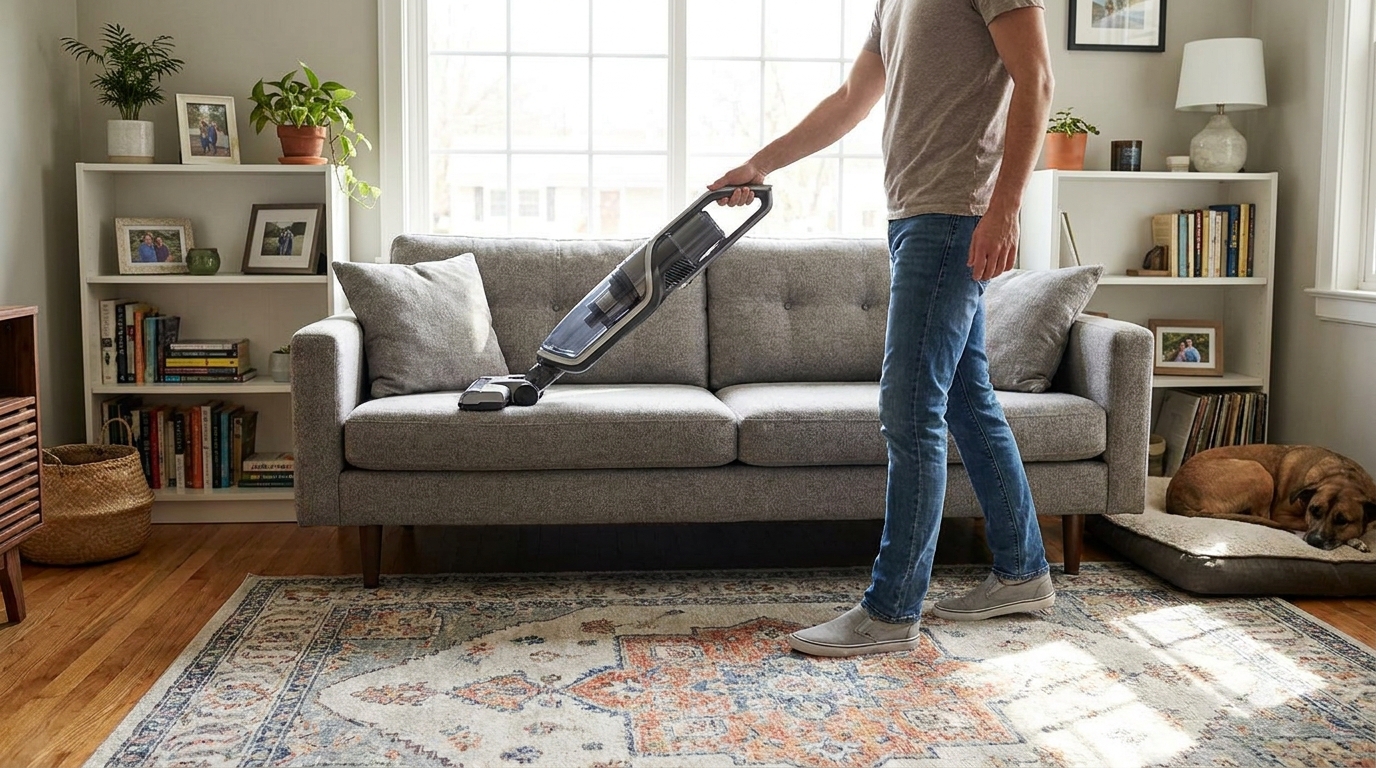
Vacuuming matters not just for carpets, but also for rugs, upholstered seating, and often neglected corners where particles gather quietly over time. Homes with pets, children, or heavy foot traffic may need more frequent vacuuming than once a week. Using a HEPA vacuum can help capture finer particles instead of redistributing them through exhaust. If your current vacuum leaves the room smelling dusty afterward, it may not be containing particles as well as you think.
Another powerful habit is simply owning less surface clutter. Decorative objects, paper piles, crowded shelves, and excess textiles all create places for dust to land and linger. This does not mean a home has to feel sparse. It just means choosing easier to clean arrangements. A shelf with a few meaningful objects feels calmer and takes seconds to wipe, while a crowded display can turn dusting into a project people postpone again and again.
Make the bedroom your first dust control priority
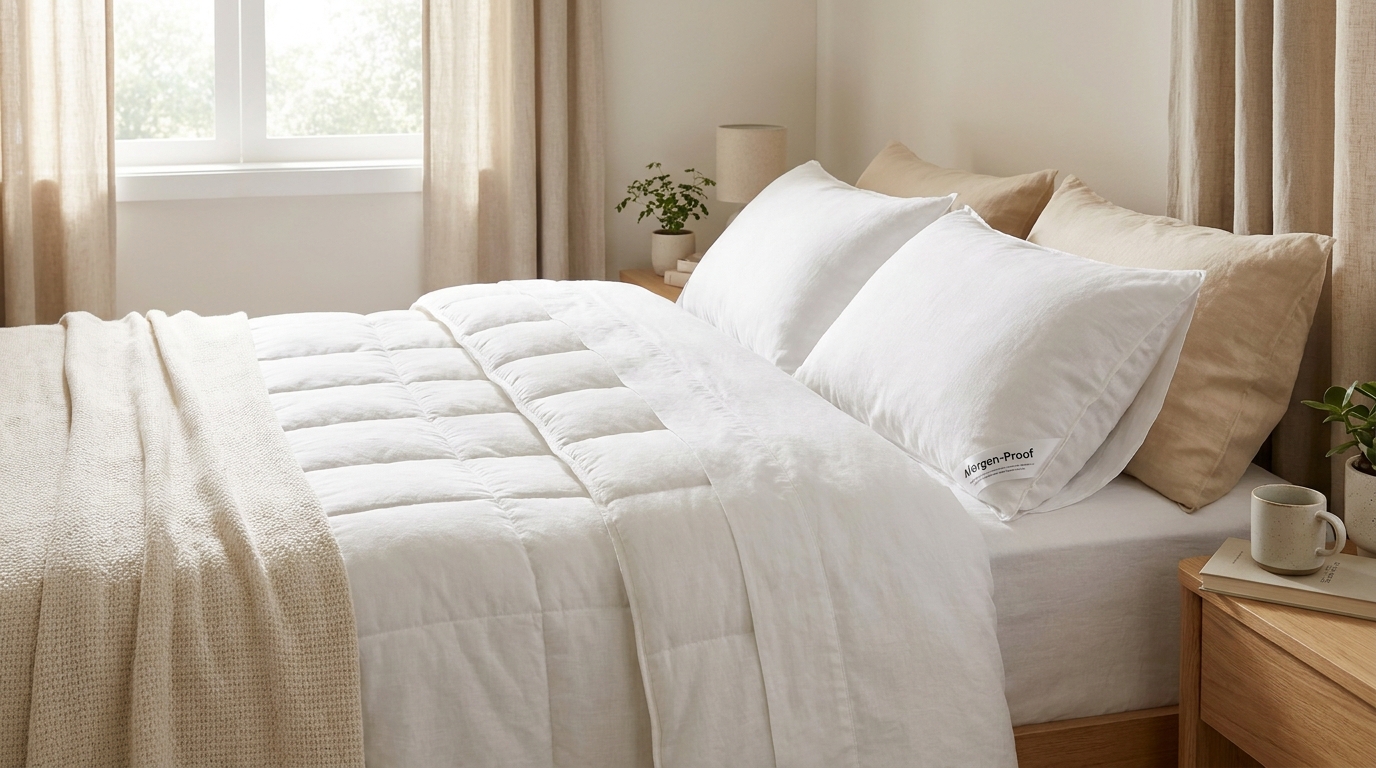
If there is one room that deserves extra attention, it is the bedroom. We spend hours there every night, with our faces close to bedding, pillows, and upholstered surfaces that can collect dust and allergens over time. Health Canada specifically recommends allergen proof mattress and pillow covers and washing linens in hot water weekly as part of dust mite control. These are simple steps, but they can make a noticeable difference in comfort, especially for those who wake up congested or sneezy.
Begin with the bed itself. Wash sheets, pillowcases, and similar bedding weekly. Keep the area beneath the bed as clear as possible, because it can easily become a quiet dust reservoir. If under bed storage is necessary, choose sealed containers rather than loose bins or baskets filled with fabrics. The easier the floor is to clean, the less buildup will collect in a space where air movement is often limited.
Curtains, upholstered headboards, extra throw pillows, and layered blankets can all hold dust. There is no need to strip a bedroom of softness, but a simpler arrangement is often easier to maintain. Choose washable textiles where possible and launder them on a regular schedule. If someone in the home has allergies or asthma, reducing excess fabric in the bedroom may be especially helpful.
Humidity also plays an important role here. Health Canada recommends keeping relative humidity between 35 percent and 50 percent to discourage dust mites. Bedrooms that feel damp or stuffy may benefit from better ventilation, a dehumidifier in humid seasons, or simply paying closer attention to moisture from attached bathrooms or poorly ventilated windows. Comfort is the goal, and moderate humidity supports both cleanliness and better sleep.
How to clean without sending dust back into the air
The way you clean can be just as important as how often you clean. One common frustration is spending time dusting only to notice particles settling again almost immediately. Usually, that happens because dust was disturbed rather than fully removed. A few technique changes can make your routine much more effective without adding much effort.
Start from the top of the room and work downward. Dust ceiling fans, upper shelves, frames, and other elevated surfaces first, then move to tabletops, furniture, and finally the floor. This keeps fallen particles from landing on an area you already cleaned. Using a damp microfiber cloth helps capture dust instead of scattering it, and rinsing or changing the cloth as it becomes dirty prevents you from spreading residue around.
For floors, vacuum slowly enough for the machine to do its work. A quick pass over a rug often misses embedded particles. Upholstered furniture deserves the same attention. Cushions, seams, and the space under sofa edges can hold far more dust than most people realize. If your vacuum has a brush or upholstery tool, use it weekly in living areas where people spend a lot of time.
It is also smart to avoid habits that create more airborne dust than they remove. Dry sweeping, snapping out dusty textiles indoors, or using a blower style tool inside can all send particles into circulation. Whenever possible, bring washable items outside to shake or clean them, and rely on vacuuming, damp dusting, and damp mopping indoors for better control.
Build a weekly routine that feels manageable
The most successful dust control plans are the ones that fit naturally into real schedules. A weekly rhythm tends to work well because it is frequent enough to prevent buildup but not so intense that it feels discouraging. Rather than trying to clean the whole home at once, many households benefit from a simple repeating sequence that spreads tasks throughout the week.
Here is one example of a realistic weekly approach:
- Early in the week, wash bedding and wipe bedroom surfaces with a damp cloth.
- Midweek, vacuum high traffic floors and upholstered furniture in the living room.
- Later in the week, clean entry areas, doormats, and any pet zones where dirt and dander gather.
- On the weekend, do a quick whole home pass for surfaces, bathroom exhaust dust, and hard floors with a damp mop.
This kind of routine works because it keeps dust from reaching the frustrating stage where every room feels like a project. It is also easier to maintain motivation when each task is small enough to finish in one short session. Dust control should support life at home, not dominate it.
If your household is especially busy, consider tying dust reducing habits to existing routines. Vacuum the sofa before movie night. Wash sheets on the same day you do towels. Wipe bathroom and bedside surfaces while getting rooms ready for the evening. These small anchors turn maintenance into something almost automatic, which is far more sustainable than relying on bursts of energy.
For families with children, even age appropriate participation can help. Shoes off at the door, backpacks placed in one area, and a quick end of day tidy all reduce the amount of dirt and debris that eventually become indoor dust. The less that enters and settles, the less there is to manage later.
Reduce what comes in from outside
Some of the best dust control happens before dust ever reaches your main living spaces. Outdoor particles enter through shoes, open windows, pets, bags, and everyday traffic. While you cannot stop all of it, a few simple boundaries make a meaningful difference and often help the whole home feel cleaner between major cleaning sessions.
An entryway routine is especially useful. A sturdy doormat outside and another just inside the door can catch a surprising amount of dirt. If your household is comfortable with it, leaving shoes at the entrance is one of the easiest ways to reduce tracked in debris. A bench, basket, or small tray for everyday items can also keep the drop zone organized so dust and grit do not spread through the house.
Pet care matters too. Brushing pets regularly, wiping paws when needed, and washing pet bedding on schedule can reduce dander and outdoor residue. Homes with animals often need somewhat more frequent vacuuming, especially on upholstery and rugs. This is not a sign that the home is dirtier than it should be. It simply reflects a different rhythm of care, one that keeps a beloved pet friendly home feeling fresh and comfortable.
Open windows can be lovely for mood and ventilation, but they can also bring in pollen and outdoor dust depending on the season and location. Balance is important. Fresh air has benefits, yet on high pollen days or near heavy traffic, you may want to keep windows closed and rely more on filtered ventilation or a portable air cleaner indoors.
Ventilation and filtration: the quiet partners in dust control
Cleaning is essential, but it works best when supported by the systems that move and filter air. ASHRAE identifies source control, ventilation, and filtration as the core strategies for improving indoor air quality. That framework is helpful because it reminds us that dust control is not only about wiping surfaces. It is also about how air travels through the home and how particles are captured before they continue circulating.
Ventilation helps dilute indoor pollutants and bring in outdoor air when conditions allow. In a well functioning home, bathroom fans remove moisture, kitchen ventilation helps capture cooking byproducts, and broader home ventilation supports fresher indoor air overall. If a house regularly feels stale, humid, or stuffy, improving ventilation may be just as important as cleaning more often.
Filtration is the other major support. The EPA recommends changing HVAC filters routinely and upgrading to higher efficiency filters where appropriate. If your heating and cooling system can handle a better filter, that can help reduce airborne particles moving through the home. It is wise to follow manufacturer guidance or consult a professional if you are unsure what filter level your system is designed to use.
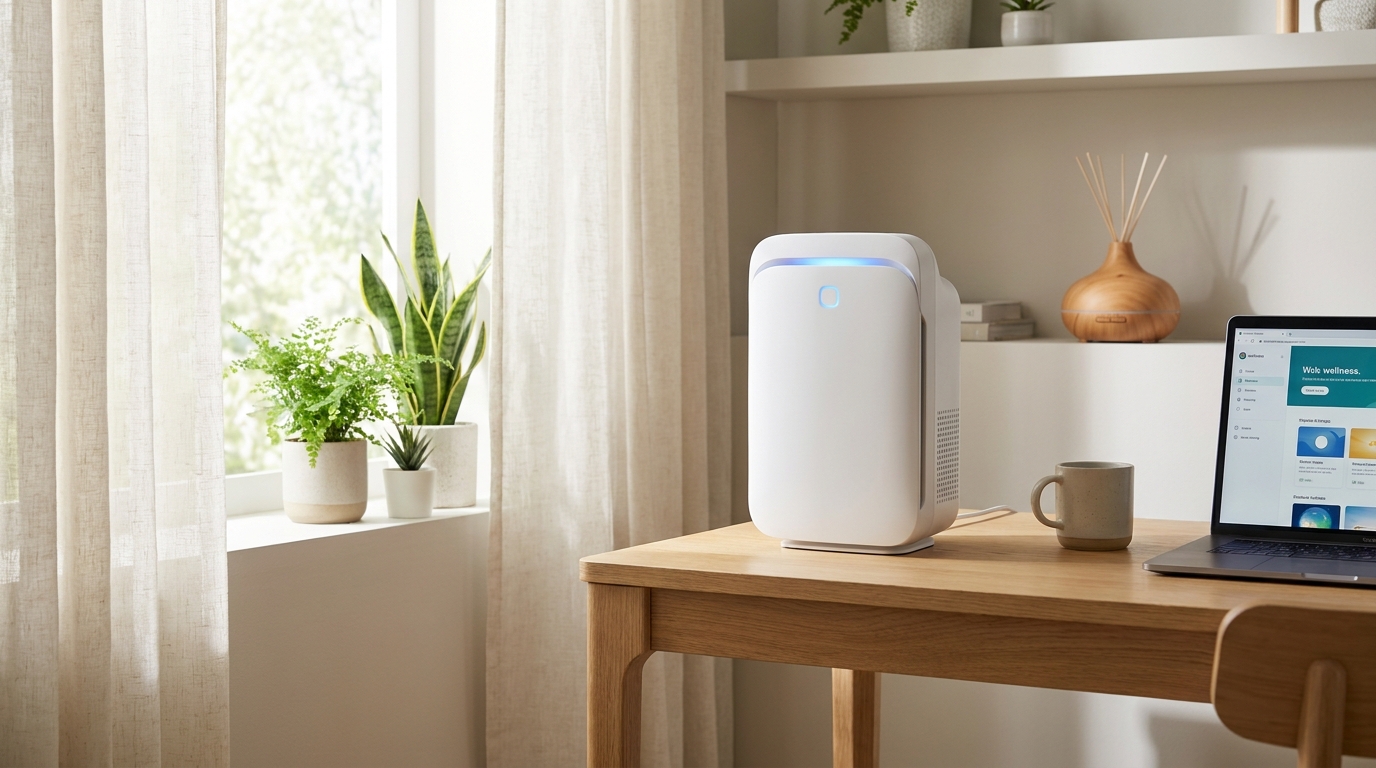
Portable air cleaners are also getting more attention, and for good reason. ASHRAE updated its filtration and air cleaning position document in 2024, reflecting ongoing focus on how these tools support indoor air quality. A well chosen portable unit can help reduce airborne particulate matter in bedrooms, offices, or living spaces. Still, it is important to remember what the EPA emphasizes. Air cleaners can help, but they do not replace vacuuming, damp dusting, or reducing dust sources at home.
How to choose practical filtration support at home
If you are curious about improving filtration, think first about where your household would feel the benefit most clearly. For some homes, that is the primary bedroom, where overnight exposure to dust and allergens can affect sleep and morning comfort. For others, it may be a family room where everyone gathers, or a home office where one person spends long hours each day. The best setup is the one that improves life in the spaces you use most.
A portable air cleaner can be especially useful in rooms with carpet, pets, or allergy sensitive occupants. Place it where airflow is not blocked by large furniture, and keep doors and windows usage in mind so the unit can work effectively. Maintenance matters too. A neglected air cleaner with an overdue filter will not perform at its best, so be realistic about whether you are willing to check and replace filters on schedule.
With HVAC systems, consistency is often more valuable than complexity. A decent filter changed routinely is better than a premium one left in place too long. If your home has multiple returns or different system zones, pay attention to all of them. Many people remember one filter and forget another, which reduces the benefit of the system overall.
It also helps to avoid common misconceptions. A household fan does not equal filtration. It moves air, but it does not remove particles from it. Likewise, a pleasant scent from a spray or diffuser does not mean the air is cleaner. True dust control comes from cleaning, moisture management, ventilation, and filtration working together.
Control humidity for comfort and dust mite reduction
Humidity has a strong influence on how a home feels, and it also affects dust mites. Health Canada recommends keeping indoor relative humidity between 35 percent and 50 percent to help reduce dust mites. That range is a useful target because it supports balance. Air that is too damp can encourage mites and other moisture related issues, while air that is too dry may create its own comfort problems.
In practical terms, moderation matters more than extremes. You do not need to make your home feel dry and brittle in pursuit of dust control. Instead, aim for a healthy middle ground. In humid climates or during muggy seasons, a dehumidifier may help in bedrooms, basements, or other moisture prone spaces. In homes with central air conditioning, keeping systems maintained can also support better humidity control.
Bathrooms and kitchens deserve attention because steam and moisture can drift into adjacent rooms. Use exhaust fans when showering or cooking if you have them, and let them run long enough to clear the air. If a room often feels damp, smells musty, or shows condensation on windows, moisture may be undermining your dust control efforts by creating a more favorable environment for mites and other irritants.
Humidity control is one of those subtle household adjustments that can make everything feel better. Beds feel fresher, rooms feel lighter, and cleaning often seems to hold longer. It is not dramatic, but it contributes to that unmistakable sense of home comfort people notice right away.
Seasonal deep cleaning without overwhelm
Even with a solid weekly routine, some dust settles in places we do not reach often enough. Seasonal deep cleaning is a chance to reset those areas without making every week feel intense. The secret is to focus on categories rather than trying to do the entire house in one push. This keeps the process manageable and more likely to happen.
Each season, look at the hidden or overlooked surfaces that quietly collect dust. This can include ceiling fans, vents, baseboards, behind furniture, under beds, closet floors, lampshades, window ledges, and the tops of cabinets or shelves. If you rotate seasonal textiles, such as heavier blankets or decorative pillows, wash or store them clean so they are not carrying dust into the next season.
It is also a good time to vacuum mattresses if recommended by the manufacturer, launder curtains, clean air cleaner intakes, and check HVAC filters. If your home has a mudroom, basement, or utility area that tends to collect debris, give those transition spaces attention too. Dust often migrates from the margins inward, especially in homes with lots of movement between inside and outside.
Seasonal resets are also ideal for a light decluttering pass. Ask whether shelves are becoming difficult to clean, whether too many textiles are piling up in bedrooms, or whether unused objects are turning storage areas into dust traps. Letting go of a few things each season can make every future cleaning session simpler.
Special considerations for renters, families, and pet owners
Dust control looks a little different in every household, and that is worth acknowledging. Renters may not be able to change flooring or upgrade entire ventilation systems. Families with young children may feel as though dust reappears the moment they finish tidying. Pet owners are balancing cleanliness with the joy of a home full of life. The good news is that effective dust control does not depend on having a perfect layout or unlimited control over the property.
For renters, portable solutions can go a long way. A portable HEPA vacuum, washable curtains, allergen proof bedding covers, sealed under bed bins, and a quality air cleaner can all improve comfort without requiring renovation. If the building allows filter changes or maintenance requests, it is worth asking about HVAC upkeep or vent cleaning when appropriate.
For families, simplicity is your ally. Fewer decorative objects on low surfaces, washable slipcovers, easy to mop flooring in key zones, and a clear entry routine all reduce the workload. Children also tend to thrive in homes that feel orderly but lived in, not overly precious. Dust control can support that kind of family friendly atmosphere by making spaces easier to reset each day.
Pet owners may want to increase the frequency of vacuuming and fabric washing, especially in favorite pet areas. A washable throw on a sofa can be easier to clean than the entire sofa itself. Brushing pets regularly and keeping bedding clean often helps more than trying to eliminate every trace of fur from the home. The aim is a balanced space that feels both welcoming and well cared for.
When dust may signal a bigger hazard
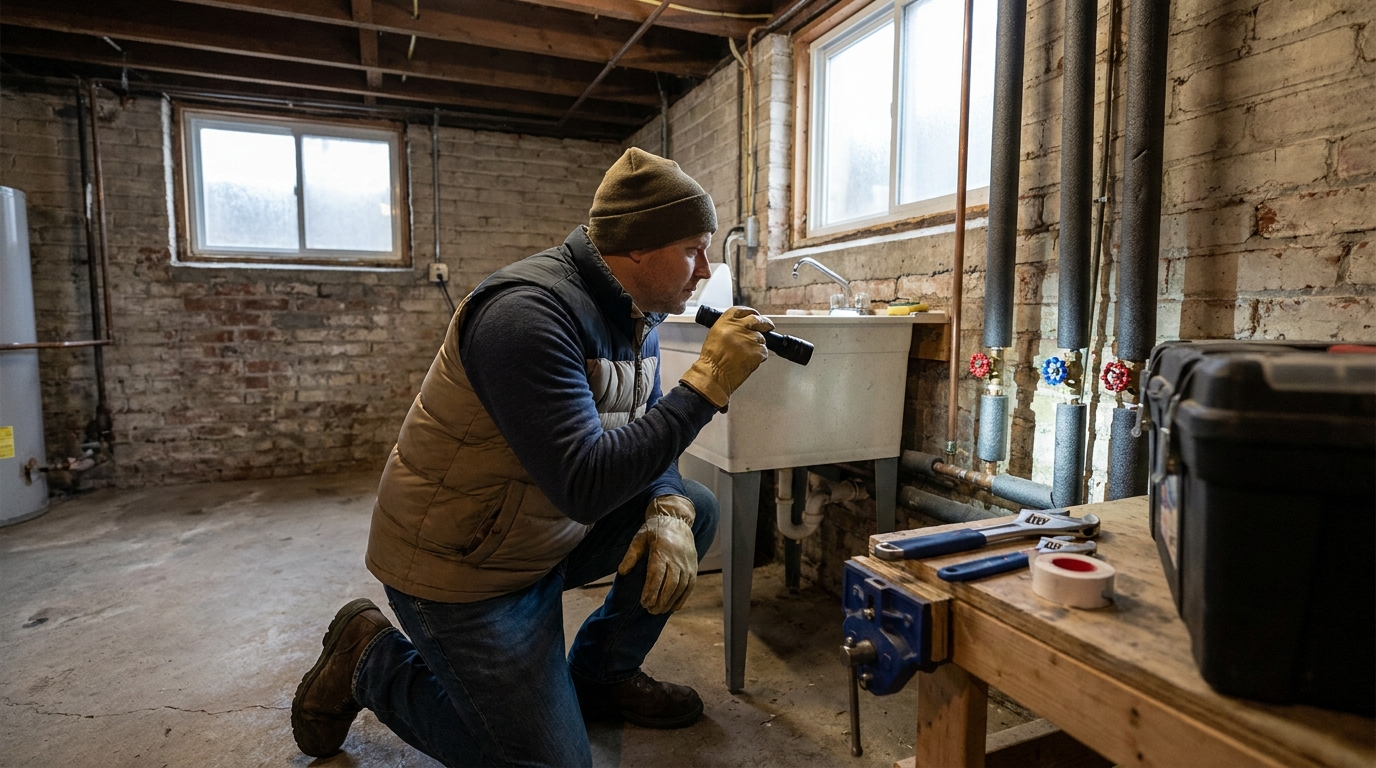
Most household dust is an everyday indoor air quality issue, but there are times when extra caution is necessary. The EPA advises additional steps when homes contain hazards such as lead or asbestos, because ordinary dust control is not enough to manage them safely. This matters especially in older homes, during renovation projects, or when materials are damaged or disturbed.
If your home was built in an era when lead paint or asbestos containing materials may have been used, avoid sanding, scraping, drilling, or tearing into suspect materials without proper guidance. Renovation dust can spread surprisingly far and may require containment, specialized cleanup, and certified professionals depending on the situation. In these cases, the goal is not simply reducing visible dust. It is preventing exposure to hazardous particles.
This is one area where it is best not to rely on ordinary cleaning instincts. Sweeping, vacuuming with a standard machine, or handling debris casually can increase risk. If you suspect lead, asbestos, or another hazardous material, seek professional advice before proceeding. A calm, informed response protects both the home and the people living in it.
For most readers, this will not be an everyday concern. Still, it is important to know that not all dust issues are routine. Recognizing the difference helps you approach your home with both confidence and care.
A simple room by room dust control checklist
If you want a straightforward way to stay on track, use this room by room checklist as a flexible guide. You do not need to do every task at once. Return to it throughout the week and season as needed.
- Bedroom: Wash bedding weekly, use allergen proof pillow and mattress covers, vacuum rugs and under bed areas, and keep textiles edited and washable where possible.
- Living room: Damp dust shelves and tables, vacuum upholstery and rugs, reduce crowded decor, and clean pet resting spots often.
- Entryway: Use indoor and outdoor mats, contain shoes and bags, and wipe down high touch surfaces where debris tends to gather.
- Kitchen: Use ventilation when cooking, clean floor crumbs and fine particles promptly, and wipe cabinet tops or exposed ledges during seasonal resets.
- Bathroom: Run exhaust fans to reduce moisture, wipe surfaces regularly, and keep humidity from drifting into adjacent spaces.
- Whole home air support: Check HVAC filters, maintain air cleaners, and pay attention to rooms that feel stuffy, damp, or dustier than the rest.
Lists like this are helpful because they turn dust control into a series of small decisions rather than one giant chore. Once you know what each room needs, it becomes easier to notice patterns and stay ahead of buildup.
The real reward of a dust controlled home
At its heart, dust control is about how a home supports the people living in it. A cleaner bedroom can make sleep feel more restorative. A fresh living room can encourage people to sit down, unwind, and enjoy time together. An organized entryway can lower the stress of coming and going. These are small improvements, but they shape the emotional texture of daily life in powerful ways.
There is also confidence in knowing your home feels ready. Ready for guests, ready for a quiet weekend, ready for children sprawled on the rug with a game, ready for a deep breath at the end of a long day. That kind of comfort is not created by perfection. It comes from practical care, repeated gently over time.
If you remember only one thing, let it be this. The most effective dust control plan is the one you can actually live with. Vacuum regularly, dust with a damp cloth, wash bedding, reduce clutter, support your home with ventilation and filtration, and keep humidity in a healthy range. Those simple steps, practiced consistently, can transform not just the look of a room but the feeling of the entire home.
And that feeling matters. A home with less dust often feels lighter, calmer, and easier to love. In the end, that is what good home care is really about.


No Comment! Be the first one.