


Mastering Humidity Control for a Healthier, More Comfortable Home Environment
There is a certain kind of comfort that is hard to describe until it is missing. A home can be beautifully designed, thoughtfully furnished, and even impeccably clean, yet still feel heavy, stale, clammy, or irritating to live in. Very often, the missing piece is not style or storage or temperature alone. It is humidity. The amount of moisture in the air quietly shapes how your home feels from morning to night, influencing everything from breathing comfort and sleep quality to condensation on windows and the risk of mold taking hold behind the scenes.
Table Of Content
- Why Humidity Matters More Than Most Homeowners Realize
- What Is the Ideal Indoor Humidity Level?
- The Physical Benefits of Balanced Humidity
- The Emotional Side of a Healthier Indoor Environment
- Common Signs Your Home Has a Humidity Problem
- The First Step: Measure Before You Guess
- Where Excess Indoor Moisture Comes From
- How to Lower Humidity in a Practical, Sustainable Way
- Simple Habits That Help Control Humidity
- When and How to Use a Dehumidifier
- What About Humidifiers in Winter?
- Humidity, Ventilation, and Energy-Efficient Homes
- Misconceptions That Can Get in the Way
- A Room-by-Room Approach to Better Humidity Control
- How to Build a Simple Year-Round Humidity Routine
- The Lasting Value of a Well-Balanced Home
Humidity control is one of the most practical and meaningful ways to improve everyday life at home. It supports a fresher indoor environment, helps reduce moisture-related problems, and creates a space that feels easier to relax in across the seasons. In winter, overly dry air can leave skin tight, eyes irritated, and bedrooms less restful. In summer, too much moisture can make rooms feel sticky and tired, even when the thermostat says the temperature is fine. That is why humidity is not simply a maintenance issue. It is a wellness issue and a comfort issue too.
Across North America, common guidance recommends keeping indoor relative humidity in the range of about 30% to 50%, with levels kept below 60% to help reduce moisture-related problems such as mold growth. The EPA recommends this range, and CDC guidance reinforces the idea that home humidity should be kept as low as possible, ideally no higher than 50% all day when practical, to help prevent mold. Health Canada also stresses that indoor mould may pose a health hazard and that moisture problems should be addressed quickly. In other words, the most comfortable home often ends up being the healthier one too.
This guide looks at humidity through a lifestyle lens, because the best home care advice is not just about what to buy. It is about how a space feels to live in. When humidity is balanced, rooms feel lighter and calmer, sleep tends to be more comfortable, fabrics and surfaces stay drier, and the air often feels cleaner. Once you understand what humidity is, what signs to watch for, and how to make small adjustments, it becomes much easier to create a home that supports your well-being all year long.
Why Humidity Matters More Than Most Homeowners Realize
Many people think of indoor comfort as a simple thermostat issue, but humidity plays an equally important role in how the body experiences a room. Heating and cooling alone do not tell the whole story. If the air is too damp, a home can feel muggy, stale, and tiring. If the air is too dry, it can feel harsh and irritating. ASHRAE, one of the most recognized authorities in indoor environmental comfort, notes that humidity strongly affects thermal comfort, which means the same temperature can feel very different depending on moisture in the air.
Humidity also touches a more emotional side of home life. When a room smells musty, when windows collect moisture every morning, or when laundry areas always feel damp, the home can begin to feel less cared for and less restorative. On the other hand, balanced humidity can make a house feel settled, fresh, and easier to inhabit. This is especially important in places with long winters, humid summers, or tightly sealed homes where moisture becomes trapped indoors.
There is also the issue of prevention. Excess moisture is one of the major conditions that allows mold to grow. Dampness and high humidity can encourage condensation on cold surfaces and contribute to hidden moisture behind walls, around windows, and under sinks. Public health guidance does not suggest waiting until mold becomes visible. Instead, it emphasizes managing moisture at the source. That mindset is important because by the time a space smells musty or shows staining, the problem may already be more established than it first appears.
What makes humidity control so valuable is that it improves both present comfort and future resilience. It can help a room feel better today while also reducing the likelihood of bigger repair issues tomorrow. In a world where homeowners are thinking more broadly about wellness, sleep quality, family health, and healthy-home routines, humidity belongs in the conversation just as much as lighting, cleaning, and ventilation.
What Is the Ideal Indoor Humidity Level?
The most widely cited target for homes is a relative humidity range of 30% to 50%. This range tends to support comfort while lowering the chance of moisture-related concerns. The EPA advises keeping indoor relative humidity in this zone and below 60% to reduce the likelihood of mold growth and related issues. The CDC similarly recommends keeping humidity levels in the home no higher than 50% all day long when possible to help prevent mold.
Relative humidity simply refers to how much moisture the air is holding compared with how much it could hold at that temperature. Warmer air can hold more moisture than cooler air, which is why humidity is always tied to temperature. This is also why a room can feel very different in winter than in summer, even if the humidity number is not wildly different. In practical terms, most homeowners do not need to calculate anything complicated. They simply need a way to measure humidity and understand what the numbers are telling them.
That healthy range is not meant to be rigid to the point of stress. Homes naturally fluctuate through the day and across the seasons. Cooking dinner, taking showers, doing laundry, and opening windows can all shift indoor moisture. The goal is not perfection. The goal is staying in a zone that supports comfort and avoids persistent dampness or dryness. A brief rise after a shower is one thing. A consistently humid bathroom, basement, or bedroom is another.
In colder climates, winter requires special attention because condensation on windows can signal that indoor air is too humid for the temperature of the glass and surrounding surfaces. In hotter, more humid months, the issue is often the opposite. Air can feel sticky and heavy, and air conditioning may not fully solve the moisture load. Both scenarios point to the same truth. Humidity is not seasonal trivia. It is one of the quiet foundations of a healthier home environment.
The Physical Benefits of Balanced Humidity
When humidity stays in a healthy range, the body often notices the difference before the mind can explain it. Breathing can feel easier, particularly in rooms that used to feel stale or overly dry. Eyes may feel less irritated. Skin often feels more comfortable, especially during heating season when indoor air can become dry. These are not dramatic overnight transformations in every case, but they are the kinds of subtle improvements that make a home feel gentler and more supportive over time.
Balanced humidity also helps reduce some of the environmental conditions that contribute to discomfort and poor indoor air quality. High humidity supports mold growth and can encourage dust mites, both of which matter for overall household wellness. Lingering dampness can also create stale odors that make a home feel less clean, even when surfaces are tidy. By managing humidity well, you are not simply changing a number on a display. You are shaping the feel and freshness of the air your household lives with every day.
On the other side, excessively dry indoor air is often underestimated. Many people tolerate it because it arrives during winter and seems normal. Yet dry air can aggravate the nose, throat, eyes, and skin, making the home feel less physically comfortable. The answer is not always to add moisture immediately. The best first step is to measure indoor humidity and understand whether dryness is truly the issue, because adding moisture without monitoring can create a different set of problems.
One of the most practical benefits of balanced humidity is that it can make your heating and cooling feel more effective. Humidity strongly influences thermal comfort. A home that is too damp often feels warmer and heavier than it is, while very dry air can feel sharp and uncomfortable. When moisture is controlled, rooms tend to feel more even and livable, which supports the kind of quiet comfort most people want but cannot always name.
The Emotional Side of a Healthier Indoor Environment
Good humidity control does something deeply reassuring to a home. It makes the air feel cared for. It can take a room from feeling closed in to feeling fresh without any visible design change. That emotional shift matters because homes are not experienced in isolated technical metrics. They are experienced through routines, moods, family interactions, and the general sense of ease or tension that a space creates.
When indoor air feels balanced, everyday moments become more pleasant. Bedrooms can feel more restful at night. Living spaces can feel less oppressive in summer afternoons. Bathrooms and laundry areas can feel cleaner and more manageable instead of always a little damp. These details shape how a household moves through the day, and they often have a quiet impact on mental comfort.
There is also peace of mind in knowing that your home is less vulnerable to preventable moisture problems. Persistent condensation and musty smells create low-grade stress because they suggest something is not quite right. Once humidity is under control and moisture issues are being managed well, the home can feel more settled. It becomes easier to trust your environment and enjoy it, rather than constantly reacting to small warning signs.
In this way, humidity control belongs to the larger idea of wellness at home. It sits alongside sleep-friendly bedrooms, clean-air routines, thoughtful ventilation, and spaces that support calm. The objective is not a laboratory atmosphere. It is a home that feels fresh, breathable, and genuinely comfortable to live in.
Common Signs Your Home Has a Humidity Problem
Humidity issues are not always dramatic. In fact, they often begin as small patterns that people normalize. One of the most common signs is condensation on windows, especially in winter. A little moisture may happen occasionally in cold weather, but persistent condensation is usually a signal that indoor humidity is too high for the temperature of the surfaces and the ventilation available. Natural Resources Canada notes that condensation, stale air, and lingering odors can all point to elevated indoor relative humidity and moisture issues.
Another clue is smell. If a room regularly feels musty, earthy, or slightly sour, moisture may be lingering somewhere. This can happen in basements, bathrooms, laundry rooms, closets, and around windows. Hidden moisture is especially important to take seriously because mold does not need to grow in obvious places to affect the feel of a home. It can develop behind furniture, below flooring edges, or inside cabinets where airflow is poor.
Physical sensations also matter. If your house often feels sticky in summer despite running the air conditioner, the system may not be removing enough moisture or the home may have significant moisture sources indoors. In winter, if skin, throat, and eyes consistently feel dry, humidity may be too low. Again, measuring matters because discomfort alone cannot tell you exactly what is happening.
Watch for visible clues on surfaces as well. Peeling paint, damp spots, repeated mildew around window frames, or recurring moisture under sinks all deserve attention. What matters most is not cosmetic treatment. It is understanding why the moisture is there in the first place.
The First Step: Measure Before You Guess
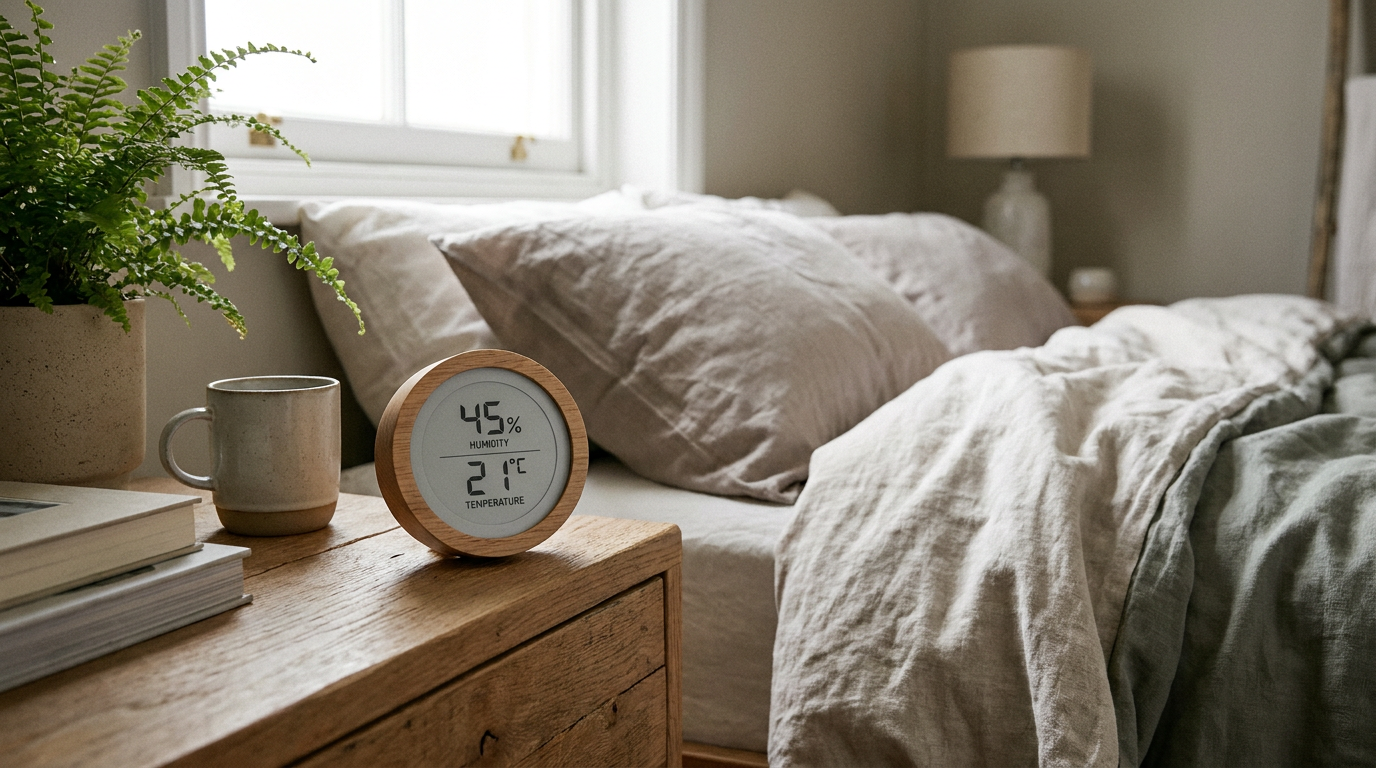
If there is one inexpensive tool that can dramatically improve how you manage indoor comfort, it is a hygrometer. This small device measures relative humidity and gives you a much clearer picture of your home than guesswork ever can. Because many humidity problems remain invisible until condensation or mold appears, measuring is one of the smartest habits a homeowner can adopt.
A hygrometer can be placed in the rooms where you spend the most time or where moisture tends to gather. Bedrooms, basements, bathrooms nearby, laundry areas, and main living spaces are all useful spots to monitor. You may discover that one floor of the home is much more humid than another, or that humidity spikes after certain routines like showers and cooking. Once you know when and where moisture builds up, solutions become much more targeted.
Connected hygrometers and smart home monitors are becoming more popular, and they can make ongoing awareness easier. This fits with a broader trend in healthy-home living where people track not just temperature, but indoor air quality more holistically. Still, even a simple low-cost hygrometer can make a real difference. The point is not to obsess over every reading. It is to notice patterns and respond before small issues become larger ones.
Measurement is also helpful because it challenges common misconceptions. Many people assume that if there is no visible mold, humidity must be fine. Others assume that humidifiers are always beneficial in winter. A hygrometer helps replace those assumptions with actual information, which leads to better decisions and a more comfortable home overall.
Where Excess Indoor Moisture Comes From
One of the most important things to understand about humidity control is that moisture usually comes from everyday life. Showers, cooking, drying clothes indoors, aquarium tanks, many houseplants, foundation leaks, and even people themselves all release moisture into the air. In a tightly sealed, energy-efficient home, that moisture can build up surprisingly quickly if ventilation is not keeping pace. This is one reason current healthy-home guidance increasingly connects humidity control with whole-home indoor air quality and ventilation strategies.
Bathrooms are one of the clearest examples. A hot shower can send humidity soaring in minutes, and if steam is not exhausted effectively, it drifts into hallways, bedrooms, and closets. Kitchens can have a similar effect, especially when boiling water or simmering food for long periods without using a range hood. Laundry is another overlooked source, particularly when clothes are dried indoors or dryers are not venting properly.
Moisture can also enter from the building itself. Leaky roofs, damp basements, plumbing problems, poorly sealed windows, and water intrusion around foundations all create long-term humidity and mold risk. Public health guidance emphasizes fixing these problems promptly because controlling the source is more effective than trying to manage symptoms later. If wet materials cannot be dried within 24 to 48 hours, the risk of mold rises significantly.
This is why humidity control is not just about adding or removing moisture with equipment. Devices can help, but they work best when the home itself is not actively generating or holding onto excess dampness. The healthiest strategy is always to reduce the source first, then support the space with ventilation or dehumidification when needed.
How to Lower Humidity in a Practical, Sustainable Way
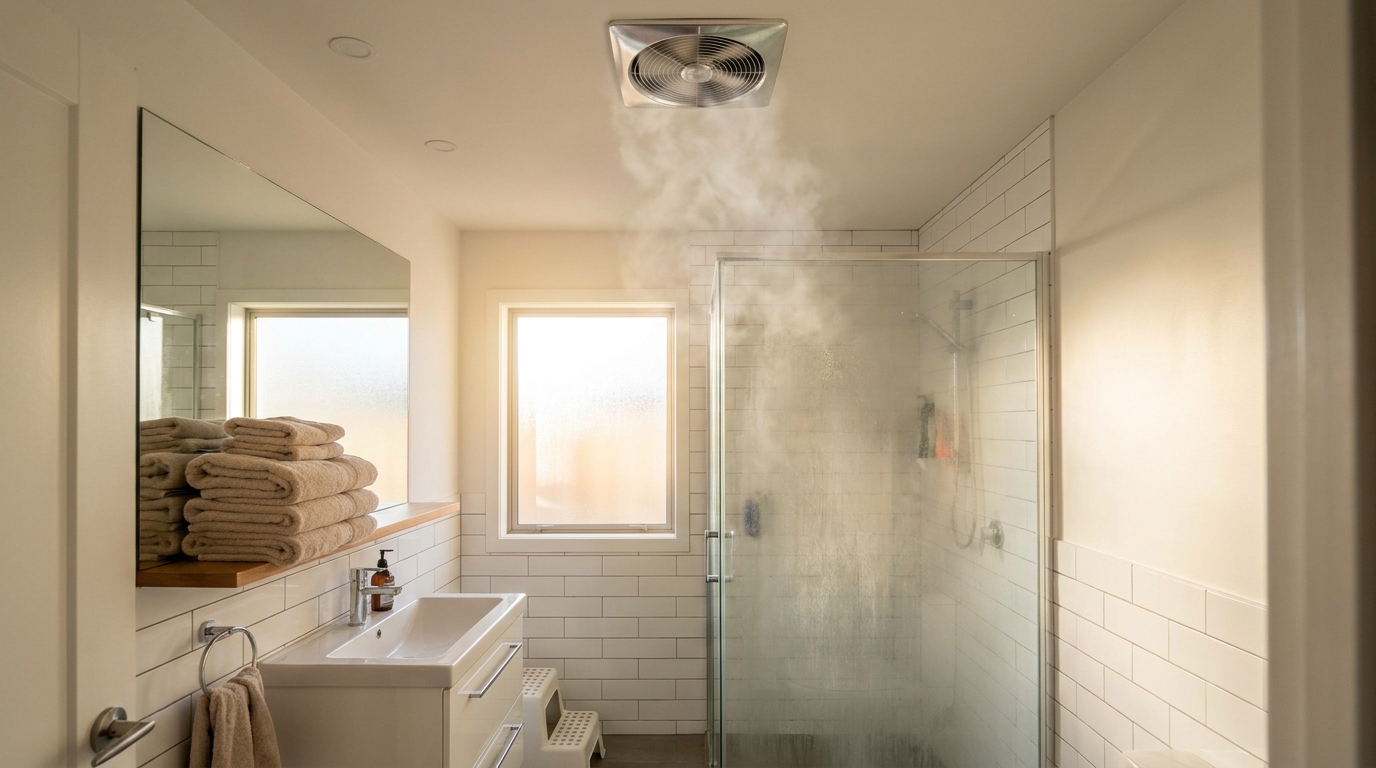
The best humidity control plan usually starts with daily habits and home maintenance rather than equipment alone. Ventilation is one of the strongest tools you have. Use bathroom exhaust fans during showers and for a little while afterward so moisture leaves the house instead of drifting into surrounding rooms. Use the kitchen exhaust hood when cooking, especially during boiling, steaming, or long simmering. These small actions can noticeably reduce indoor moisture over time.
Air conditioning can also help because many systems remove moisture as they cool. That said, air conditioning does not always dehumidify enough on its own, especially during very humid weather or in homes where moisture sources are high. If rooms still feel sticky, a dedicated dehumidifier may be needed. This is particularly common in basements, lower levels, laundry rooms, or any area that tends to feel damp even when the rest of the home is comfortable.
For persistent humidity, source control remains the priority. Repair leaks quickly. Check under sinks. Address foundation dampness. Make sure clothes dryers vent outdoors properly. Avoid letting wet towels, rugs, or building materials stay damp for days. If a spill, leak, or minor flood occurs, dry affected materials as fast as possible. The difference between a temporary wet event and a mold problem is often speed.
Sometimes a few routine adjustments can make a big difference. Shorter showers, lids on pots, better spacing between furniture and exterior walls, and opening interior doors for airflow can all help. In especially damp homes, reducing moisture-heavy activities indoors may also be useful. The point is not to make the home feel restrictive. It is to let your routines work with the house rather than against it.
Simple Habits That Help Control Humidity
- Run bathroom fans during and after showers to clear steam effectively.
- Use kitchen exhaust when cooking with steam or boiling water.
- Repair plumbing leaks, roof leaks, and foundation moisture promptly.
- Dry wet materials within 24 to 48 hours whenever possible.
- Keep air moving in closets, corners, and rooms that tend to feel stale.
- Use a dehumidifier in damp areas such as basements or laundry rooms when needed.
- Monitor humidity regularly with a hygrometer instead of relying on guesswork.
When and How to Use a Dehumidifier
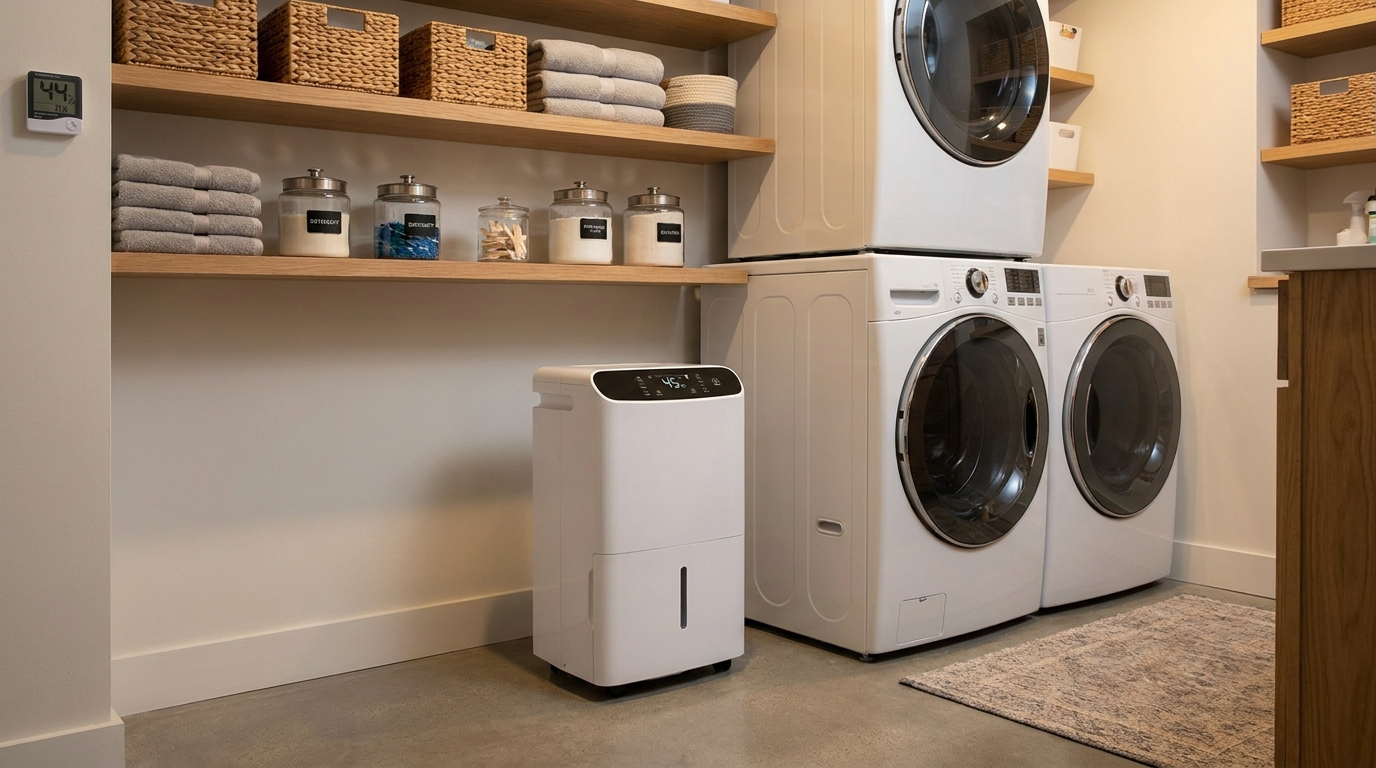
A dehumidifier can be a wonderful support tool when part of the home consistently holds too much moisture. It is especially useful in basements, lower-level family rooms, laundry areas, and older homes with seasonal dampness. If your hygrometer regularly shows readings above the recommended range, or if a room feels humid, smells musty, or shows recurring condensation, a dehumidifier may help create a more stable environment.
The key is to use it intentionally. Set the unit to maintain a comfortable target, often within that 30% to 50% range depending on the season and room. Empty the reservoir regularly if it does not drain automatically, and clean the filter according to the manufacturer instructions so the machine stays effective. A neglected dehumidifier can become more of a chore than a solution, so choose a model that fits your space and routine realistically.
It is also worth remembering that a dehumidifier is not a cure for building leaks or chronic water intrusion. If the basement repeatedly feels wet because water is entering through walls or floors, the moisture source needs attention. Equipment can reduce symptoms, but it cannot replace repair. That distinction matters because too many homeowners spend months trying to dry a room that is still actively taking on water.
Used well, though, a dehumidifier can make a space feel transformed. The air often feels lighter, fresher, and less oppressive. Fabrics and stored items feel drier. Rooms that once felt forgotten can become more usable and more comfortable for family life.
What About Humidifiers in Winter?
Humidifiers can absolutely have a place in home comfort, but they should be used with care. During long heating seasons, indoor air can become quite dry, and some households find that adding a little moisture improves comfort. Skin may feel less dry, noses less irritated, and bedrooms more pleasant. However, the common idea that humidifiers are always good in winter is misleading. If humidity rises too high, especially in cold climates, condensation can form on windows and cooler surfaces, creating conditions for mold.
This is why measurement matters so much. If indoor humidity is already within a healthy range, adding more moisture may create a problem rather than solve one. A hygrometer helps you know whether a humidifier is truly needed and whether it is being used appropriately. The goal is comfort without tipping into dampness.
Cleaning is equally important. Humidifiers need regular maintenance to avoid becoming sources of contamination themselves. Water reservoirs and internal parts should be cleaned as recommended so the device supports indoor wellness rather than undermining it. For many homes, the most effective approach is not constant humidification throughout the house but careful use in specific areas or during particularly dry periods.
If you use a humidifier and begin noticing window condensation, damp sills, or a heavy indoor feel, step back and recheck humidity levels. A little moisture can be comforting. Too much can work against the very healthy-home goals you are trying to support.
Humidity, Ventilation, and Energy-Efficient Homes
Modern homes are often more tightly sealed than older ones, which is excellent for energy efficiency but can complicate moisture control. When less air naturally leaks in and out, moisture from cooking, bathing, and daily living can become trapped more easily. That is why newer guidance increasingly links humidity control with whole-home indoor air quality rather than treating it as an isolated issue.
Balanced ventilation becomes especially important in these homes. Exhaust fans, fresh-air systems, and HVAC setups that manage humidity more precisely can help maintain comfort without wasting energy. The ideal healthy home today is not drafty and dry, nor sealed and damp. It is balanced. It retains comfort while allowing moisture to be managed properly.
There is also a growing interest in smart thermostats and connected IAQ tools that monitor humidity continuously. These systems can be helpful because they make invisible changes easier to notice. In a busy household, that kind of quiet awareness can support better routines and fewer surprises. If you know the upstairs bedrooms get too dry in January or the basement gets too humid in July, you can act early rather than waiting for discomfort or damage to appear.
As weather patterns become more extreme and people spend more time thinking about indoor resilience during heat, smoke, and long heating seasons, humidity control becomes part of a larger home strategy. It is no longer just about preventing mildew in a single bathroom. It is about creating a whole house that feels supportive, healthy, and adaptable.
Misconceptions That Can Get in the Way
Some of the most common humidity mistakes begin with assumptions that sound reasonable but are not quite true. One is the belief that if there is no visible mold, there is no humidity problem. In reality, excess moisture can create hidden condensation behind walls, under sinks, around windows, and in closets long before visible growth appears. That is why smell, condensation, and measured humidity all matter.
Another misconception is that condensation on windows means the house is somehow healthy or sealed well. Persistent condensation is usually a warning sign, not a badge of quality. It often means indoor air is carrying more moisture than the surfaces can handle. Left alone, that moisture can damage trim, paint, and surrounding materials.
Many homeowners also assume that mold testing is the best first step if they suspect a problem. In most everyday household situations, public health guidance puts much more emphasis on finding and fixing the moisture source. Testing rarely solves the underlying issue. Repair and drying do. Similarly, it is incomplete to say that air conditioning only cools and does not dehumidify. Many systems remove some moisture as they cool, but that may not always be enough to manage the home effectively.
Finally, there is the idea that indoor humidity only matters for comfort. Comfort is a large part of the story, but not the whole one. Humidity is also tied to mold risk, condensation, dust mites, stale odors, and respiratory irritation. It affects how a home performs and how it feels.
The most useful approach to humidity control is wonderfully simple: measure the air, identify moisture sources, improve ventilation, and use dehumidification or humidification only when needed.
A Room-by-Room Approach to Better Humidity Control
Sometimes humidity advice feels abstract until it is tied to real rooms and routines. In the bedroom, focus on comfort and sleep quality. Keep an eye on winter dryness or summer stuffiness, and use a hygrometer to understand seasonal changes. If the room feels stale, ventilation and air circulation may help more than simply changing the temperature.
In the bathroom, make ventilation your first line of defense. Run the fan during showers and continue for a short time afterward. Wipe down persistent wet surfaces if needed, and keep an eye on corners, ceilings, and window frames for signs of recurring moisture. Bathrooms are one of the easiest places to improve because the source is so clear and routines can change quickly.
In the kitchen, steam control matters. Use the range hood when boiling or simmering, and do not underestimate how much moisture daily cooking can release. In busy family homes, kitchens can quietly contribute a great deal to overall humidity.
The basement often needs the most support. Because it is cooler and more enclosed, it can hold onto dampness and stale air. A hygrometer and dehumidifier are often especially useful here, but so is checking for water intrusion and maintaining airflow. Basements should not simply smell like basements. A consistently musty smell is usually a sign that something needs attention.
In the laundry area, proper dryer venting is essential. If clothes are air-dried indoors, monitor the space carefully, especially in winter. Laundry may seem like a harmless routine, but in enclosed homes it can add a surprising amount of moisture to the air.
How to Build a Simple Year-Round Humidity Routine
The most sustainable home care habits are the ones that become almost automatic. Humidity control does not need to feel technical or demanding. A simple monthly check of your hygrometer readings, a quick glance at window condensation during cold weather, and regular use of fans in moisture-heavy rooms can go a long way. Once these become part of the rhythm of home life, they require very little effort.
It can help to think seasonally. In winter, watch for dry air discomfort and any signs that humidity is actually too high, such as moisture on windows. In spring and summer, pay attention to stickiness, basement dampness, and whether air conditioning is keeping the home comfortable beyond temperature alone. In rainy periods or during heat waves, humidity may need more active management.
A thoughtful routine might include checking bathroom fan performance, cleaning dehumidifier or humidifier components, inspecting under sinks, and reviewing any recurring moisture spots around windows or exterior walls. None of this is glamorous, but it supports the feeling everyone wants from home: clean air, restful rooms, and a space that feels well cared for.
If you live in Canada or in northern parts of the United States, these routines matter even more because long heating seasons and cold surfaces can make window condensation and hidden dampness easier to miss or excuse. The earlier you notice patterns, the easier they are to correct.
The Lasting Value of a Well-Balanced Home
Humidity control is one of those home practices that pays you back quietly. It may not be as visible as a renovation or as exciting as a new piece of furniture, but it changes the lived experience of home in ways that are immediate and lasting. The air feels fresher. Rooms feel more comfortable. Sleep can feel easier. You worry less about moisture building up where it should not, and you gain confidence that your space is supporting your health rather than working against it.
At its heart, mastering humidity is about balance. It is not about chasing perfect numbers or reacting dramatically to every seasonal shift. It is about understanding your home, noticing what the air is telling you, and making simple adjustments that protect comfort and well-being. The ideal indoor humidity range of about 30% to 50% offers a helpful anchor, but the deeper goal is creating a home that feels breathable, calm, and genuinely good to live in.
If you are not sure where to begin, start small. Place a hygrometer in the rooms you use most. Notice how those spaces feel in the morning, after showers, during dinner preparation, and at bedtime. Turn on the fan more consistently. Address that persistent condensation or damp smell you have been meaning to investigate. These small acts add up to a healthier indoor environment and a more comfortable daily life.
In the end, the beauty of a home is not only in how it looks. It is in how it holds you. When the air feels balanced, clean, and easy, the entire home becomes more nurturing. That is the quiet power of good humidity control.



No Comment! Be the first one.