
Charging Habits Matter: What Toronto’s Battery Fires Mean for Your Home
Three fires in twenty four hours is the kind of number that makes you pause and look around your own home. This week, Toronto Fire responded to three separate lithium-ion battery fires across the city, one of them at an apartment on George Street that left three people injured. It is easy to read a headline like that and think it belongs to someone else’s building. It does not. It belongs to anyone who charges a phone, a laptop, an e-bike, or a scooter overnight, which is to say, almost all of us.
Toronto Fire Chief Jim Jessop called it plainly: the fastest growing fire safety risk in Canada’s largest city. What makes these fires so unsettling is not just their frequency, it is their speed. Jessop explained that a device going into thermal runaway can push a room into flashover in as little as ninety seconds, compared to roughly five minutes a decade ago. That is barely enough time to grab a phone off the nightstand, let alone gather a family and get out safely.
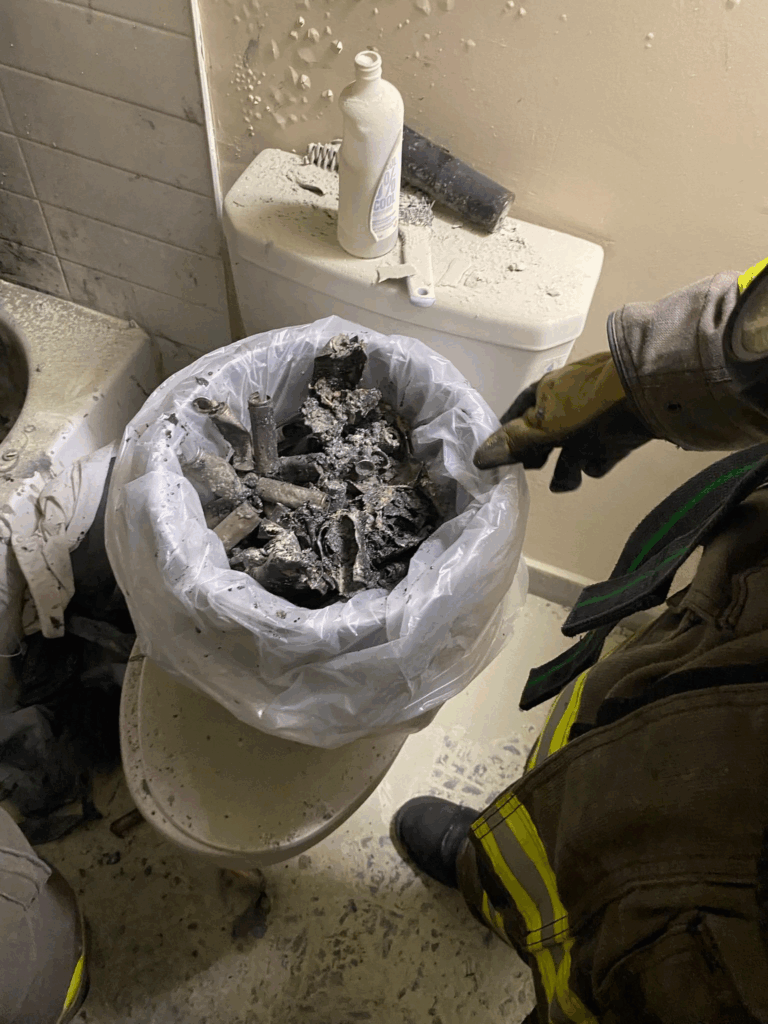
For homeowners and renters, this is less about panic and more about a few genuine habit changes. Jessop noted that the overwhelming majority of these incidents trace back to unregulated, uncertified batteries powering e-bikes, scooters, and other micromobility devices, not the phone or laptop batteries most of us assume are the risk. There is also a quieter detail worth remembering: thermal runaway does not always happen while a device is charging. Toronto Fire has seen batteries reignite as much as six weeks after being safely stored away, simply sitting in a closet or a garage.
The survivability time for people to get safely out has decreased, as well as the increased risk to the responding firefighters, paramedics and police officers.
So what does a safer everyday routine actually look like? Charge devices with micromobility batteries away from bedrooms and exit routes, ideally not overnight and not unattended for long stretches. Look for certified batteries and chargers rather than off-brand replacements, since Jessop pointed out that Canada currently has no mandatory standard these products must meet. And do not assume storage equals safety. A battery that has been sitting quietly in a closet for weeks is not necessarily inert.
None of this means giving up on e-bikes or the conveniences that come with them. Jessop himself was careful to say he is not calling for a ban, recognizing these devices are part of how people now move through the city and manage cost of living. It simply means treating battery storage and charging the way we already treat smoke detectors and space heaters, as a small, unglamorous habit that quietly protects the home we actually live in. With 76 lithium-ion incidents recorded in Toronto so far this year, including two fatalities, this is one everyday adjustment worth making before it becomes urgent.
Source: CityNews Toronto