
Alto and the Long Game: What Ottawa’s Push on High-Speed Rail Means for Corridor Development
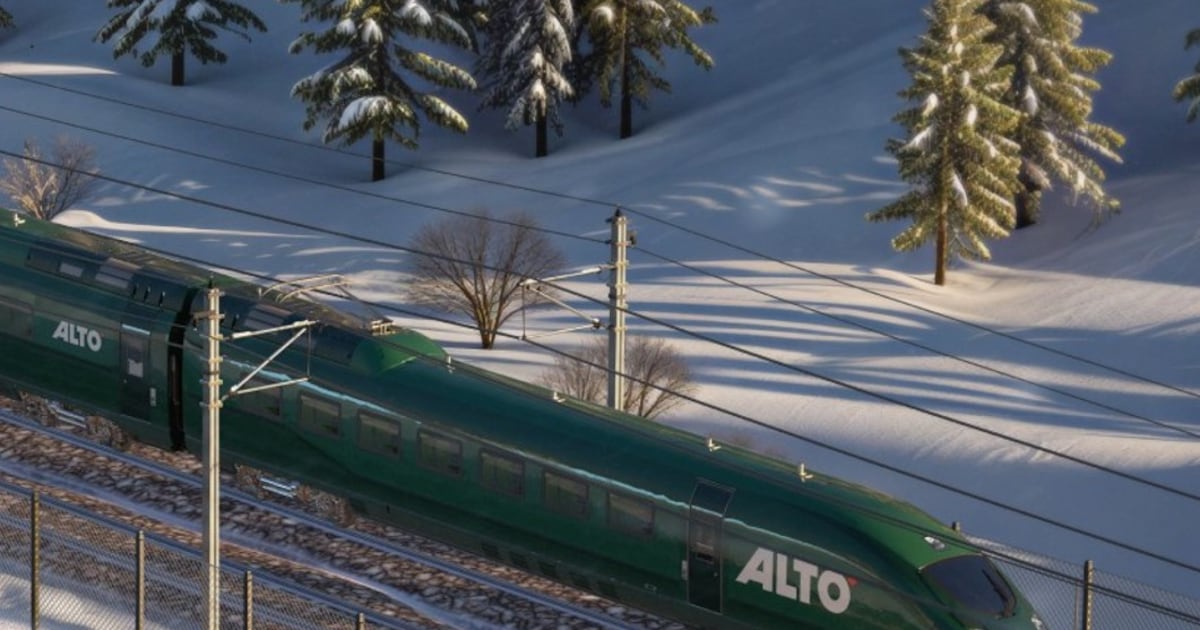
Every major infrastructure project eventually arrives at the moment where ambition meets land. For Alto, the proposed high-speed rail line connecting Toronto, Ottawa, Montreal, and Quebec City, that moment is now. The federal budget confirms new legislation is coming to “support accelerating” construction, including tools to streamline expropriation and allow early pre-construction work to begin. This is not a funding announcement. It is a land strategy announcement, and those tend to matter more in the long run.
I have spent years watching how land decisions shape outcomes long before a single beam goes up. Streamlined expropriation powers and early access for pre-construction work are exactly the kind of mechanisms a project this size needs if it intends to hit real timelines rather than aspirational ones. Alto has already purchased its first property and is conducting drone surveys across eastern Ontario and western Quebec as it studies the Ottawa to Montreal leg. That is the quiet, unglamorous groundwork of development, and it is happening now, years before trains run.
But scale brings friction, and this project has plenty. The Parliamentary Budget Officer now estimates costs between 75 and 113 billion dollars, well above the government’s original 60 to 90 billion dollar range, pointing to a proposed 15 kilometre tunnel into Montreal and construction through the Canadian Shield as major cost drivers. For anyone who tracks large scale feasibility, that kind of upward revision before shovels are even in the ground is a signal worth watching closely, not dismissing.
Then there is the human geography of the corridor itself. The United Counties of Prescott-Russell have already refused Alto access to county land for studies and declined to sign a non-disclosure agreement. Eastern Ontario Progressive Conservative MPPs have publicly pressed for assurances that farmland impact will be minimized and that affected residents are genuinely consulted. And this weekend, two protesters begin a five day walk across Prescott-Russell to Ottawa under the “Long walk to be heard” banner. Land development at this scale is never just an engineering exercise. It is a negotiation with the communities who live on and around the route, and that negotiation shapes timelines as much as any tunnel through bedrock does.
Strong projects are built from a wider understanding of timing, access, infrastructure, policy, and the people on the ground.
Alto expects to deliver a more detailed business case to the federal government in 2027, with the Ottawa to Montreal segment projected to take roughly eight years to build if construction starts in 2029. For developers, planners, and municipalities along the corridor, the legislative push on expropriation is the real signal here. It suggests Ottawa intends to move from study phase to land assembly phase faster than some stakeholders expected, and that shift will ripple into land values, farmland policy, and municipal planning conversations well before the first rail is laid.
Source: CP24