Davisville’s 294-Unit Rental Project Shows What Real Partnership-Driven Housing Delivery Looks Like
Toronto just broke ground on something worth studying closely, not for the unit count alone, but for the structure behind it. At 140 Merton St. in Davisville, the City of Toronto and the Missanabie Cree First Nation are delivering 294 purpose-built rental homes, and the way this deal was assembled says as much about the future of housing delivery as the building itself will.
The unit mix tells the real story. 196 rent-controlled market units, 80 affordable homes, and 18 rent-geared-to-income homes reserved for Indigenous Elders and seniors. That is not a token affordability gesture bolted onto a market project. It is a deliberately layered financial structure designed to work across multiple funding sources and multiple populations at once, inside a single 29-storey tower.
Look at how the capital stack came together. The city contributed the land itself, plus more than 28 million dollars in capital funding, planning fee exemptions, and property tax relief. The federal government layered in more than 133 million dollars through the Affordable Housing Fund. Missanabie Cree First Nation was not brought in as a token partner either. They were selected through a competitive process back in 2022, which means this was structured as a genuine development partnership with long term stewardship in mind, not a naming exercise attached to a government-led build.
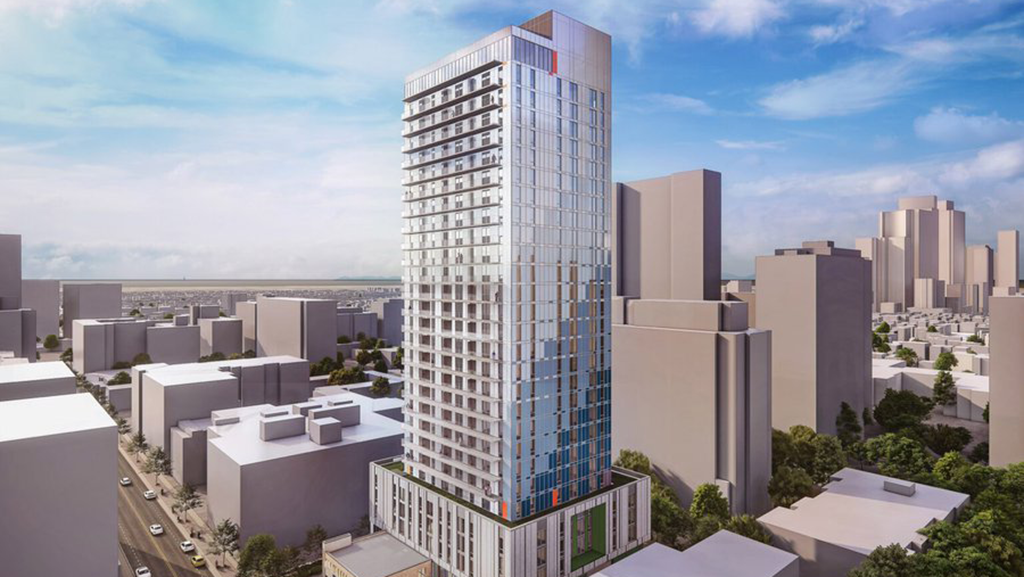
This is also a project designed around identity, not just shelter. A dedicated ceremonial space, a smudging room, and an onsite community space operated by SPRINT Senior Care mean the building has to function as cultural infrastructure as much as residential infrastructure. For a developer or a policy team, that changes the design brief significantly. Amenity space here is not a leasing incentive. It is program space that determines whether the community the building is meant to serve actually feels ownership over it once doors open.
Strong projects are built from a wider understanding of timing, access, infrastructure, policy, and demand. This is one of the clearer examples of that principle in practice right now.
What makes this project worth tracking beyond Davisville is scale of replication. This is one of 50 affordable housing projects currently under construction across Toronto. That is a meaningful pipeline, and it suggests the city has found a repeatable model: pair public land contribution with federal capital, bring in an Indigenous development partner through a real competitive process, and layer affordability tiers so the project serves market renters, affordable-tier renters, and vulnerable seniors under one roof. If that model holds up through delivery and lease-up, it becomes a template other municipalities facing the same density and affordability pressure should be studying closely.
The next thing to watch is timeline and cost discipline. Large multi-funder projects like this one carry real execution risk across 29 storeys and multiple government partners. But the structure itself, land plus capital plus a committed community partner, is exactly the kind of long term thinking that turns a single building into a functioning piece of city growth strategy.
Source: Daily Commercial News