Inside India’s Push to Rebuild Construction Around AI and Advanced Manufacturing
I have spent enough time on job sites to know that most of the waste in construction does not happen because people are careless. It happens because the systems around them are not built for precision. Material gets over-ordered, schedules slip, and energy gets burned on inefficiencies nobody planned for. That is why a new venture out of India, led by veteran entrepreneur Dr. B.K. Modi, caught my attention. It is not another developer chasing square footage. It is an attempt to re-engineer how buildings actually get built.
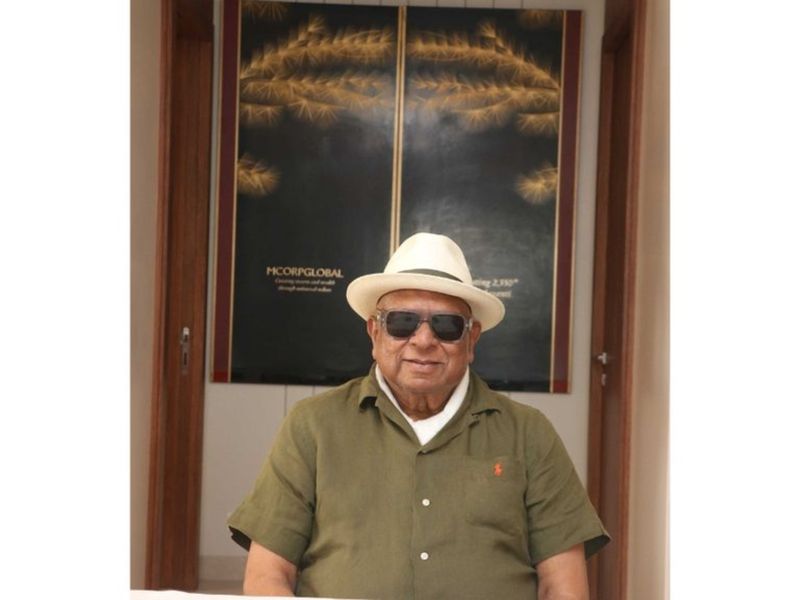
Dr. Modi, Founder Chairman of Modi Group and Chairman of Modi Holdings Pvt. Ltd., is entering the construction technology space after nearly five decades building companies across other industries. His new venture is aimed squarely at the problems that slow down construction everywhere, not just in India: material wastage, inefficient coordination, rising energy use, and environmental strain that comes from building the old way.
What stands out to me as a builder is the scope. This is not a software add-on bolted onto existing practices. The plan touches architecture, engineering, construction, and operations and maintenance, which means artificial intelligence is being positioned as part of the entire build lifecycle rather than a single phase. The venture has also lined up partnerships with established technology players like Nemetschek, which tells me there is an intent to integrate real digital workflow tools into how projects get planned and executed, not just marketed.
The manufacturing side is where I think the real test will happen. The company plans to open 12 factories in its first phase, with more to follow as demand grows. Factory-based production is not new in construction, but doing it at scale with AI-guided processes is a different challenge. Precision manufacturing off-site can reduce material waste and improve consistency, but it only works if quality control and logistics keep pace with the ambition. Twelve facilities is a serious early commitment, and it will say a lot about how quickly this approach can actually move from plan to practice.
For me, AI means money.
Dr. Modi’s own framing of AI, as a tool for reducing inefficiencies and improving productivity, is honest in a way I respect. Builders do not adopt new methods because they sound impressive. They adopt them because they cut costs, reduce rework, and make timelines more predictable. The venture has set a modest early target of 10 percent industry adoption of its construction technology products, which is a reasonable benchmark rather than an inflated promise.
India’s housing and infrastructure demand is not slowing down, and the pressure on traditional construction methods is only going to grow. Whether this venture delivers on its scale will depend on execution at the factory level and how well the AI tools actually perform on live sites, not just in presentations. That is always where these things are decided.
Source: The Tribune India