
The Decades-Long Wait: Why Young Canadians Need a Wealth Strategy, Not Just a Housing Forecast
New analysis out this week puts a number on something many young buyers already feel in their bones: at current wage growth, earnings in Canada would not catch up to home values nationally until roughly 2052. In the Greater Toronto Area that wait stretches toward 48 years, in Victoria to 53, and in Metro Vancouver to 66. For readers building a financial plan around homeownership, that is not a forecast you wait out. It is a timeline you have to invest around.
Start with the numbers themselves. Even after a 15 per cent real decline in average home values since 2021, buying the typical Canadian home still means carrying a mortgage of roughly 544,000 dollars after a 20 per cent down payment. Staying within the Canada Mortgage and Housing Corporation’s 30 per cent of income guideline requires an annual income near 131,000 dollars. The typical full time earner aged 25 to 34 makes about 68,500 dollars. That gap is not a temporary dislocation. It is the structural reality today’s younger buyers are pricing decisions against.
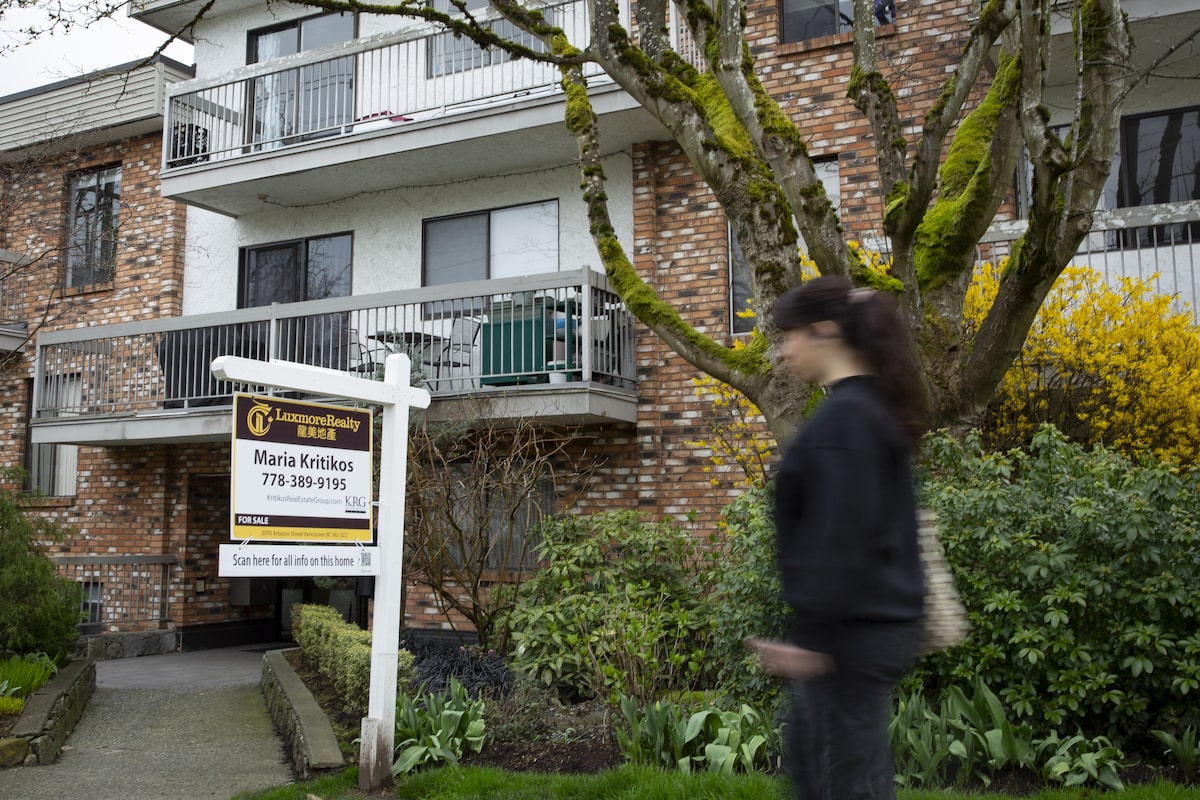
From an investment standpoint, this reshapes the conversation entirely. Policymakers, including Housing Minister Gregor Robertson, have been explicit that they do not want home values to fall sharply, since that would erode the equity already built up by existing owners. That is an understandable political position, but it is also a signal. If prices are being managed rather than allowed to correct, the path to ownership for non-owners runs through income growth and capital accumulation elsewhere, not through waiting for the market to come to them.
When the price side of the ledger is politically protected, the return side has to come from how aggressively you build capital while you rent.
That means treating the years before ownership as an active accumulation phase rather than a holding pattern. Renting while directing surplus income into diversified investments, including real estate investment trusts or fractional property vehicles, can build exposure to housing market gains without requiring a 544,000 dollar mortgage up front. It also means watching policy closely. Canada’s National Housing Strategy is due for renewal in 2027, and the federal budget scheduled for November 5 will signal whether governments lean toward expanded non-market housing, rental support, or tax relief aimed at easing the burden on renters and savers. Any of those measures change the math for a long term plan.
There is also a regional dimension worth underwriting into any strategy. With the affordability gap closing fastest in markets outside Ontario and British Columbia, where the 36 and 45 year timelines are notably shorter than the 48 to 66 year waits in Toronto and Vancouver, investors and prospective buyers alike should widen their map. Opportunity is not evenly distributed, and a strategy anchored only to the most expensive metros will feel the wait most acutely.
None of this is an argument for pessimism. It is an argument for discipline. The households that come out ahead over the next two decades will not be the ones waiting for affordability to arrive. They will be the ones who built a financial position strong enough to act the moment conditions shift in their favour.
Source: The Globe and Mail