The Hidden Growth Ceiling: Why Infrastructure Decisions Will Define the GTA’s Housing Future
Every housing project I have ever studied comes down to the same underlying question: does the land have what it needs to support what we want to build on it. Not the design, not the demand, not even the financing. The pipes, the wires, the pumping stations, the roads. That is the layer most residents never think about until it fails, and it is the layer that ultimately decides whether new homes get built at all.
Across the Greater Toronto Area right now, there are housing projects sitting stalled not because of market appetite or approvals, but because the municipal infrastructure underneath them simply cannot support new capacity. Water systems, wastewater treatment, electrical grids. When these systems are maxed out, it does not matter how strong the demand for housing is. The land cannot deliver on its potential.
This is the part of development that rarely makes headlines, and it is exactly why it deserves serious attention heading into October’s municipal elections. Cities in this region have a long pattern of funding infrastructure in bursts. We invest, we celebrate ribbon cuttings, then funding slows for a decade or two until the system falls behind again. Then we scramble to catch up, at today’s construction costs, for problems that started accumulating years earlier.
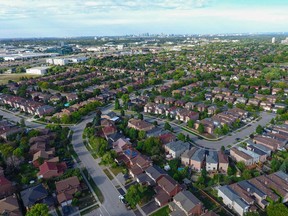
From a development strategy perspective, this stop and start cycle is one of the most damaging patterns a region can fall into. It creates three compounding problems. First, deferred infrastructure becomes dramatically more expensive to build once the deficit finally forces action. Second, a disproportionate share of those costs gets loaded directly onto new construction, which pushes up the price of every new home and erodes the region’s competitiveness against other markets. Third, and this is the one that matters most to anyone planning a large scale project, the unpredictability itself discourages investment. Developers price risk into every decision, and few risks are harder to underwrite than not knowing whether the infrastructure a project depends on will actually be there when it is needed.
You cannot build a new home if you are unable to turn on the tap in that home, or flush the toilet.
That line captures something fundamental about how I look at land value. A parcel is only as valuable as what it can actually support, and infrastructure capacity is the ceiling on that value whether anyone acknowledges it or not. The GTA needs municipal candidates who treat infrastructure funding as a continuous discipline rather than a crisis response. That means steady, predictable investment cycles instead of feast or famine budgeting, and it means an honest conversation about who pays. Loading every dollar onto new home buyers through development charges has visibly strained affordability without solving the underlying capacity problem. Ratepayers, municipalities, and higher orders of government all have a role in getting this right.
For anyone thinking about long term development in this region, infrastructure policy is not a secondary issue behind zoning or financing. It is the foundation everything else sits on. Getting it wrong does not just delay individual projects, it quietly limits how much housing this region can ever actually deliver.
Source: Toronto Sun, “Infrastructure must be a top issue in Ontario’s upcoming municipal elections”