Why Toronto’s New Wastewater Facility Is a Bet on the City’s Growth Ceiling
Every city that intends to keep growing eventually runs into the same quiet constraint: pipes. Not zoning, not politics, not even land supply first, but the buried infrastructure that determines how much density a city can actually support. Toronto just made its position clear with the selection of Stantec to design a new High Rate Treatment Facility at the Ashbridges Bay Wastewater Treatment Plant, and for anyone tracking the city’s long term development capacity, this is a story worth watching closely.
The facility, sited on new landform at Ashbridges Bay, is being built to handle 600 million litres per day of excess flow during wet weather events. It forms one of the final pieces of the Don River and Central Waterfront Wet Weather Flow System, which the city itself describes as the largest wet weather management undertaking in its history. That scale matters. Programs of this size are not built for the city that exists today. They are built for the city that planners expect to exist in fifteen or twenty years, one with more units, more impervious surface, and more pressure on every cubic metre of stormwater capacity.
This is the part of development that rarely makes it into glossy renderings or sales brochures, but it is the part that determines whether new housing supply can actually land where a city wants it. Combined sewer overflow limits have quietly capped intensification in older urban cores for decades. When a system like this comes online, it does not just protect waterways and recreational use, though those benefits are real. It also unlocks headroom. Reduced overflow events mean regulators and municipal engineers have more confidence approving the next wave of infill and waterfront development along the corridors this system serves.
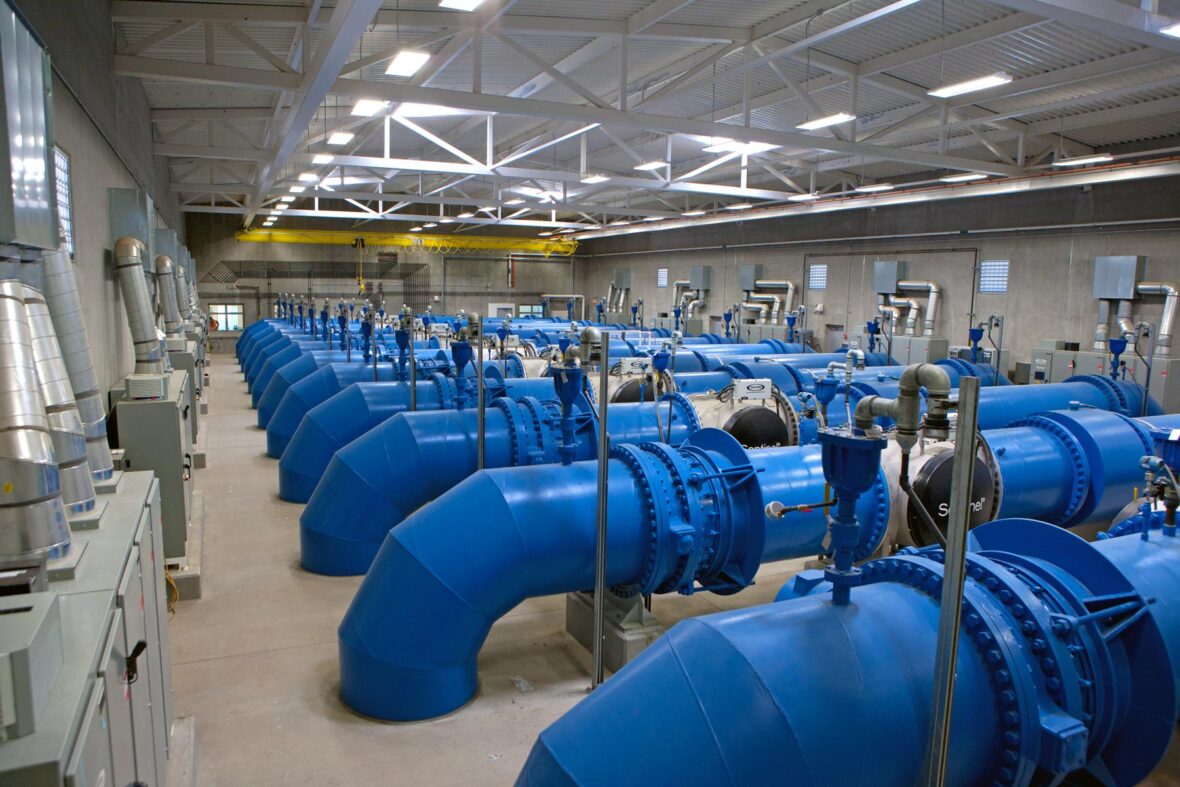
The delivery model is worth noting too. Stantec and the city are proceeding under a construction manager at risk arrangement, bringing the construction manager in during design to advise on constructability, scheduling and cost before ground is broken. For readers who track large scale project feasibility, this structure tends to reduce the kind of cost overruns and schedule slippage that have plagued comparable megaprojects elsewhere. With construction targeted for completion in 2036, this is a decade long commitment, and the delivery model chosen at the outset says a great deal about how seriously the city is managing that risk.
Toronto is making an important investment in protecting its waterways and preparing its infrastructure for the future.
Stantec’s track record with the city, including work on the Basement Flooding Protection Program and multiple phases of the Gardiner Expressway Rehabilitation, gives this project institutional continuity rather than a fresh learning curve. That continuity is an underrated variable in urban infrastructure delivery. Cities that keep the same engineering partners across major systems tend to move faster through design and permitting, because the relationship and the data already exist.
None of this shows up on a housing starts chart today. But infrastructure of this kind is exactly what determines whether Toronto’s waterfront and adjacent neighbourhoods can absorb another generation of density without straining the systems underneath them. For anyone thinking in decade long horizons about where the next wave of Toronto development lands, Ashbridges Bay just became a marker worth remembering.
Source: Smart Water Magazine