Toronto’s Power Crunch Is Rewriting the Rules of Heritage and Land Use
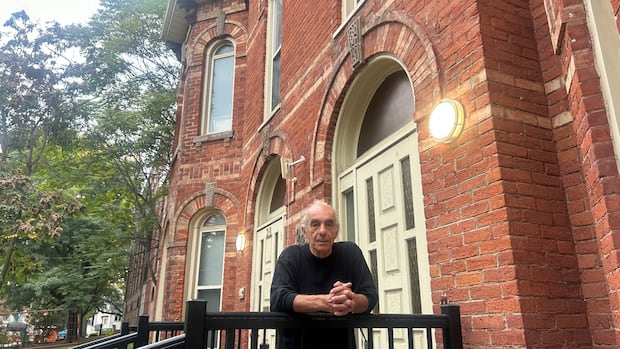
A 145-year-old house on Cecil Street, steps from Kensington Market, is about to become a case study in something bigger than one building. Hydro One now owns the property, and the utility has told the local MPP it cannot keep the existing structure standing as it expands the transformer station next door to meet the city’s growing electricity needs. This is not simply a preservation story. It is a land use story, and it says a great deal about where Toronto is headed.
Every growing city eventually runs into the same wall: the infrastructure built decades ago was never sized for the demand we are now putting on it. Electric vehicles, intensified condo development, and population growth are all drawing on a grid that, in places like this one, is approaching fifty years old. Hydro One’s own language is telling. The station “requires updated equipment and additional capacity to help maintain reliability.” That is not optional upgrading. That is a utility acknowledging its backbone is strained.
What makes this site significant for anyone tracking development strategy is the collision of two provincial timelines that were never designed to intersect. The 2022 More Homes Built Faster Act set a hard deadline, now January 1, 2027, after one extension, by which municipalities must move listed heritage properties to full designation or lose that protection entirely. Toronto has roughly 3,900 listed properties and the capacity to fully designate only around 100 to 120 of them before the deadline. That is not a gap, it is a bottleneck, and Cecil Street shows exactly what falls through it: a building that has sat on the heritage register for fifty years, protected in name but not in practice, now facing removal with no council vote required.
For developers and planners, the lesson is not about one heritage house. It is about how infrastructure priorities now move faster than preservation processes, and how land near aging utility assets can shift in value and purpose almost overnight. A transformer station expansion is not glamorous, but it is exactly the kind of unseen groundwork that determines whether a neighbourhood can actually support the density being approved around it. You cannot stack more condos and more EV chargers onto a grid that was sized for a smaller city. Somewhere, that capacity has to be built, and it often lands on whatever adjacent parcel is available, heritage status or not.
Development is never just about land. It is about timing, access, infrastructure, policy, demand, and the future identity of a community.
There is also a human cost that long term planning has to account for. Roughly twenty tenants in the Cecil Street building now face eviction by the end of November, and local MPP Jessica Bell put the stakes plainly, warning that displaced renters in this market could see rent increases of a thousand dollars or more. Infrastructure strategy that ignores the people sitting on top of it is incomplete strategy. The strongest growth plans account for relocation support and timeline coordination, not just capacity numbers.
Toronto’s community preservation advocates are asking the province for more time to properly evaluate its heritage inventory before the 2027 cutoff. Whether or not that extension comes, the broader pattern will not reverse. As electricity demand climbs and municipalities race against designation deadlines, more sites like this one, quietly useful, historically valued, and inconveniently located, will be drawn into the same tension between what a city was and what it now needs to power.
Source: CBC News