Toronto’s $2.7B Rental Push Shows What Aligned Government Capital Can Actually Build
Every so often a housing announcement lands that is worth reading not for the ribbon cutting, but for the mechanics underneath it. Toronto and the federal government have just committed up to $2.7 billion toward 5,600 purpose-built rental homes across 18 projects, and the structure of that deal tells you more about where large scale housing delivery is headed than the headline number does.
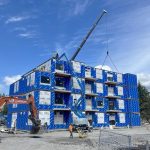
Strip away the politics and what remains is a feasibility story. More than $1.8 billion in low-cost financing through the federal Apartment Construction Loan Program is going to nine privately led projects representing over 3,700 homes. According to the announcement, those projects already had zoning approvals in hand. They were not stuck in planning purgatory. They were stalled on capital. That distinction matters enormously to anyone who tracks development pipelines. Approvals do not build housing. Financing does.
The second stream, $310 million through Build Canada Homes, is directed at nine City-led developments on municipally owned land, expected to deliver 1,885 homes including 739 affordable and supportive units. Pairing publicly owned land with dedicated federal capital is a strategy I have long argued is underused in Canadian cities. Land value is a lever governments already control. When it is paired with financing instead of sold off at market rate, it can be converted directly into non-market housing supply without waiting on private developers to make the numbers work on their own.
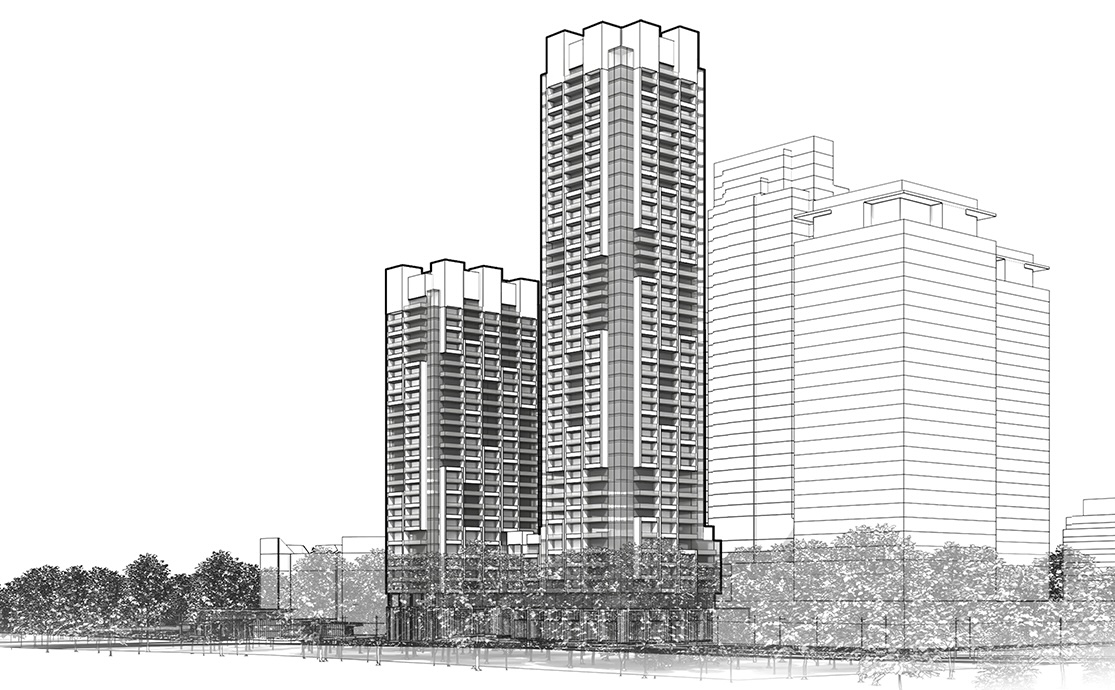
Toronto’s own contribution of $703.7 million, including 99-year exemptions from municipal and education property taxes on City-led sites, is the part development watchers should study closely. Long-duration tax relief changes the underwriting on a project for its entire operating life, not just its construction phase. That is a very different tool than a one-time grant, and it signals a municipality willing to trade near-term revenue for long-term supply and affordability outcomes.
Approvals do not build housing. Financing does.
Of the 5,600 planned homes, more than 4,500 are expected to be under construction by the end of 2026, an aggressive but not unreasonable timeline given the projects were already zoning-ready. The roster includes an Indigenous-led project at 15 Denison Avenue and a mass timber, geothermal development at 1113 to 1125 Dundas Street West, which suggests the City is using this capital push to also advance construction methods it wants to see scale across future sites.
This announcement follows the joint Development Charge Reduction Program between Toronto, Ontario, and Ottawa, which already cut charges by 40 to 60 percent on eligible projects. Taken together, these moves point to a coordinated, multi-year strategy rather than a single press event. For anyone evaluating land positions or project feasibility in Toronto right now, the signal is clear: the cost of capital and the cost of holding land through approvals are both being deliberately reduced by policy, and that changes the math on projects that looked marginal even a year ago.
Source: UrbanToronto, “Toronto and Ottawa Commit Up to $2.7B to Deliver 5,600 Rental Homes”