Beneath the Surface: What a Small Town’s Water Line Overhaul Says About Long-Term Infrastructure Strategy
Most conversations about real estate value start above ground, with square footage, curb appeal, and finishes. But the true foundation of any community, literally and financially, sits beneath the pavement. In Toronto, Ohio, the second phase of a nearly two million dollar waterline replacement project is now underway in the Walton Acre subdivision, and it is a useful case study in what disciplined, phased infrastructure investment actually looks like at the municipal level.
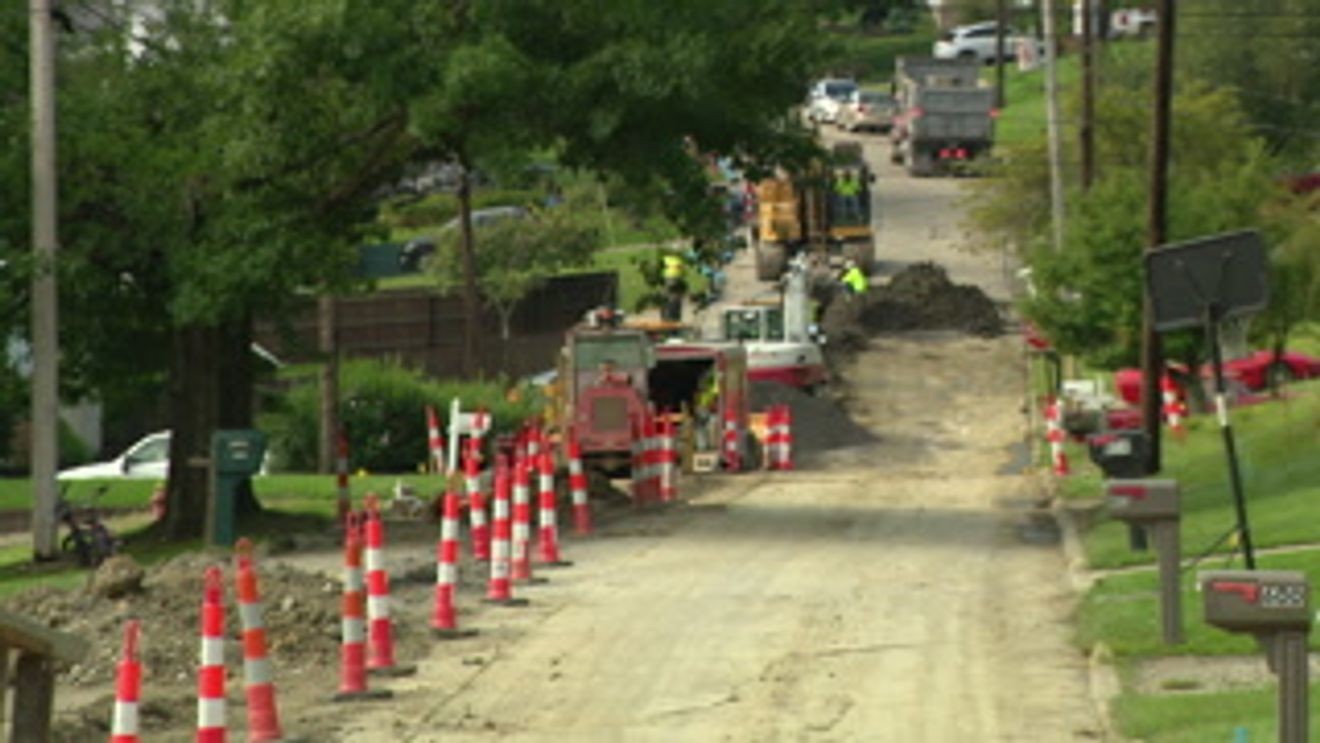
Crews began phase two roughly a week ago, laying approximately a quarter mile of new water line as part of a three phase plan to replace piping that dates back to the early 1970s. Toronto Council President Frank McEwen has been direct about the motivation. The existing lines have caused ongoing problems, and the city is choosing to address the root cause rather than continue patching symptoms. That is a decision every growing community eventually faces: repair reactively, or invest proactively before failure becomes disruption.
What makes this project worth watching from a development lens is not the water line alone. It is the sequencing. Once the underground work is complete, the plan calls for a full rehabilitation of the road surface, tearing out concrete that is more than fifty years old and rebuilding it curb to curb. That is the correct order of operations for any serious capital project. You do not resurface a street and then dig it back up. You solve what is underground first, then rebuild what sits on top of it. It is a small, unglamorous decision, but it is exactly the kind of sequencing discipline that determines whether a multi phase public works project stays on budget or spirals.
We’re slowly trying to get ahead of anything that could be a major issue within the city.
McEwen’s framing, that the city is trying to get ahead of major issues before they become emergencies, is the same logic that underpins good land development strategy anywhere. Aging pipe infrastructure is one of the least visible risks to housing stability in older neighborhoods, and it rarely gets attention until it fails outright, at which point the cost and disruption are far higher. A quarter mile at a time, phased over three stages, with road rehabilitation following rather than preceding the underground work, is how municipalities protect the long term livability and value of established residential areas without overwhelming a single budget cycle.
Phase two is expected to wrap in roughly three months. For developers, planners, and anyone tracking how smaller municipalities manage aging housing stock, projects like this are a reminder that the infrastructure conversation is not confined to major metros. Every subdivision, regardless of size, eventually reaches the point where the pipes and streets installed decades ago need to be rebuilt from the ground up. Toronto, Ohio is simply doing it in the open, phase by phase.
Source: WTOV9