

What a Bidding War on Haddington Avenue Tells Us About Toronto’s Tight Inventory
A stale listing does not always mean a weak asset. It sometimes just means the wrong price, the wrong photos, or the wrong moment. That is the lesson buried in a recent Bedford Park sale that deserves more attention from investors than a single line in a real estate column.
The four bedroom house at 144 Haddington Avenue in Toronto sat on the market for roughly three months last fall without finding a buyer, first listed near $3.5 million and then trimmed to just under $3.38 million under a previous agent. Nothing about the property changed in any material way over the following months. What changed was the strategy. A new agent relisted this summer with refreshed photography and a sharper asking price of $3,295,000. Within eleven days, two offers were on the table, and the home sold for $3.24 million.
For readers thinking about real estate as an asset class rather than a place to live, the gap between those two outcomes is the entire story. Agent Robert Greenberg attributed the turnaround to correct pricing meeting a genuine lack of inventory, not to any renovation or market shift. That is a signal worth sitting with. When supply is thin, well positioned properties do not need to be perfect. They need to be priced to move and presented properly, and demand does the rest.
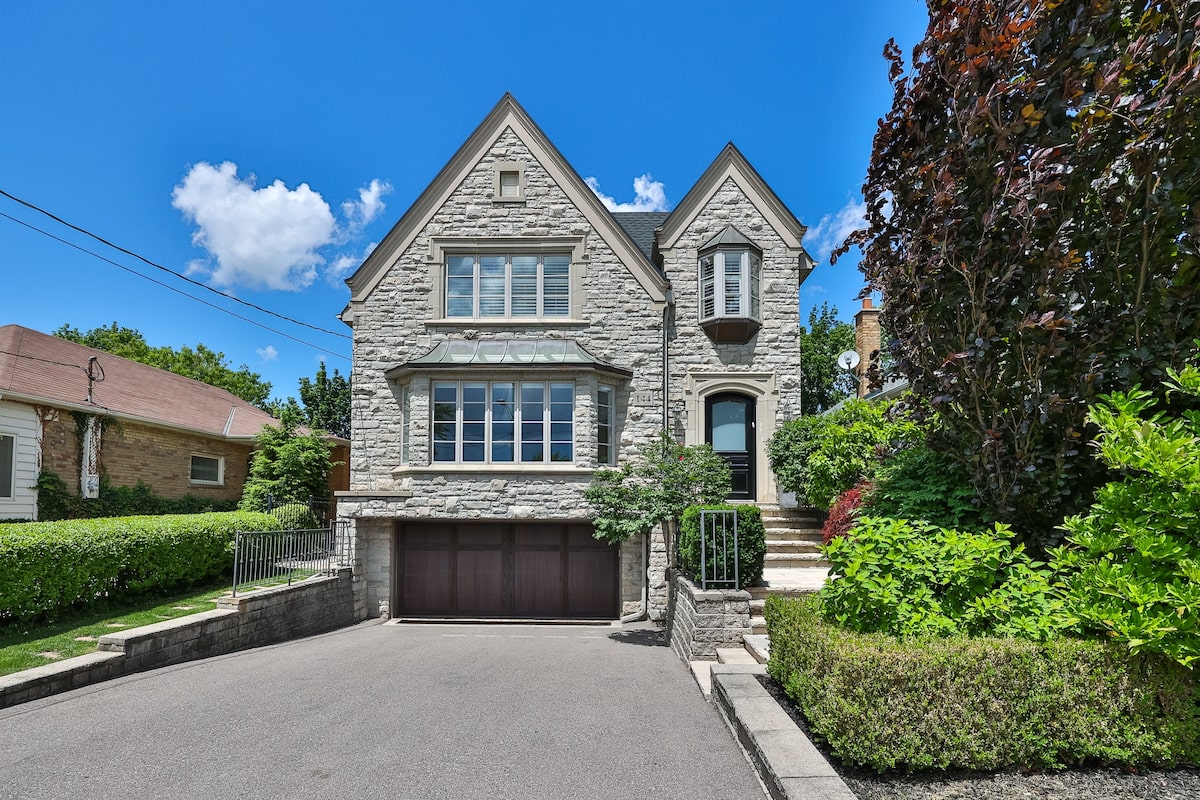
There is a second angle here that investors often get wrong. The seller was concerned that a home under construction next door would scare off buyers, a fair worry given how disruptive an active build site can be to daily life and to curb appeal during a sale. Yet the eventual price, while below the original ask, still reflected a meaningful gain over the $1,617,640 paid for the property in 2013. Construction next door did not sink the deal.
Some people are opposed to being next to a construction site, but in the long run, it adds value to the street when you have all new homes.
That is a useful reframe for anyone evaluating a purchase near active development. Short term disruption and long term value are not the same variable, and buyers who can look past scaffolding and site fencing are often the ones positioned to capture appreciation as a street upgrades home by home. Location fundamentals mattered here too, with proximity to Avenue Road, transit, and highway access cited repeatedly as drivers of buyer traffic.
The broader takeaway for this market is straightforward. Pricing discipline and presentation can unlock demand even in a home that already failed once, and a lack of competing inventory remains one of the most reliable forces pushing multiple offers back into play. Investors watching for entry points should treat construction activity on a street as a variable to underwrite, not automatically a discount to demand.
Source: The Globe and Mail