



Essential Fall Home Safety Check: A Complete Maintenance Checklist for a Safer, Cozier Season
There is something deeply comforting about fall at home. The air turns crisp, evenings arrive earlier, and rooms begin to glow with lamps, candles, blankets, and the promise of warm meals shared indoors. It is also the season when our homes start working harder for us. Heating systems come back to life, fireplaces are used again, windows stay closed longer, and families spend more time inside. That shift makes autumn one of the most important times of year to pause and do a thoughtful home safety check.
Table Of Content
- Why Fall Is the Right Time for a Home Safety Check
- Your Fall Home Safety Checklist at a Glance
- Start With Smoke Alarms
- Smoke Alarm Best Practices for Fall
- Check Carbon Monoxide Alarms Before Heating Season Begins
- Have Your Heating System Professionally Inspected
- Simple Signs Your Heating System Needs Attention
- Do Not Skip the Filter Change
- Inspect Fireplaces, Wood Stoves, and Chimneys
- Review Space Heater Safety Before You Plug One In
- Create Cleaner Indoor Air for the Months Ahead
- Consider Radon Testing as Part of a Healthier Fall Home
- Refresh Your Family Emergency Plan
- What to Include in a Simple Fall Emergency Readiness Check
- Pay Attention to Entryways, Lighting, and Outdoor Hazards
- Common Fall Safety Mistakes to Avoid
- How to Turn Safety Checks Into a Fall Home Ritual
- A Room by Room Fall Safety Mindset
- Bedrooms and Hallways
- Living Room and Family Spaces
- Kitchen and Utility Areas
- Basement and Lower Levels
- Final Thoughts: Safety Is Part of What Makes a Home Feel Warm
A good fall safety routine is not just about avoiding problems. It is about creating the kind of home that feels calm, protected, and ready to welcome the season. When smoke alarms are working, carbon monoxide alarms are properly placed, filters are clean, and heating equipment has been inspected, your home tends to feel better in every sense. It is safer, more comfortable, easier to breathe in, and far less likely to surprise you with an expensive or stressful cold weather issue.
This matters more than many people realize. According to the National Fire Protection Association, heating equipment caused about 13 percent of home structure fires, 18 percent of home fire deaths, and 12 percent of home fire injuries in the United States during 2016 through 2020. Within that category, space heaters accounted for a large share of the harm. Those numbers are a strong reminder that the systems we rely on for warmth deserve attention before the season is fully underway.
In this guide, we will walk through a complete fall maintenance checklist for home safety. You will find practical steps for alarm testing, heating inspections, fireplace and chimney care, indoor air quality, moisture control, emergency planning, and a few often overlooked details that support a home that feels genuinely ready for the cooler months ahead.
Why Fall Is the Right Time for a Home Safety Check
Seasonal care works best when it lines up with how a home is actually used. In summer, windows may be open, outdoor spaces get most of the attention, and heating systems stay quiet. In fall, all of that changes. Furnaces begin running again, space heaters come out of storage, fireplaces become appealing, and homes become more sealed as outdoor temperatures drop. That combination can increase the risk of fire, carbon monoxide exposure, stale air, and unnoticed equipment issues.
Fall is also the ideal time because it gives you a chance to prepare before winter weather makes repairs more difficult or more urgent. A furnace tune-up in October feels manageable. A furnace issue discovered during the first freezing night of the year feels stressful. The same is true of a chimney blocked with debris, a smoke alarm with a dead battery, or a carbon monoxide alarm installed in the wrong place.
There is a lifestyle benefit here too. A home that has been thoughtfully checked and refreshed feels different. The air feels cleaner, rooms warm up more evenly, and your family can settle into the season with more ease. Safety and atmosphere are not separate ideas. In a well-loved home, they support each other beautifully.
Your Fall Home Safety Checklist at a Glance
If you like to begin with a clear overview, use this checklist as your seasonal starting point. Then move through the deeper sections below for details and context.
- Test all smoke alarms and confirm placement on every level and near sleeping areas.
- Check carbon monoxide alarms and make sure they are installed in hallways outside sleeping areas.
- Replace alarms that are more than 10 years old, following manufacturer guidance.
- Schedule a professional inspection for your furnace, boiler, or other central heating system.
- Change HVAC or furnace filters and check replacement frequency for the season.
- Inspect fireplaces, wood stoves, chimneys, and flues before use.
- Review safe space heater placement and usage rules.
- Refresh indoor air quality by checking ventilation, filters, and moisture-prone areas.
- Update your family fire escape plan and practice it.
- Review your emergency kit, flashlights, batteries, and key contact information.
- Look for seasonal exterior hazards like blocked vents, slippery entryways, and poor outdoor lighting.
- Consider long-term radon testing, especially as the home becomes more closed up for the season.
Start With Smoke Alarms
Smoke alarms are one of the simplest and most important features in a safe home, yet they are easy to overlook when life gets busy. Health Canada recommends installing smoke alarms on every level of the home and near sleeping areas, testing them monthly, cleaning them according to manufacturer instructions, and replacing them when they are more than 10 years old. That guidance is practical, clear, and very worth following at the start of fall.
Testing matters because a smoke alarm that looks fine may not actually be functioning properly. Dust can collect. Batteries can weaken. Devices can age out quietly. A quick test takes moments, but it gives you confidence that your home is ready if an emergency happens in the middle of the night or during a busy family gathering.
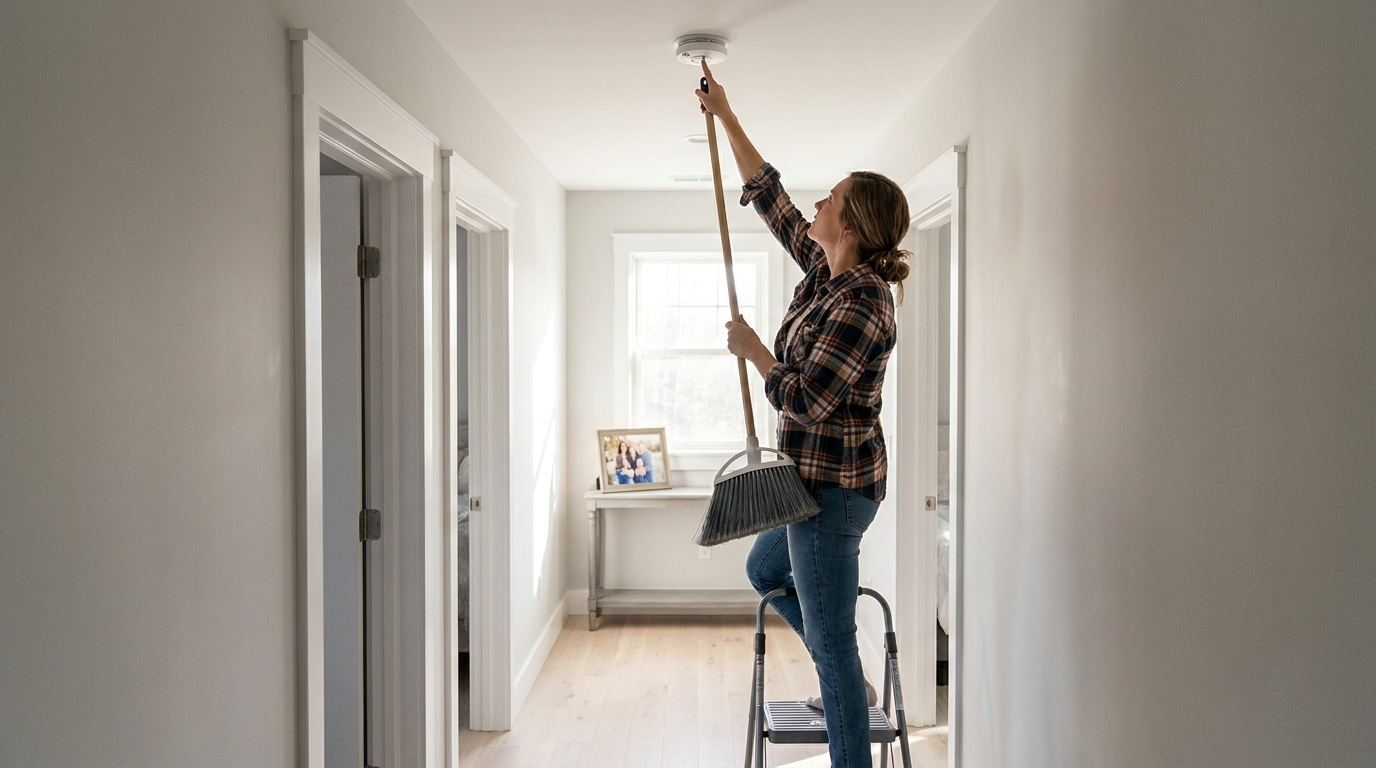
Walk through your home level by level and test each unit. If you have a larger home, write down the date on your seasonal checklist so you know exactly when you completed it. If any alarms chirp, fail to sound, or have no clear age label, replace them promptly. If you are shopping for new alarms in Canada, choose products with recognized certification marks such as CSA or ULC so you know they are certified for use.
Interconnected alarms are also becoming a bigger priority for homeowners, and for good reason. When one alarm sounds, all alarms sound. That can be especially helpful in larger homes, homes with closed bedroom doors at night, and households with children or older adults. Battery backup and sealed long-life battery models are increasingly popular as well because they reduce the chance that an alarm is left nonfunctional after a battery issue.
Important reminder: A smoke alarm and a carbon monoxide alarm are not interchangeable. A smoke alarm does not detect carbon monoxide.
Smoke Alarm Best Practices for Fall
- Test every smoke alarm at the beginning of the season and continue testing monthly.
- Confirm alarms are installed on each level of the home and near sleeping areas.
- Gently clean alarms according to manufacturer instructions to reduce dust buildup.
- Replace any alarm that is over 10 years old or not working properly.
- If possible, upgrade to interconnected models for better whole-home awareness.
Check Carbon Monoxide Alarms Before Heating Season Begins
Carbon monoxide is one of the most serious cold weather household risks because it cannot be seen, smelled, or tasted. That makes it especially important to think about before furnaces, fireplaces, gas appliances, and other fuel-burning systems return to daily use. Health Canada advises that the most important place for a carbon monoxide alarm is in hallways outside sleeping areas. That placement matters because it helps protect people while they are sleeping, when exposure may otherwise go unnoticed.
A common misconception is that one carbon monoxide alarm in the basement is enough. It is not the best approach if sleeping areas are on another level or at the opposite end of the home. Likewise, installing one inside a bedroom is not the main priority. Start with the hallway outside sleeping areas, then follow manufacturer recommendations and local code requirements for additional units if needed.
Fall is the ideal time to test every carbon monoxide alarm, review installation dates, and replace any unit that has reached the end of its service life. If you have had renovations, moved furniture, or changed room use since last year, make sure alarms are still in sensible, accessible locations. If you are in Canada, choose alarms certified for use in Canada.
This is also the moment to notice the everyday things that can interfere with safety. Are air supply vents blocked by storage boxes in the basement? Has a vent termination outside become hidden by leaves or yard debris? Could snow accumulation later in the season affect a furnace or dryer vent area? Catching these details early helps your household move into colder months with more confidence.
Have Your Heating System Professionally Inspected
Your heating system is the heart of fall and winter comfort, but it should never be treated as a switch you simply turn back on and forget. The U.S. Environmental Protection Agency recommends annual inspection of central heating systems, flues, and chimneys, especially for fuel-burning systems. This is one of those routine appointments that protects both comfort and safety at the same time.
An annual inspection can help identify worn parts, blocked vents, ignition problems, improper combustion, or leaks that could affect performance and air quality. It can also improve efficiency, which may help your system run more evenly and potentially lower strain during the months when you need it most. For many households, this is the difference between a cozy home and one with uneven temperatures, stale air, and a nervous feeling every time the furnace starts.
If you use a gas furnace, oil heating system, boiler, or another fuel-burning appliance, a fall checkup is especially valuable because combustion issues can create carbon monoxide risks. If your home has central heat but also relies on supplemental heating in certain rooms, that is another reason to have the main system looked at before the season settles in fully.
Even if your system seems to be working, do not assume that silence means everything is perfect. A neglected system may still turn on and heat the house, but it could be doing so less safely, less efficiently, or with dirtier airflow than it should. Fall maintenance is about catching hidden issues while there is still time to handle them without pressure.
Simple Signs Your Heating System Needs Attention
- Uneven room temperatures or cold spots in the house.
- Strange smells when the heat turns on that do not fade quickly.
- Unusual rattling, banging, or whistling sounds.
- An unexplained increase in dust or stuffiness indoors.
- Higher energy bills without a clear reason.
- Frequent cycling on and off.
Do Not Skip the Filter Change
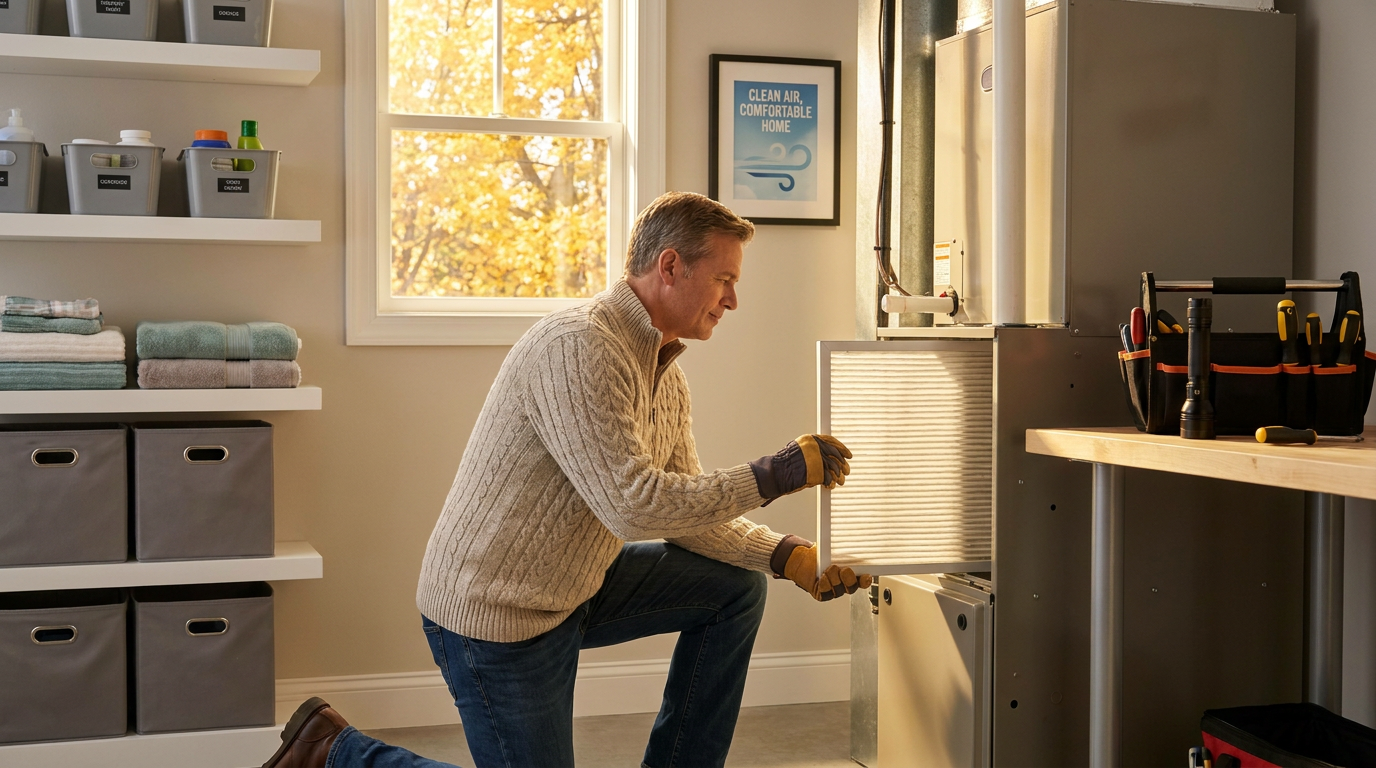
Changing your furnace or HVAC filter may be one of the easiest tasks on this checklist, but it has an outsized impact on how a home feels in the fall. The EPA notes that replacing or upgrading HVAC filters can improve indoor air quality. It also advises changing filters according to manufacturer directions, and if those directions are unavailable, changing filters about every month or two during use.
When a filter is clogged, the system may have to work harder to move air through the home. That can affect comfort, airflow, efficiency, and the overall freshness of indoor spaces. For households with pets, allergies, or increased concern about wildfire smoke and airborne particles, this step matters even more. Clean filtration supports cleaner breathing and can make the home feel less heavy as windows remain closed more often.
Make this task part of your seasonal rhythm rather than a one-time chore. Some homeowners change the filter when they set out fall linens or rotate wardrobes. Others schedule it for the first weekend after daytime temperatures dip. However you remember it, treat it as part of the emotional reset of the season. A cleaner filter helps a home feel renewed from the inside out.
Inspect Fireplaces, Wood Stoves, and Chimneys
Few features say fall comfort like a fireplace, but they also deserve respect. Natural Resources Canada recommends annual inspection of solid fuel-burning equipment such as wood stoves or fireplaces and advises cleaning the chimney as often as necessary. The EPA similarly recommends annual inspection of chimneys and flues before heating season. This is not just maintenance for appearances. It is a key safety step.
Blocked or damaged chimneys and flues can prevent proper venting and may allow dangerous combustion gases, including carbon monoxide, to enter the home. Creosote buildup can increase fire risk. Animal nests, leaves, and moisture damage can also interfere with safe operation. If your fireplace has not been used since last winter, assume it needs a fresh check before the first fire of the season.
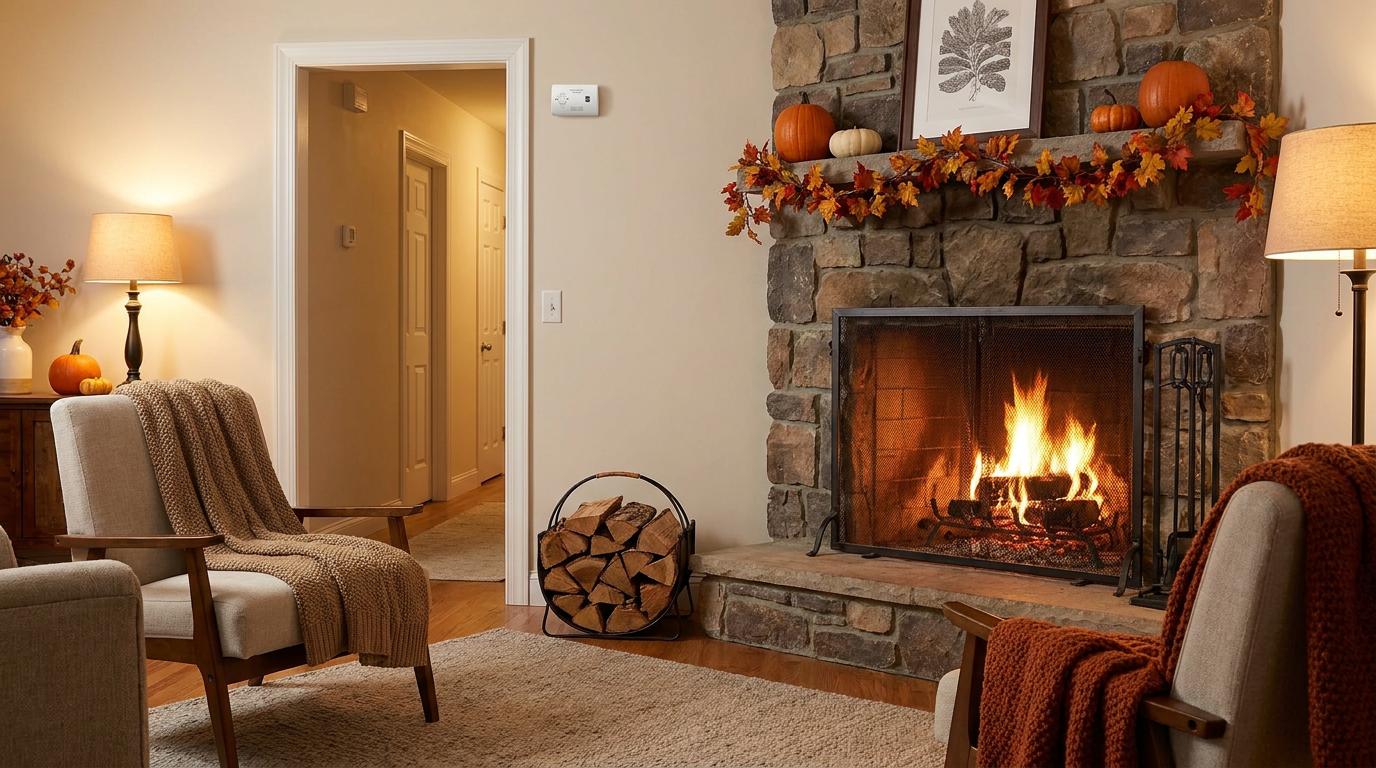
Once the inspection is complete, take a moment to look at the room itself. Keep rugs, baskets, throws, and decor at a safe distance from the hearth. Use a sturdy fireplace screen if needed, especially in family homes with children or pets. Store wood neatly and away from direct spark risk. Comfort looks best when it is paired with clear boundaries and a little thoughtful space around the flame.
If you use a wood stove or fireplace regularly, remember that wood smoke can affect indoor and outdoor air quality. Good maintenance, proper venting, and using the appliance as directed all help reduce unnecessary exposure. A beautiful fire should add warmth to the season, not strain the air your household is breathing.
Review Space Heater Safety Before You Plug One In
Space heaters are useful for chilly bedrooms, home offices, and those in-between weeks before central heating becomes consistent. They are also one of the most important items to use carefully. Current safety guidance from the U.S. Consumer Product Safety Commission stresses keeping space heaters at least three feet away from combustible materials and unplugging them properly when not in use.
This means no placing a heater beside curtains, bedding, upholstered furniture, or a pile of laundry waiting to be folded. It also means avoiding the temptation to leave one running unattended in a child’s room, guest room, or basement. In daily life, the risks often come from ordinary habits that feel harmless in the moment. A heater tucked too close to a chair, a cord stretched across a walkway, or a model pulled out from storage without a quick inspection can all compromise safety.
If you plan to use a space heater this fall, read the manufacturer’s instructions again, even if the unit is familiar. Make sure it sits on a stable, flat surface. Keep the area around it clear. Plug it directly into a wall outlet if the manufacturer advises that, and avoid relying on damaged cords or overloaded power strips. If the heater looks worn or behaves oddly, replace it rather than trying to get one more season from it.
Rule to remember: Keep space heaters at least three feet away from anything that can burn, including blankets, bedding, curtains, paper, and furniture.
Create Cleaner Indoor Air for the Months Ahead
As autumn deepens, many households become more sealed from the outside. That can make the home feel intimate and restful, but it also means indoor air quality becomes more important. The EPA explains that indoor air quality is affected by pollutant sources, ventilation, and filtration. In practical terms, that means your home will feel healthier if you reduce indoor pollutants, support airflow where possible, and maintain the systems that clean and move air.
Start with the basics. Change filters, schedule heating maintenance, and make sure bathroom and kitchen fans are working well. If your windows have been closed for days and the house feels stale, briefly airing out rooms during mild weather can help refresh the environment. This can be especially useful after painting projects, heavy cooking, or the first days of turning on dusty heating systems.
Fall is also a good time to think about humidity and moisture. Condensation on windows, a persistent basement smell, or mildew in corners may suggest the home needs better moisture control. If left unaddressed, excess dampness can affect both comfort and indoor health. A warm home should not feel stuffy, sour, or overly damp.
For households in areas affected by wildfire smoke, this topic has become even more relevant. Better filtration and a well-maintained HVAC system can support cleaner indoor air when outdoor conditions are poor. The seasonal shift is a natural reminder that the air inside your home is part of your daily wellness, just as much as the furniture, lighting, and decor.
Consider Radon Testing as Part of a Healthier Fall Home
Not every seasonal checklist mentions radon, but it is a meaningful home health topic, especially in Canada and other areas where awareness is growing. Health Canada recommends long-term radon testing for a minimum of three months. Because people spend more time indoors during cooler weather and homes remain more closed up, fall and winter are practical times to begin testing.
Radon is not something you can sense through smell or appearance, which is part of what makes it easy to ignore. Yet for many homeowners, a simple test can provide valuable peace of mind. If you have never tested, or if you have renovated lower levels of the home, converted a basement into living space, or purchased an older property, this is a worthwhile addition to your broader home wellness plan.
Thinking about radon may not feel as charming as choosing fall candles or layering blankets on the bed, but that is exactly why it belongs in this conversation. A lovely home should also be a healthy one. The best kind of seasonal nesting includes both beauty and invisible care.
Refresh Your Family Emergency Plan
One of the warmest things you can do for your household is make sure everyone knows what to do in an emergency. Fire prevention guidance in Canada recommends knowing two ways out of every room and practicing a home fire escape plan at least twice a year. Fall is an excellent moment to do that reset, especially before the busier winter holiday season begins.
Walk through the house with your family and identify exit options from bedrooms, the main living spaces, and lower levels. Make sure windows open properly if they are intended as part of an escape route. Confirm that everyone knows where to meet outside. If children are part of the household, keep the explanation calm and simple. The goal is confidence, not fear.
Emergency planning can also include a few small practical checks that make a real difference. Confirm flashlights work and are easy to find. Replace weak batteries. Review emergency numbers and make sure older children know how to call for help. If your household has pets, include them in your plan so carriers, leashes, or supplies are easy to access.
This kind of planning often brings a quiet sense of relief. Once it is done, you can move into the season knowing your home is not only beautiful and comfortable, but also prepared. That feeling supports a deeper kind of hospitality because people relax more fully in spaces that feel cared for.
What to Include in a Simple Fall Emergency Readiness Check
- A home fire escape plan with two exits from each room where possible.
- An outdoor family meeting spot.
- Working flashlights and fresh batteries.
- A small emergency kit with essentials and important contact details.
- A plan for children, older adults, guests, and pets.
- A reminder to practice the plan twice a year.
Pay Attention to Entryways, Lighting, and Outdoor Hazards
Not all fall safety concerns are inside the home. As days get shorter and weather grows wetter, entryways and outdoor paths deserve attention too. Wet leaves can become slippery surprisingly fast, especially on stone steps, wood decks, and smooth walkways. Dim lighting around doors and pathways can make those areas less safe for family members and guests arriving in the evening.
Take time to clear leaves, trim back overgrown branches, and confirm that outdoor lights are working well. If your front porch or side entrance is often used after dark, replace weak bulbs and consider motion-sensor lighting for extra visibility. Check railings for sturdiness and make sure doormats sit flat rather than curling at the corners.
Exterior vent areas should also stay on your radar. Fuel-burning systems and dryers may vent outdoors, and these openings should remain unobstructed. In fall, leaves and debris can collect there. Later in the season, snow can become an issue. A quick visual check now can prevent ventilation problems when the weather turns harsher.
These updates may seem modest, but they shape how a home feels to arrive at. A clear, well-lit path and a tidy, secure entrance immediately signal care. Safety often begins with the first few steps toward the door.
Common Fall Safety Mistakes to Avoid
Sometimes the best way to improve a home routine is to notice the assumptions that quietly slip in. Many seasonal hazards are linked not to a total lack of care, but to partial care. We test one alarm but forget the rest. We vacuum around the fireplace but skip the chimney inspection. We pull out a space heater because it worked last year and assume that is enough.
- Assuming smoke alarms and carbon monoxide alarms do the same job.
- Relying on a chirp or occasional beep as proof the whole alarm system is fine.
- Placing a carbon monoxide alarm only in the basement instead of outside sleeping areas.
- Using duct cleaning as a substitute for routine HVAC maintenance and filter changes.
- Positioning a space heater too close to curtains, bedding, or upholstered furniture.
- Using a fireplace before the chimney and flue have been checked for the season.
- Forgetting to review escape routes after furniture changes or renovations.
When you understand these common missteps, it becomes easier to build better habits. The goal is not perfection. It is consistency. A calm seasonal review each fall can prevent many of the issues that otherwise show up at the worst possible time.
How to Turn Safety Checks Into a Fall Home Ritual
One reason seasonal maintenance gets delayed is that it can feel like a separate, technical task outside the rhythms of normal life. In reality, it works beautifully when folded into the rituals that already define the season. Pair the alarm checks with changing over closet storage. Schedule the furnace inspection around the first weekend you decorate for fall. Replace filters the same day you wash throw blankets and air out guest rooms.
When safety tasks become part of how you welcome the season, they feel less like chores and more like preparation for a better stretch of living. You are not just maintaining systems. You are setting the tone for the months ahead. You are making sure your home can support soup simmering on the stove, grandparents visiting for dinner, children padding down the hallway in socks, and everyone sleeping more soundly on cold nights.
If you live with a partner or family, divide the checklist by area or type of task. One person can test alarms while another checks flashlights, updates the emergency kit, or clears the porch lighting. Shared care deepens the feeling that the home is a living space everyone contributes to, not just a structure that needs occasional repairs.
A Room by Room Fall Safety Mindset
Bedrooms and Hallways
These spaces are where alarm placement matters most. Confirm smoke alarms are near sleeping areas, and place carbon monoxide alarms in hallways outside bedrooms. Make sure paths to exits are clear and night lighting feels adequate without creating clutter. Bedrooms should feel restful, but they should also be easy to leave quickly if needed.
Living Room and Family Spaces
If these rooms include a fireplace, candles, or portable heating, keep a close eye on spacing and surfaces. Avoid crowding soft furnishings too close to heat sources. This is also a great place to think about comfort and air quality together. Clean filters, balanced heat, and thoughtful furniture placement can make the room feel cozier without introducing hidden risk.
Kitchen and Utility Areas
The kitchen often becomes busier in fall with more baking, roasting, and long-simmering meals. Keep it orderly, ventilated, and free of unnecessary buildup around cooking surfaces. In utility rooms, change the furnace filter, keep vents clear, and make sure stored items are not packed tightly around equipment that needs airflow or service access.
Basement and Lower Levels
Basements deserve extra attention because they often contain heating equipment, storage, and moisture-prone areas all in one place. Check for stale odors, blocked vents, and clutter around mechanical systems. If your family spends time there, or if a basement bedroom exists, make sure alarms and escape planning are just as strong as they are upstairs. This is also a sensible zone to think about radon testing if you have not done it before.
Final Thoughts: Safety Is Part of What Makes a Home Feel Warm
There is a reason the most inviting homes tend to feel calm the moment you enter them. It is not only the lighting, the scent of something baking, or the softness of the textiles. It is also the invisible layer of care underneath it all. The heat is working properly. The air feels fresh. The alarms are ready. The fireplace has been checked. The family knows what to do if something goes wrong.
That is the real spirit of a fall home safety check. It is not fear-driven maintenance. It is a generous kind of preparation. It protects your home, your time, your comfort, and the people you love most. And once these steps are done, you can settle into the season with more ease, knowing the atmosphere you created is supported by thoughtful, practical care.
If you do nothing else this week, start with the essentials. Test the smoke alarms. Check the carbon monoxide alarms. Change the filter. Book the heating inspection. Those simple actions can shape the entire season ahead. Then let the rest follow, one room, one routine, and one reassuring detail at a time.



No Comment! Be the first one.