

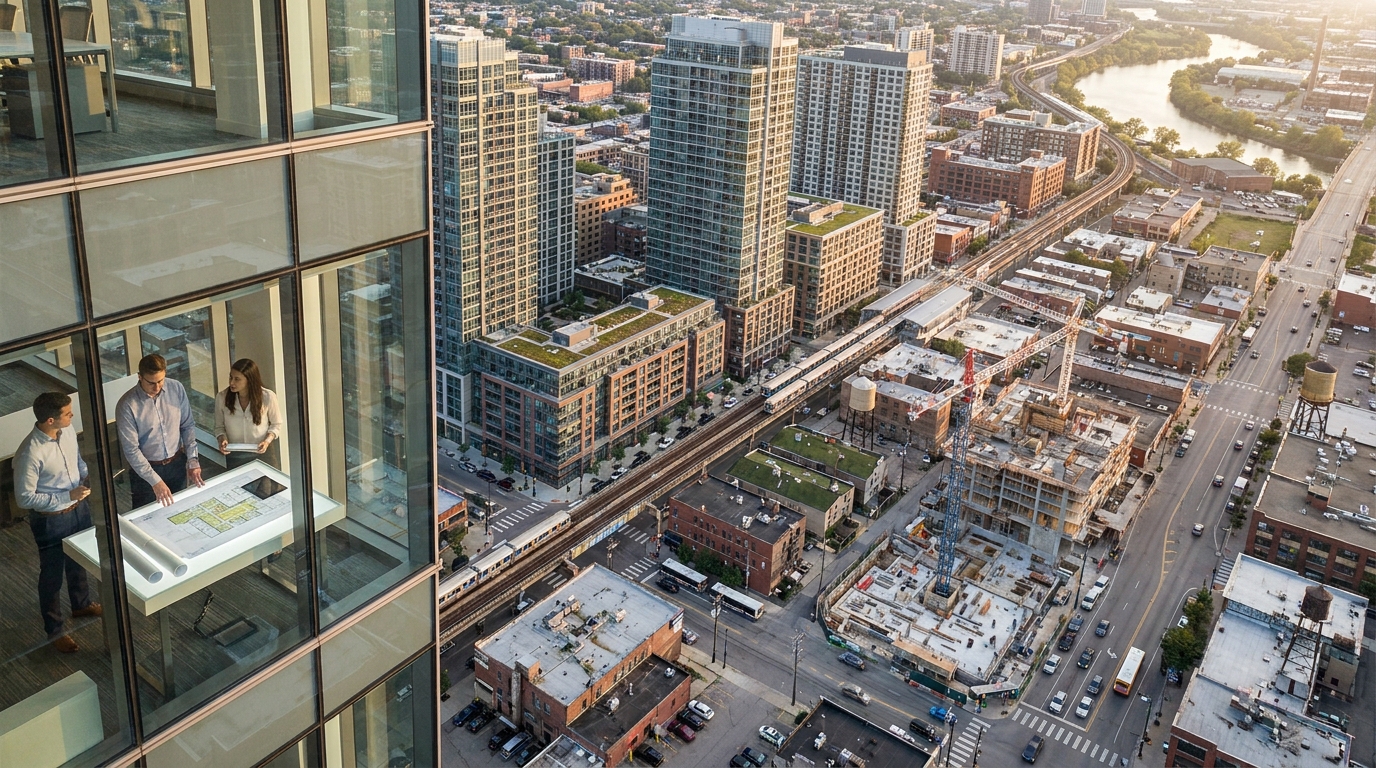

For many homeowners, sustainable building materials can feel like a choice between ideals and practicality. You want a home that looks beautiful, performs well, and makes sense over the long term, but you also want to avoid materials that only sound good in theory. Bamboo is increasingly part of that conversation because it offers a rare combination of fast renewability, strong design appeal, and promising performance in a growing range of residential products. In the right applications, it can be a thoughtful addition to a modern home rather than a niche experiment.
Table Of Content
- Why Bamboo Is Part of the Sustainable Building Conversation
- Understanding the Difference Between Raw Bamboo and Engineered Bamboo
- What Makes Bamboo Attractive for Modern Home Design
- Where Bamboo Works Best in North American Homes Today
- The Practical Performance Question: Is Bamboo Actually Strong and Durable?
- Moisture Management Matters More Than Marketing
- Treatment and Preservation Are Part of the Story
- Fire Safety and Code Compliance: The Part Homeowners Cannot Skip
- How Bamboo Fits Into Canadian Homes and Climates
- How to Evaluate Bamboo Products Before You Buy
- Common Myths About Bamboo in Construction
- Myth 1: Bamboo is a tree
- Myth 2: Bamboo is automatically eco friendly
- Myth 3: All bamboo products are equally strong
- Myth 4: Bamboo does not need treatment or detailing
- Myth 5: Bamboo is naturally fireproof
- The Role of Research and Standards in Bamboo’s Future
- Best Home Upgrade Ideas for Bamboo
- Bamboo Compared With Wood, Composite, and Other Modern Materials
- Final Thoughts: Is Bamboo the Right Choice for Your Home?
Bamboo in construction is not one material but a category of products made from a fast-growing grass, ranging from raw bamboo culms to engineered options like laminated lumber, scrimber, and finished panels. It is considered a sustainable building material because it grows and regenerates faster than most timber, stores carbon, and can replace more carbon-intensive materials when sourced responsibly. In modern homes, bamboo performs best in specific, well-documented applications such as flooring, wall and ceiling panels, cabinetry, cladding, and decking, rather than as an unrestricted substitute for structural framing. Its durability, fire safety, and moisture resistance depend on the specific product, manufacturing quality, and installation detailing rather than on bamboo as a general material category. For homeowners, the practical takeaway is that bamboo can be a smart, attractive, and low-impact choice when the product is tested, certified, and installed correctly for its intended use.
That said, bamboo deserves a balanced discussion. It is often praised as a miracle material, yet the reality is more nuanced and much more useful. Bamboo is not one single construction product, and it does not automatically outperform conventional materials in every setting. Its success depends on what form it takes, how it is manufactured, whether it has been tested and certified, and how carefully it is installed and protected from moisture, weather, and fire risk.
For homeowners in Canada and North America, this practical lens matters. The strongest current use cases for bamboo are not unrestricted replacements for all structural framing, but rather well-defined applications such as flooring, wall panels, ceilings, cabinetry, cladding, decking, and selected engineered systems where documentation and code compliance are available. When you understand those distinctions, bamboo becomes easier to evaluate as part of a smart renovation or new build strategy.
This article explores how bamboo works in construction, why it is considered sustainable, where it makes the most sense in modern homes, and what questions you should ask before choosing it. The goal is not to oversell it. The goal is to help you see where bamboo genuinely shines and where a careful, performance-based approach is essential.
The most important thing to know about bamboo is simple: it is not a magical material. It is a promising one. Its sustainability story is strongest when good design, verified product performance, and proper installation come together.
Why Bamboo Is Part of the Sustainable Building Conversation
Bamboo stands out in environmental discussions because it is a grass, not a tree, and many species grow remarkably quickly. That growth cycle is one reason it is often highlighted as a rapidly renewable resource. Compared with conventional timber, bamboo can be harvested on shorter timelines, and it is frequently discussed as a way to reduce pressure on slower-growing forest resources. The Food and Agriculture Organization has also noted bamboo’s role in carbon storage and carbon absorption, which helps explain its visibility in low-carbon design conversations.
For homeowners, the appeal is not just that bamboo grows fast. It is that the material can fit into a larger set of responsible building choices. If a product stores carbon, comes from responsibly managed supply chains, and replaces a more carbon-intensive alternative in the right application, it may contribute to a lower embodied carbon profile for a renovation or home upgrade. This does not mean every bamboo product is automatically low impact, since manufacturing, transport, adhesives, and treatments all matter. Still, bamboo can be a meaningful part of a more climate-conscious material palette.
The sustainability case becomes even stronger when bamboo is used where it can last. Durable materials generally have a better long-term story than products that need early replacement. A bamboo floor that remains stable and attractive for many years is usually a better choice than a lower-quality alternative that needs to be torn out and replaced. In sustainable construction, longevity is often just as important as renewability.
Another reason bamboo is gaining attention is its fit with a broader movement toward bio-based materials. In North America, mass timber has already helped normalize the idea that building materials can come from renewable biological sources while still meeting modern expectations for performance and safety. Bamboo is not following the exact same path, but it benefits from this changing mindset. Builders, designers, and homeowners are increasingly open to materials that combine lower carbon potential with contemporary design quality.
Understanding the Difference Between Raw Bamboo and Engineered Bamboo
One of the biggest misconceptions about bamboo in construction is the idea that all bamboo products perform in the same way. In reality, bamboo is a category, not a single material. Traditional round bamboo culms, which are the hollow stems people often picture first, behave very differently from engineered bamboo products such as laminated bamboo lumber, bamboo scrimber, composite boards, and finished surface panels. If you are planning a home project, this distinction is essential.
Round bamboo has a long history in vernacular construction around the world, and it can be remarkably efficient in the right structural systems. However, its geometry, variability, and connection detailing make it a specialized material in code-regulated North American residential construction. Builders and officials often need standardized data, tested assemblies, and repeatable quality control before a material becomes easy to approve. That is one reason round bamboo remains less common in mainstream home building here.
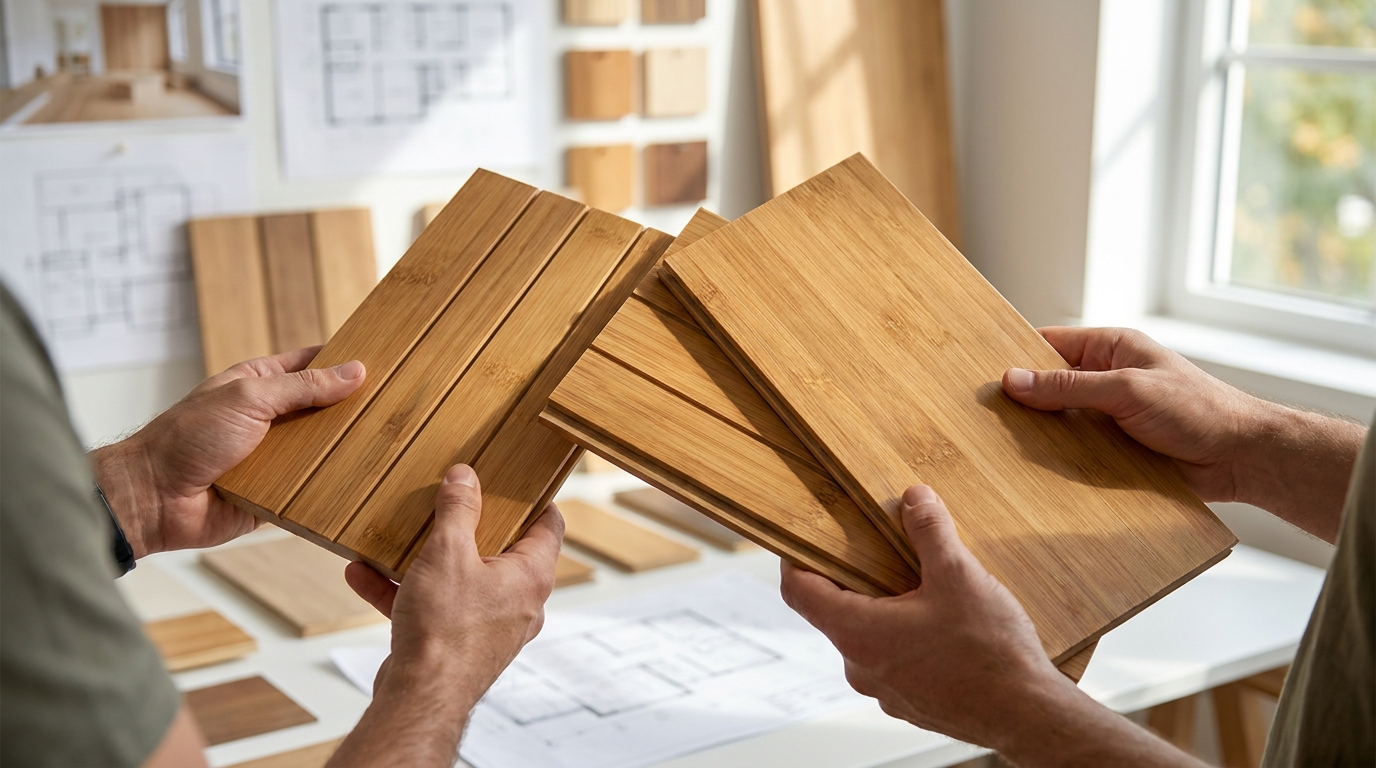
Engineered bamboo is usually the more practical entry point for modern homes. These products are manufactured by processing bamboo fibers or strips into more dimensionally consistent boards, planks, beams, or panels. That process can improve uniformity, surface quality, and usability for designers and installers. It can also make bamboo more compatible with conventional detailing and product specification systems.
At the same time, engineering introduces its own variables. Product performance depends on manufacturing quality, resin and adhesive systems, density, pressing methods, moisture content, and how the finished material is tested. Two products both labeled as bamboo may differ significantly in structural behavior, durability, emissions profile, and weather resistance. For that reason, buyers should focus less on the word bamboo and more on the actual technical data behind the specific product they are considering.
What Makes Bamboo Attractive for Modern Home Design
If sustainability opens the door, aesthetics often make homeowners genuinely interested. Bamboo has a warm, contemporary look that works beautifully in many residential settings. Depending on the finish and fabrication method, it can read as clean and minimal, softly organic, or richly textured. That flexibility makes it especially appealing in modern homes where natural materials are used to bring warmth to otherwise crisp architectural lines.
On interior surfaces, bamboo is often chosen for flooring, wall treatments, stair treads, cabinetry faces, ceiling panels, and built-ins. Its grain patterns can be subtle or expressive, and its tones can range from pale honey to deeper caramelized finishes. In homes where people want an alternative to oak, maple, or walnut without losing the sense of natural character, bamboo can feel fresh and distinctive while still remaining timeless.
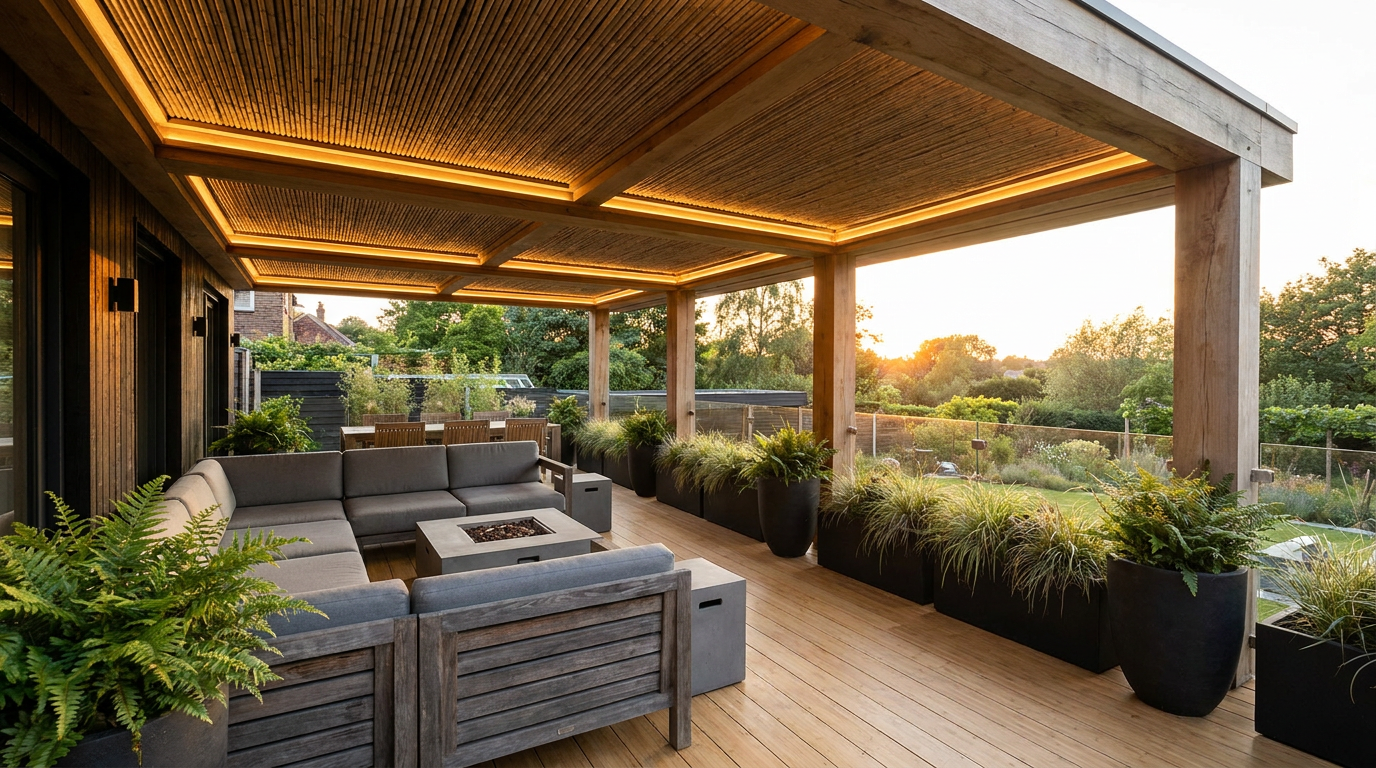
Exterior applications are also growing in visibility. Bamboo cladding, soffit panels, privacy screens, and decking systems can give a home a refined architectural presence, especially when paired with steel, glass, stone, or smooth fibre cement. The material’s linear quality suits contemporary design well, and many homeowners appreciate that it offers something more layered and tactile than synthetic alternatives.
There is also a subtle emotional dimension to bamboo’s appeal. People often respond to it as a material that feels calm and grounded. In a housing market where many finishes can seem overly processed or trend-driven, bamboo introduces an understated natural quality that supports a more restful living environment. That is not a technical metric, but it matters in real homes where visual comfort is part of long-term satisfaction.
Where Bamboo Works Best in North American Homes Today
Although bamboo can be discussed in structural terms, its strongest current applications in North America are often in finishes and semi-structural products rather than unrestricted replacement of conventional framing. This is not a limitation so much as a realistic guide for homeowners. Bamboo is already quite useful when it is specified where tested performance, manufacturing consistency, and installation knowledge are most established.
Flooring remains one of the most familiar bamboo applications. Good-quality engineered bamboo flooring can offer hardness, stability, and visual appeal for busy households. It is especially attractive in open-plan homes where continuity across kitchen, dining, and living spaces matters. Like any flooring, quality varies, so wear layers, finish systems, moisture tolerance, and VOC certifications should be reviewed carefully.
Interior wall and ceiling panels are another strong use case. These applications allow bamboo to deliver its warmth and grain without being exposed to the same moisture and ultraviolet stresses faced outdoors. In renovations, bamboo wall treatments can update a room quickly while reinforcing a low-impact design story. In new builds, bamboo ceilings and millwork can create a cohesive natural palette that feels elevated rather than rustic.
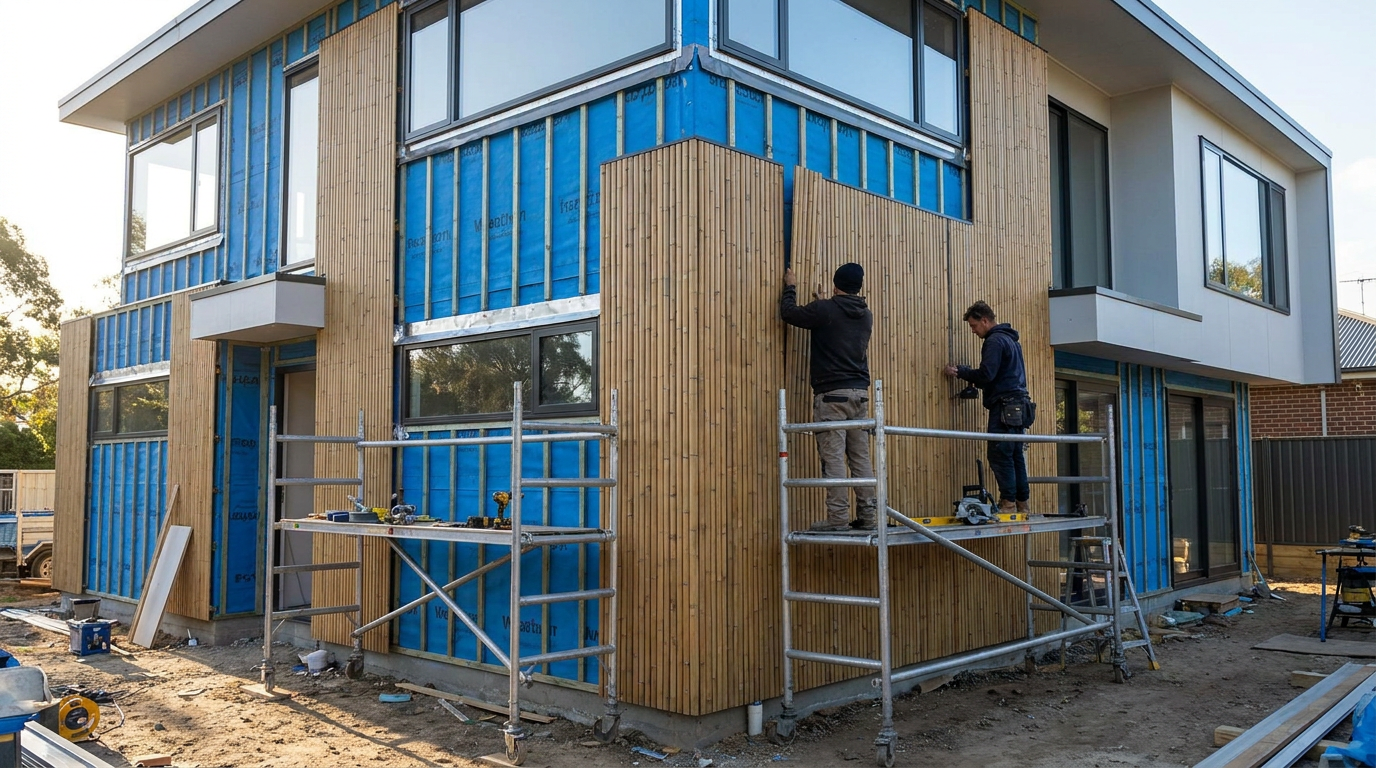
Exterior cladding and decking are promising categories as well, particularly with engineered bamboo products designed and tested specifically for outdoor use. These products often rely on densification, thermal treatment, preservatives, or protective finishes to improve durability. When properly detailed with ventilation gaps, flashing, rainscreen strategies, and clearance from grade, they can serve as elegant exterior materials with a distinctive sustainability narrative.
Homeowners may also encounter bamboo in cabinet fronts, furniture-grade panels, countertop substrates, fencing, privacy screens, pergola elements, and decorative slatted facades. Each of these applications can make sense when selected with care. The key is matching the product to the exposure conditions and not assuming that a beautiful sample in a showroom will automatically perform well on an exterior wall or uncovered deck.
The Practical Performance Question: Is Bamboo Actually Strong and Durable?
Bamboo’s strength is one of the reasons it attracts so much attention. Certain engineered bamboo products can perform very well in relation to their weight, and research often highlights their impressive stiffness and load-bearing potential. This is part of what makes bamboo intriguing to architects and material researchers. However, strength in a lab or technical sheet is only one part of what matters in a house.
In practice, durability is determined by a broader set of conditions. A material needs to tolerate moisture cycles, seasonal movement, fastening stresses, finish wear, and installation realities. It also needs to maintain predictable performance over time, not simply demonstrate good properties when newly manufactured. That is why product-specific testing and installation guidance are so important for bamboo.
Bamboo is sometimes described as naturally durable, but that claim can be overstated. Untreated or poorly protected bamboo can be vulnerable to moisture, fungal decay, insects, ultraviolet degradation, and dimensional instability. This is not unusual for a biological material, but it does mean bamboo should be specified with the same seriousness you would bring to wood or other natural products. Long-term success depends on treatment, detailing, and quality control.
Professionals often talk about durability by design, and that phrase is especially relevant here. A well-designed bamboo installation keeps the material dry, avoids prolonged wetting, allows drainage and ventilation, reduces ground contact, and uses proper overhangs, flashings, and rainscreen gaps where needed. When these details are respected, bamboo can perform far more reliably. When they are ignored, even a high-quality product can disappoint.
Moisture Management Matters More Than Marketing
For Canadian and northern U.S. climates, moisture management is one of the most important practical topics. Freeze-thaw cycles, wind-driven rain, snow accumulation, and seasonal humidity shifts all create stress for exterior materials. Bamboo products intended for outdoor use should be selected only when they have clear documentation for those conditions. Indoor products should not be improvised into outdoor roles simply because the finish looks similar.
Homeowners should also ask how a bamboo product is stored and acclimated before installation. Flooring and interior panels can move if they are installed at the wrong moisture content relative to indoor conditions. This is familiar territory for good contractors, but it is worth emphasizing because bamboo is still new enough in some markets that installation experience can vary. A beautiful material is only as good as the system around it.
Treatment and Preservation Are Part of the Story
If a bamboo product is going outdoors or into a demanding environment, treatment is not a minor detail. Preservatives, densification processes, thermal modifications, coatings, and assembly methods can all affect service life. This is one reason homeowners should ask detailed questions rather than rely on broad sustainability claims. A product can be environmentally appealing and still require careful chemical or manufacturing choices to perform safely and lastingly.
It is also wise to ask about maintenance intervals. Some exterior bamboo products need periodic oiling or sealing to preserve appearance, while others are designed to weather more naturally. Neither approach is automatically better, but expectations should be clear from the beginning. Sustainable design is most successful when maintenance feels manageable rather than burdensome.
Fire Safety and Code Compliance: The Part Homeowners Cannot Skip
Fire safety is one of the most important areas where myth and reality need to be separated. Bamboo is not inherently fireproof. Like other plant-based materials, its fire behavior depends on the product form, density, treatment, assembly, and tested performance. Broad claims that bamboo is naturally fire resistant should be treated with caution unless they are backed by recognized testing for the exact product and intended use.
For homeowners, the practical takeaway is reassuring but clear. Bamboo can be used responsibly when fire performance has been properly evaluated. Some engineered bamboo products and assemblies can achieve recognized fire ratings, and manufacturers serving North American markets increasingly emphasize testing, listings, and compliance information. That progress is encouraging, particularly in areas with wildfire awareness or stricter exterior material requirements.
In Canada, bamboo should also be understood within the building code framework rather than outside it. The National Building Code of Canada and provincial adaptations are increasingly open to bio-based building pathways when products can demonstrate structural, fire, and safety performance. The expansion of code pathways for encapsulated mass timber is one sign of that broader shift. It does not mean bamboo is automatically approved, but it shows that the regulatory environment can evolve when evidence exists.
What this means in practice is straightforward. If you are using bamboo in a residential project, especially in exterior or potentially structural applications, ask for product-specific documentation. That may include testing reports, evaluation documents, flame spread data, installation instructions, warranty terms, and evidence of compliance through accepted assessment routes. The material’s botanical identity is not enough. Building officials and insurers care about performance documentation.
A helpful rule for homeowners: if a bamboo product is being used in a place where safety, weather, or code approval matters, ask for the same level of technical documentation you would expect from any premium building product.
How Bamboo Fits Into Canadian Homes and Climates
Canada’s climate diversity makes material selection more complex than many trend-driven articles admit. A product that performs well in a dry interior in Vancouver may face very different stresses on an exposed cottage deck in Ontario or an exterior facade in a colder prairie climate. Bamboo can still be a smart choice, but climate responsiveness should shape where and how it is used.
Interior applications are generally the most straightforward. In conditioned spaces, bamboo can offer consistent performance when properly acclimated and installed, and homeowners can enjoy its aesthetic and sustainability benefits without the same level of exterior exposure risk. Flooring, wall panels, cabinetry, and ceilings are often excellent places to begin if you want to use bamboo confidently.
Exterior use requires more selectivity. Cladding systems should be part of a properly designed building envelope, ideally with rainscreen detailing where appropriate. Decking products should be rated for outdoor conditions and installed with correct spacing, substructure support, drainage planning, and maintenance guidance. Covered patios and sheltered architectural features often offer especially suitable opportunities because they reduce direct weather exposure while still letting the material play a visible design role.
For homeowners in wildfire-prone or wildland urban interface areas, material choice becomes even more performance sensitive. In those settings, tested exterior assemblies and product listings matter greatly. Some bamboo manufacturers now emphasize formal fire testing and specific certifications, which reflects a maturing market. If your site has elevated fire exposure concerns, that documentation should be part of the decision from the start rather than a question raised after design selections are made.
How to Evaluate Bamboo Products Before You Buy
Bamboo’s sustainability appeal can make it tempting to decide quickly, especially when a sample looks beautiful in the showroom. But the smartest approach is to evaluate bamboo the same way you would assess any serious building material. A calm, methodical review will help you separate high-performing products from those that are only well marketed.
Start with the product category. Is it flooring, cladding, decking, paneling, or a structural element? Is it raw bamboo, laminated bamboo, scrimber, or a composite product with additional materials? This matters because each category behaves differently and should be judged by different performance expectations.
Next, ask about testing and certification. Look for evidence related to fire performance, slip resistance where relevant, dimensional stability, formaldehyde or VOC emissions, durability testing, and code compliance pathways. For exterior products, ask specifically about weather exposure, maintenance requirements, fastener systems, and compatibility with rainscreen or drainage assemblies.
It is also worth understanding the supply chain. Many bamboo products used in North America are imported, and some contain significant amounts of adhesives or composite ingredients. That does not automatically make them poor choices, but it does affect the environmental story. A product’s overall sustainability depends on more than the raw plant. Manufacturing energy, transportation distance, chemical inputs, lifespan, and replacement cycle all play a role.
The following questions can help guide a productive conversation with a supplier, builder, or architect:
- What exact type of bamboo product is this, and what applications is it approved for?
- Has it been tested for fire performance, moisture resistance, and durability in the conditions relevant to my project?
- What installation details are required to protect the warranty and long-term performance?
- Does it need periodic maintenance, refinishing, or sealing?
- What certifications or compliance documents are available for Canadian or North American use?
- What adhesives, finishes, or treatments are used in the manufacturing process?
- How does this product compare in expected lifespan to the alternatives I am considering?
These questions may seem technical, but they are practical. They shift the conversation from image to evidence, which is exactly where sustainable material decisions are strongest.
Common Myths About Bamboo in Construction
Bamboo’s rise in popularity has brought a number of misconceptions with it. Clearing these up helps homeowners make better choices without losing sight of bamboo’s real advantages. The truth is more grounded than the marketing, and in many cases, more useful.
Myth 1: Bamboo is a tree
Bamboo is actually a grass. That matters because its growth pattern, harvest cycle, and renewability profile are different from those of timber species. It is one reason bamboo can be discussed as a rapidly renewable resource, though rapid growth alone does not guarantee overall sustainability.
Myth 2: Bamboo is automatically eco friendly
Bamboo can be a lower-impact option, but not all bamboo products have the same environmental profile. Processing intensity, adhesive content, transport distance, and service life all matter. A durable, well-tested engineered bamboo product may be an excellent choice, while a poorly made imported product with a short lifespan may be far less compelling.
Myth 3: All bamboo products are equally strong
They are not. Round culms, laminated boards, scrimber, and bamboo composites all behave differently. Structural claims should always be tied to the specific product, test data, and connection details rather than to bamboo as a general material category.
Myth 4: Bamboo does not need treatment or detailing
This is one of the most persistent and risky misunderstandings. Bamboo, like wood, benefits from moisture control, proper detailing, and often preservative or protective treatment. Ignoring those realities can shorten service life considerably.
Myth 5: Bamboo is naturally fireproof
It is not. Fire performance varies widely and must be demonstrated through testing. Product-specific documentation is especially important for exterior applications, multifamily settings, or areas with elevated wildfire concerns.
The Role of Research and Standards in Bamboo’s Future
One reason bamboo has not yet become a mainstream structural material across North America is the ongoing need for better standardized data. Researchers continue to point out gaps in comprehensive property databases and design information for many bamboo products. This is not a sign that bamboo lacks promise. It simply reflects the reality that broader adoption in regulated construction depends on repeatable, trusted technical information.
That situation is gradually improving. There is growing attention to engineered bamboo standards, design manuals, and test methods that can support more consistent specification. As manufacturers, standards bodies, and researchers continue this work, bamboo may become easier to use in more ambitious applications. For now, homeowners benefit most when they choose products from suppliers who take testing, documentation, and quality assurance seriously.
This is similar to the path many innovative materials follow. Before they become routine, they need clear standards, predictable manufacturing, and familiarity among designers, inspectors, and contractors. Bamboo is moving in that direction, particularly in premium finish applications and select exterior systems. The pace may be gradual, but that is often how durable change in building practice actually happens.
Best Home Upgrade Ideas for Bamboo
If you are interested in bamboo but want a realistic starting point, a few home upgrades stand out as especially practical. These applications make good use of bamboo’s strengths without forcing it into roles where local approvals or performance data may be harder to navigate.
- Flooring in living areas and bedrooms: a high-quality engineered bamboo floor can bring warmth, durability, and a contemporary natural finish to everyday spaces.
- Feature walls and ceilings: bamboo panels can add texture and calm visual rhythm in entryways, offices, dining rooms, or media rooms.
- Cabinet fronts and millwork: bamboo works well in kitchens, mudrooms, and custom built-ins where sustainable design and crisp detailing matter.
- Covered exterior soffits and screens: these are good places to introduce bamboo visually while reducing direct weather stress.
- Tested exterior cladding and decking systems: when supported by proper documentation and detailing, these can create a distinctive, low-impact architectural finish.
Often, the best approach is selective rather than total. A home does not need to be made entirely of bamboo for the material to make a meaningful difference. One carefully chosen application can improve both the environmental story and the lived experience of a space.
Bamboo Compared With Wood, Composite, and Other Modern Materials
Many homeowners want to know whether bamboo is better than wood, composite decking, laminate, or other common materials. The most honest answer is that it depends on what you value most. Bamboo can offer a compelling middle ground between natural beauty and engineered consistency, but it is not automatically superior in every category.
Compared with conventional hardwoods, bamboo may offer faster renewability and a distinctive grain character. It can also provide very good hardness and dimensional performance in certain engineered products. However, hardwood may have advantages in local sourcing, familiarity among installers, or straightforward refinishing options depending on the product type.
Compared with synthetic composites, bamboo often wins on natural appearance and biogenic material content. Yet composites may require less maintenance in some outdoor applications and may have longer track records in certain climates. The decision often comes down to whether you prioritize tactile authenticity, lower-plastic material choices, maintenance simplicity, or a specific aesthetic result.
In thoughtful residential design, these comparisons do not need to be ideological. A home can combine bamboo with wood, stone, recycled content materials, or high-performance composites in ways that are both practical and elegant. Sustainable design works best when each material is used where it performs well rather than where it merely sounds virtuous.
Final Thoughts: Is Bamboo the Right Choice for Your Home?
Bamboo is one of the more interesting materials in the current sustainable construction landscape because it brings together environmental promise, modern aesthetics, and increasing technical sophistication. It is not a universal substitute for every conventional building material, and it should not be treated as one. But in the right applications, especially in flooring, interior finishes, cladding, decking, and selected engineered systems, it can be a genuinely smart choice for modern homes.
The strongest case for bamboo is practical rather than idealistic. It grows quickly, carries a compelling low-carbon story, and can look exceptional in contemporary residential design. When supported by tested performance, good detailing, moisture control, and clear compliance documentation, it has real value. When chosen purely for trend appeal without those safeguards, it can fall short.
If you are considering bamboo for a renovation or new build, the best next step is a careful conversation with your architect, contractor, or supplier. Ask about the exact product type, intended application, testing, maintenance, and installation requirements. That measured approach does not diminish bamboo’s appeal. It strengthens it by turning a promising material into a durable, informed, and beautiful housing decision.
In that sense, bamboo reflects a broader truth about sustainable building. The most successful choices are rarely the loudest ones. They are the materials that quietly align performance, longevity, beauty, and responsibility. Bamboo is increasingly capable of doing exactly that.


No Comment! Be the first one.